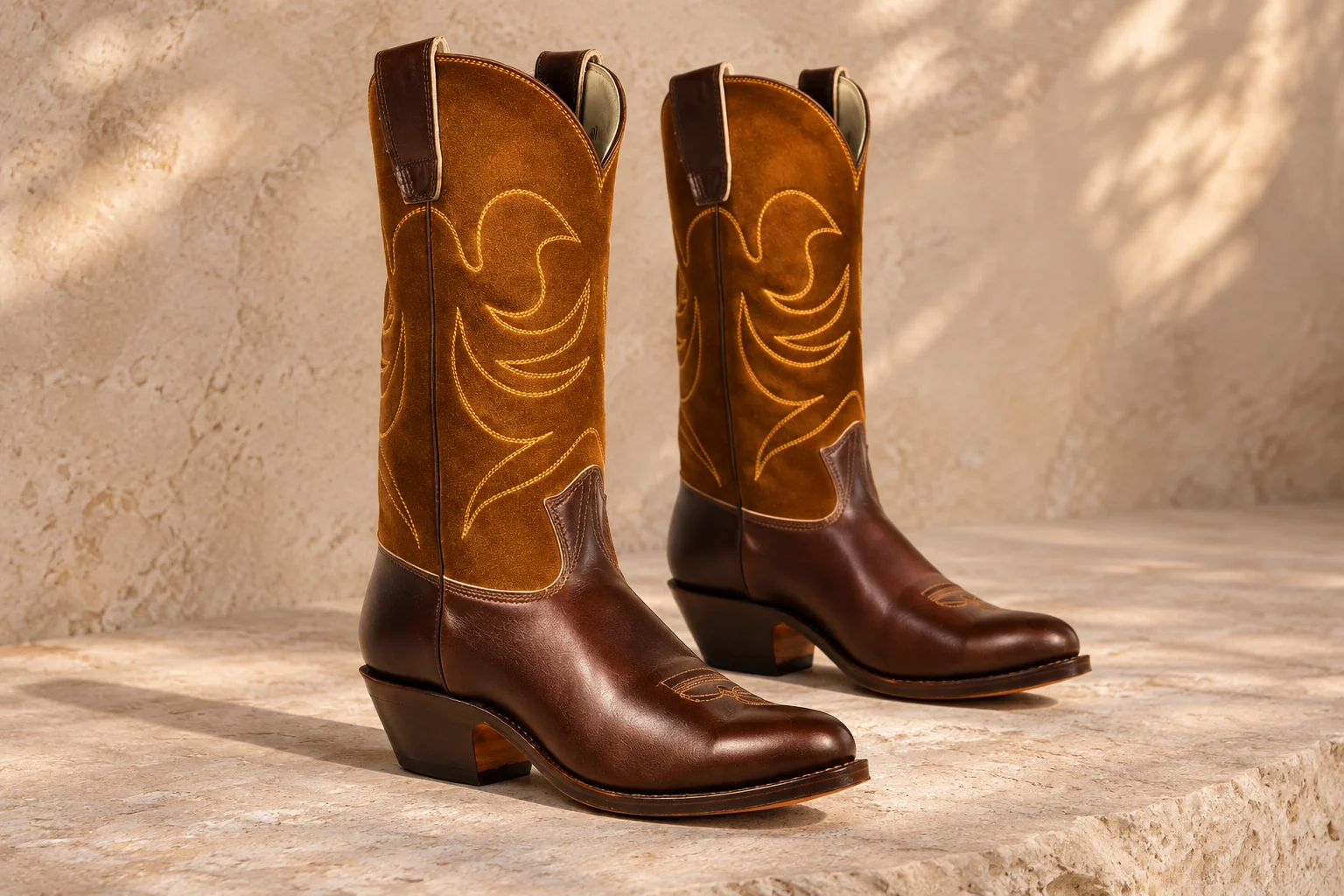
Heritage
One pair. A full day.
From $2,500
Bring the pair with one heel worn lower than the other. It has been taking notes on how you walk for years. At your custom cowboy boot fitting in Tucson, we check those heels, watch you walk and take 44 measurements. Your toes get room. Your heel gets held.
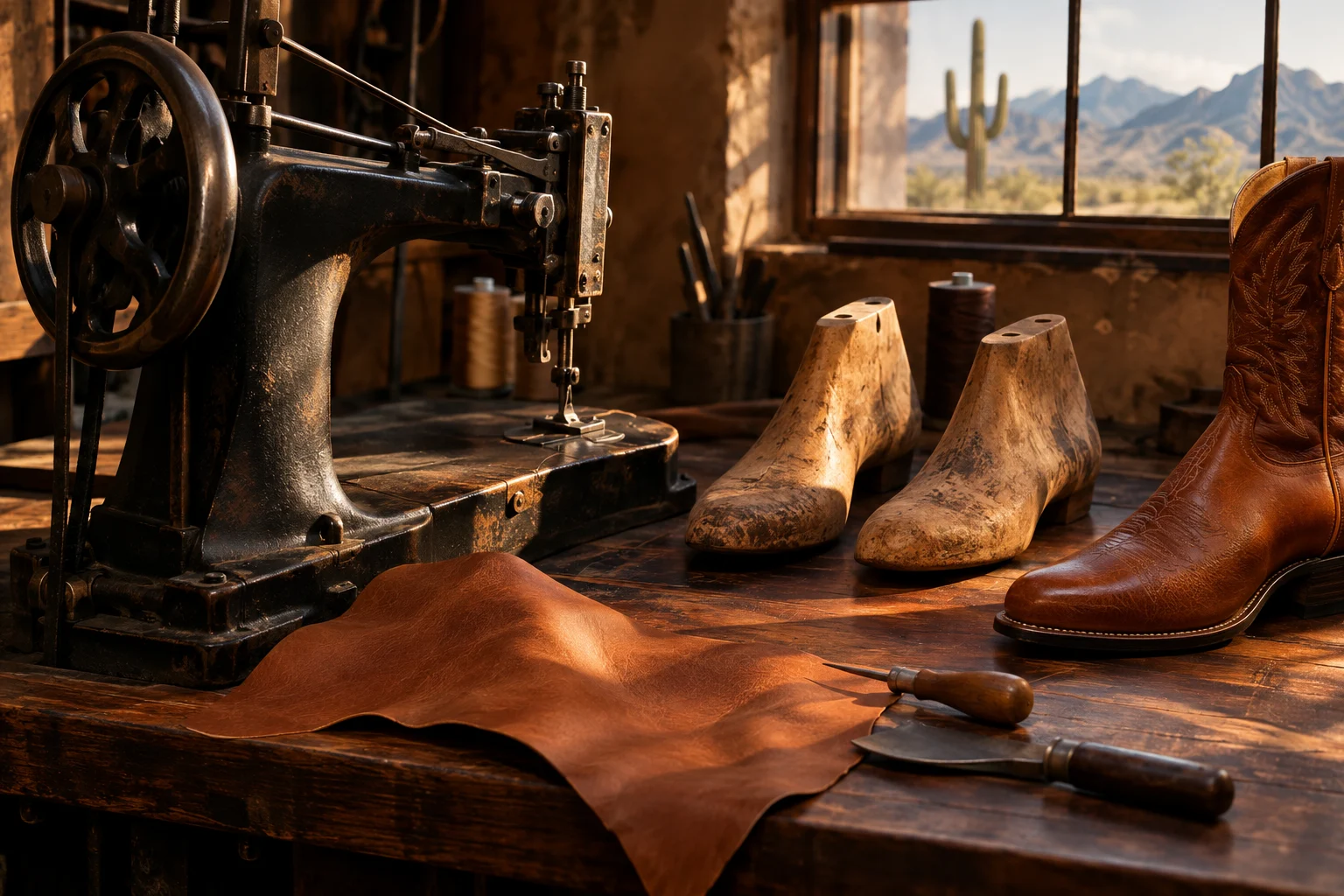
Your shoulders carry the weight of the world. Your feet carry you, shoulders and all.
Show us where it hurts. In Tucson, we’ll check the soles of your old boots, watch you walk, and measure each foot.
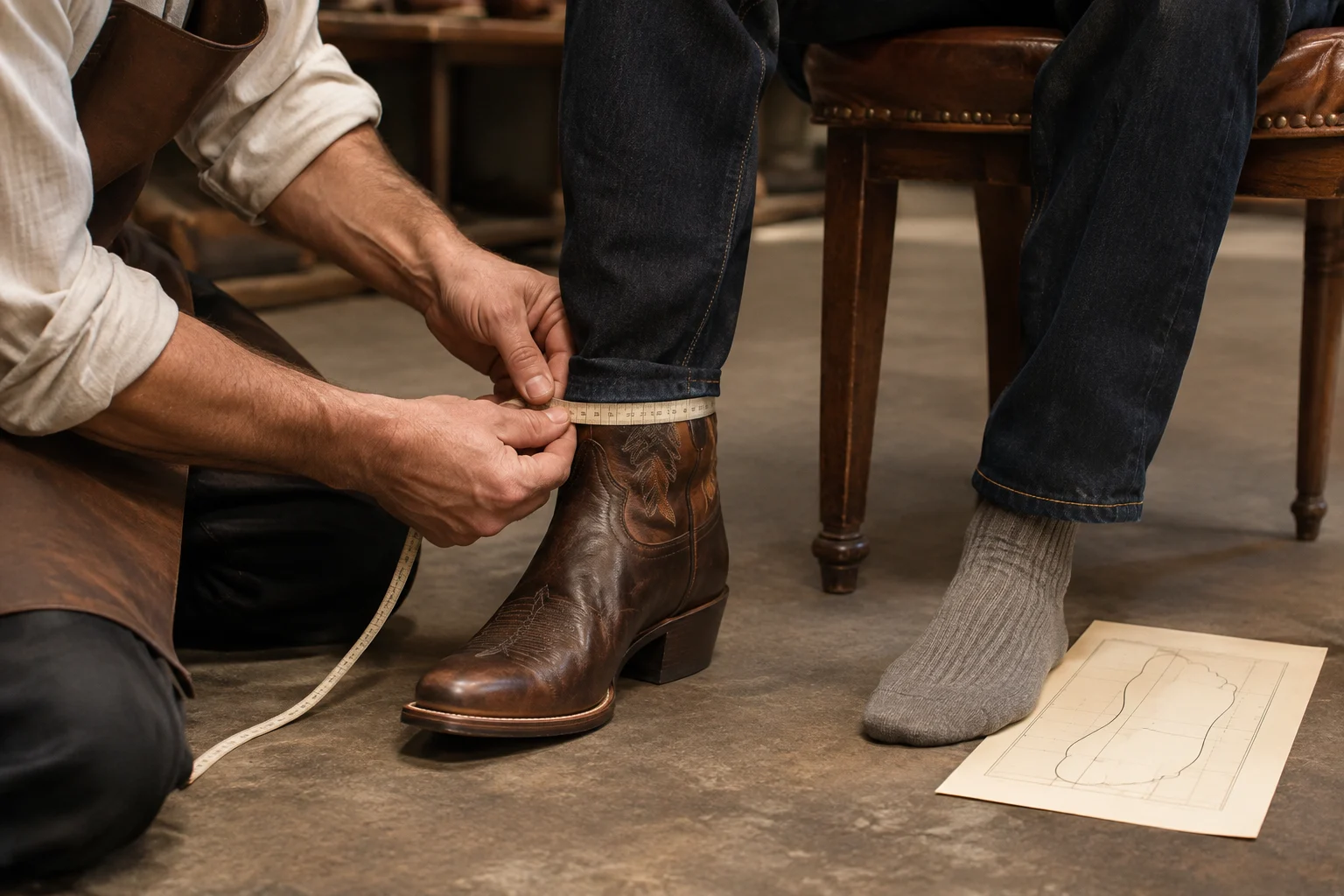
Show us which toe feels the squeeze. We check how much room it needs across the boot and above it.
First step or halfway home? Tell us when it slips. We’ll check how your heel sits and where the sole wears.
We measure both feet and shape each boot to the foot that wears it.
Bring your inserts or orthotics. We can check how much room they’ll need before you order.
The best pair to bring is the one you take off under the table.
Coming soon
We’re working on custom footwear built around the fit and support your clinician recommends.
One pair. A full day.
From $2,500
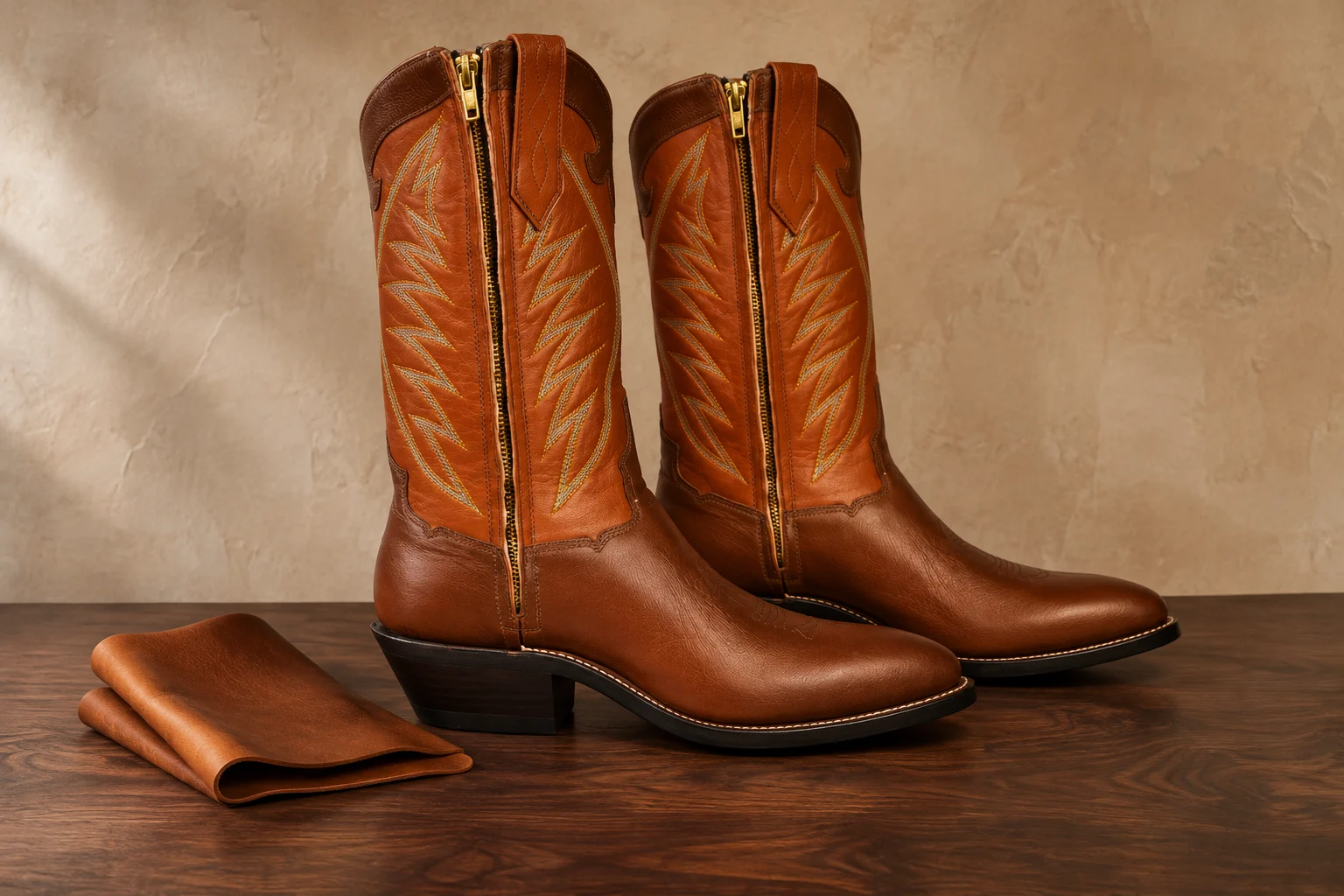
The best part is between you and your boots.
Starting at $18,000
A mile in your boots. A life of his own.
From $30,000
Something borrowed. Something of you.
From $30,000
Collector pairs
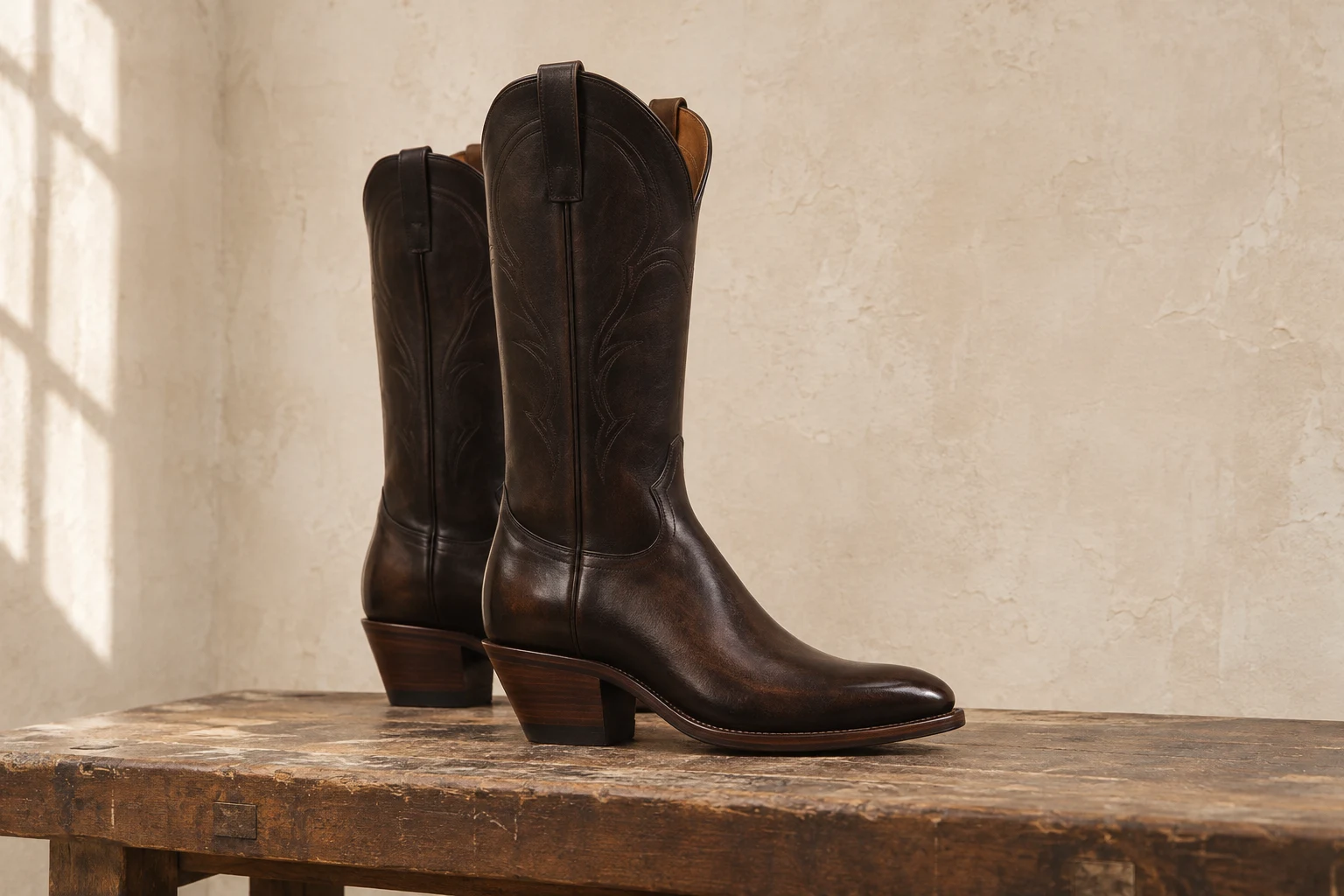
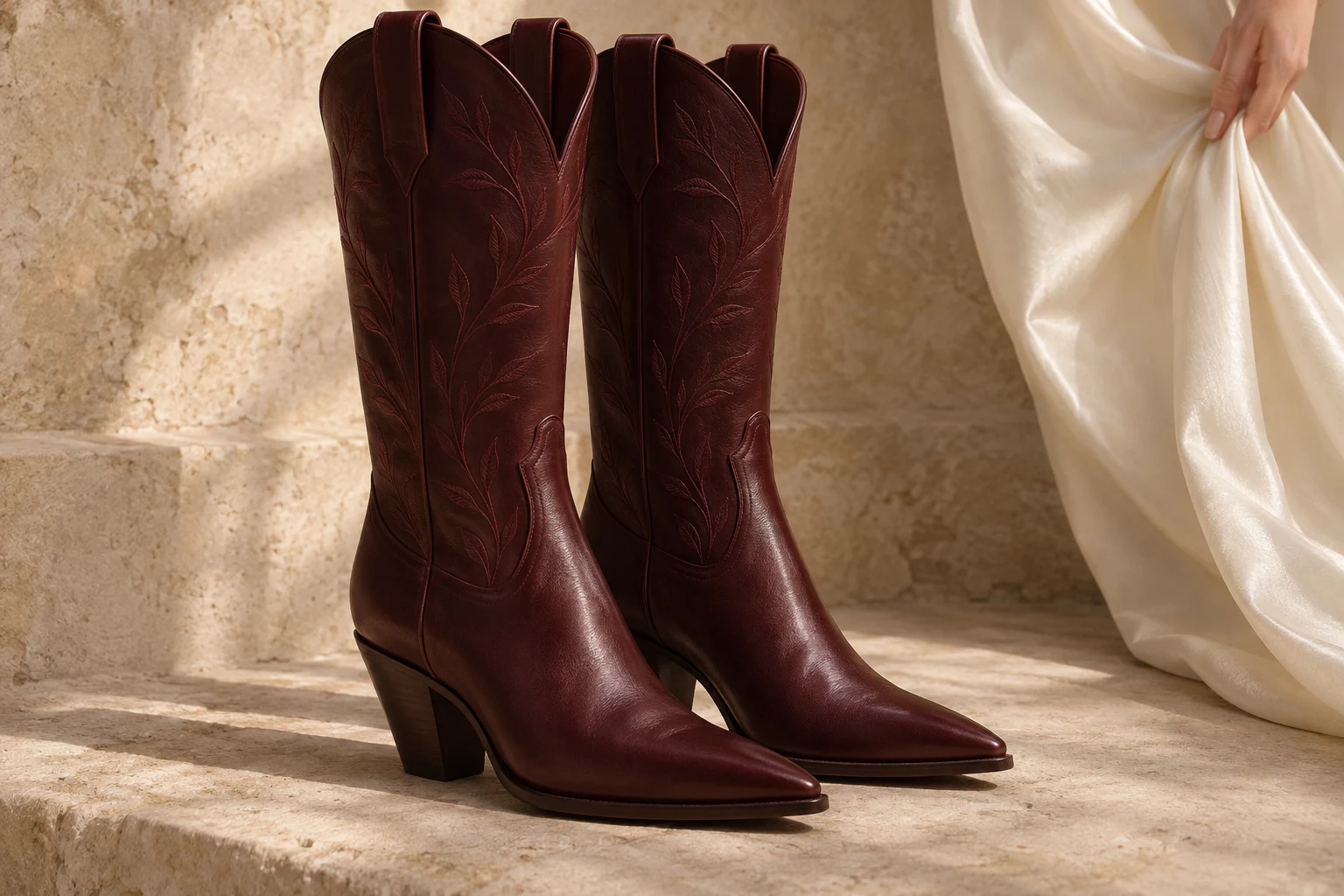
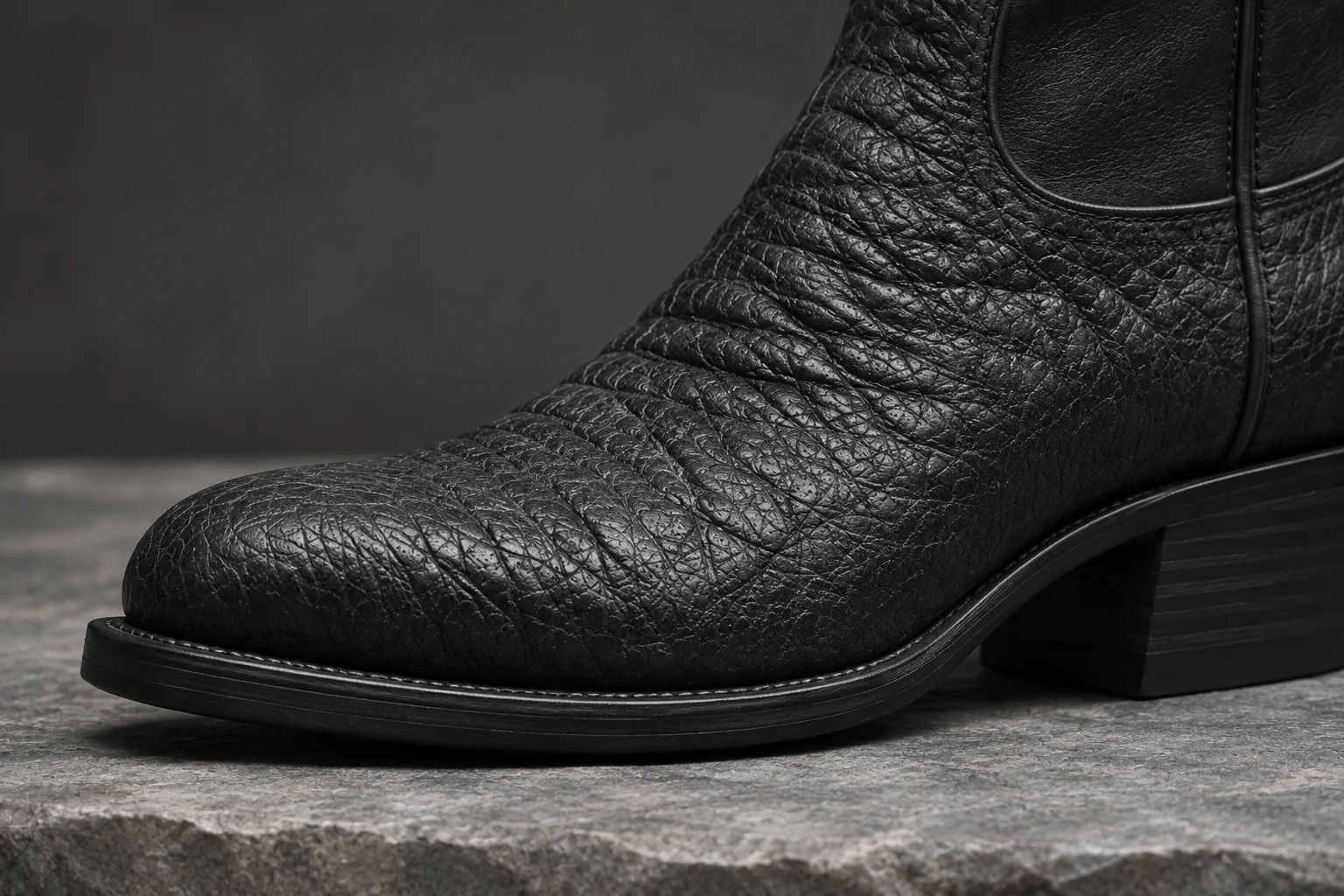
Graphite catches the light. Oxblood keeps it close. Two elephant leather pairs, each headed to a private auction.
Put your name in the draw for a chance to bid.
The draw takes place once 100 people have bought tickets.
Stewart draws 10 names. Only those 10 can bid.
One winning bid takes each pair.
Entries have yet to open. The workshop is still confirming the finished pairs and the leather’s origin.
View both pairs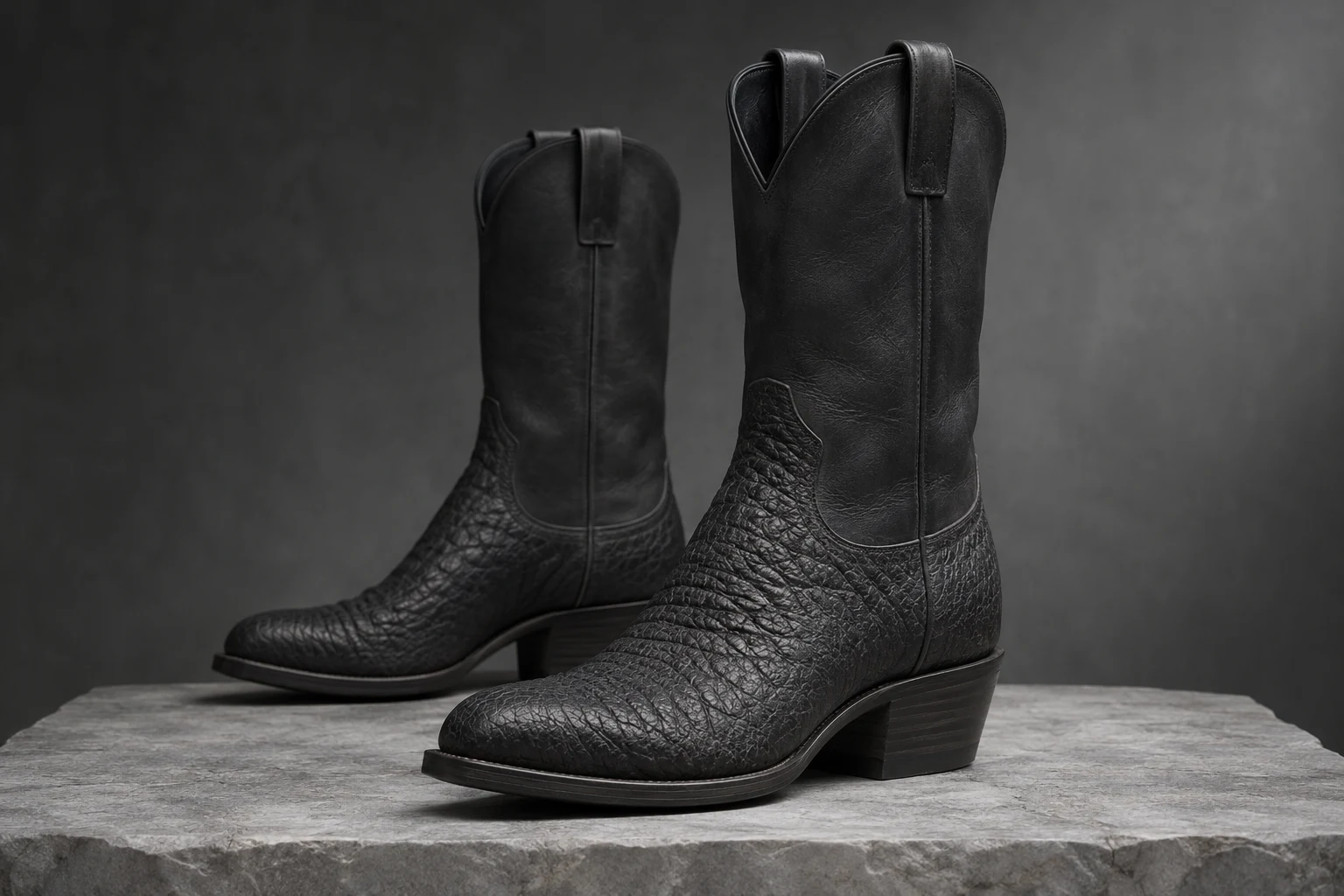
Black. Until the light hits.
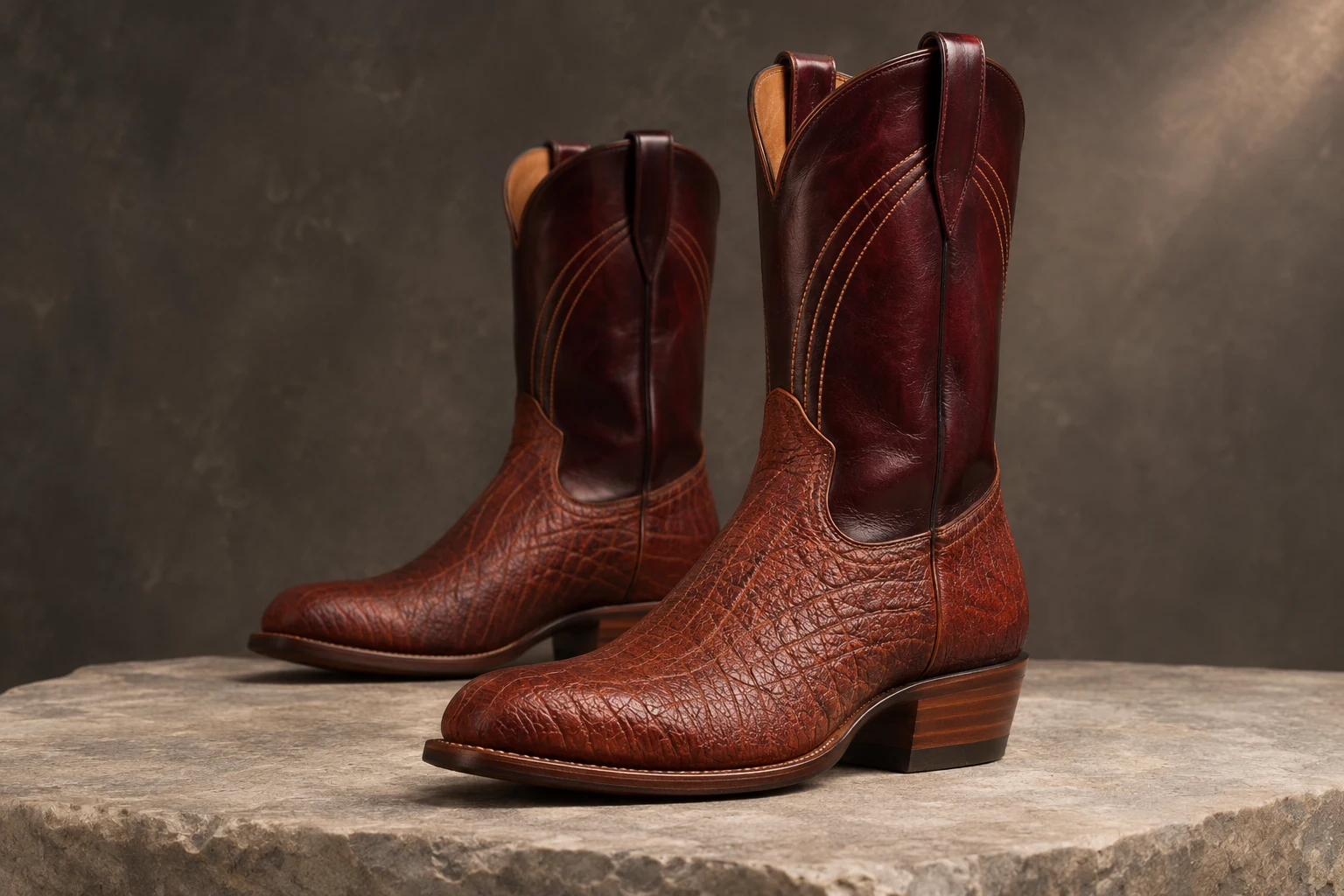
The color you notice when you sit down.
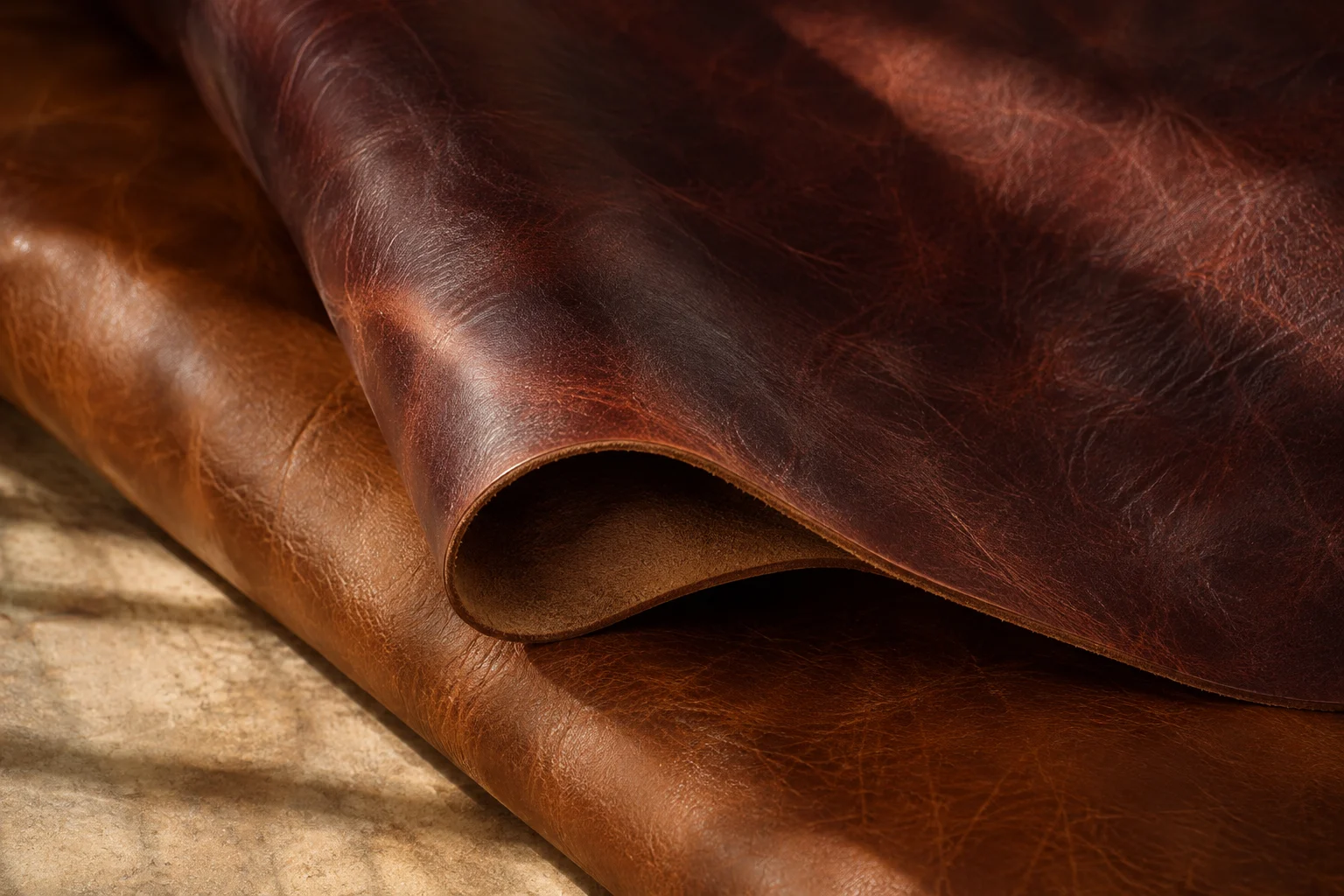
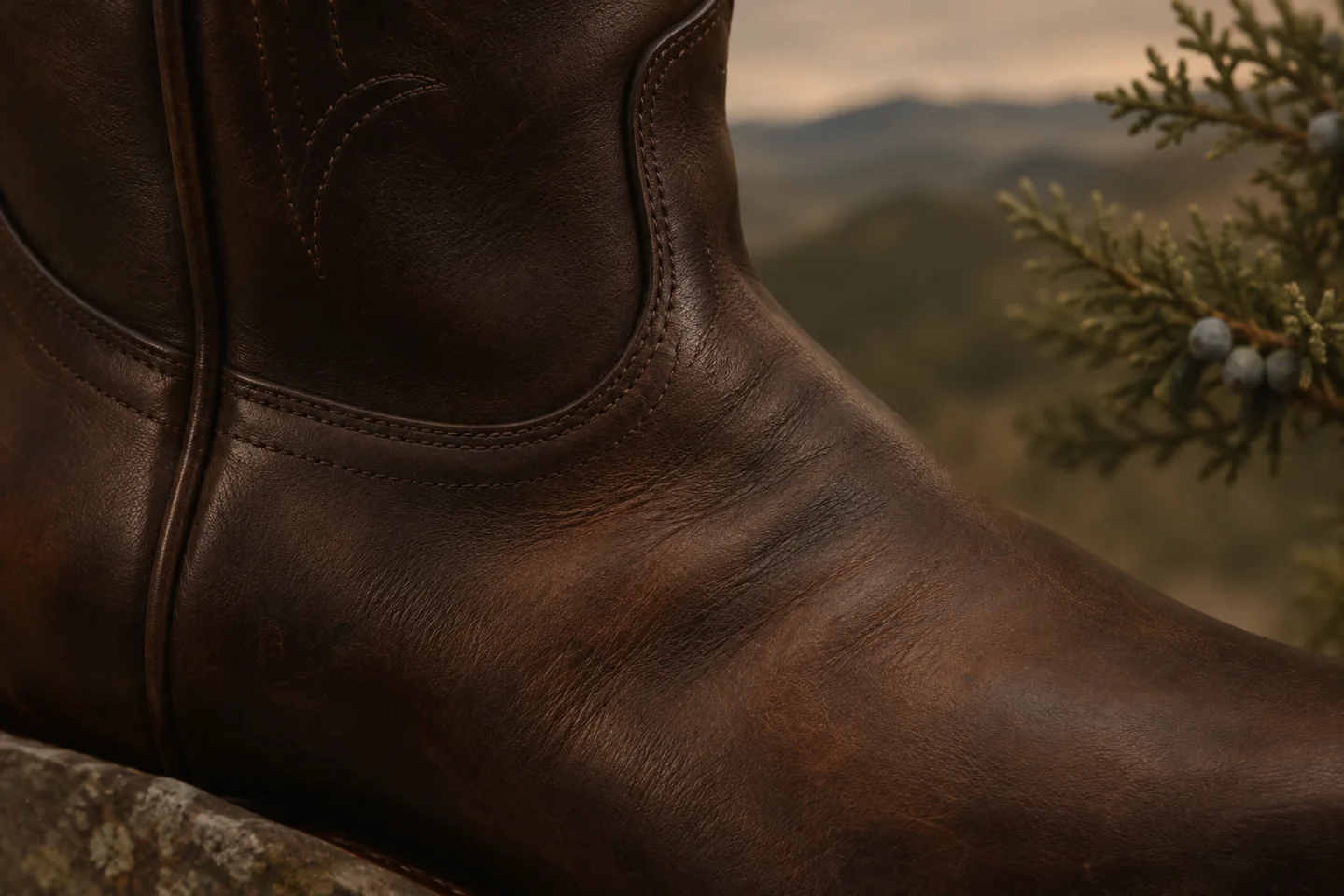
Most things look their best the day they arrive. Good leather is the exception. It starts out a little stiff and smelling of the tannery, then spends years becoming yours: softer where your foot bends, richer where you brush it, with a shine nobody can fake.
Horween has tanned leather in Chicago since 1905. Its Chromexcel is worked with oils and waxes, so the color lightens at a fold and settles back, and the leather stays supple for years. Those oils are why a light scuff often brushes back in, and why the pair you break in this year can still be yours in twenty.
Explore python and alligator boots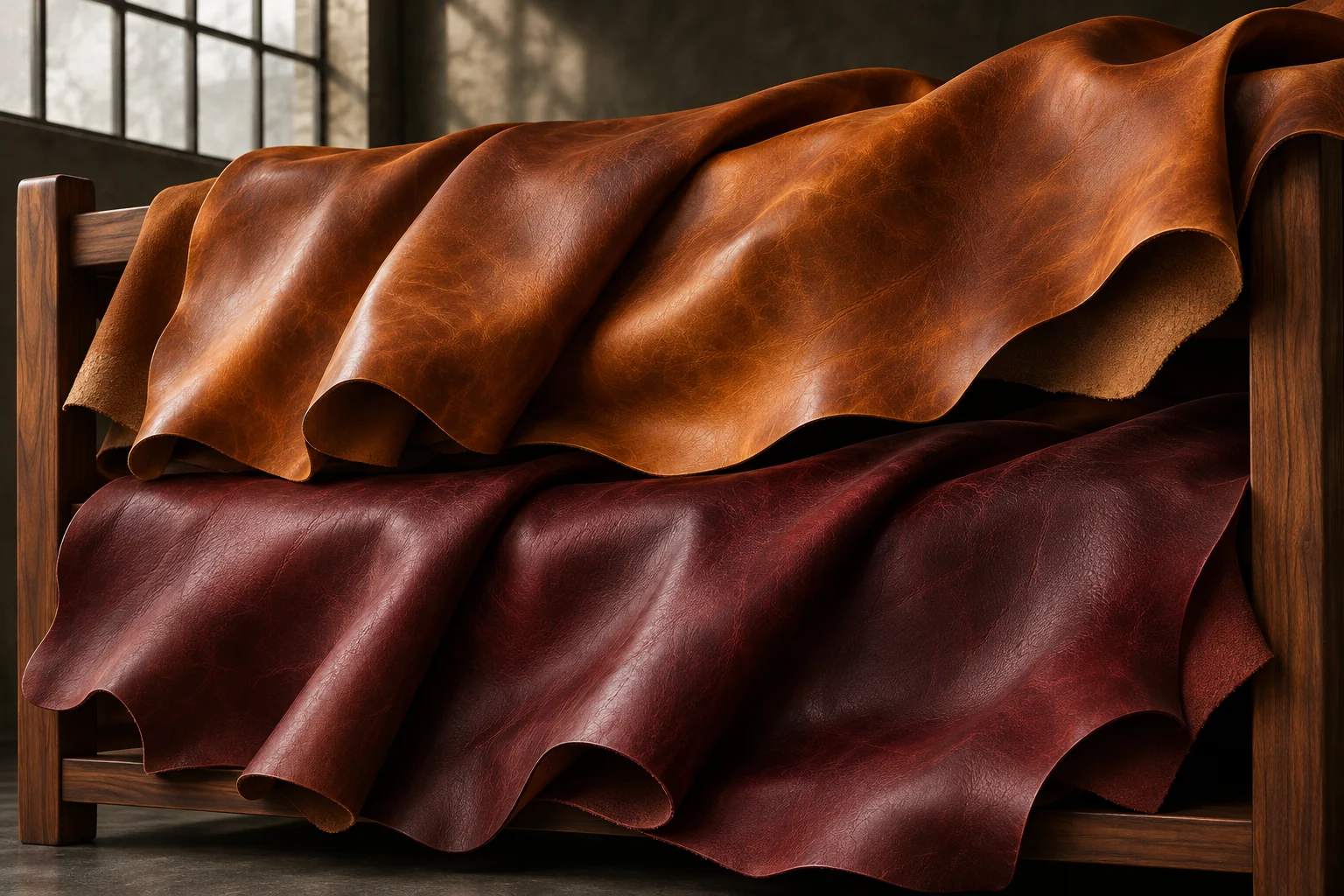
Bend a sample of Horween Chromexcel and the color lightens at the fold as the oils and waxes move through the hide. Leathermakers call it pull-up. It’s the mark of leather that’s been fed, not just coated.
The pale line fades in a moment. The shine stays. Every walk, every brushing and every evening by the door adds a little more. That’s patina. It can’t be bought new or rushed, which is exactly what makes it worth having. Nobody else’s pair will wear in quite like yours.
A tannery doesn’t stay in one city for more than a century by making leather people throw away. Each Horween finish feels different in the hand. Put two side by side and bend each one. The one you keep picking up is a good place to start.
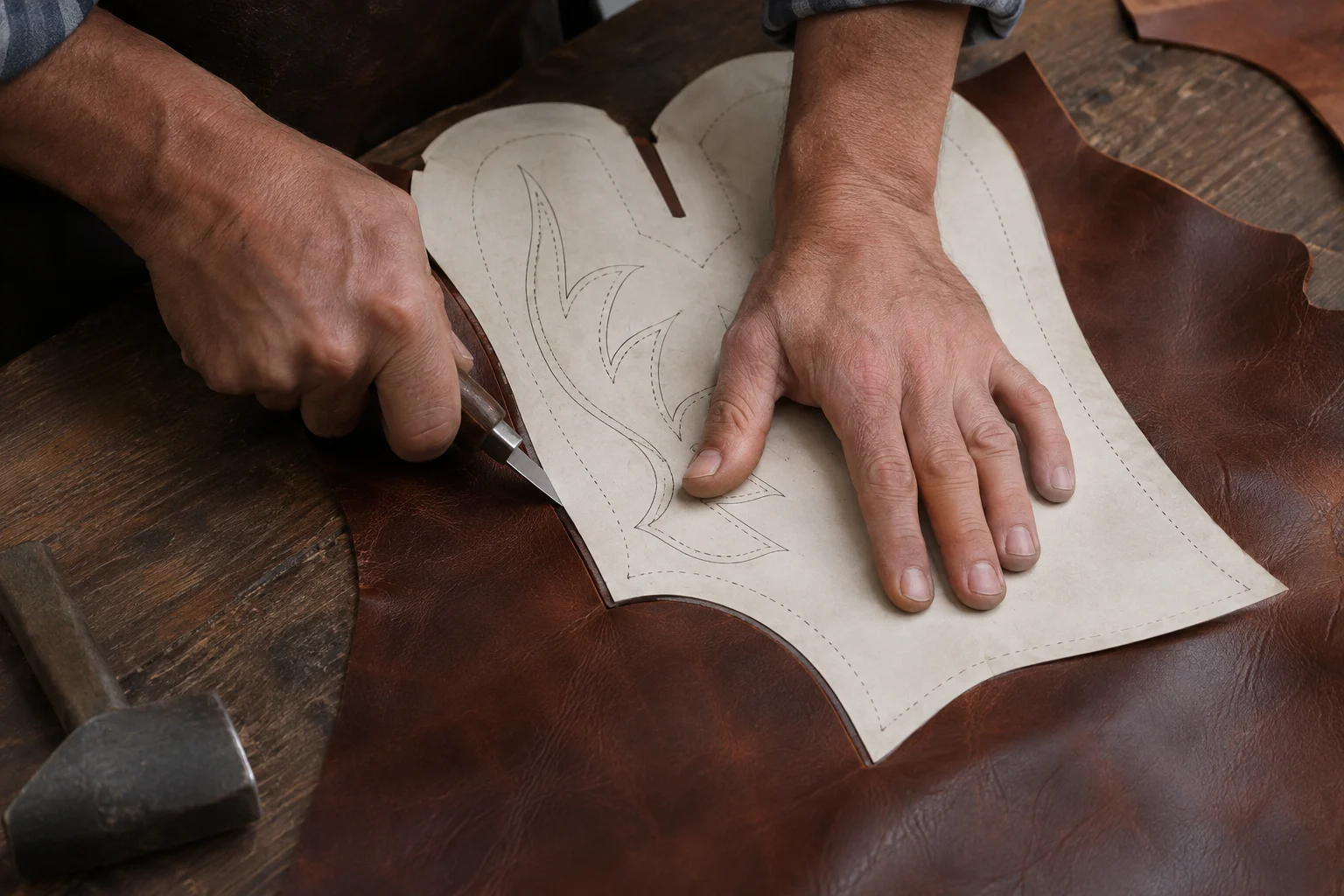
Before the first cut, the maker feels where the hide gives and lays the pattern around it. That leather is the part of the boot built to stay. Heels and soles can be replaced, and Stewart’s customers describe wearing their pairs for decades. Ask which Horween finishes Stewart can source for your commission.
A good stitch catches the eye across a room. You feel what the maker chose beneath it on the walk home. Look through the eleven layers, from the one that cups your heel to the curve at the toe that helps you roll into the next step.
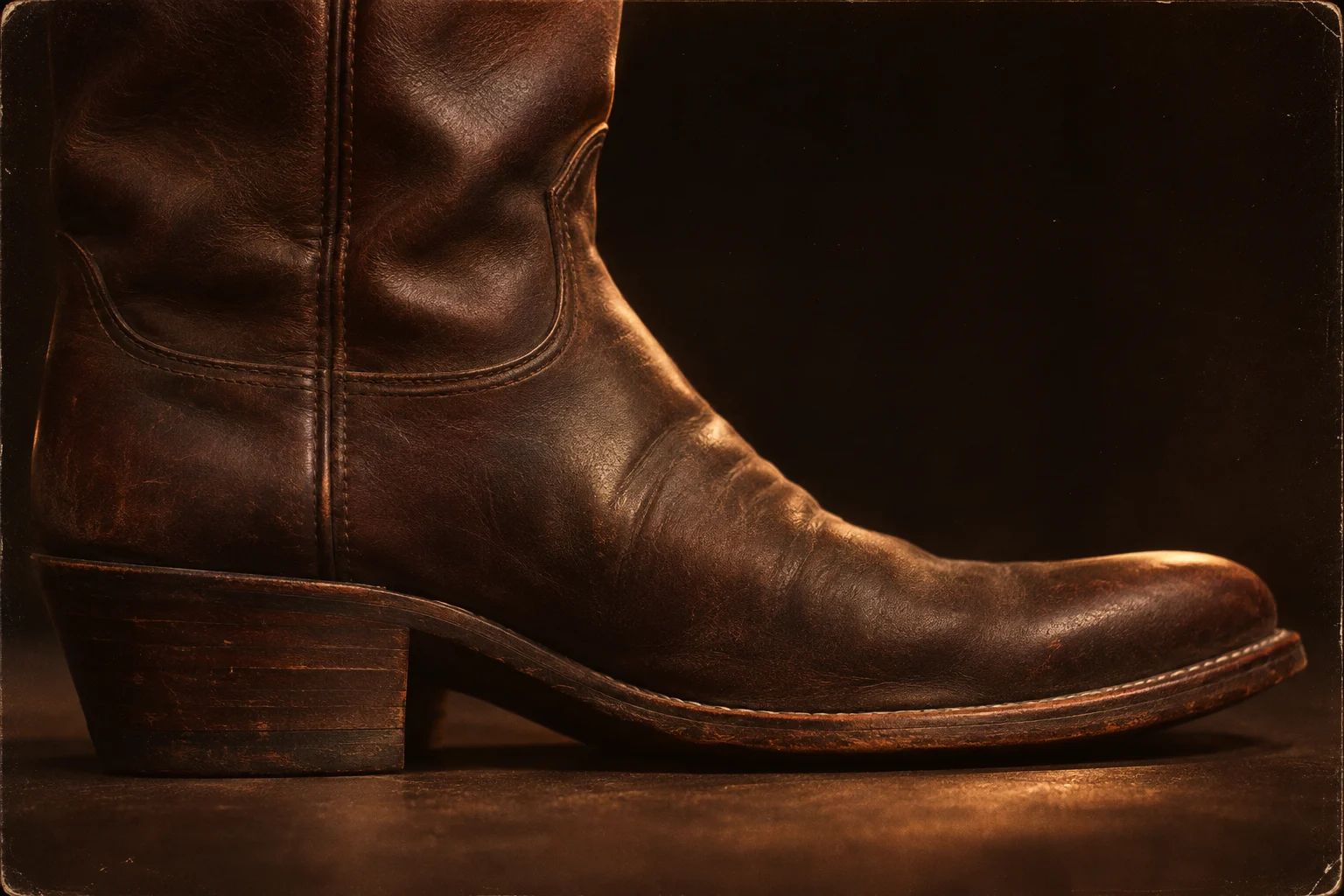
Victor remembers a call from George Lucas. James Dean wanted a little more heel. See where Stewart’s boots took the workshop and what it could make for your next production.
4.5 out of 5 from 46 Google reviews as of October 29, 2026
The most amazing boots on earth. What a difference they've made for the comfort of my feet. My boots are beautiful…
Perfect boots that fit my 74 year old feet perfectly.
You can very clearly see that love was put into every detail and stitch
Attention to detail is unparalleled.
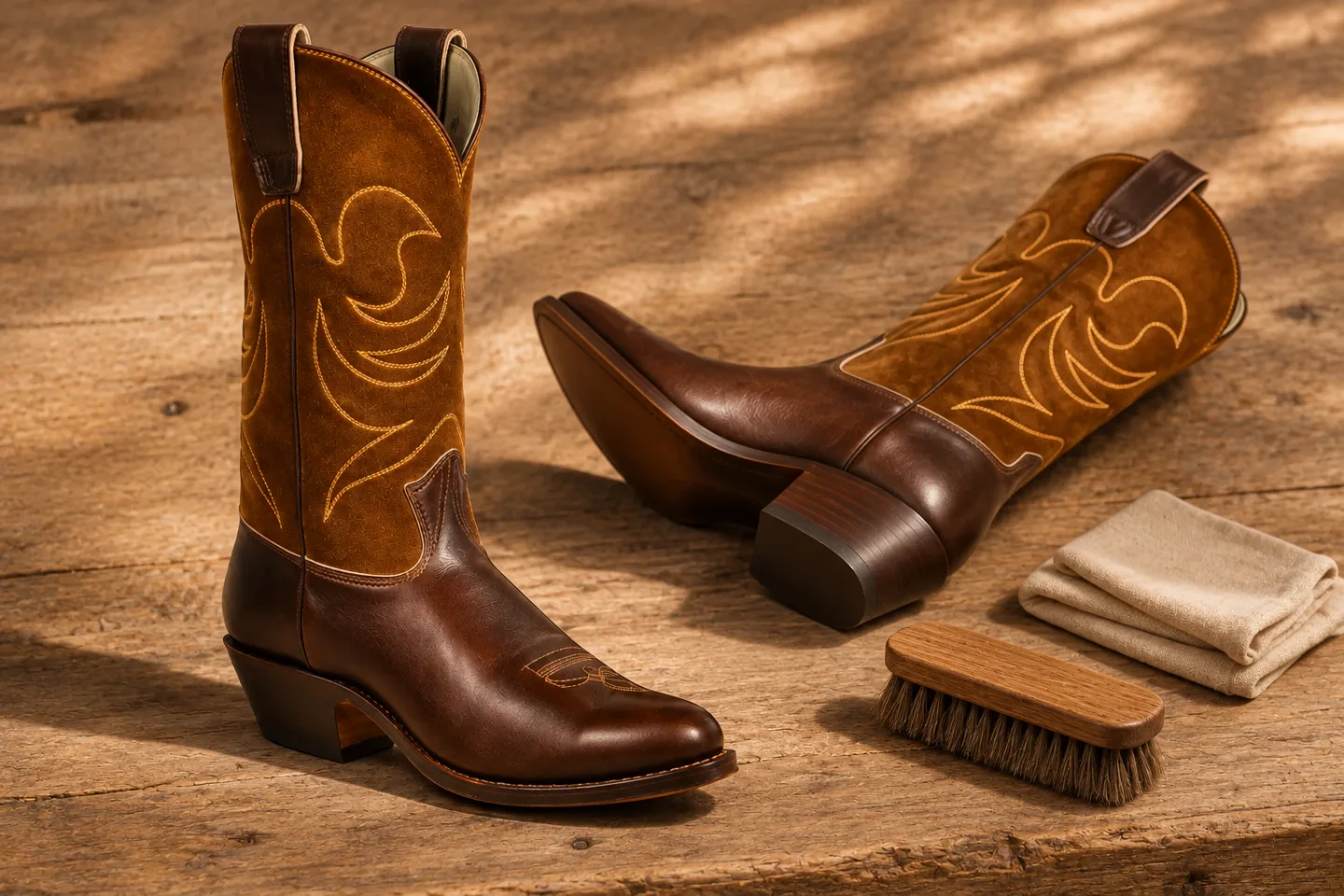
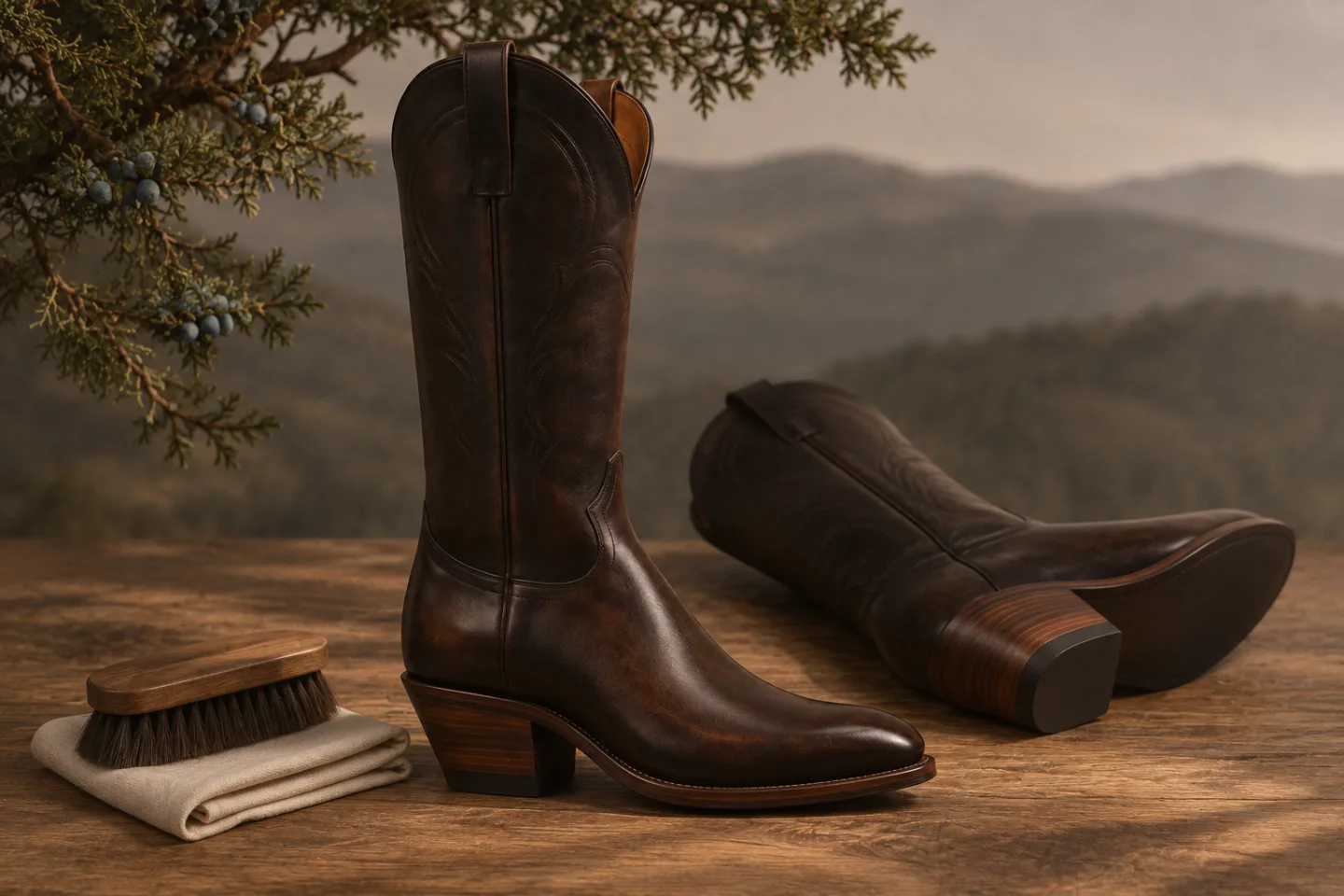
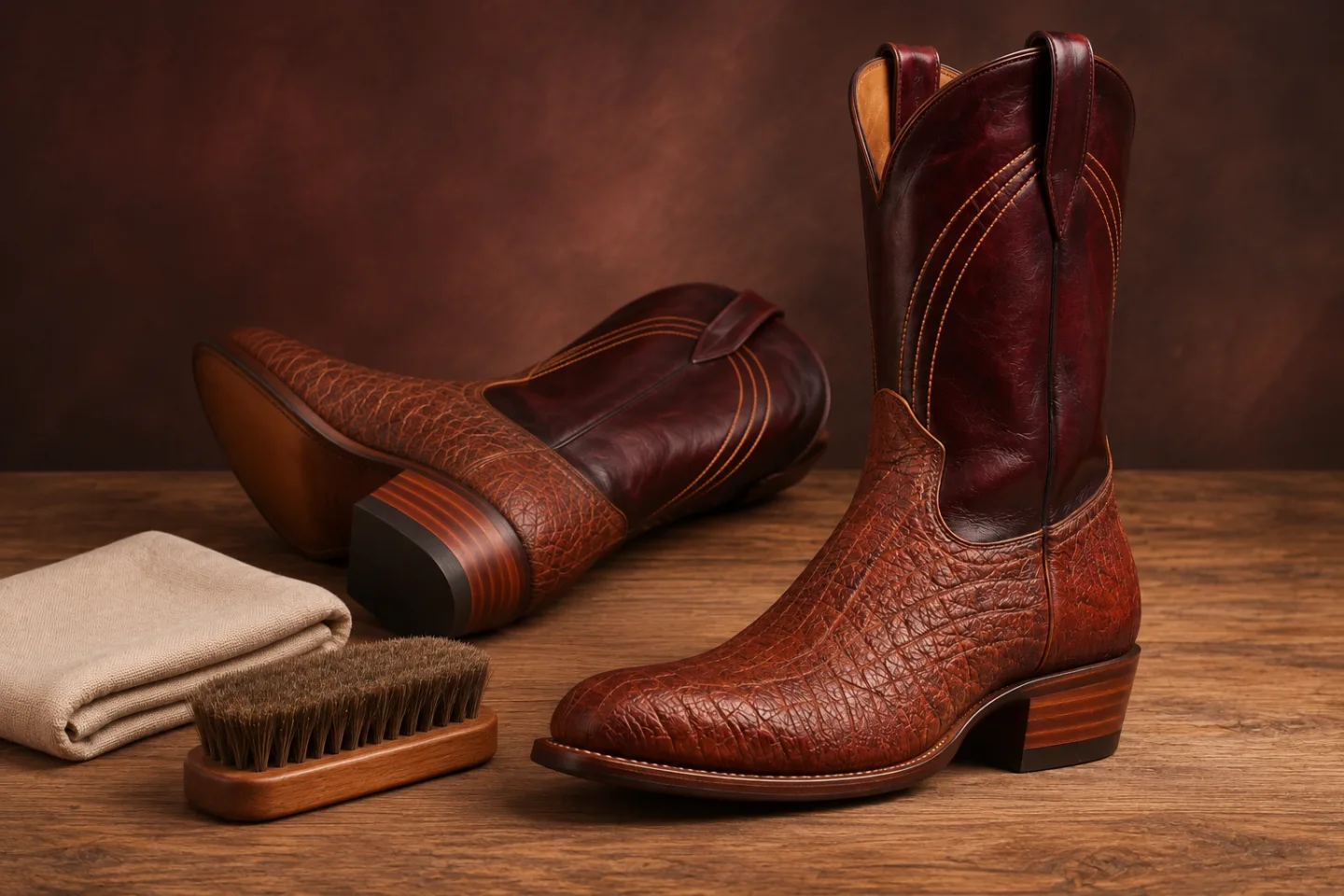
A brush for the dust you can see. The Tucson bench for the grit that’s found a home in the seams.
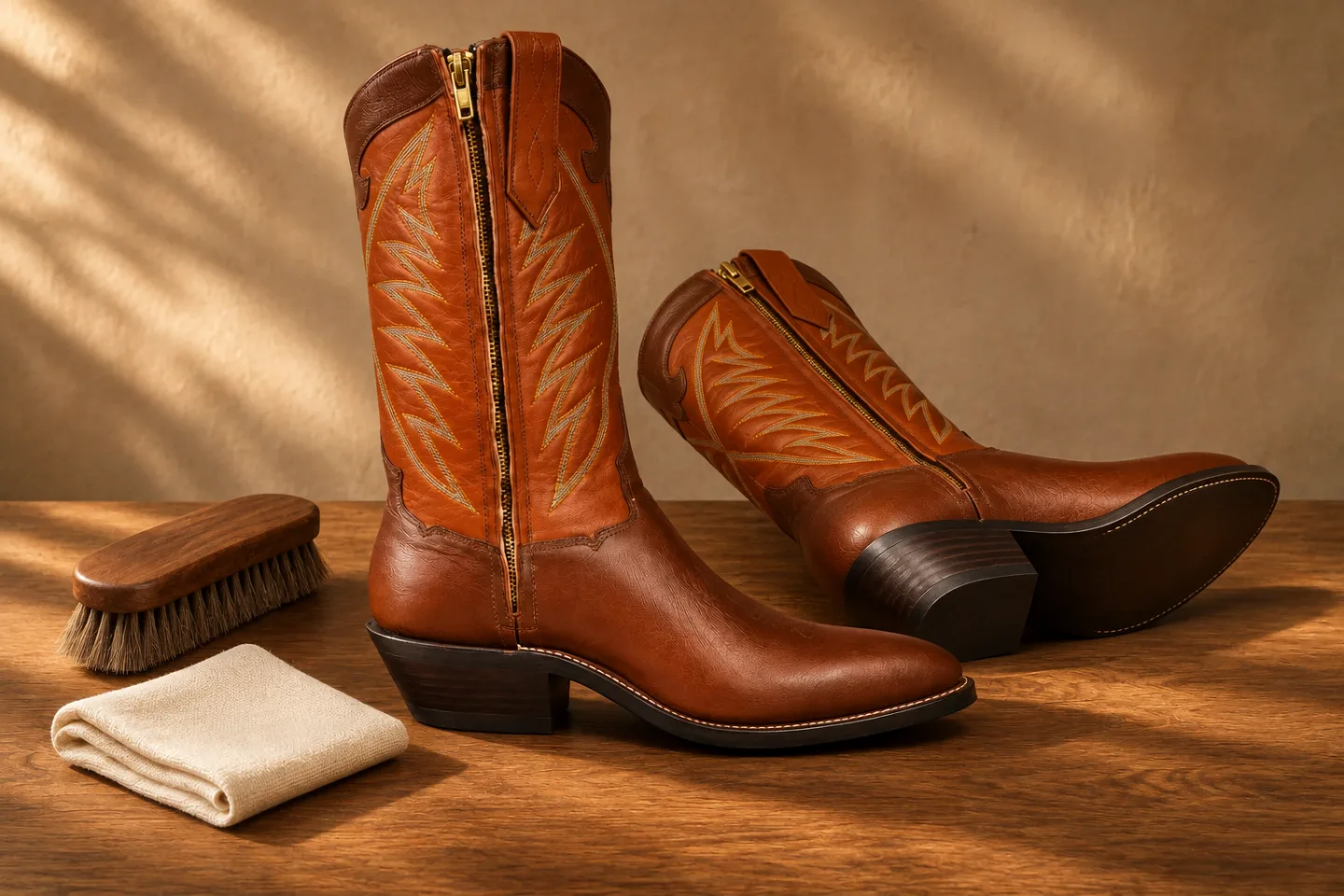
Brush off the dust, feed the leather, and let cedar boot trees hold the shape while you put your feet up.
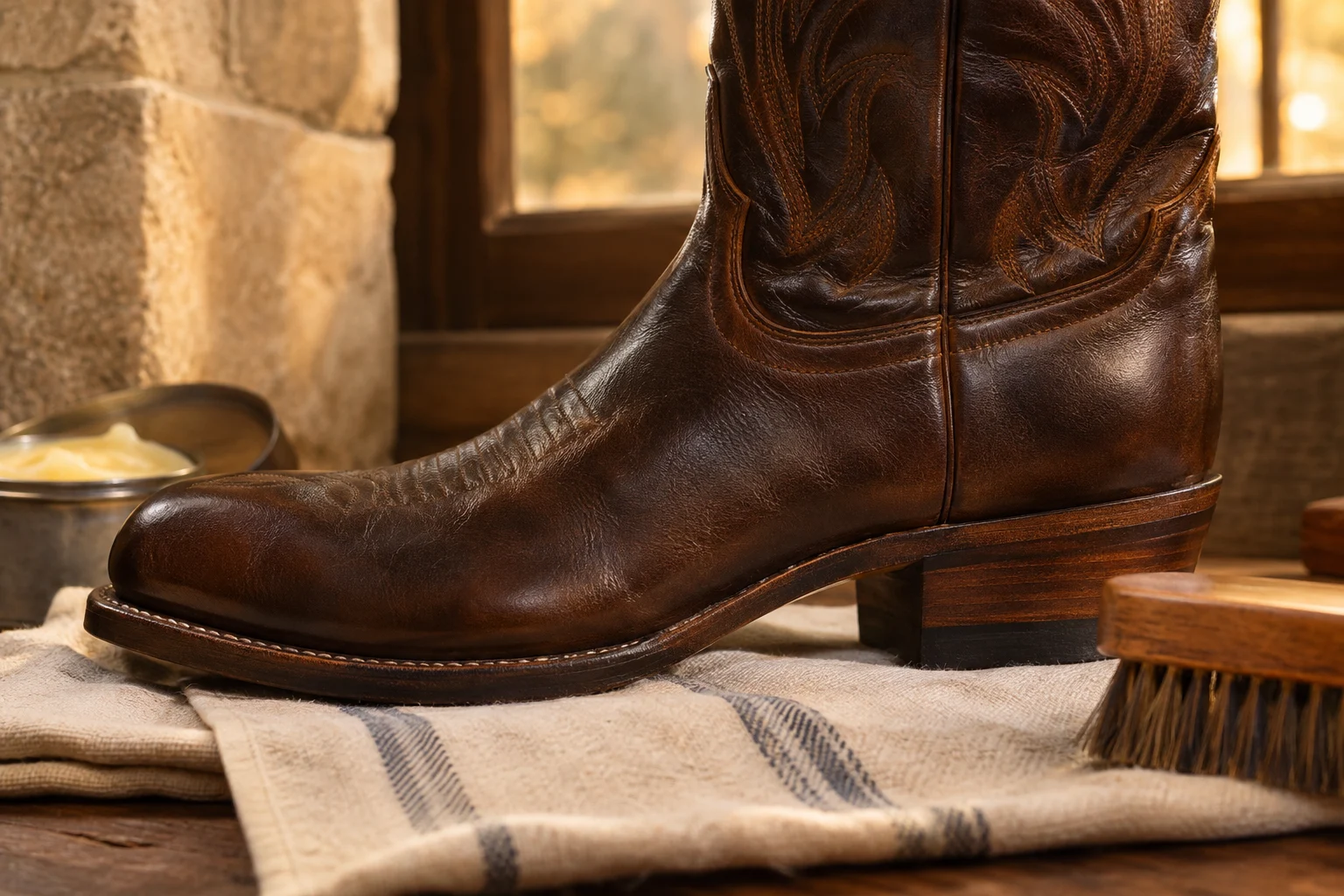
$395 per pair
Send your pair to Tucson for a deep clean and a bootmaker’s check of the stitches, soles, and heels.
The first scuff was an event. Now you know the pair by the crease above the toe. That’s worth keeping.
At the bench, we get the grit out of the seams and check for wear you might miss.
The dust can stay in Tucson.
We suggest a visit about every two years. The workshop confirms shipping when your pair is due.
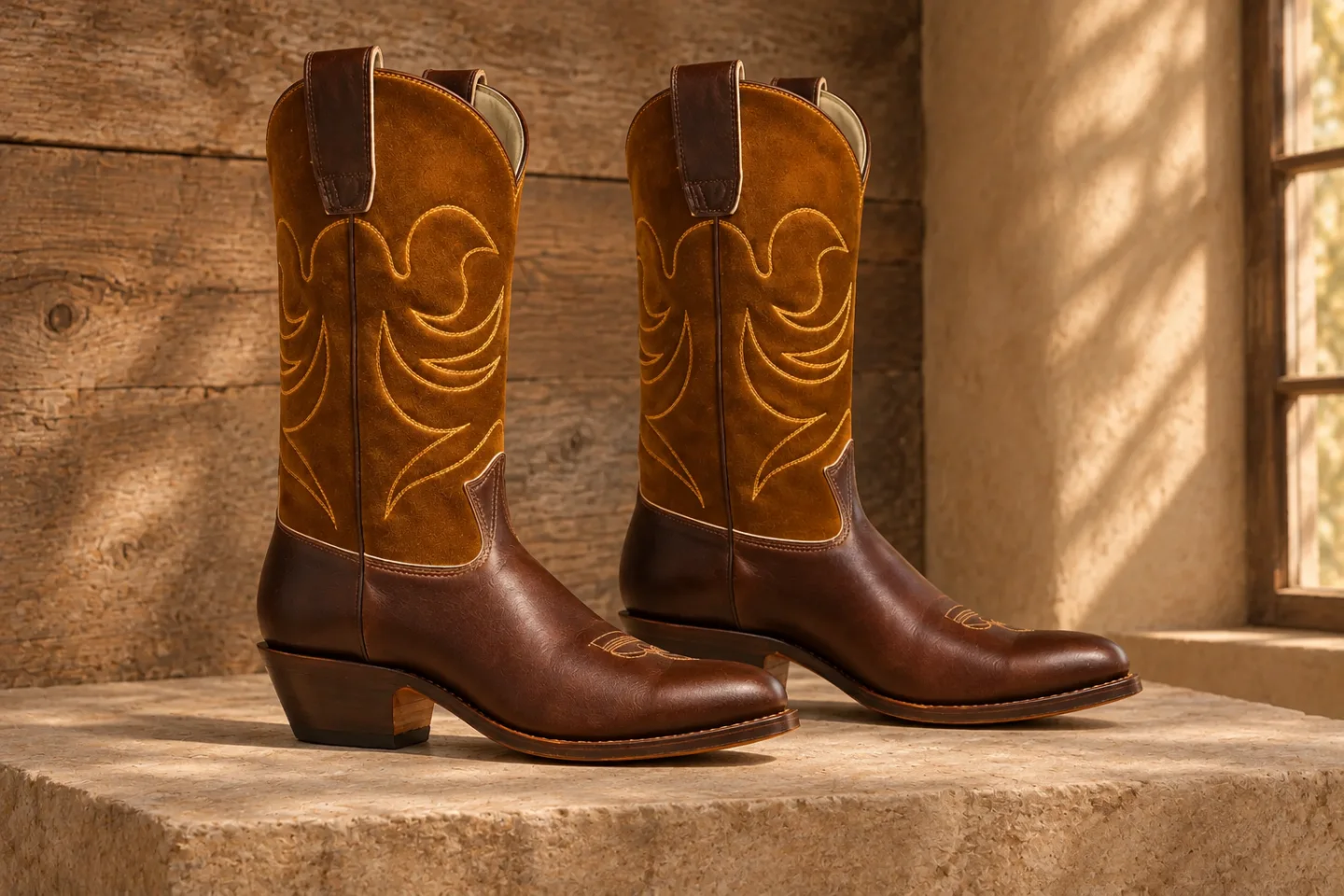
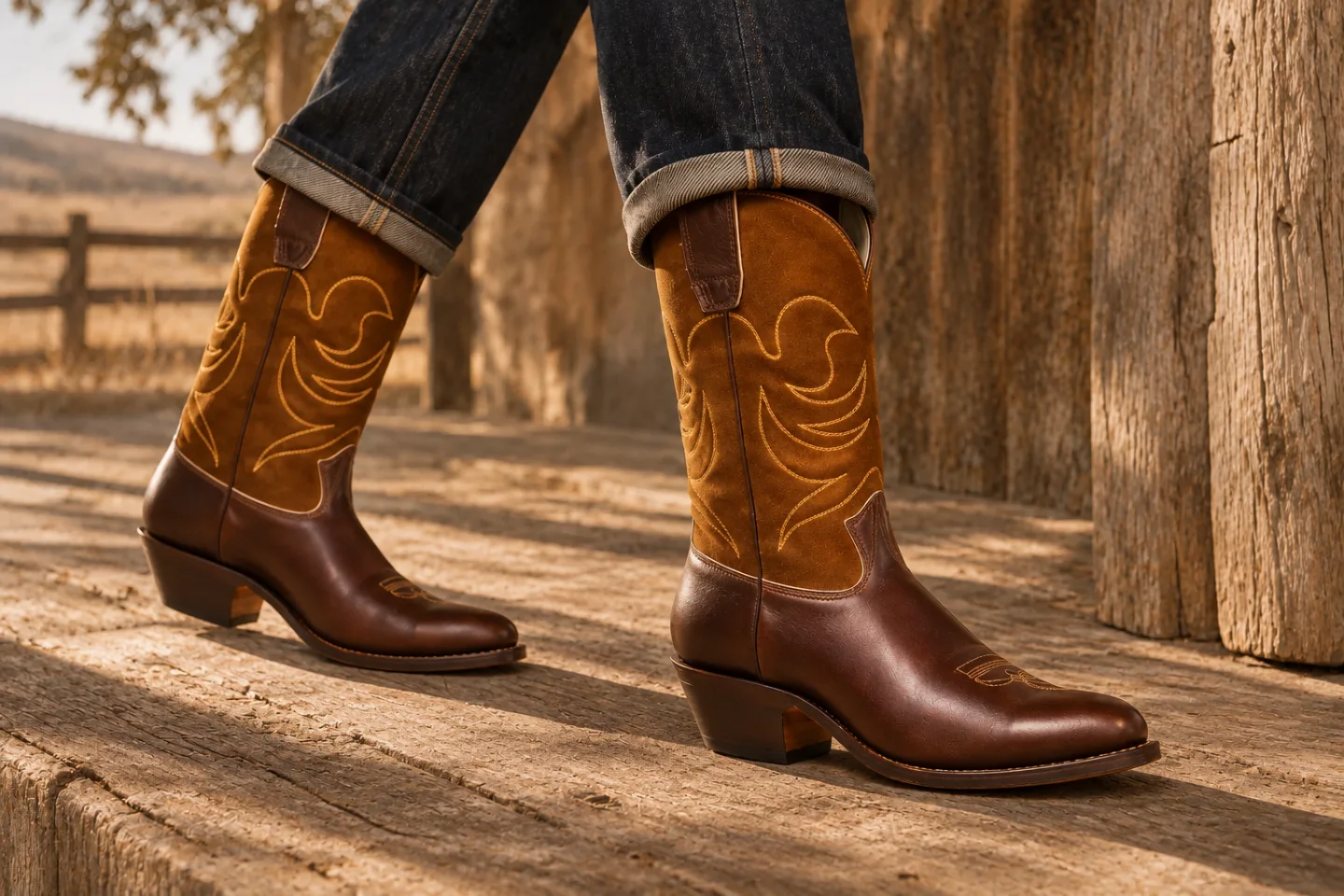
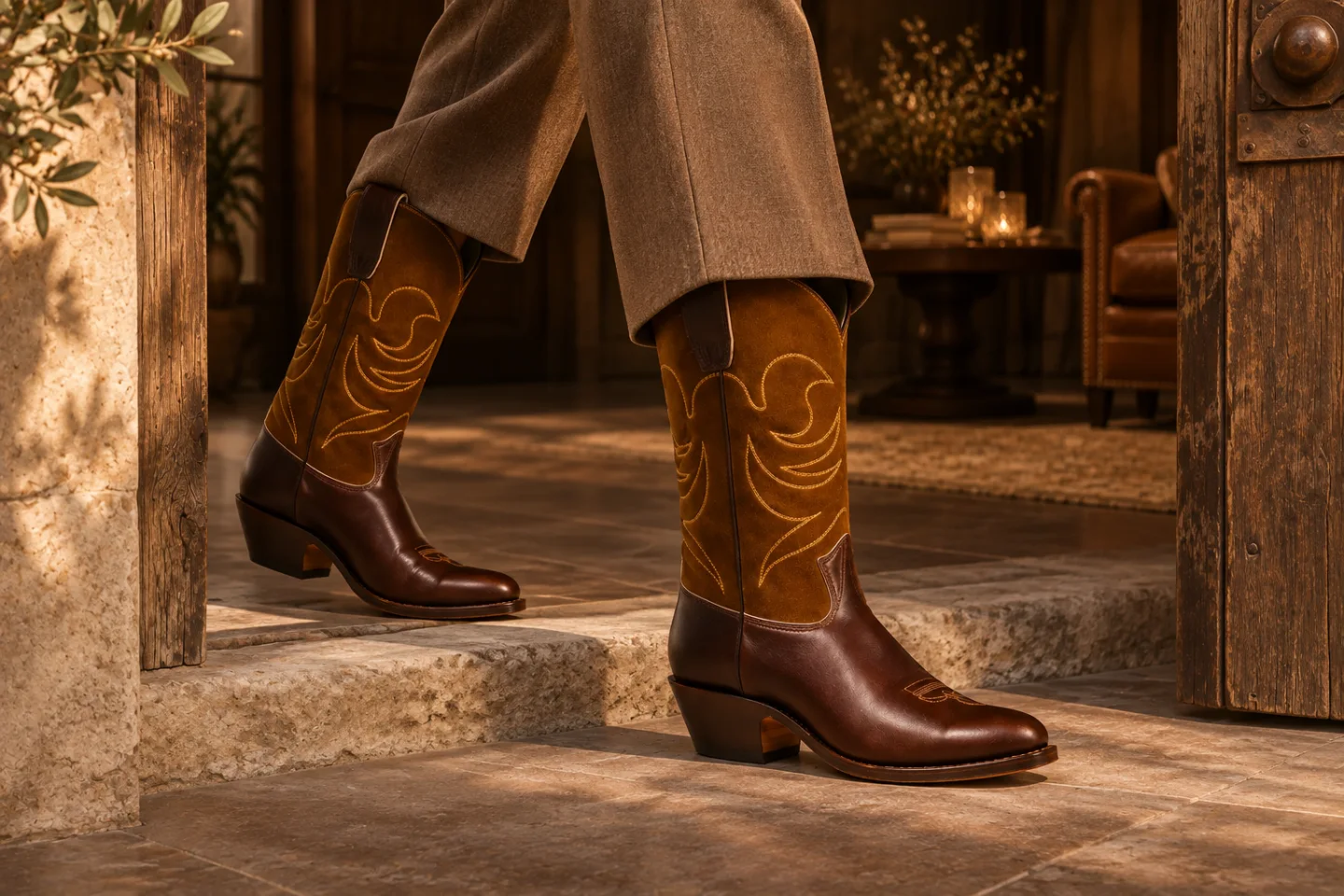
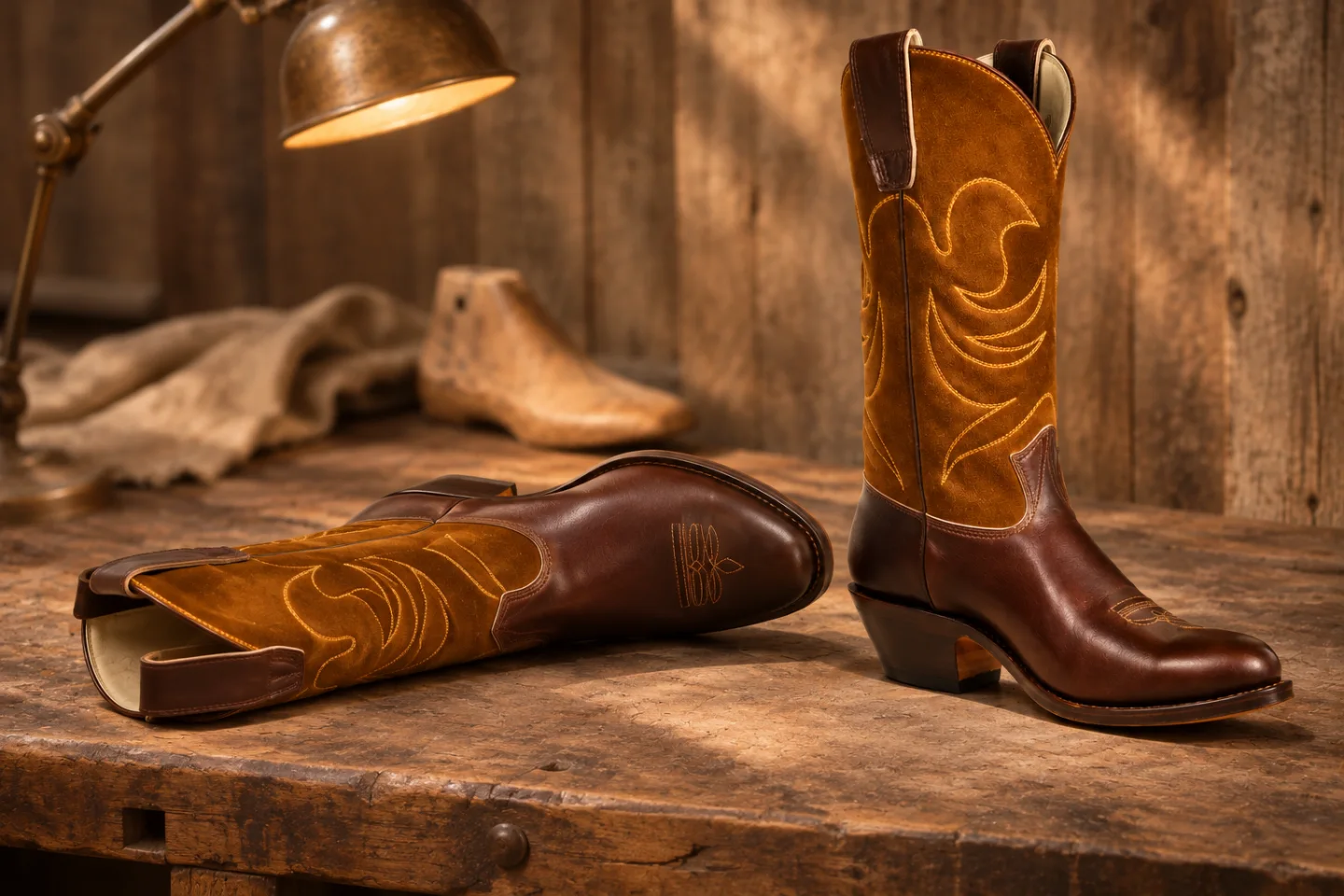
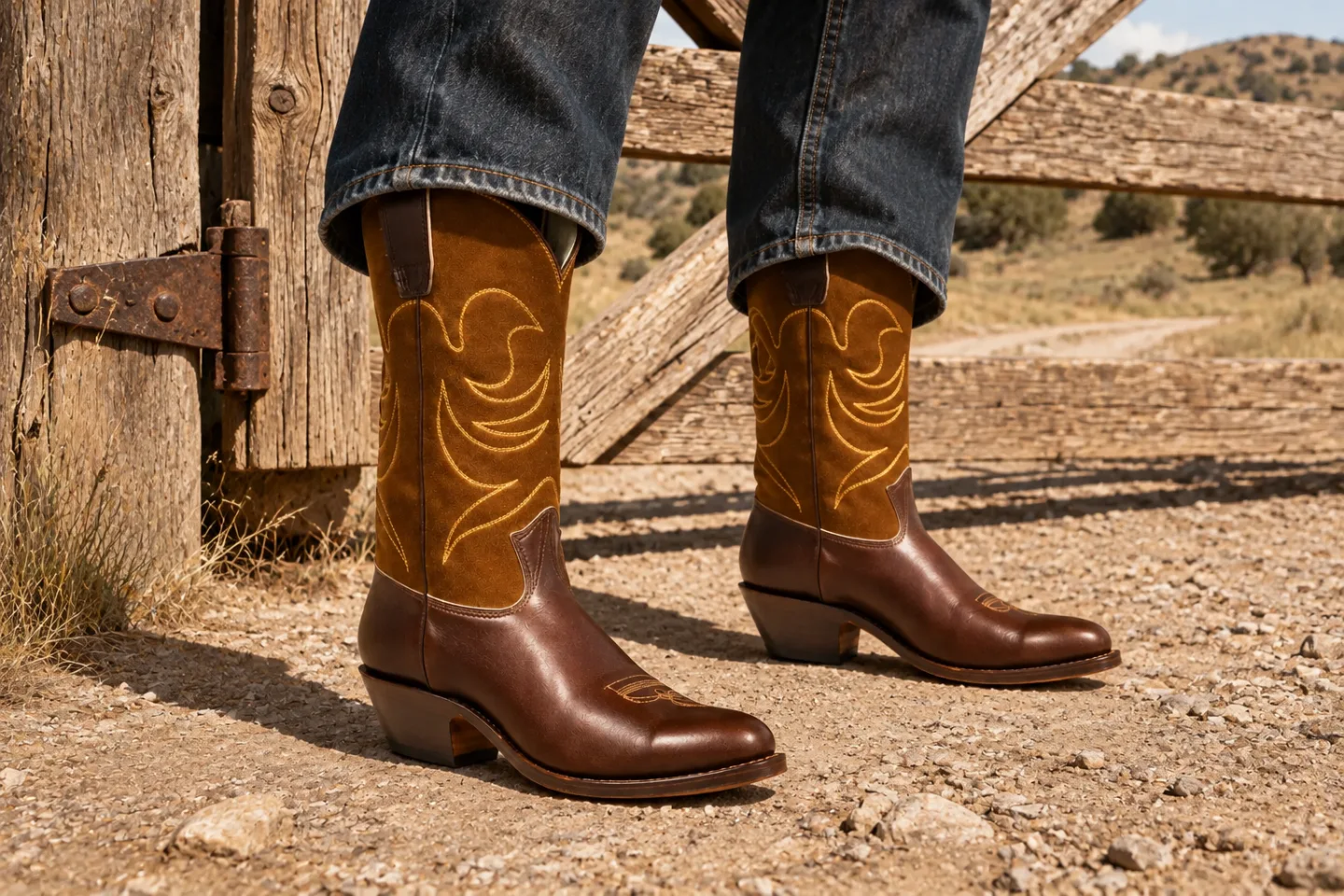
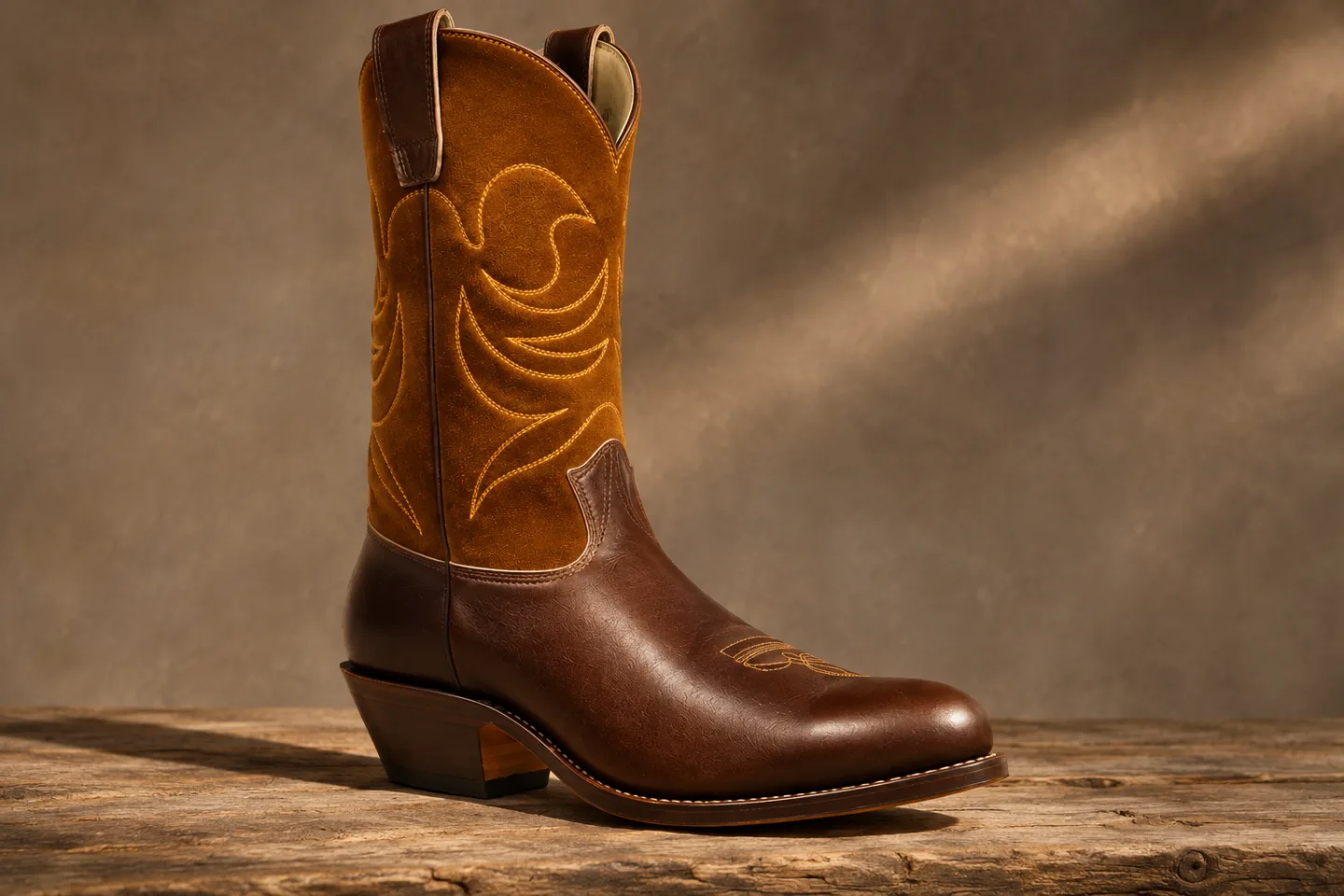
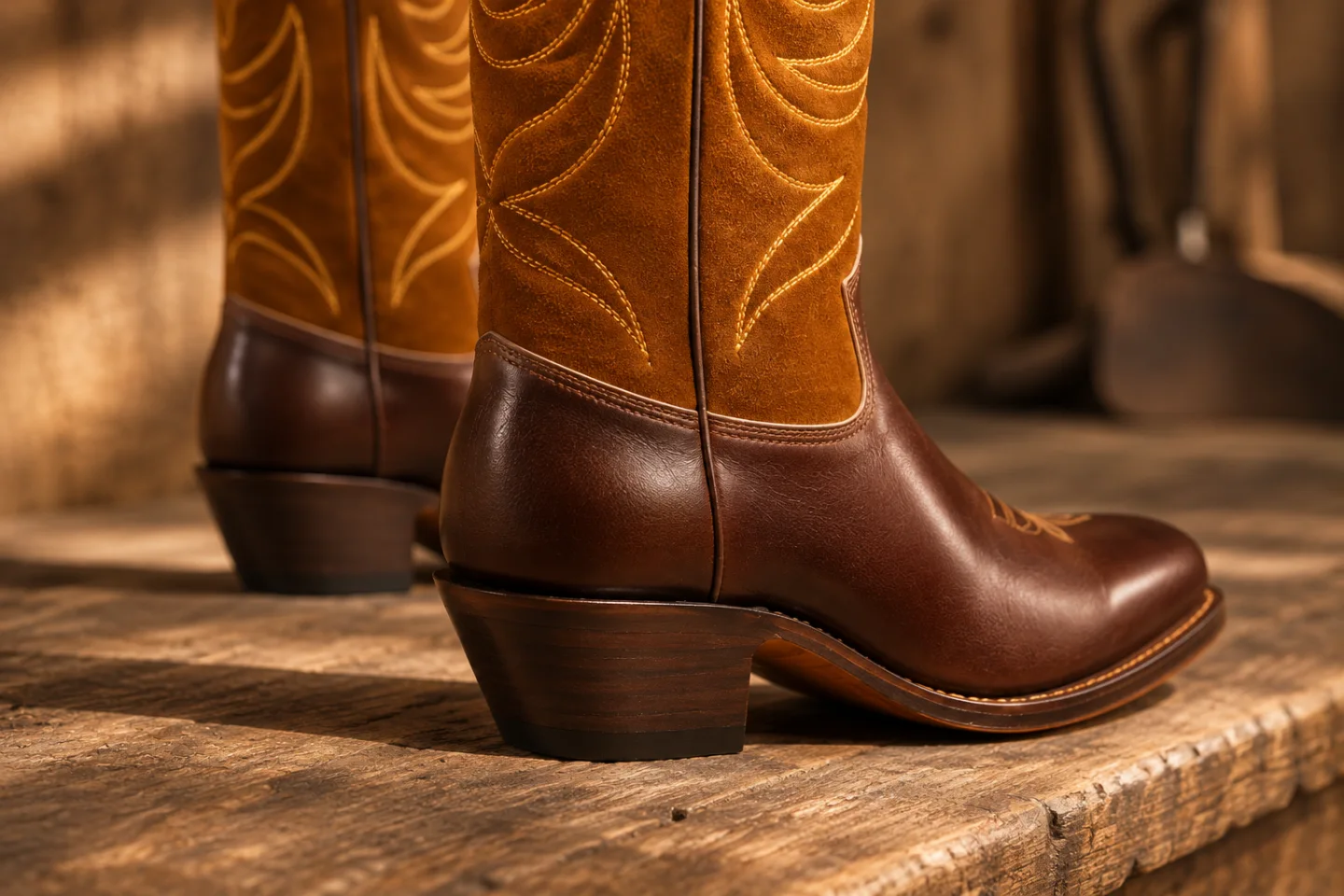
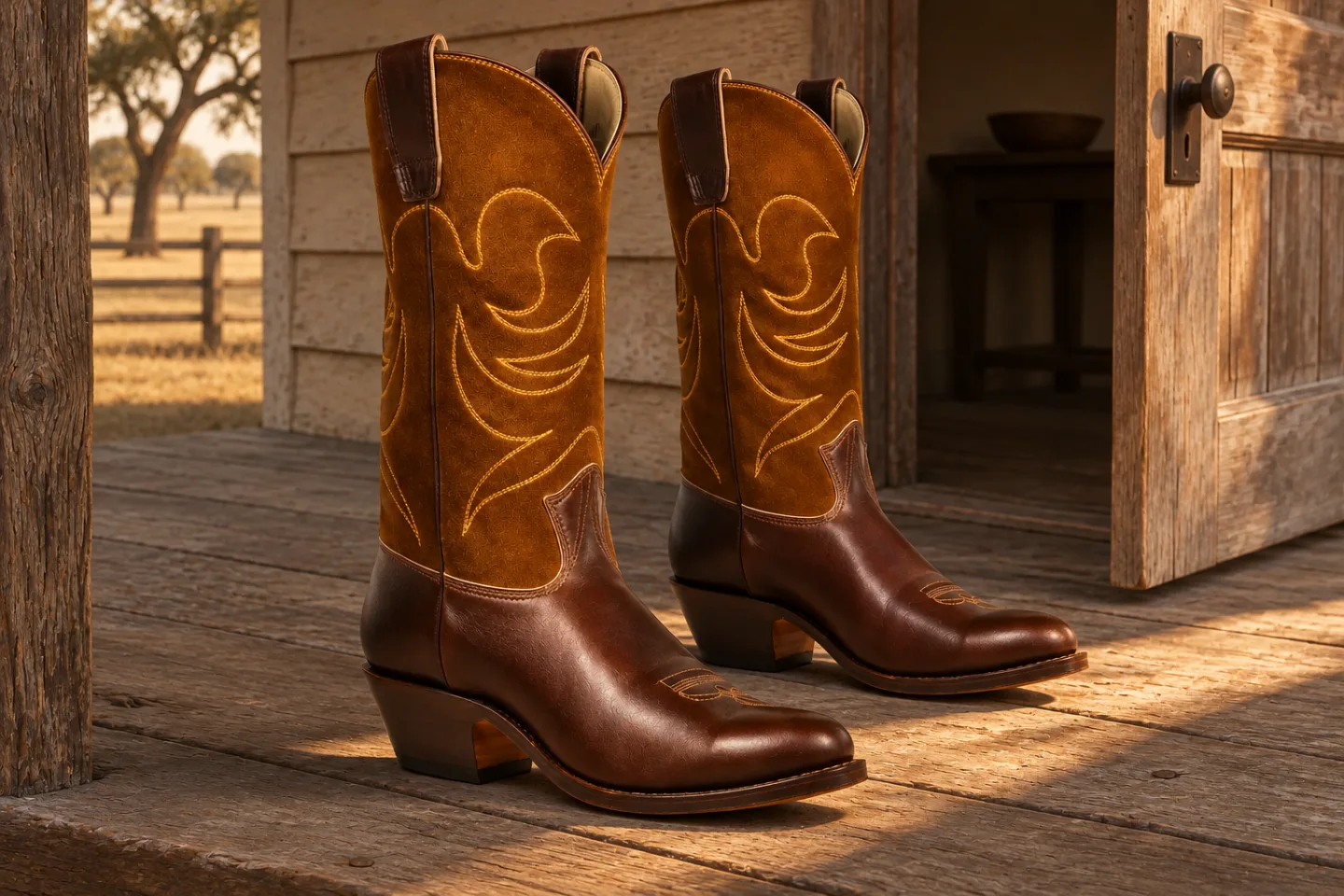
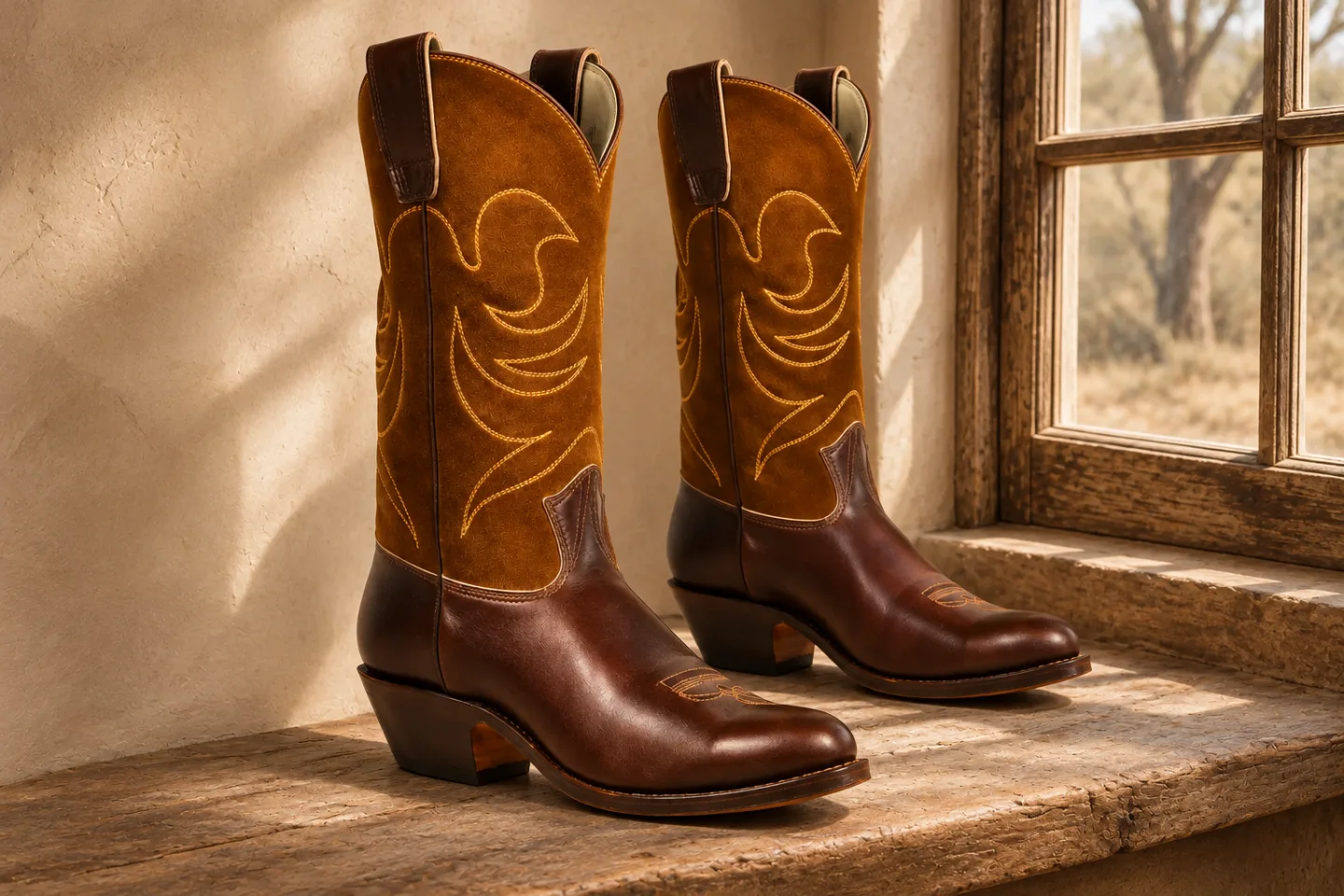
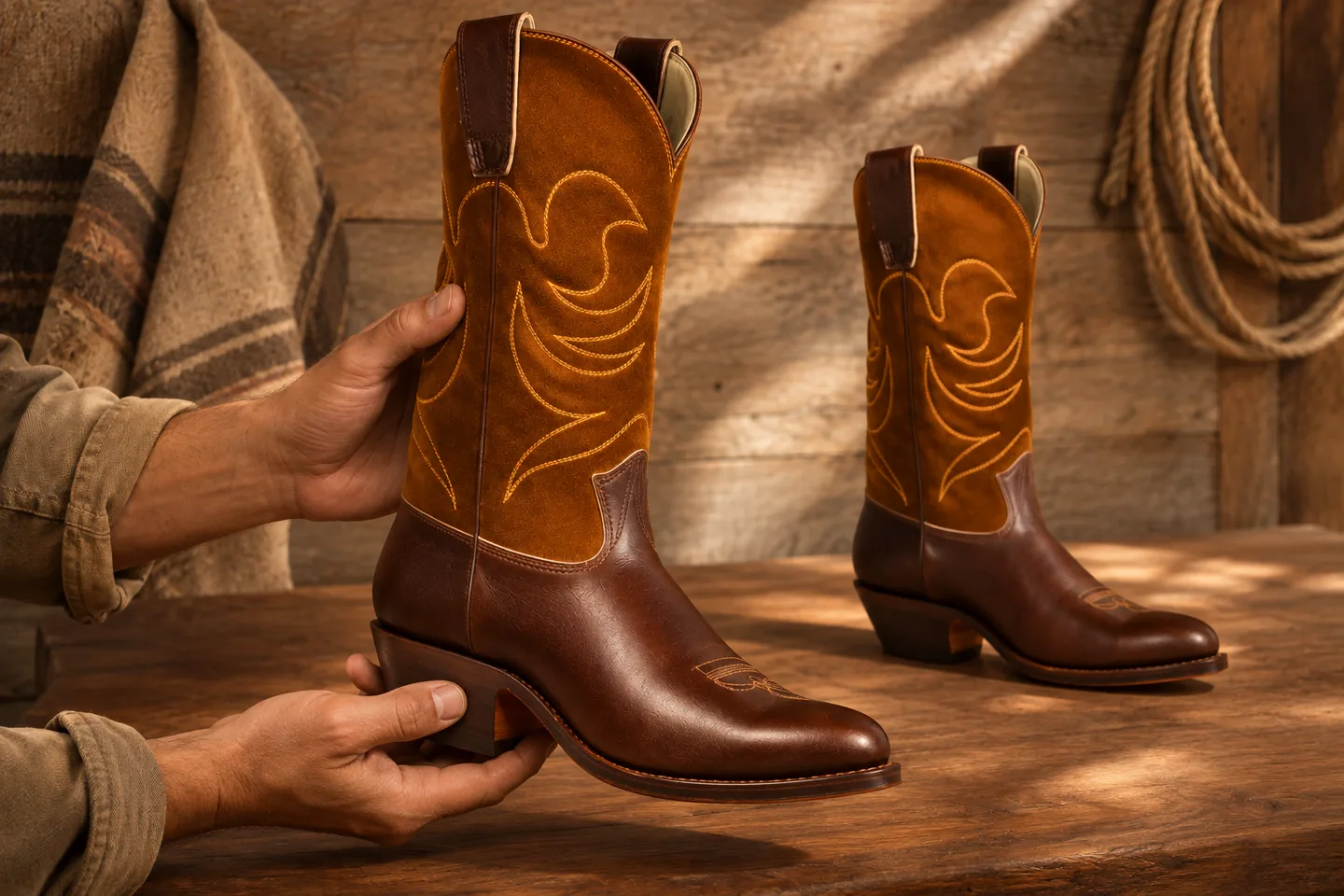
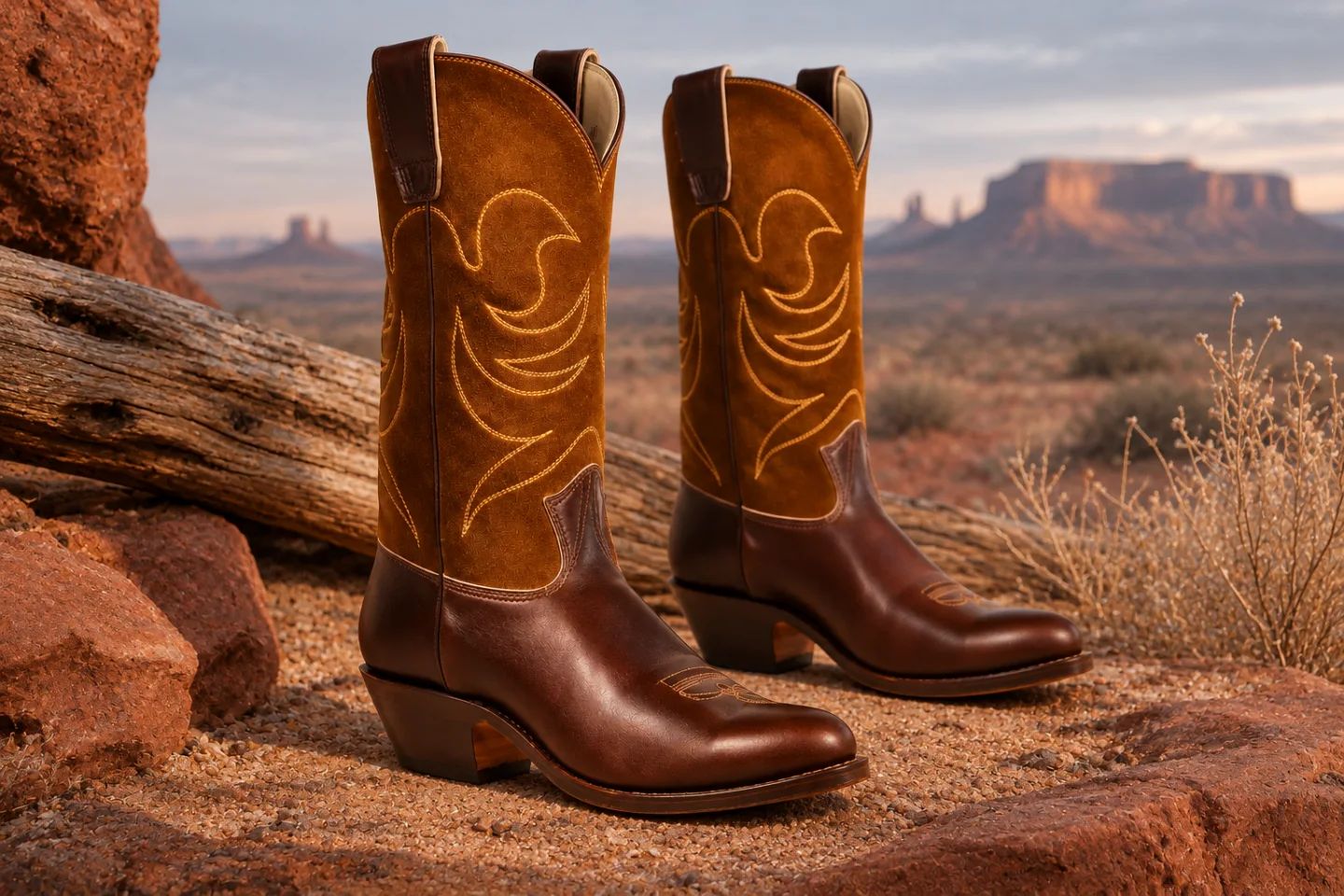
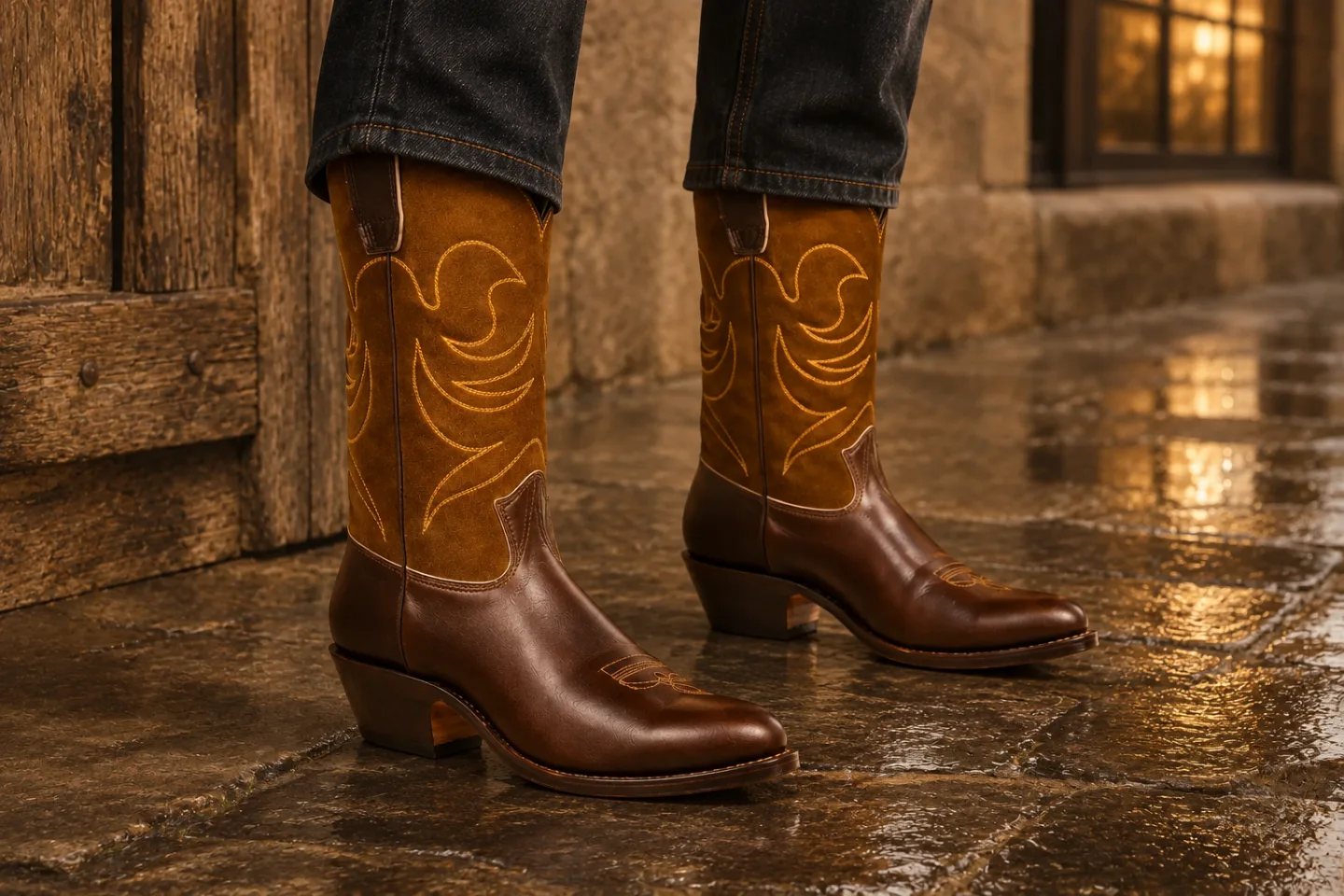
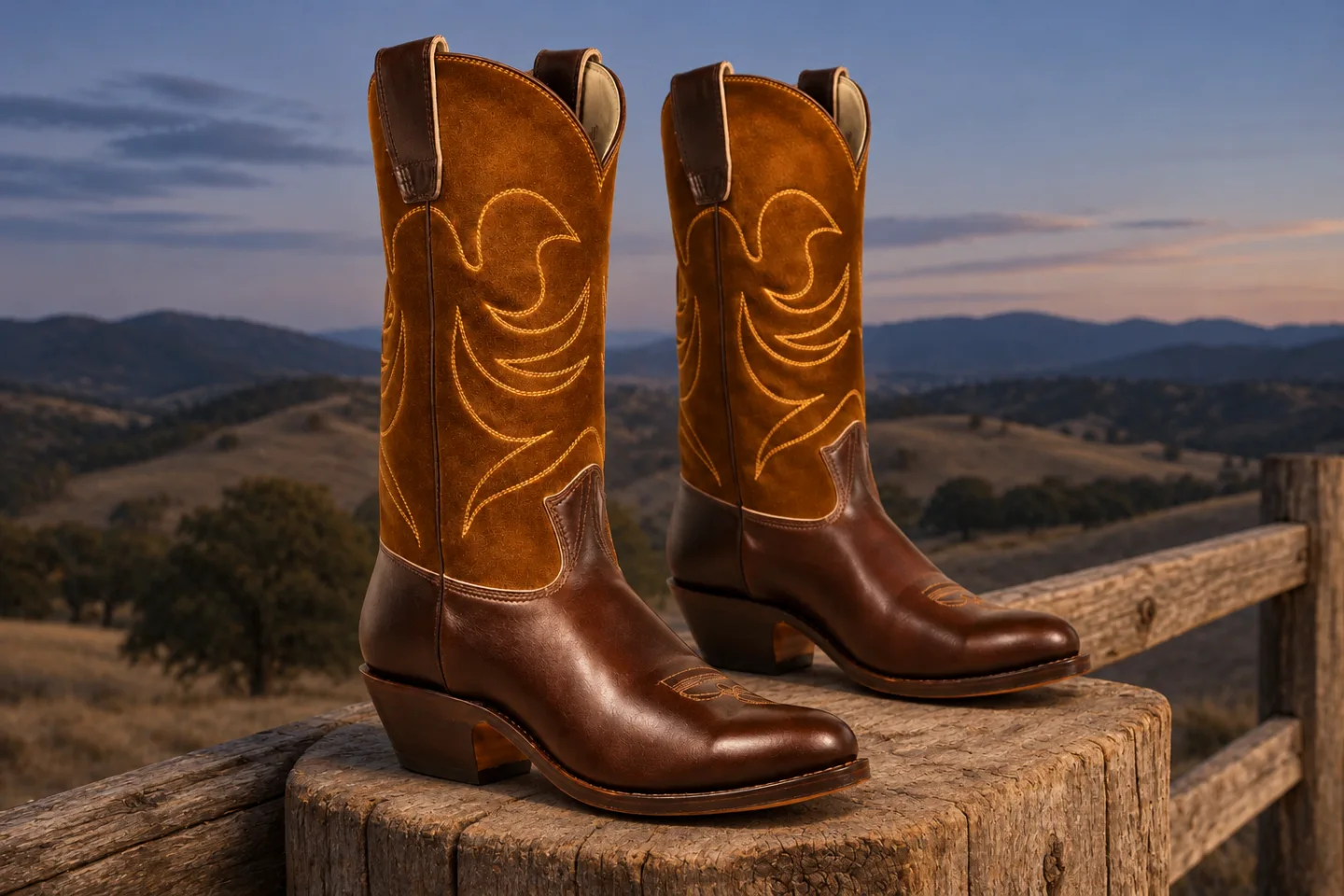
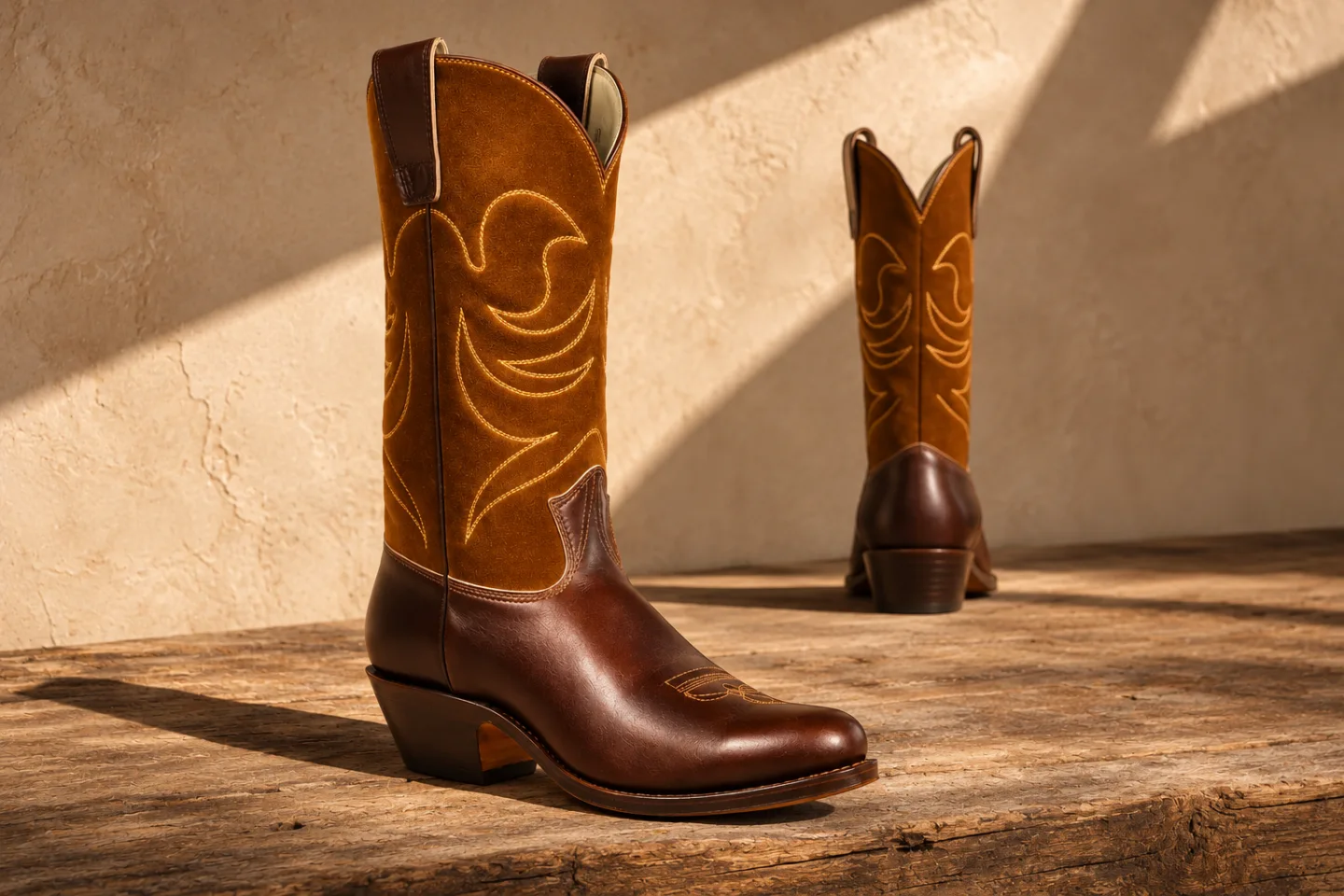
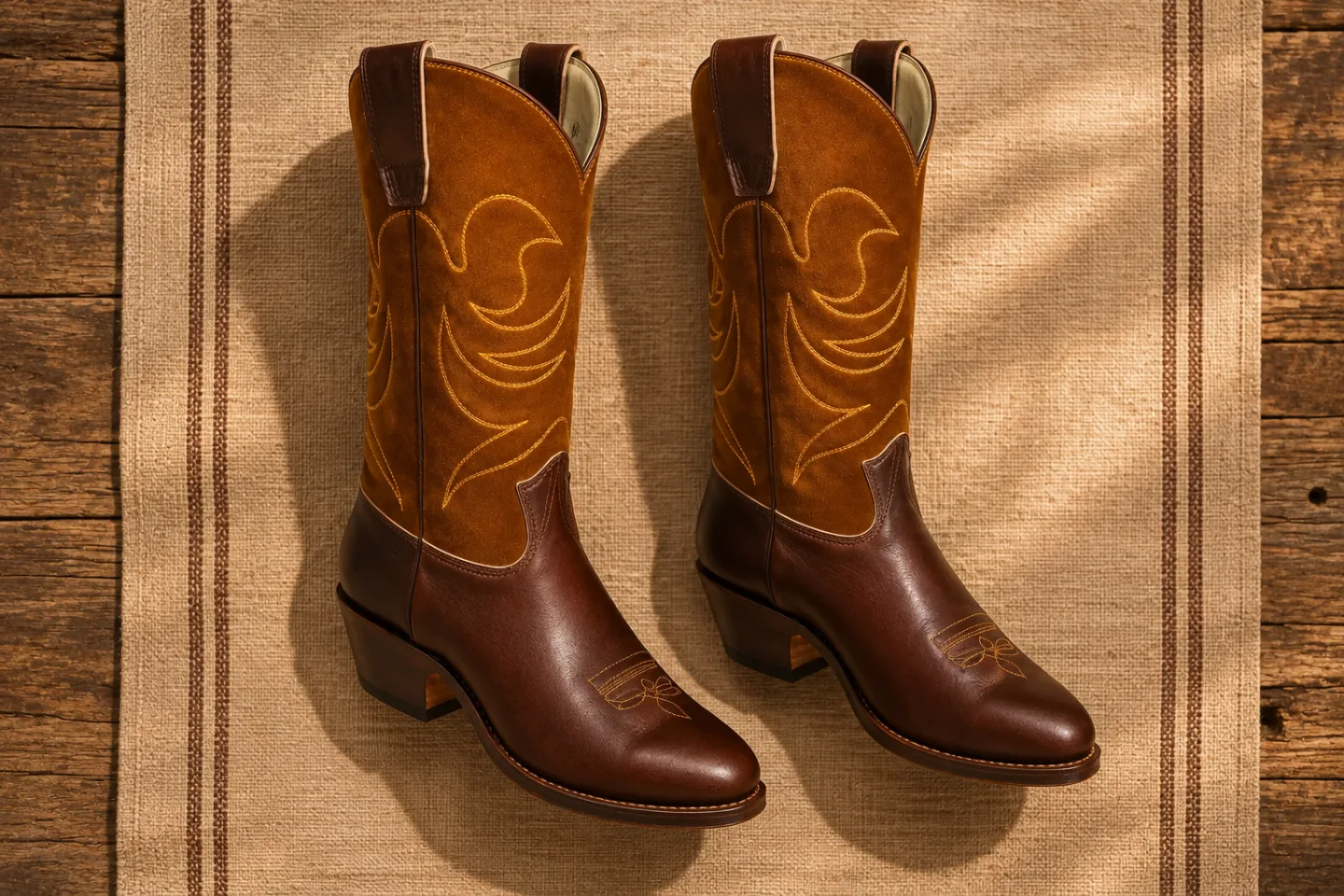
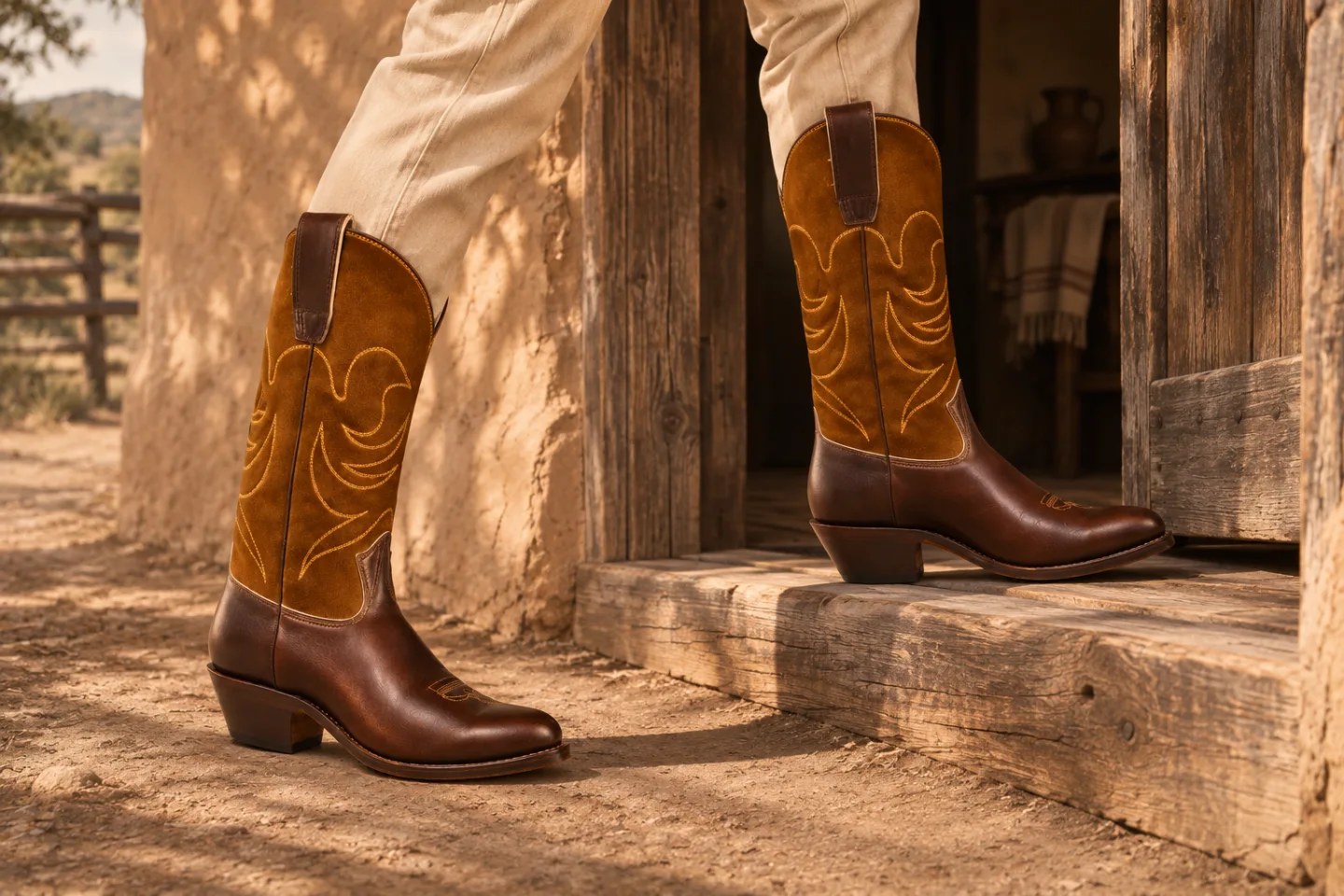
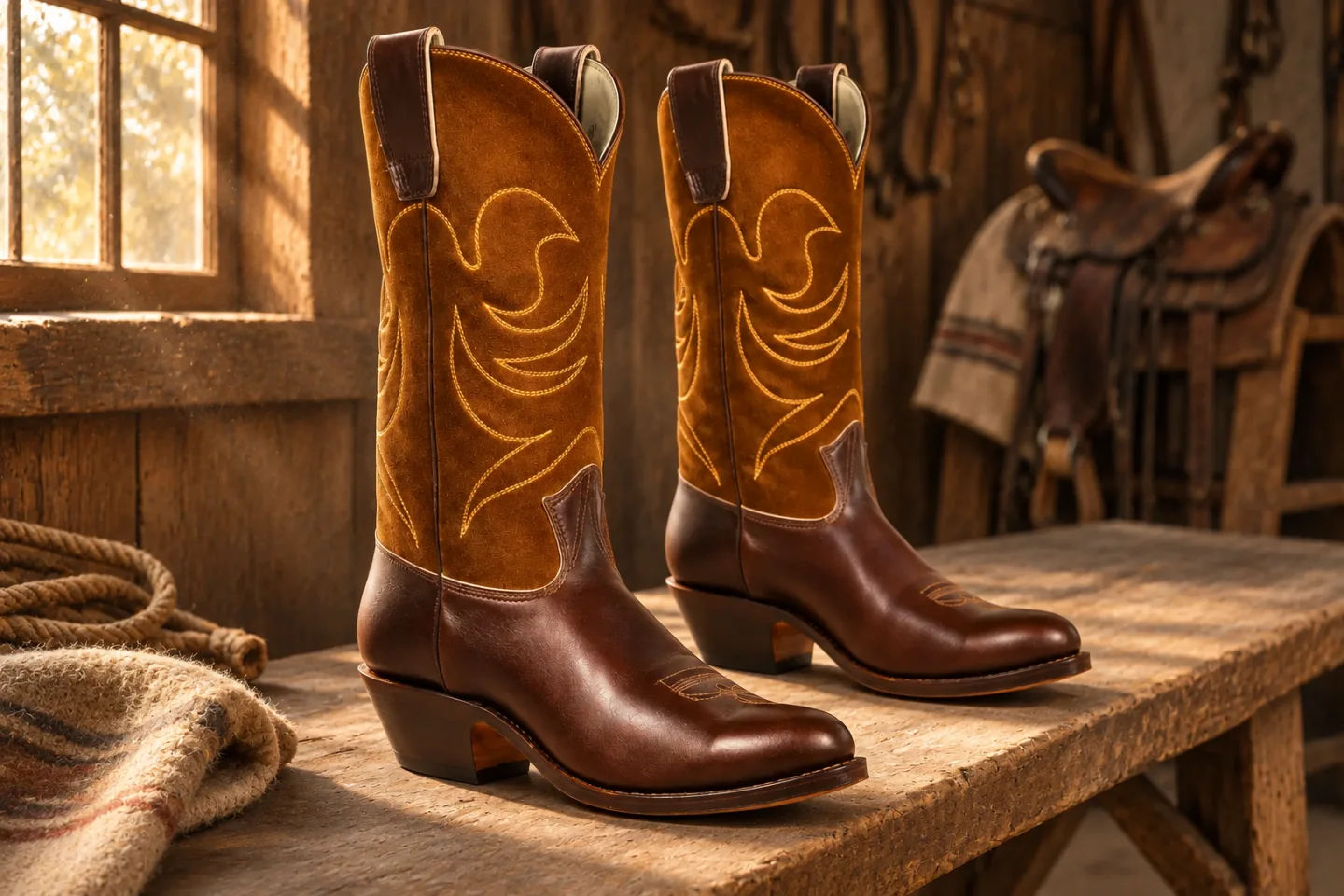
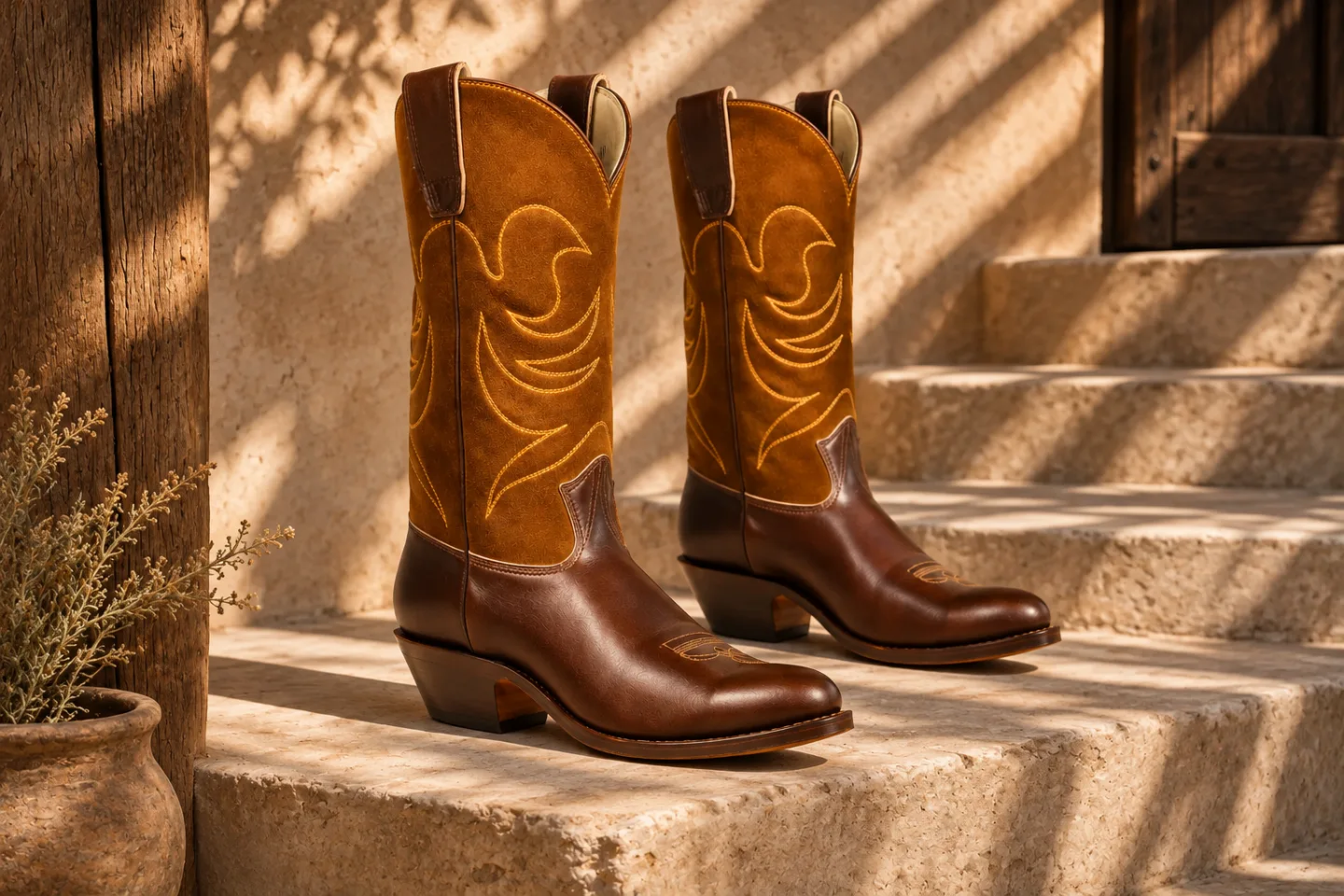
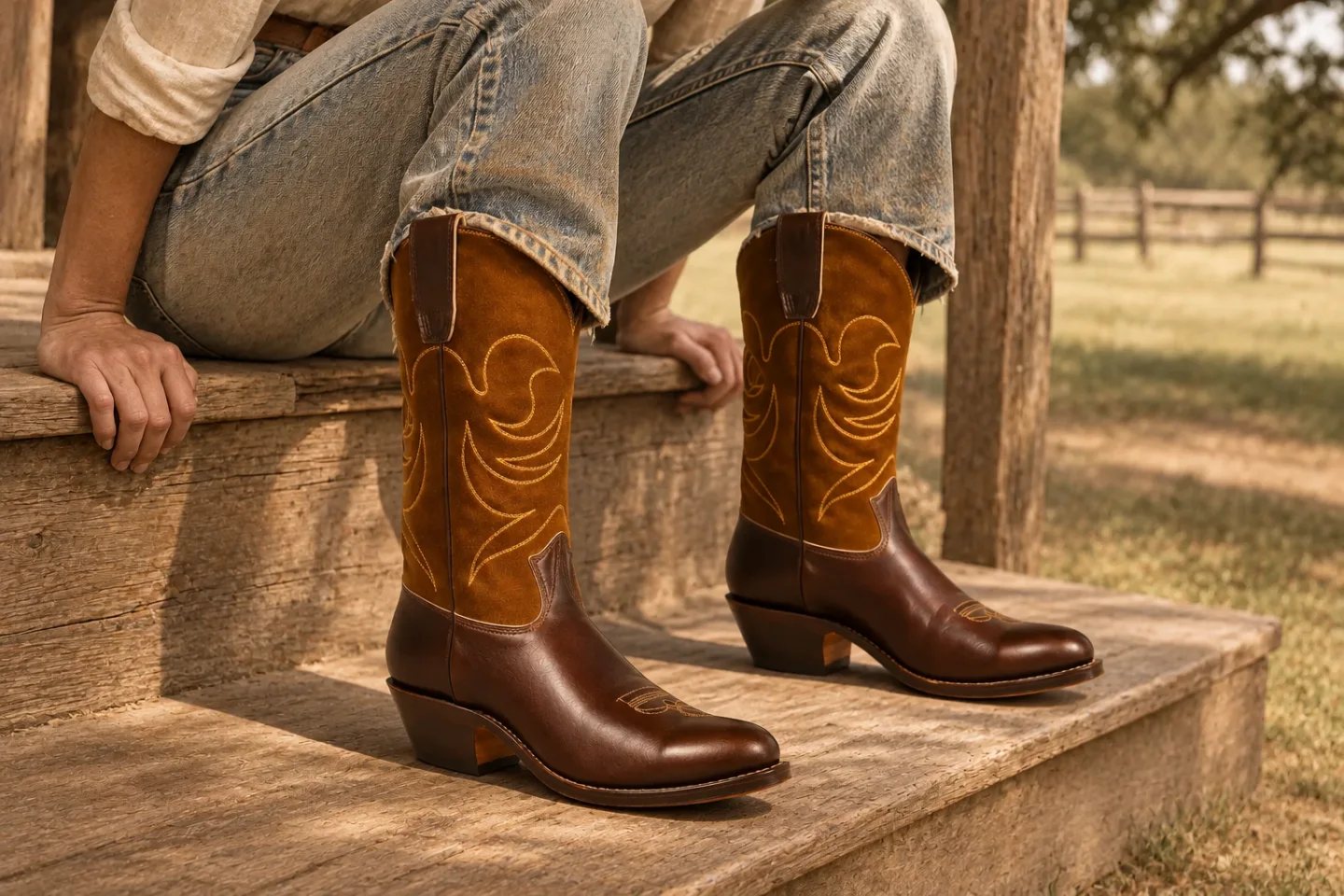
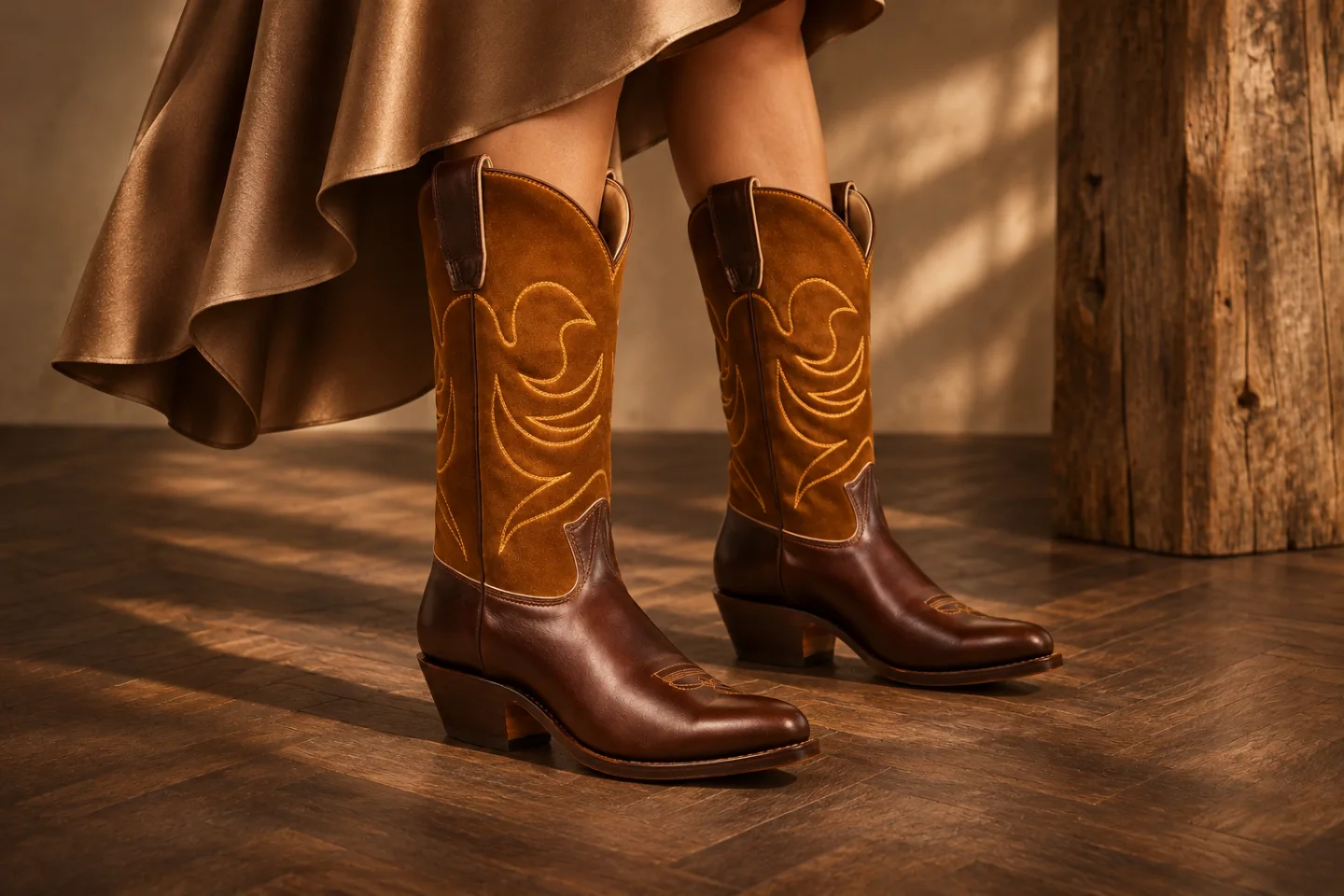
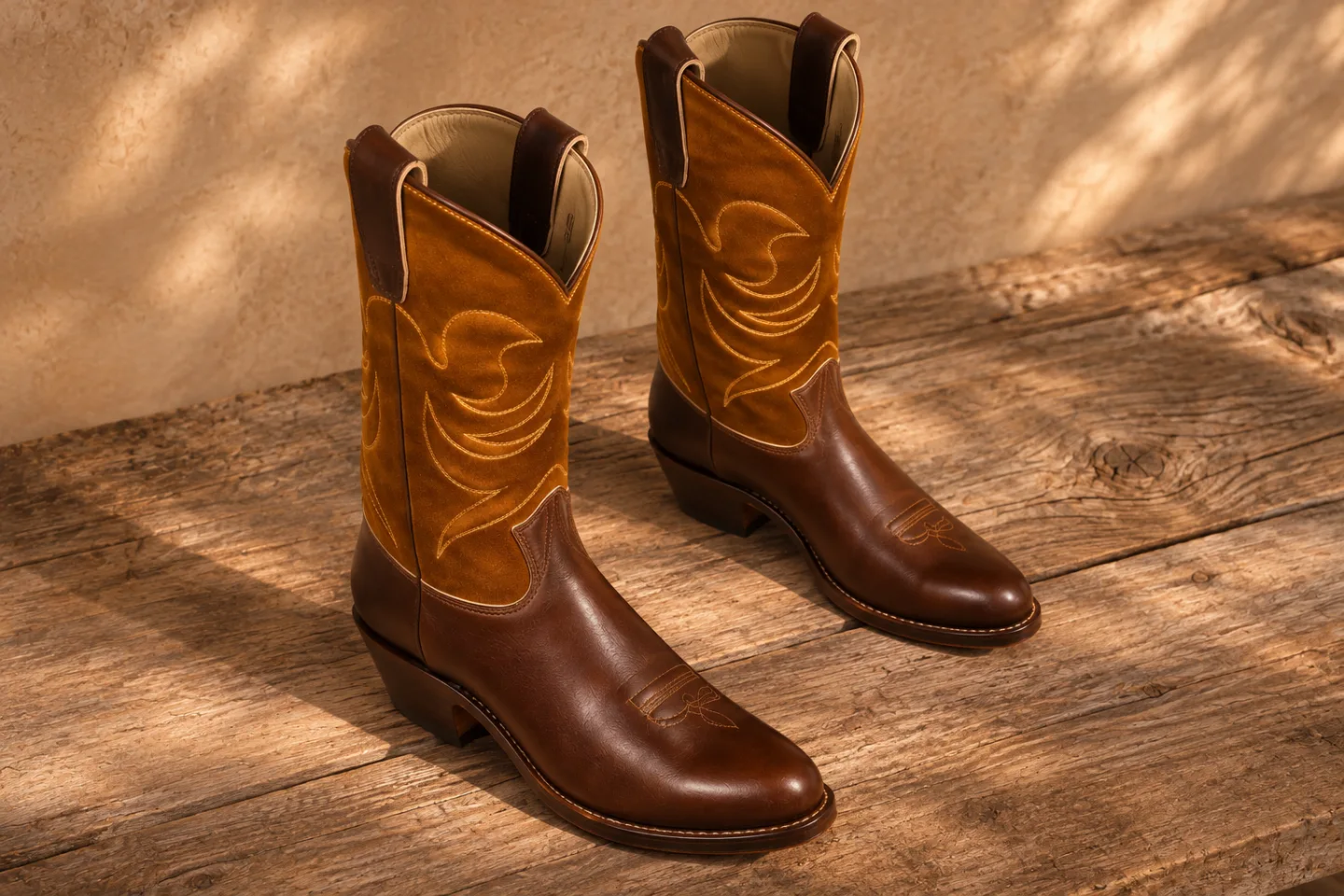
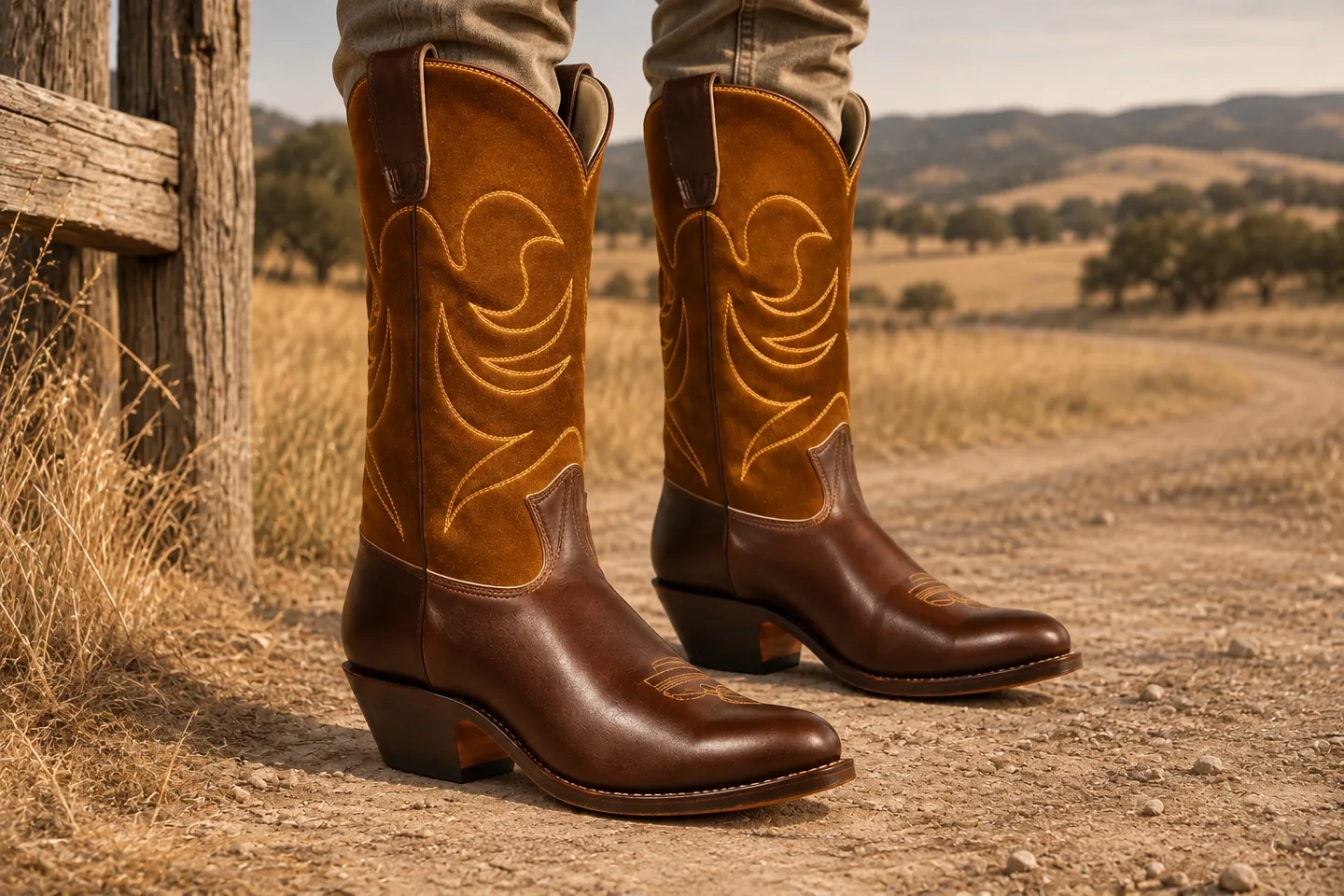
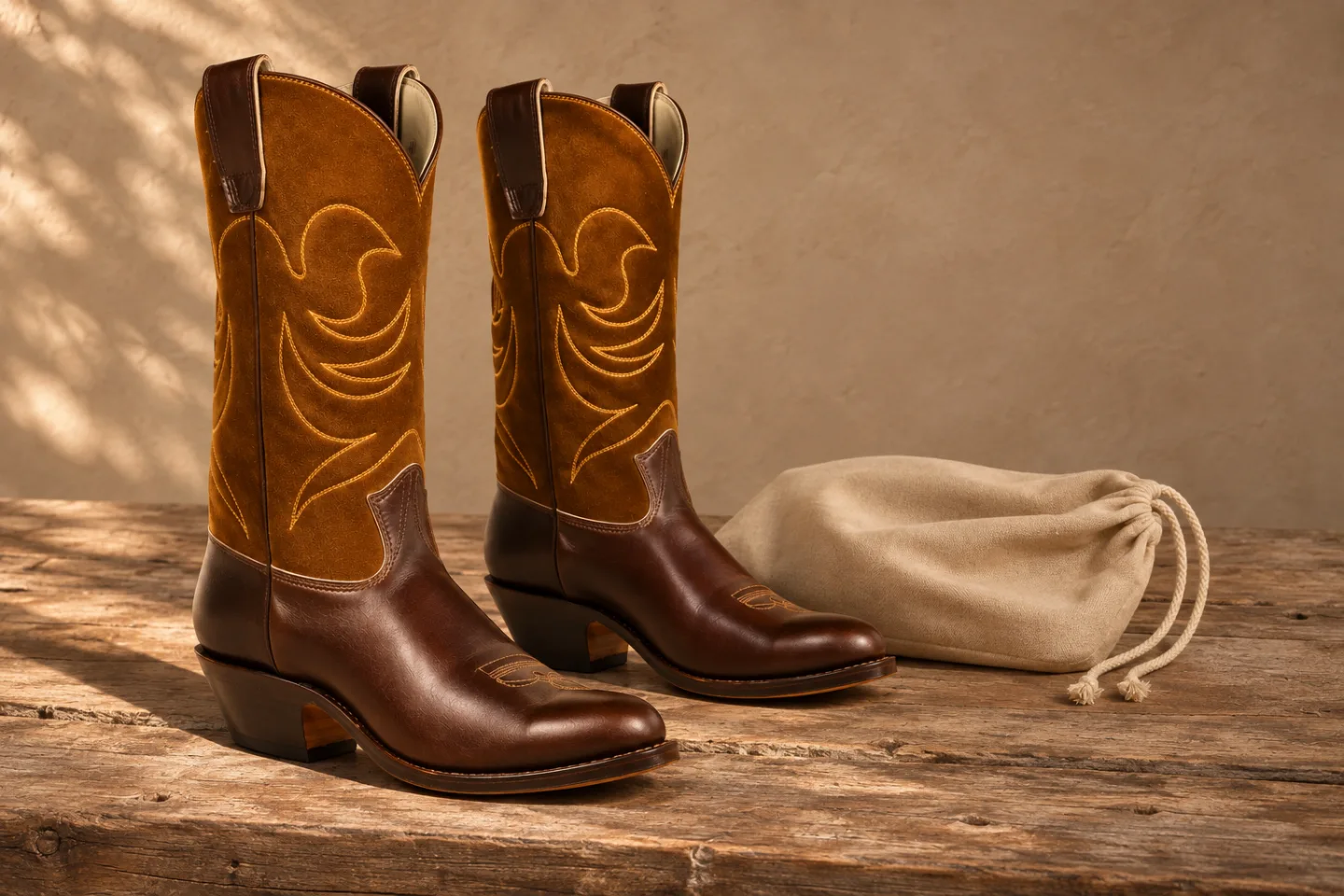
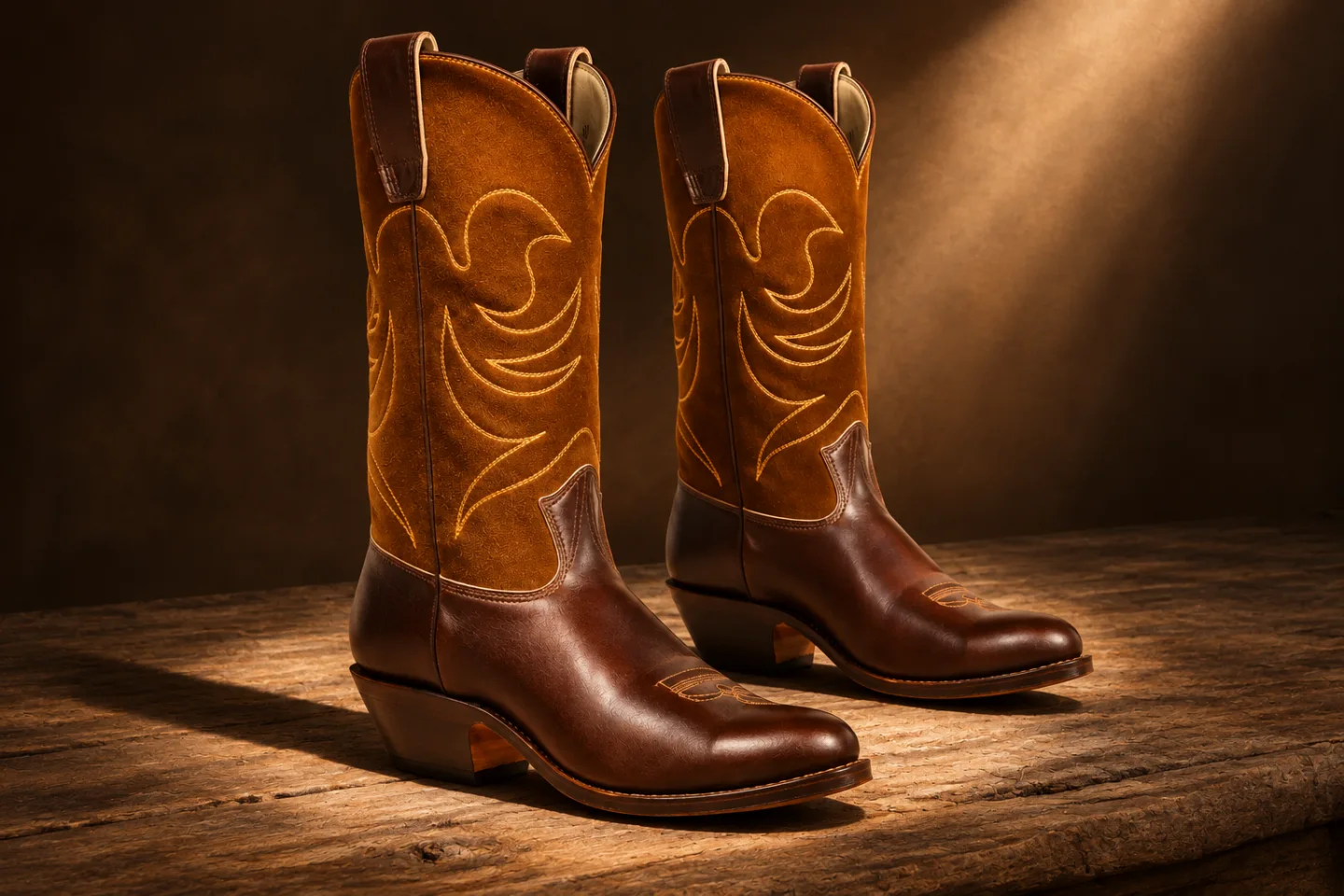
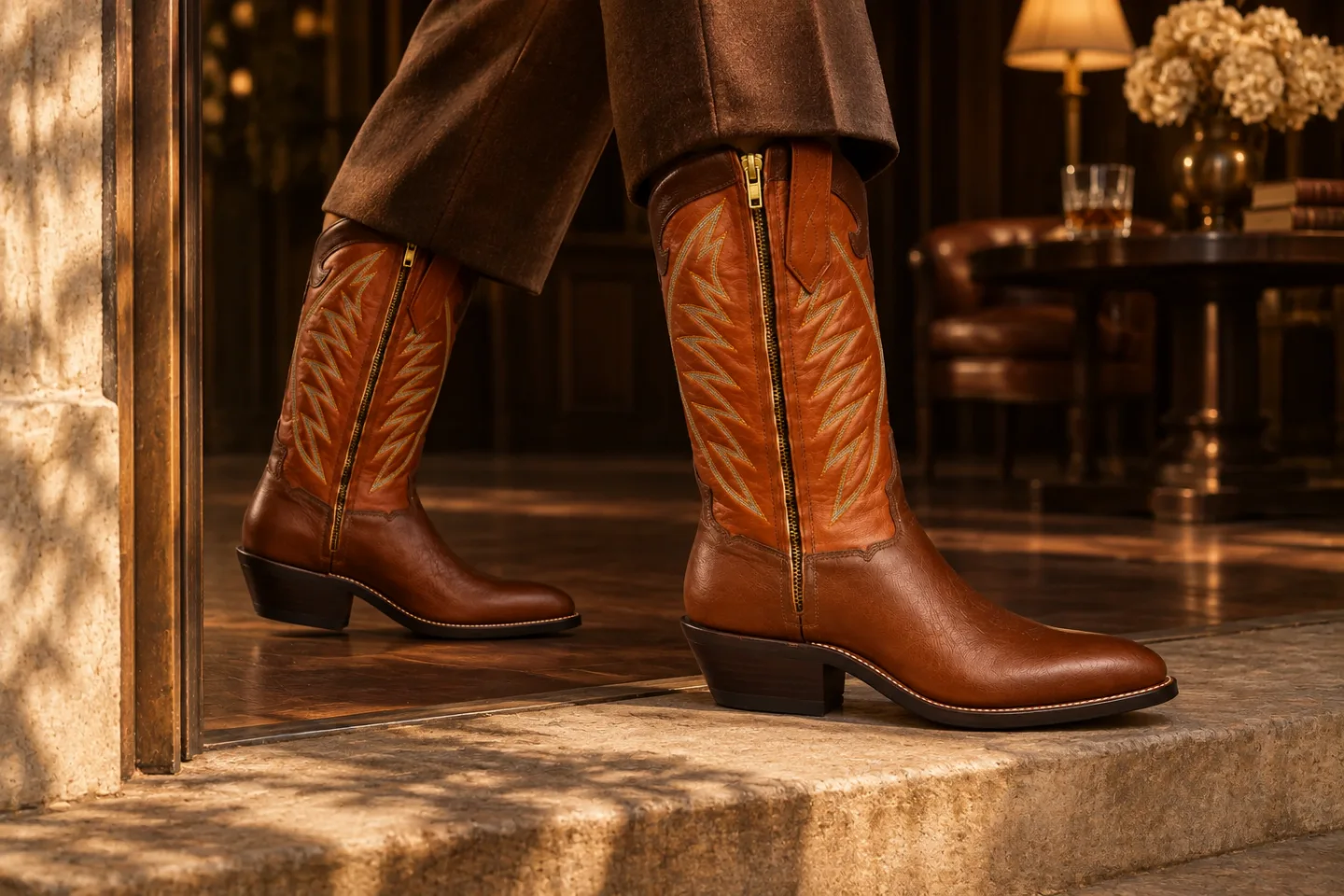
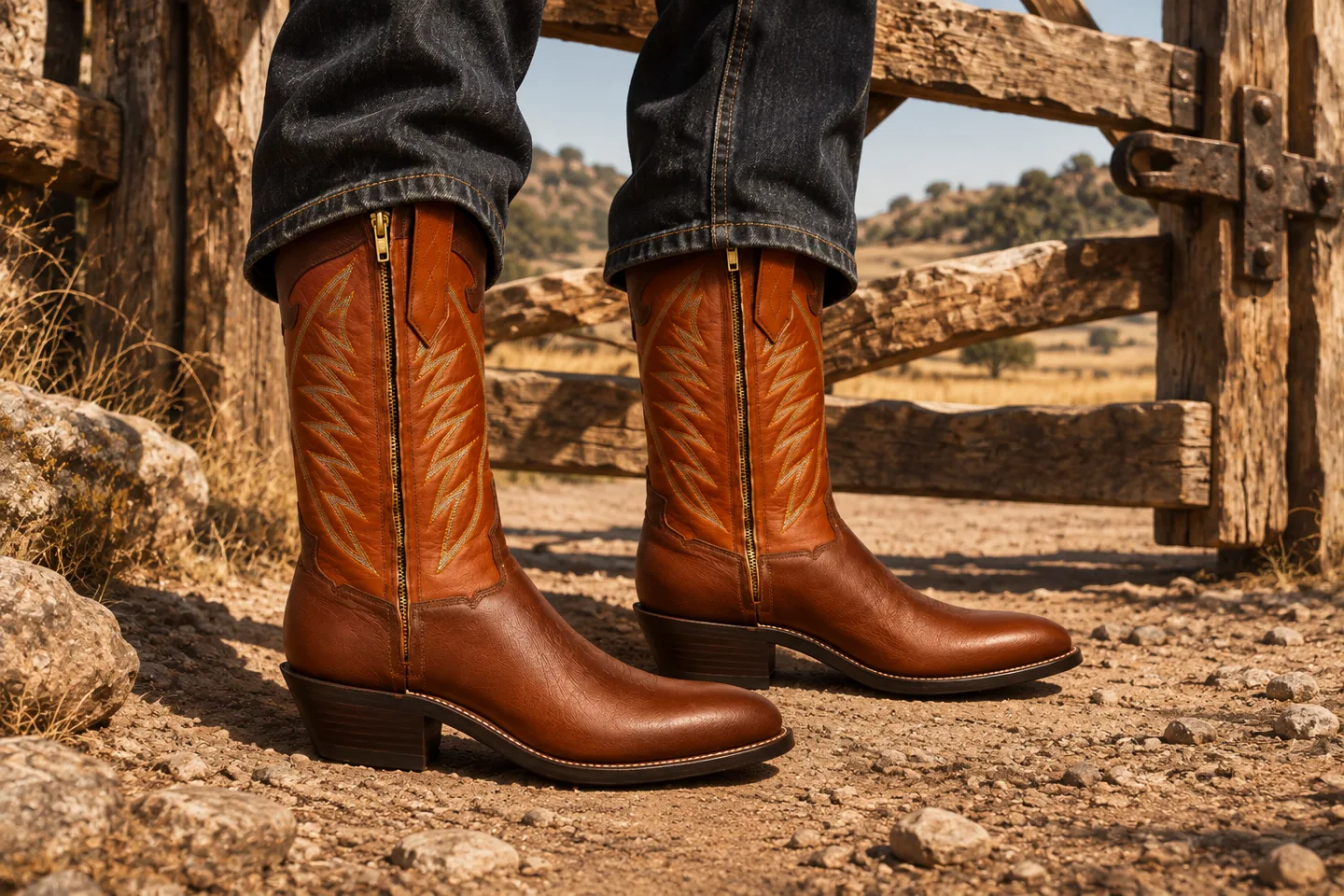
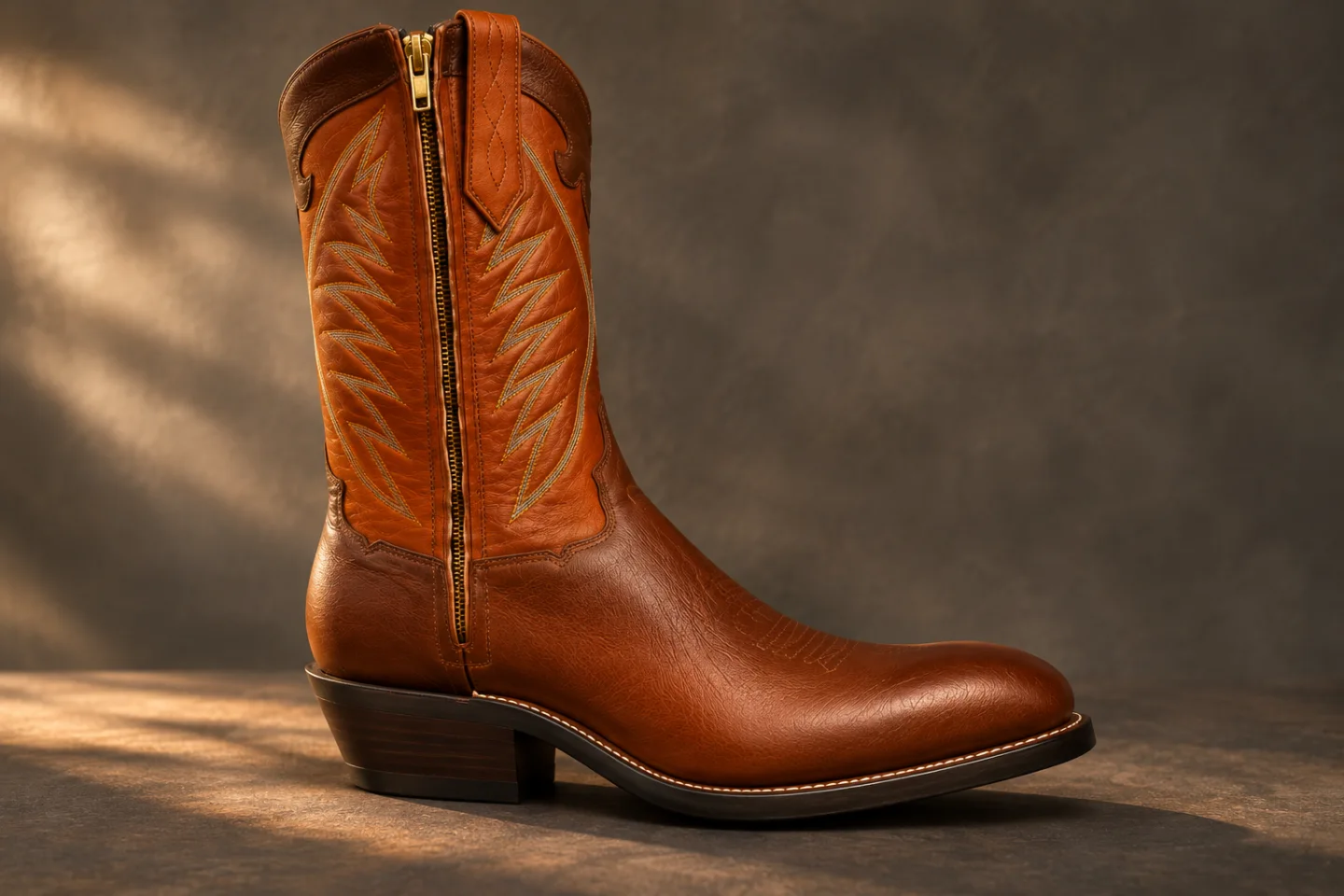
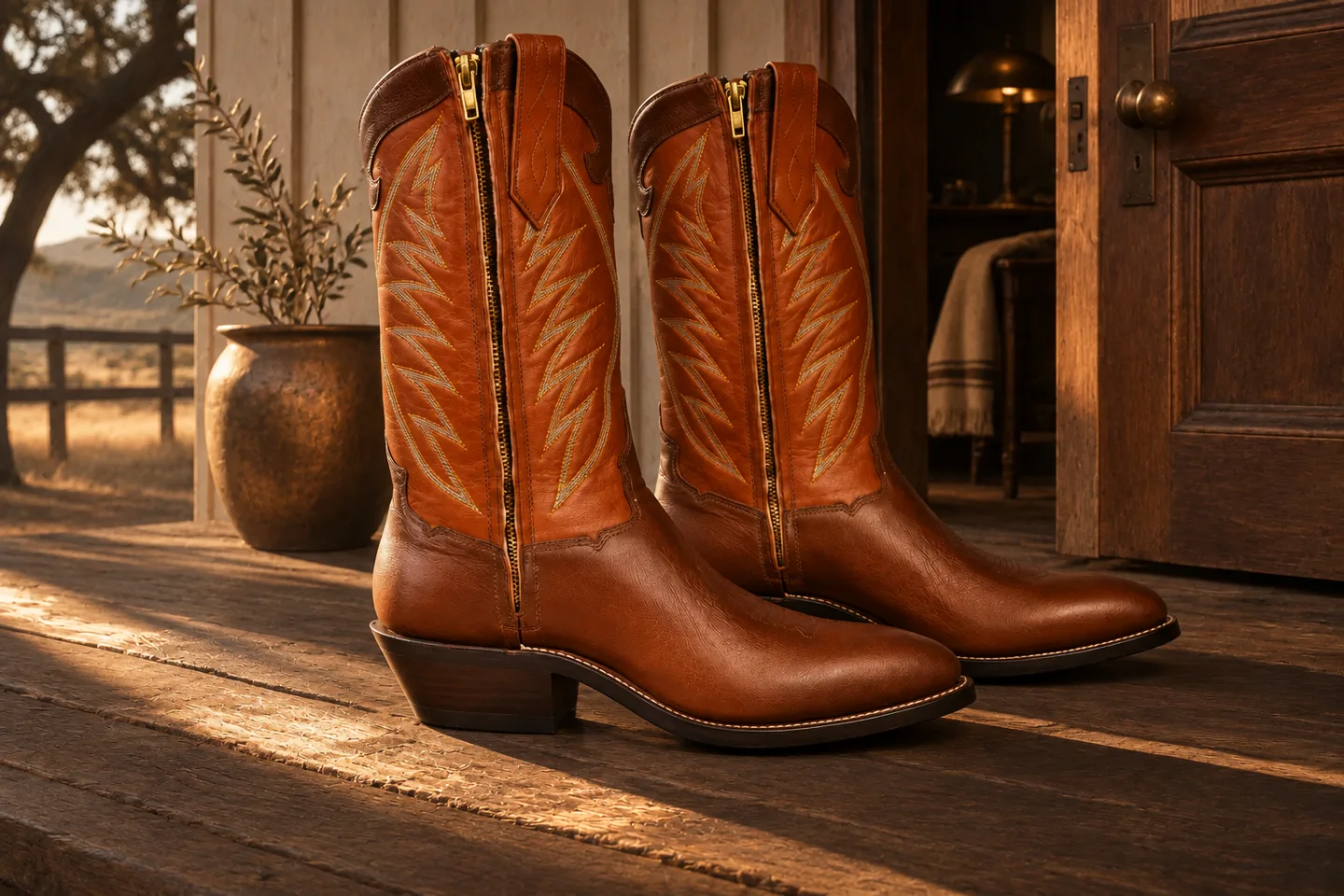
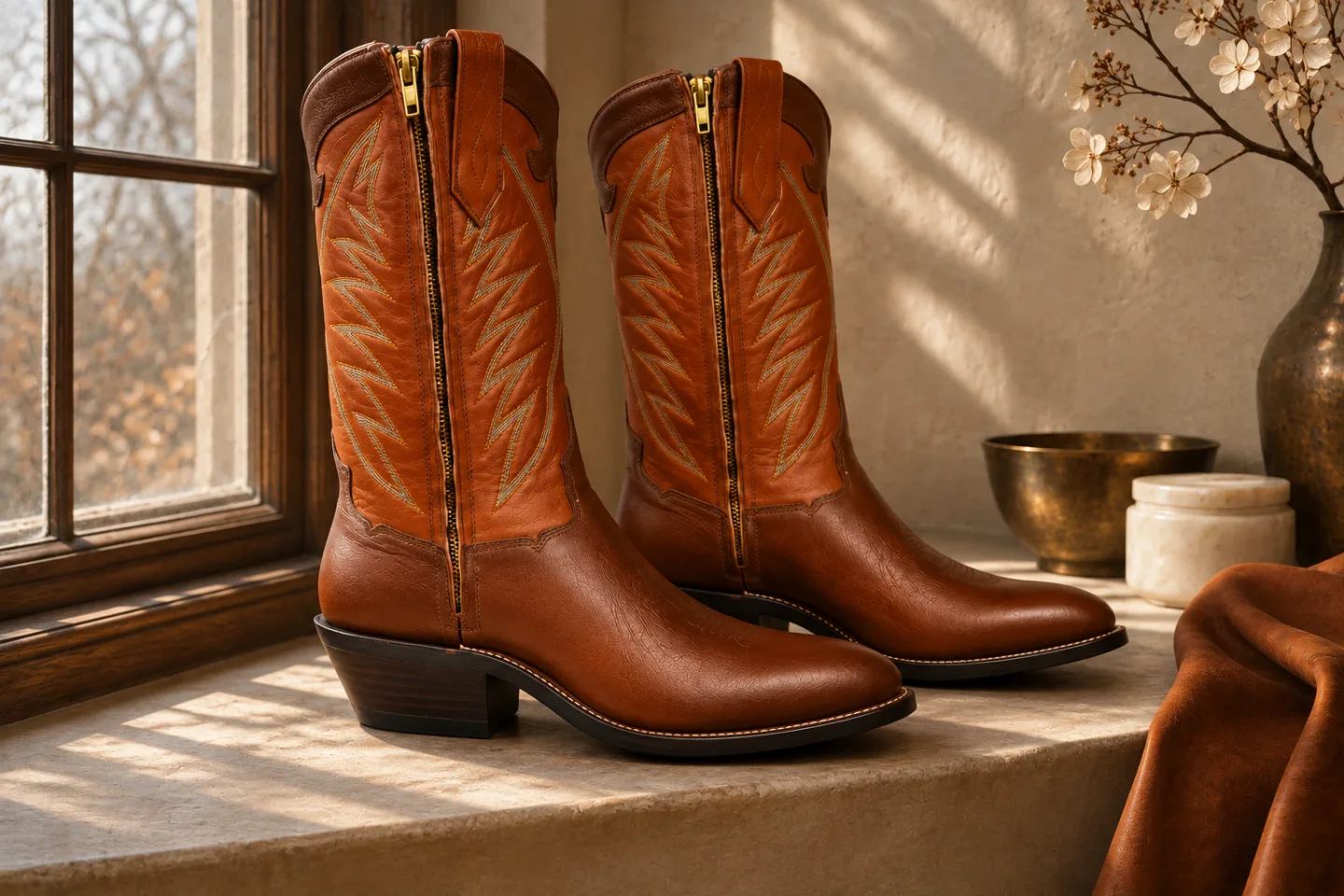
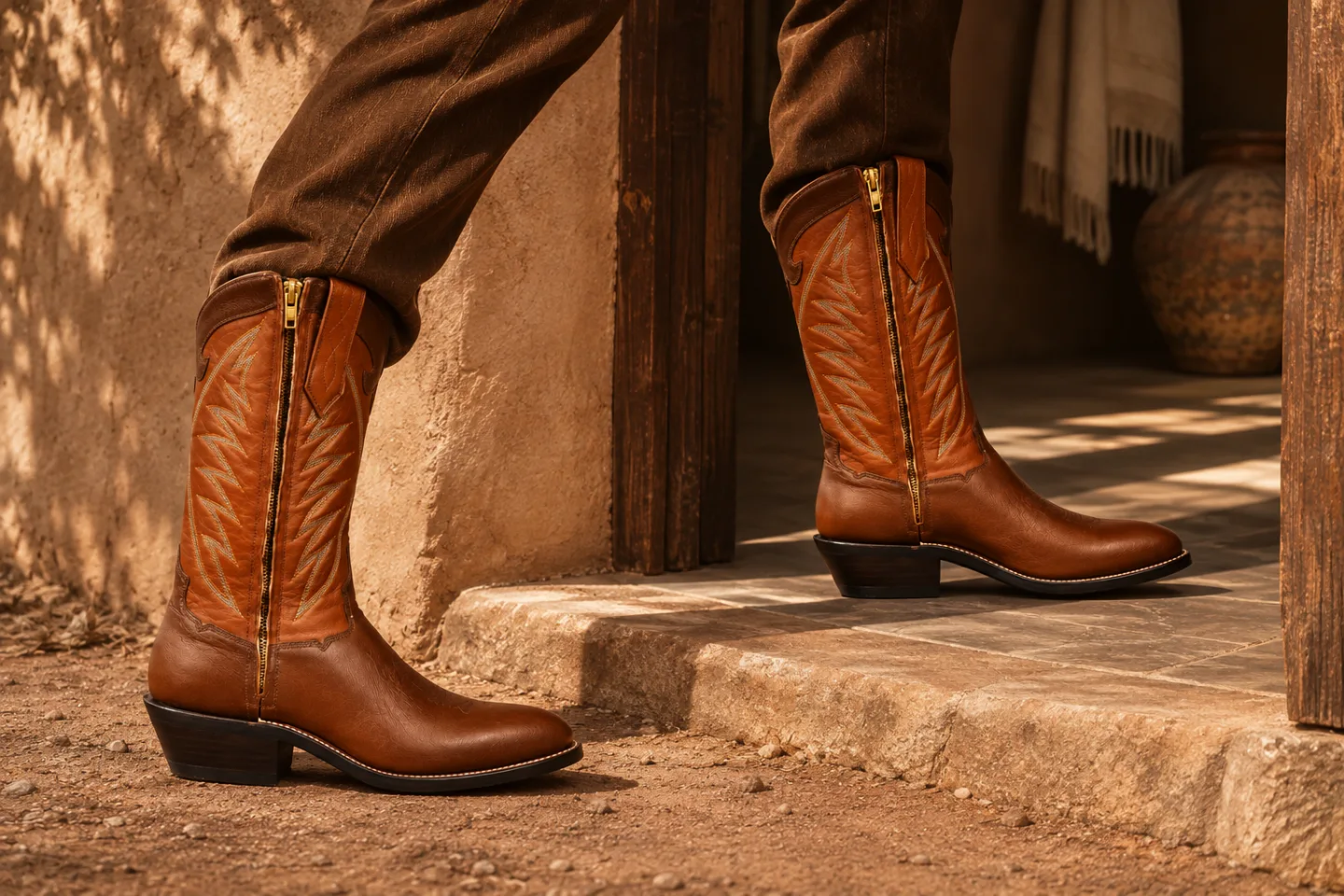
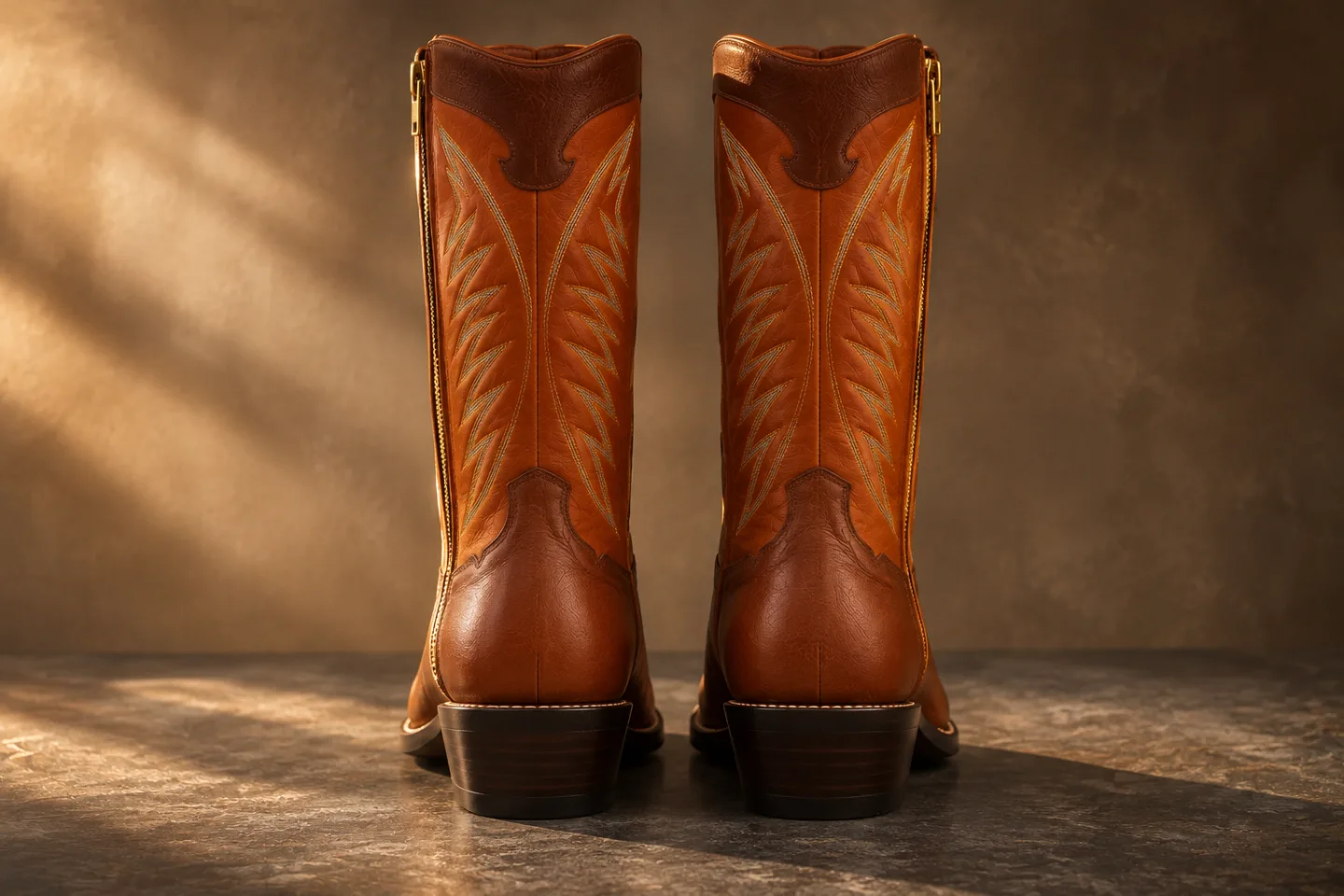
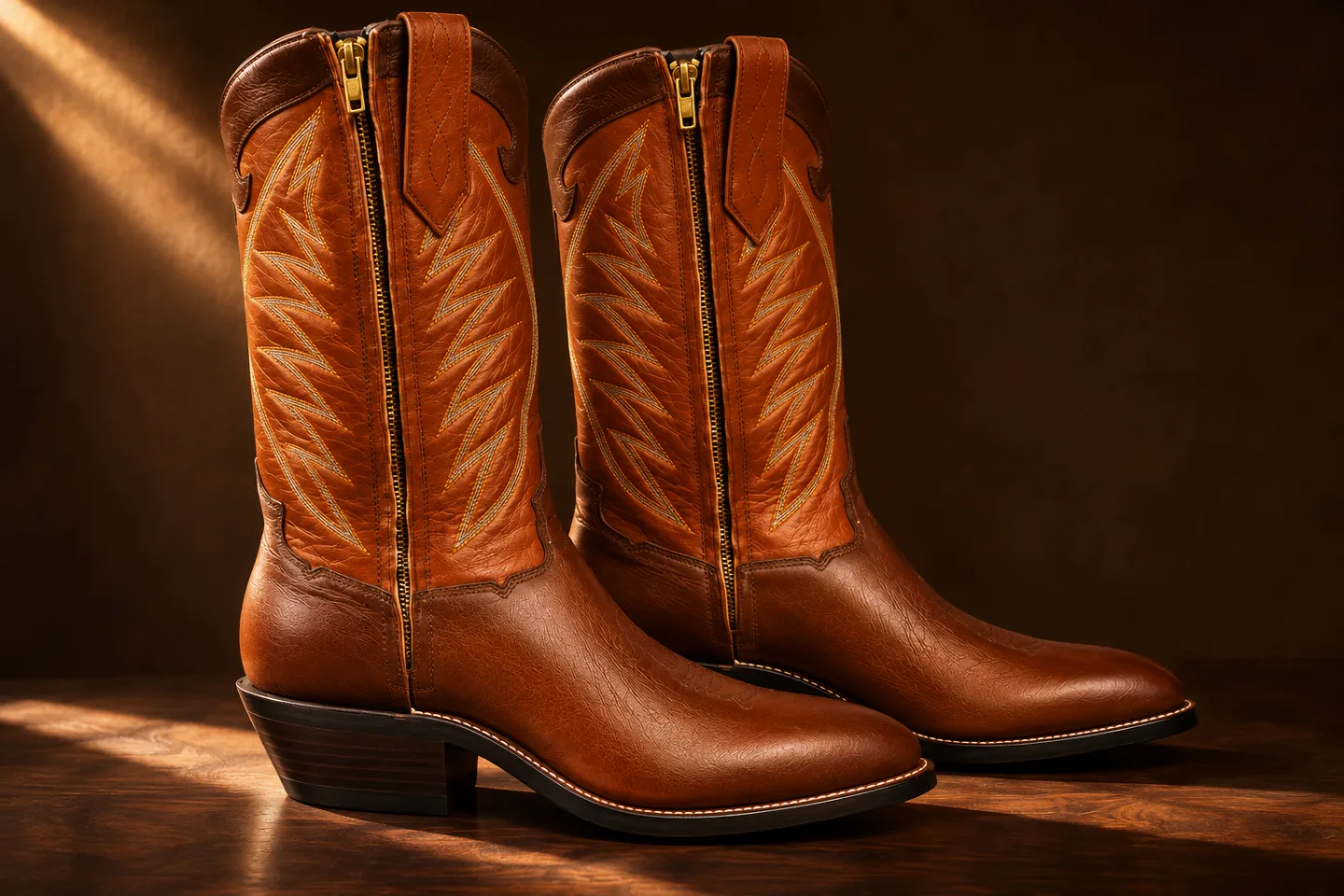
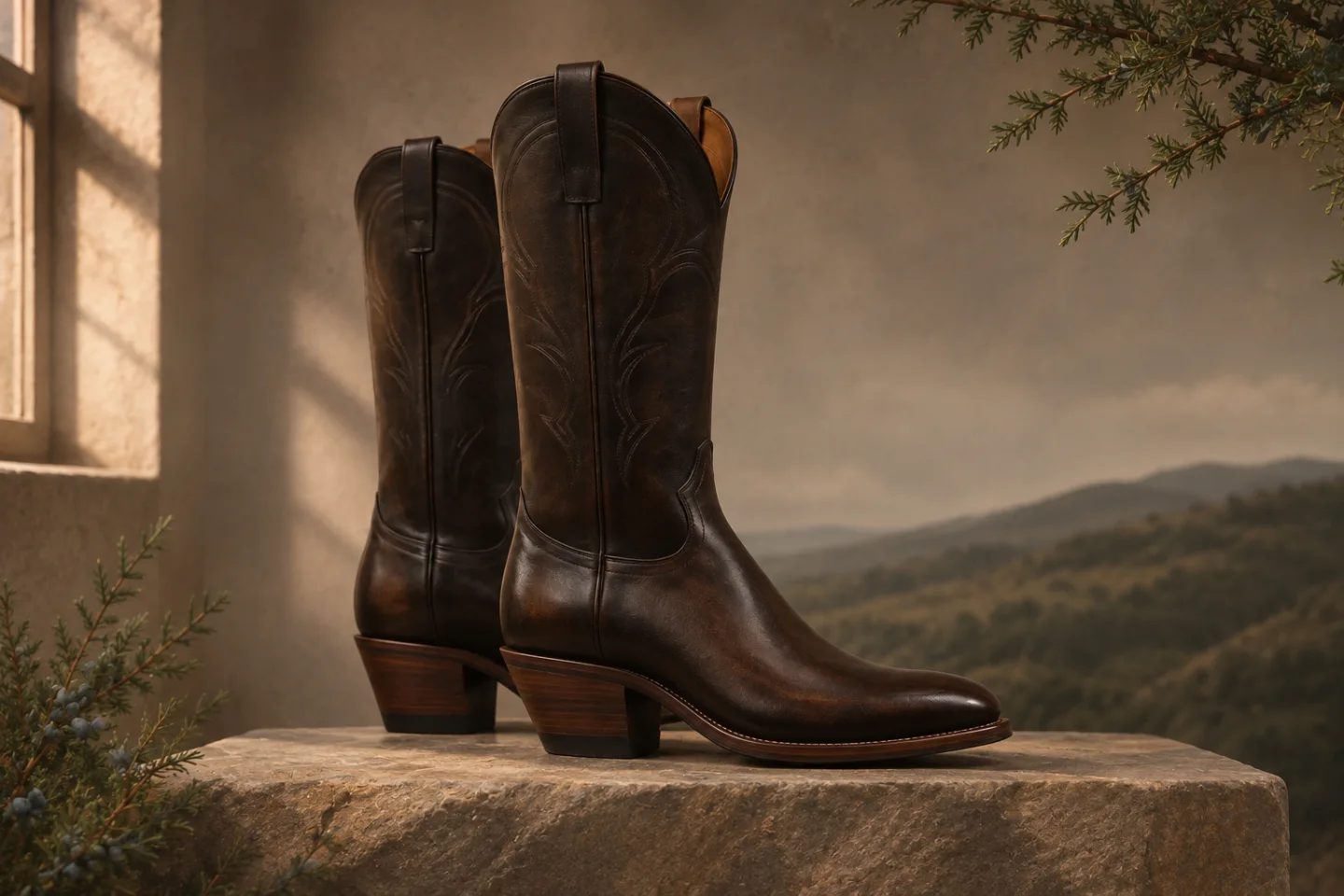
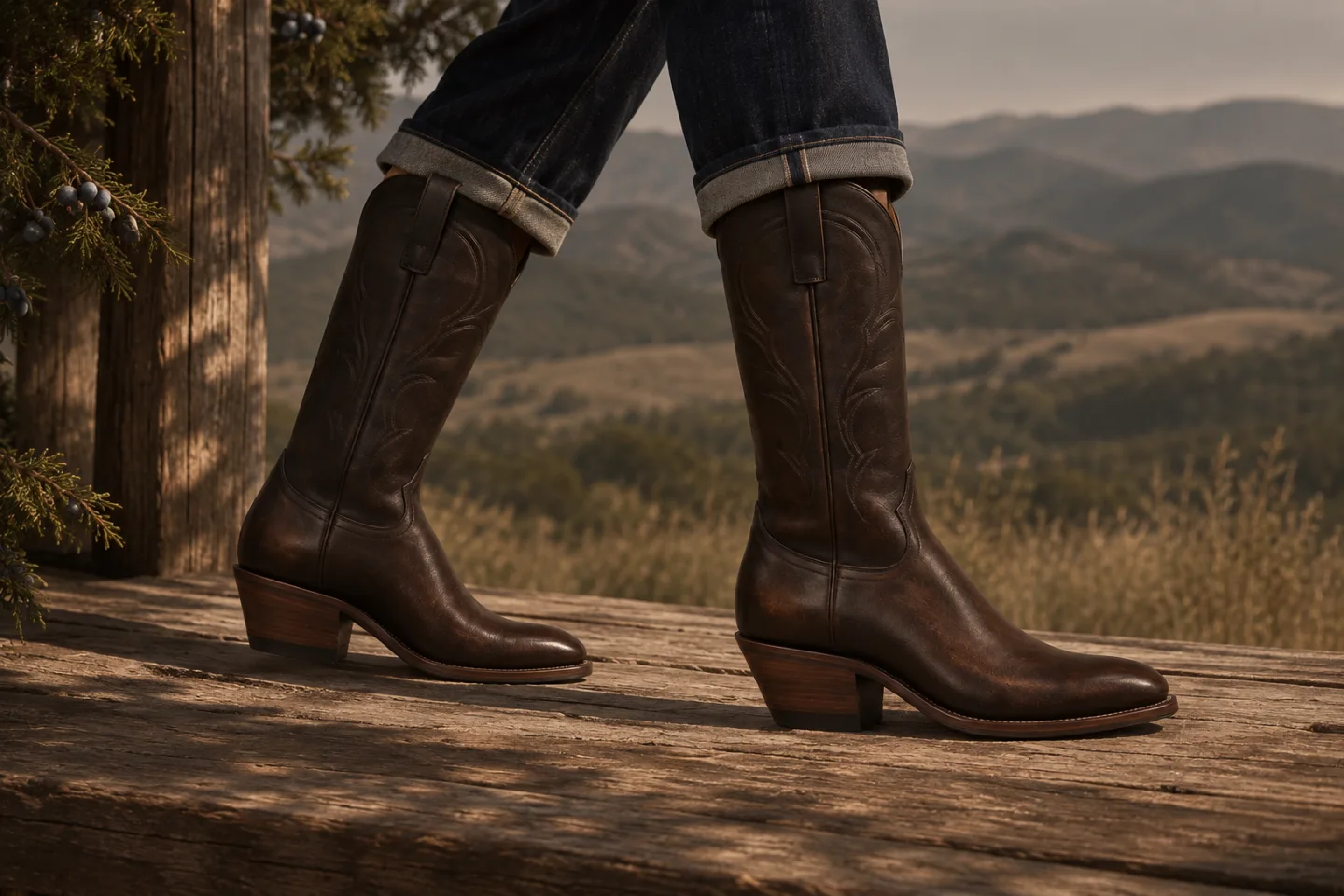
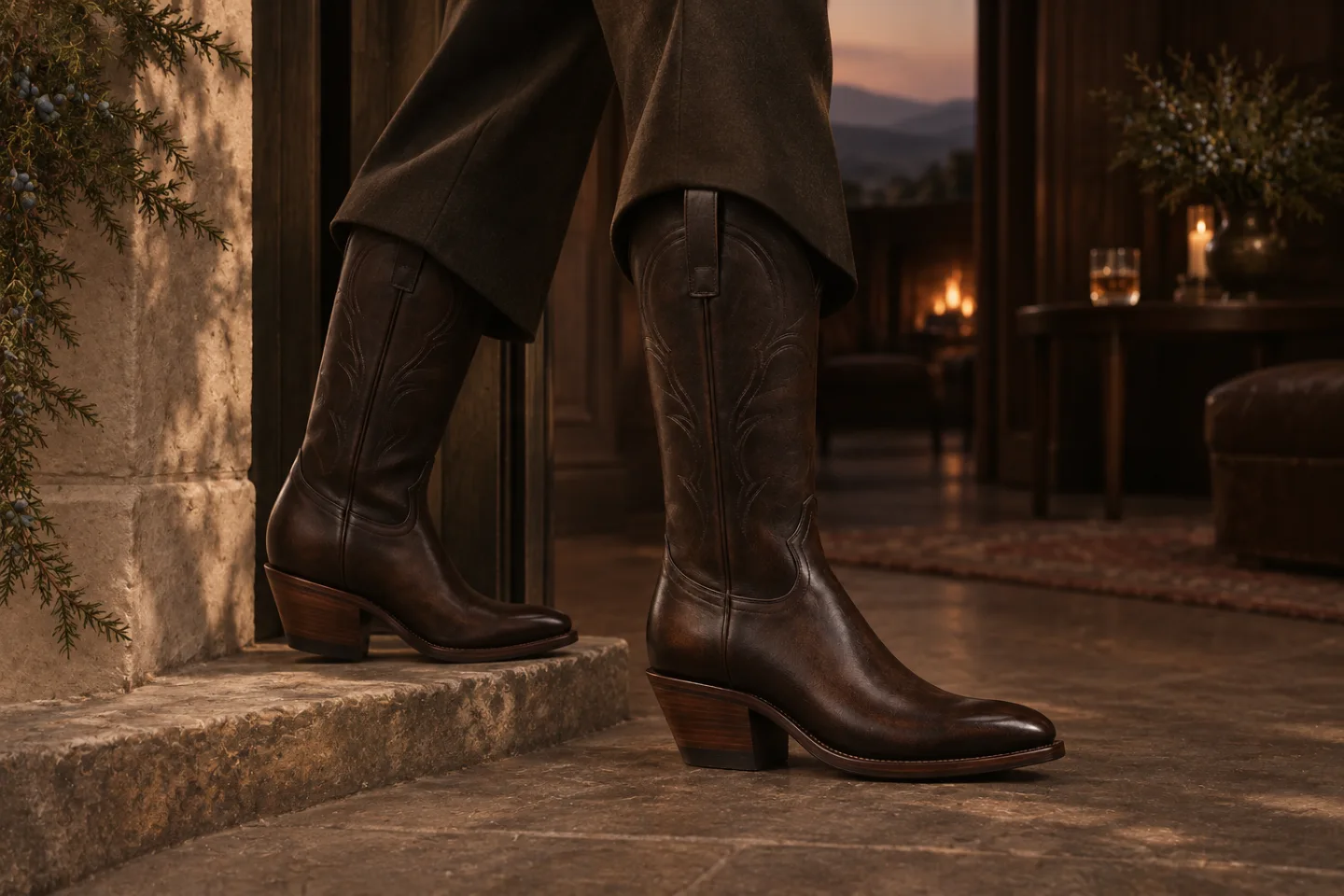
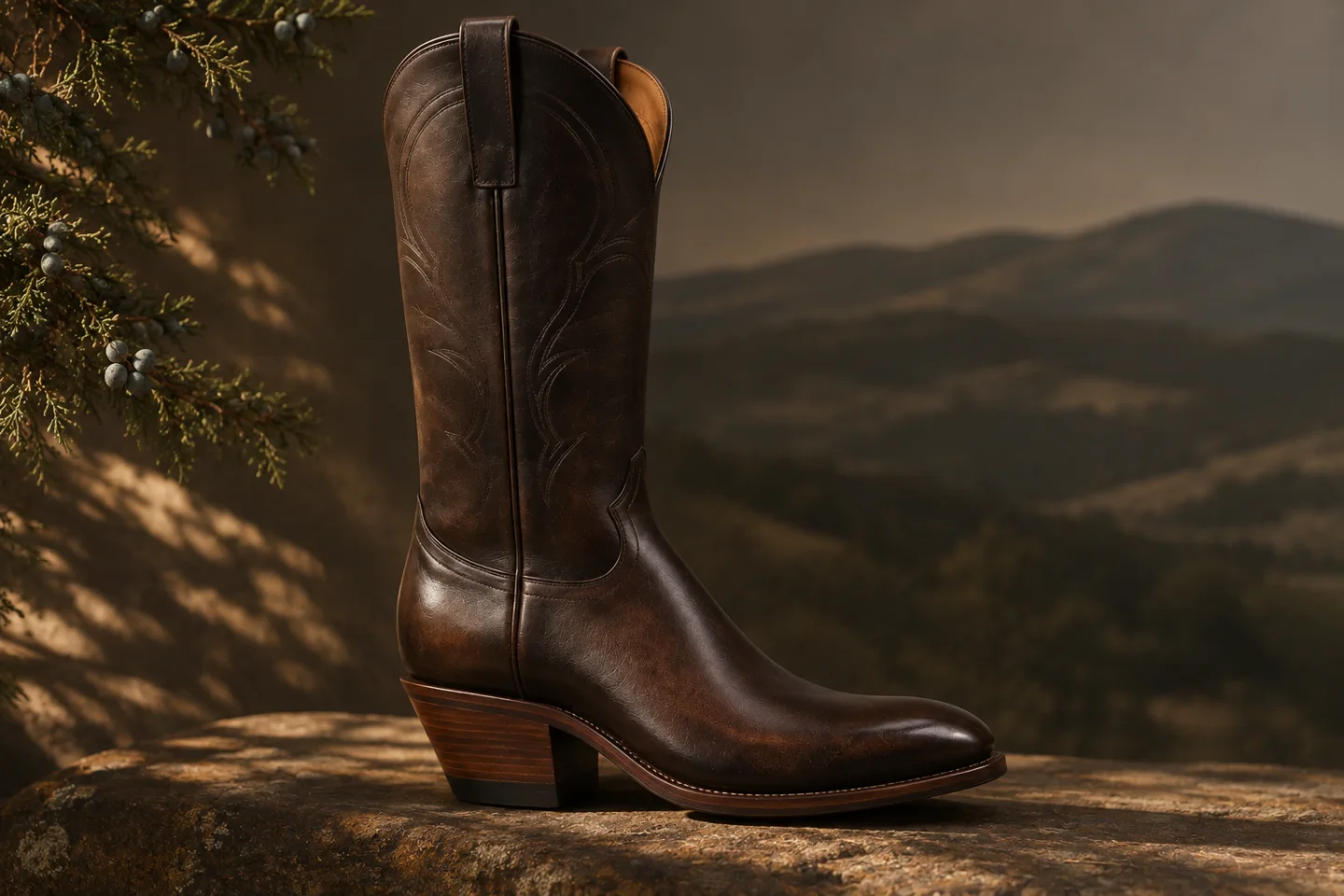
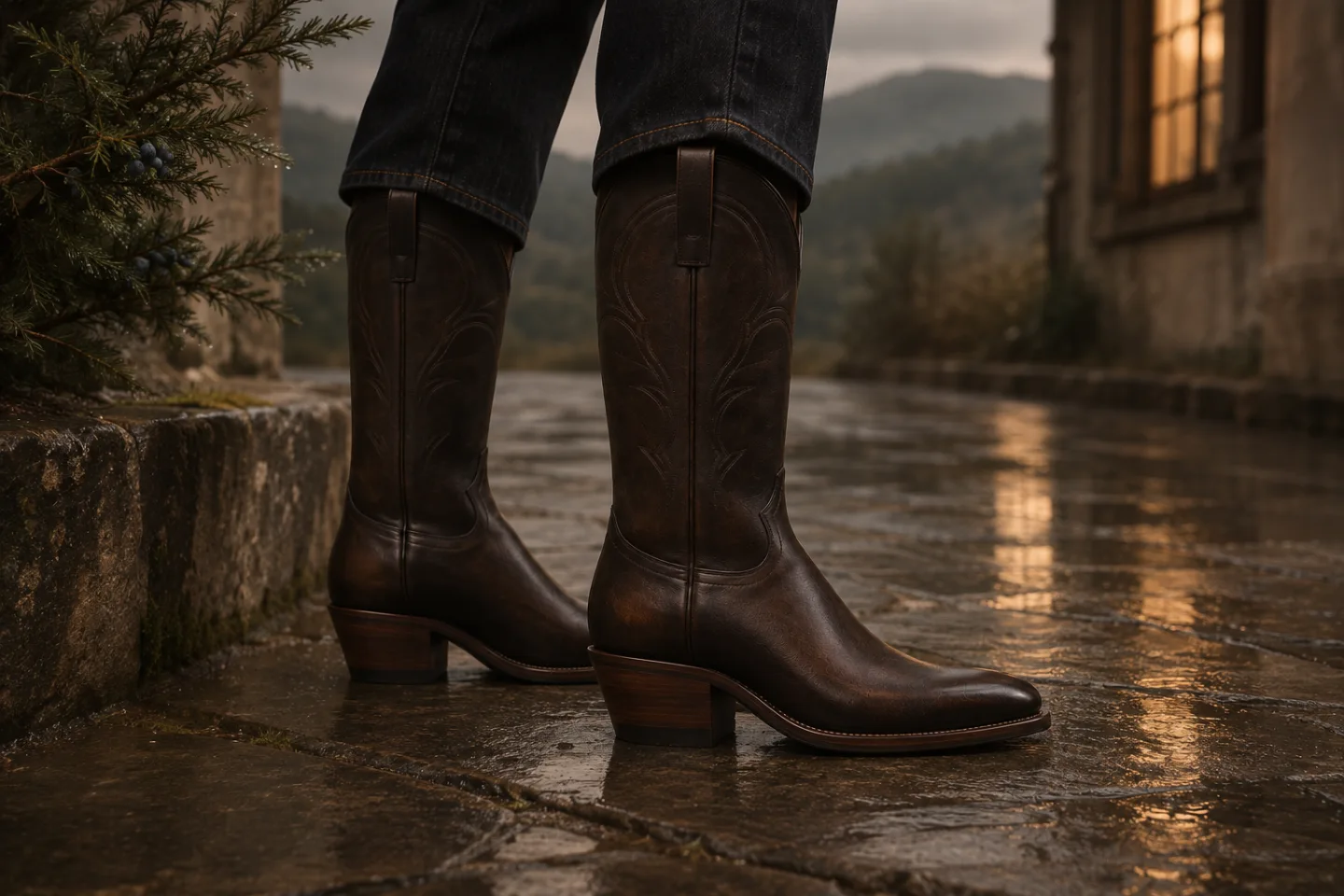
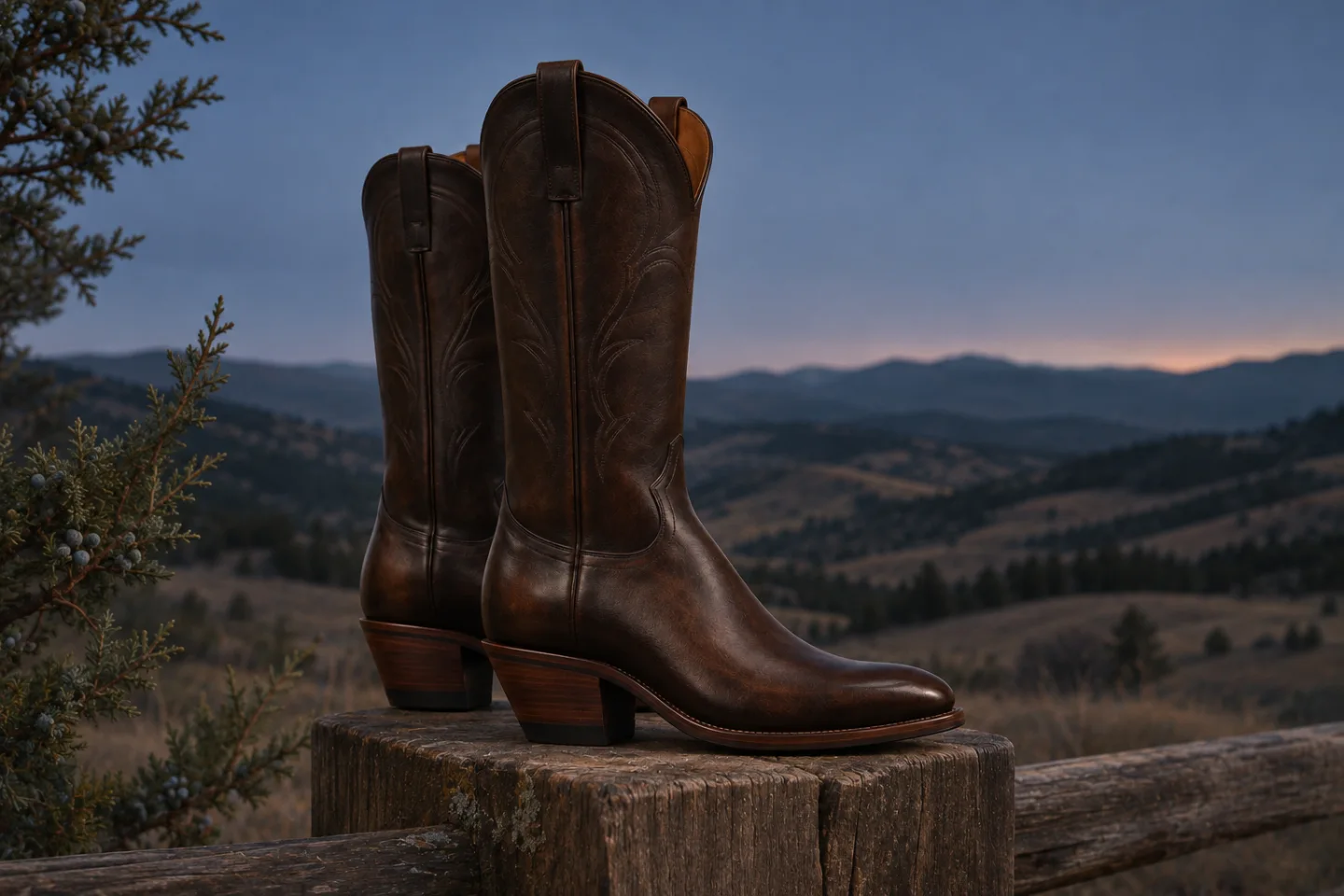
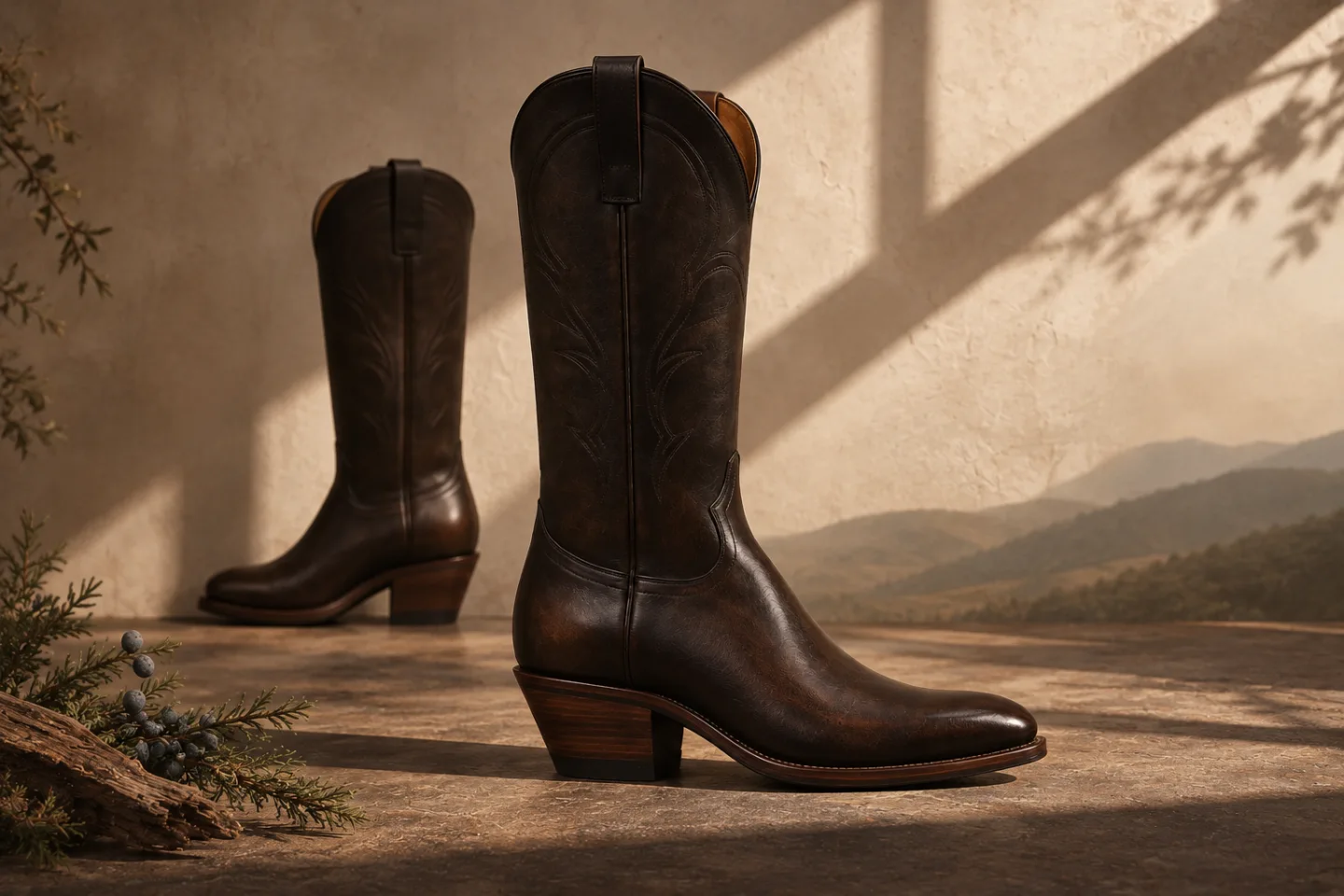
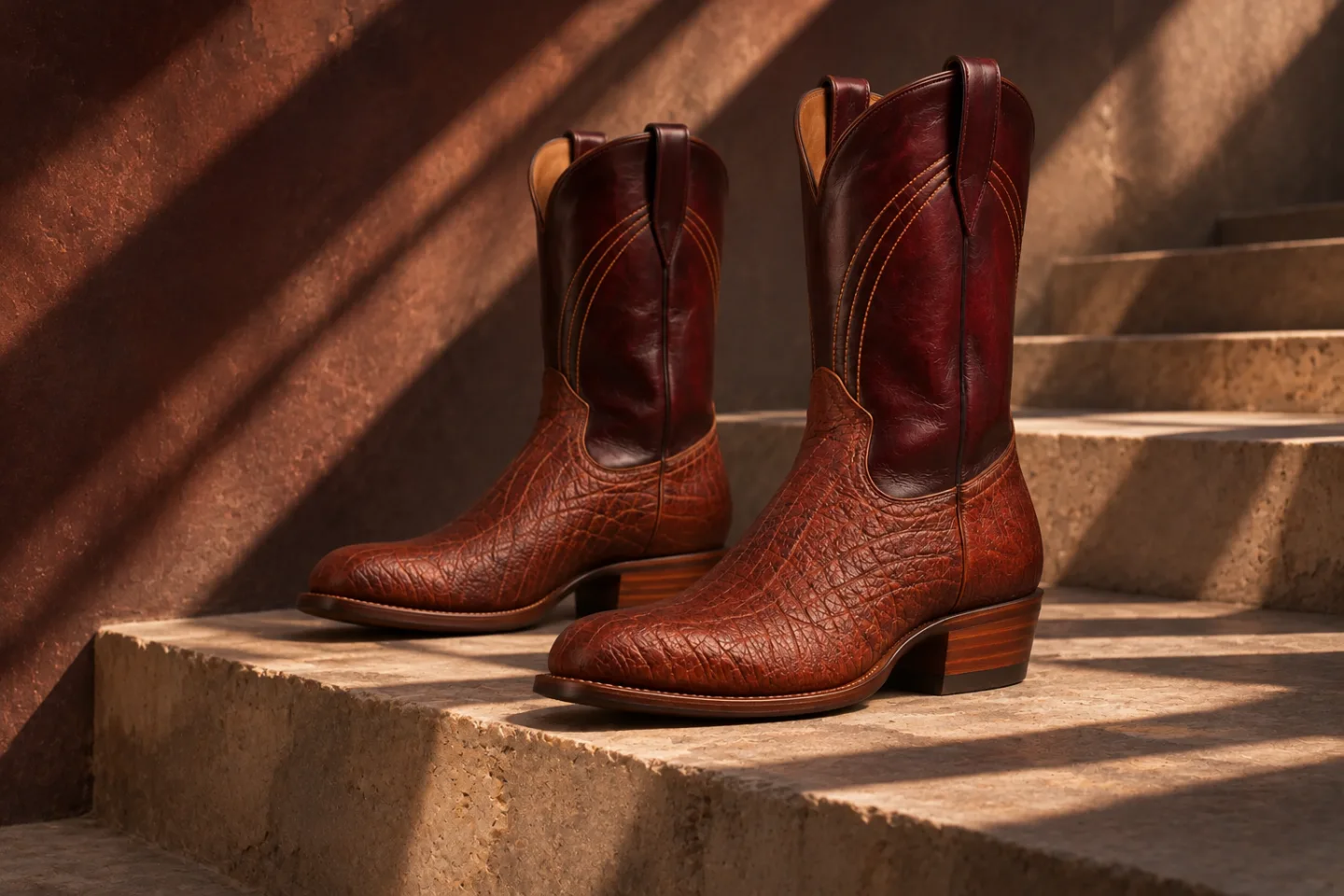
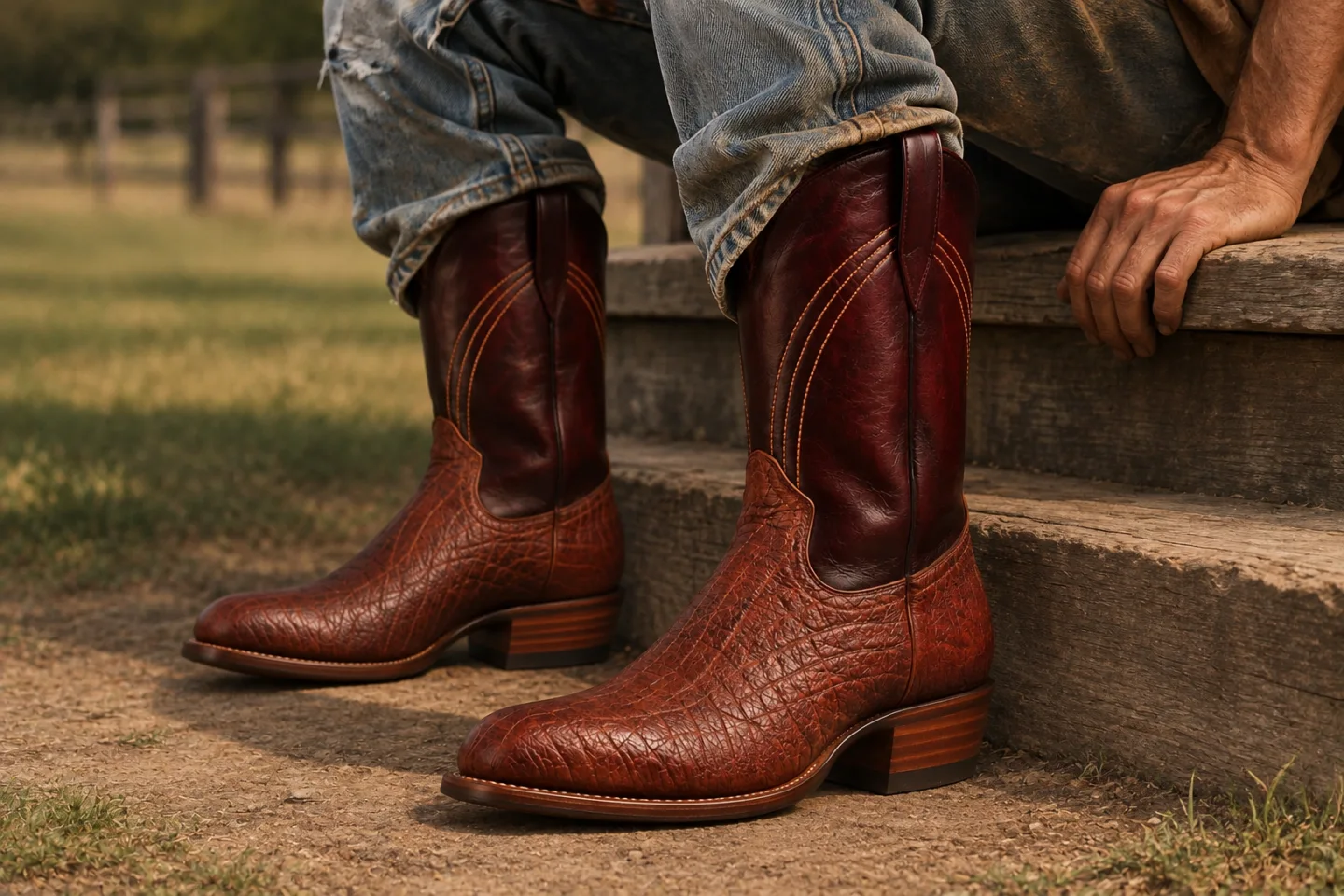
Most boots pick a side: the barn or the dinner table. Heritage never bothered. Wear the chestnut pair with jeans in the morning and good trousers at night. Nobody needs to know you didn’t go home to change.
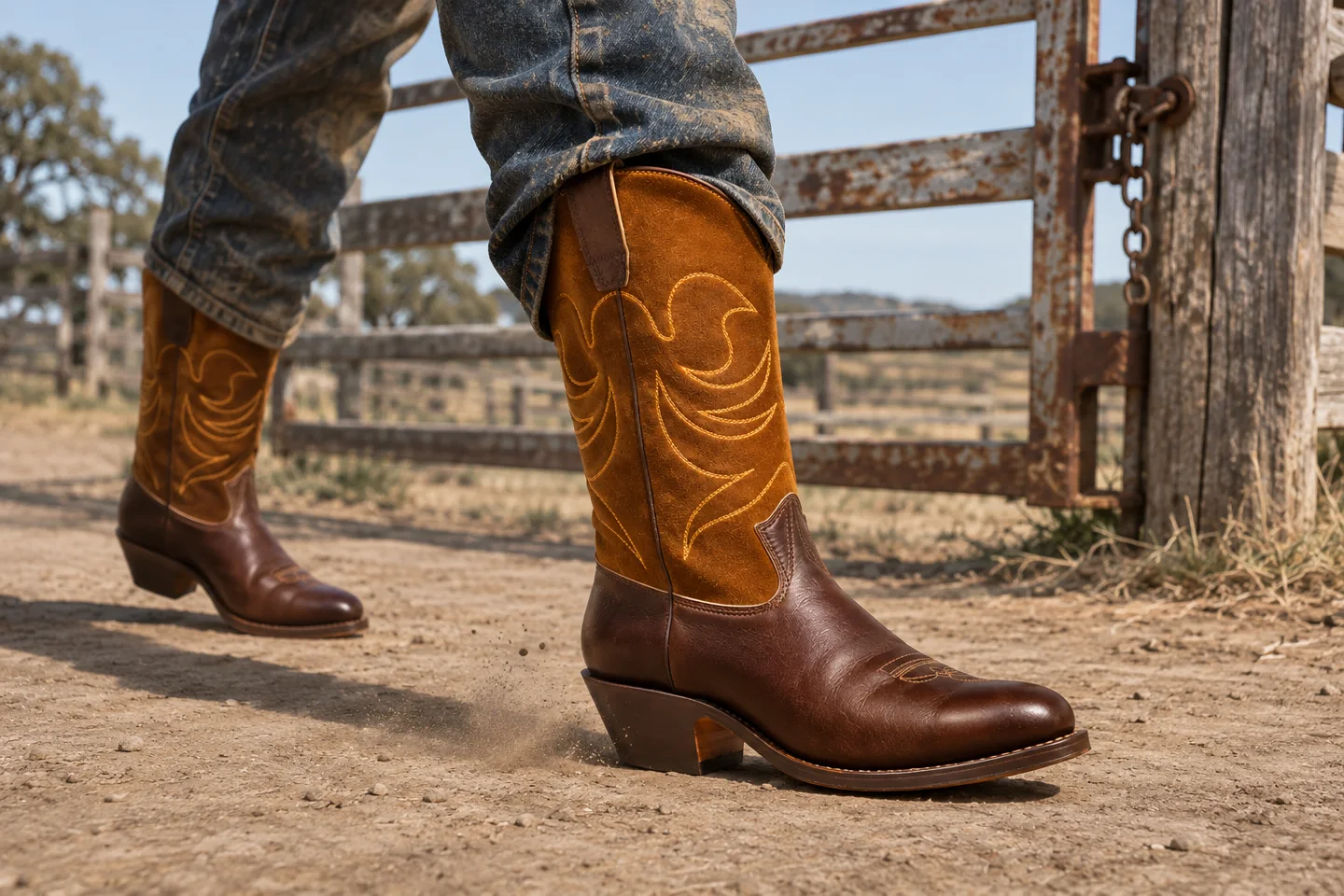
The pair
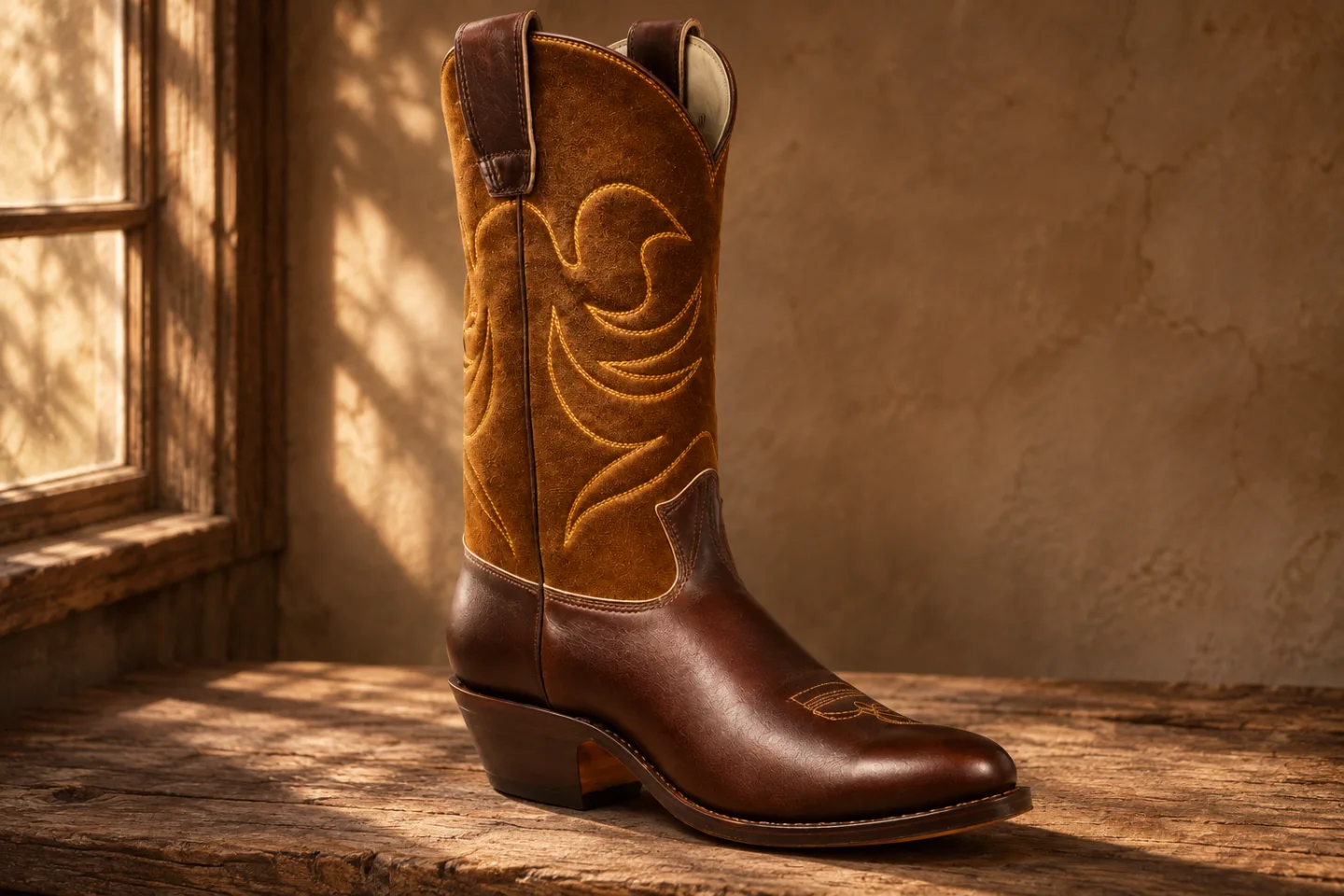
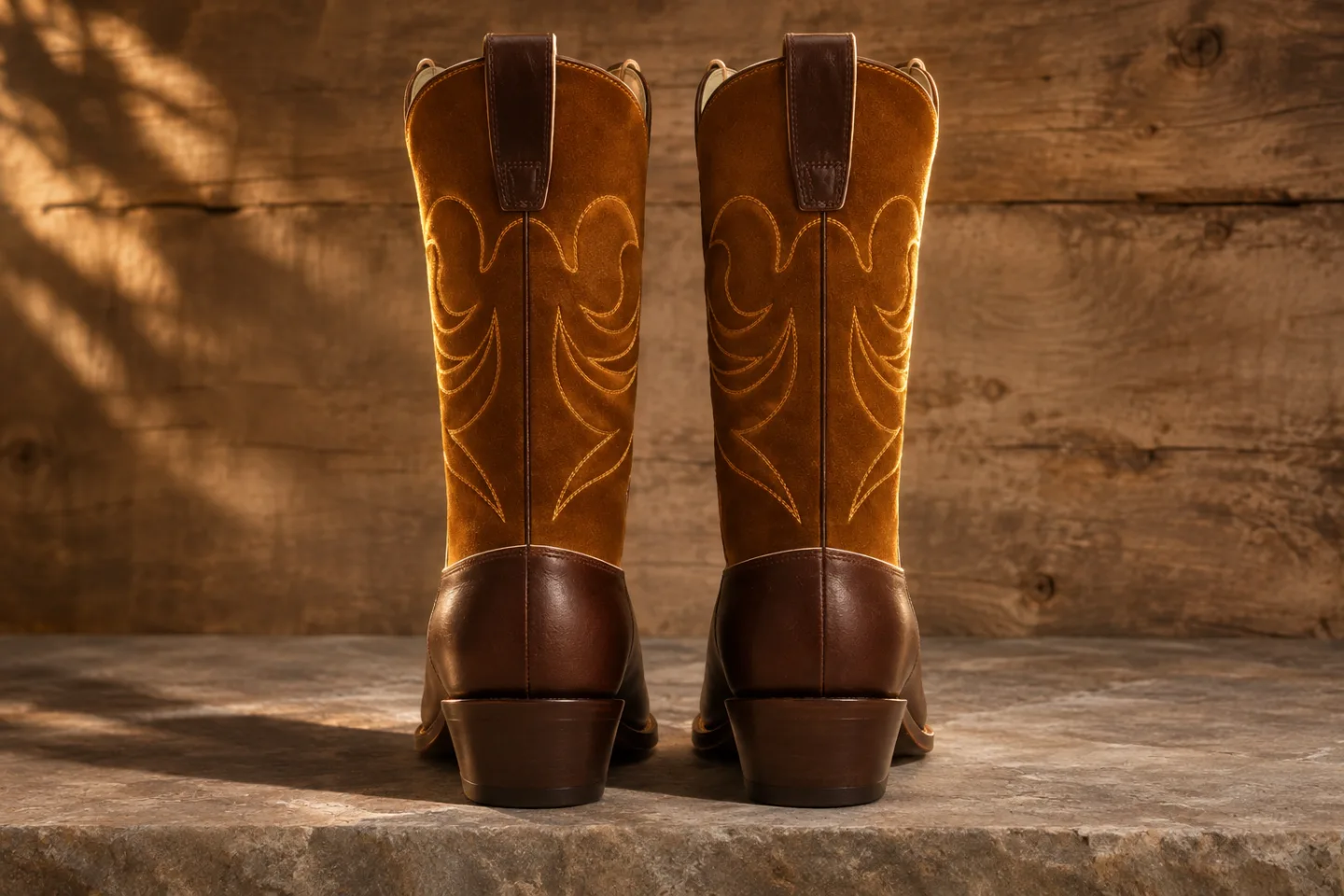
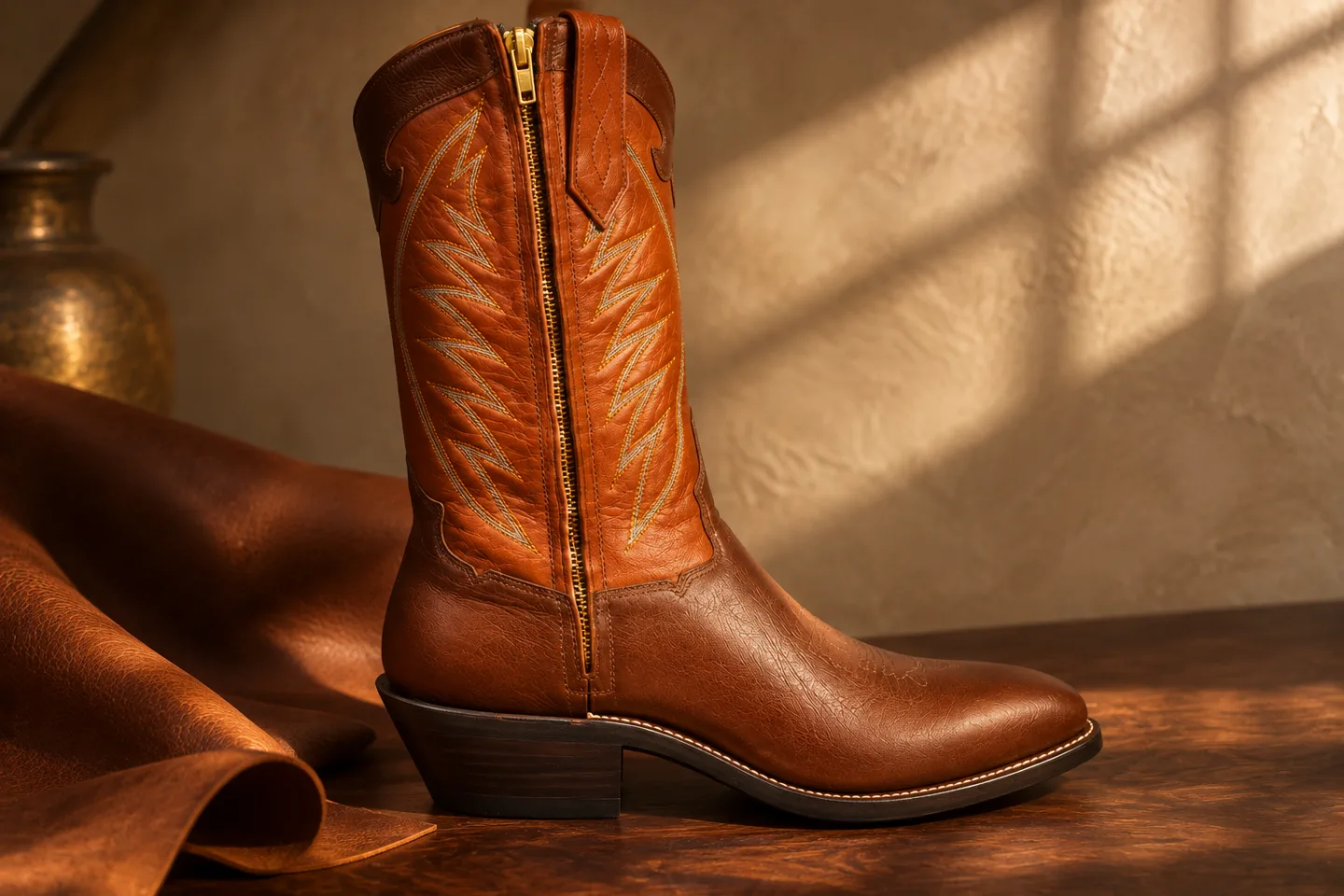
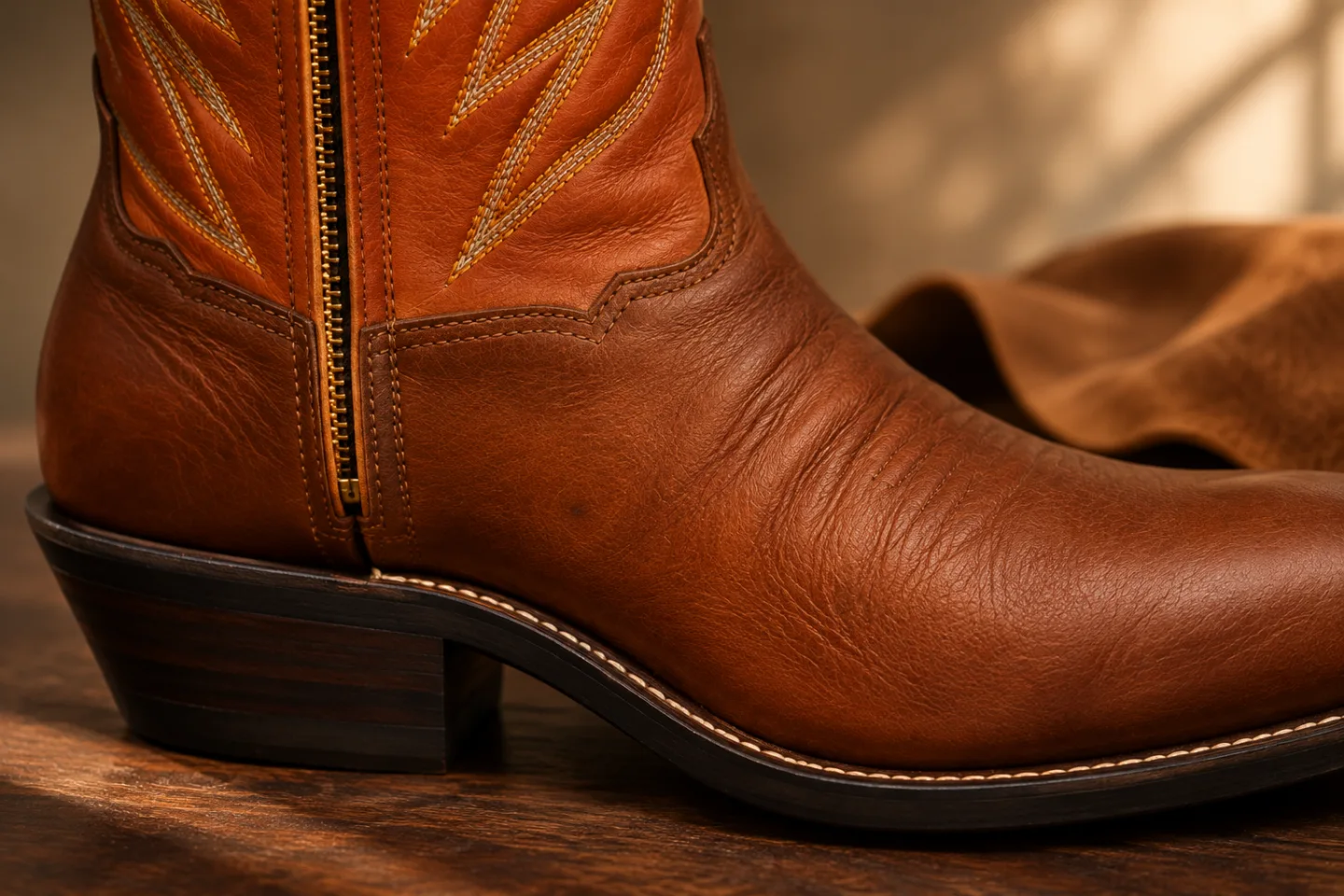
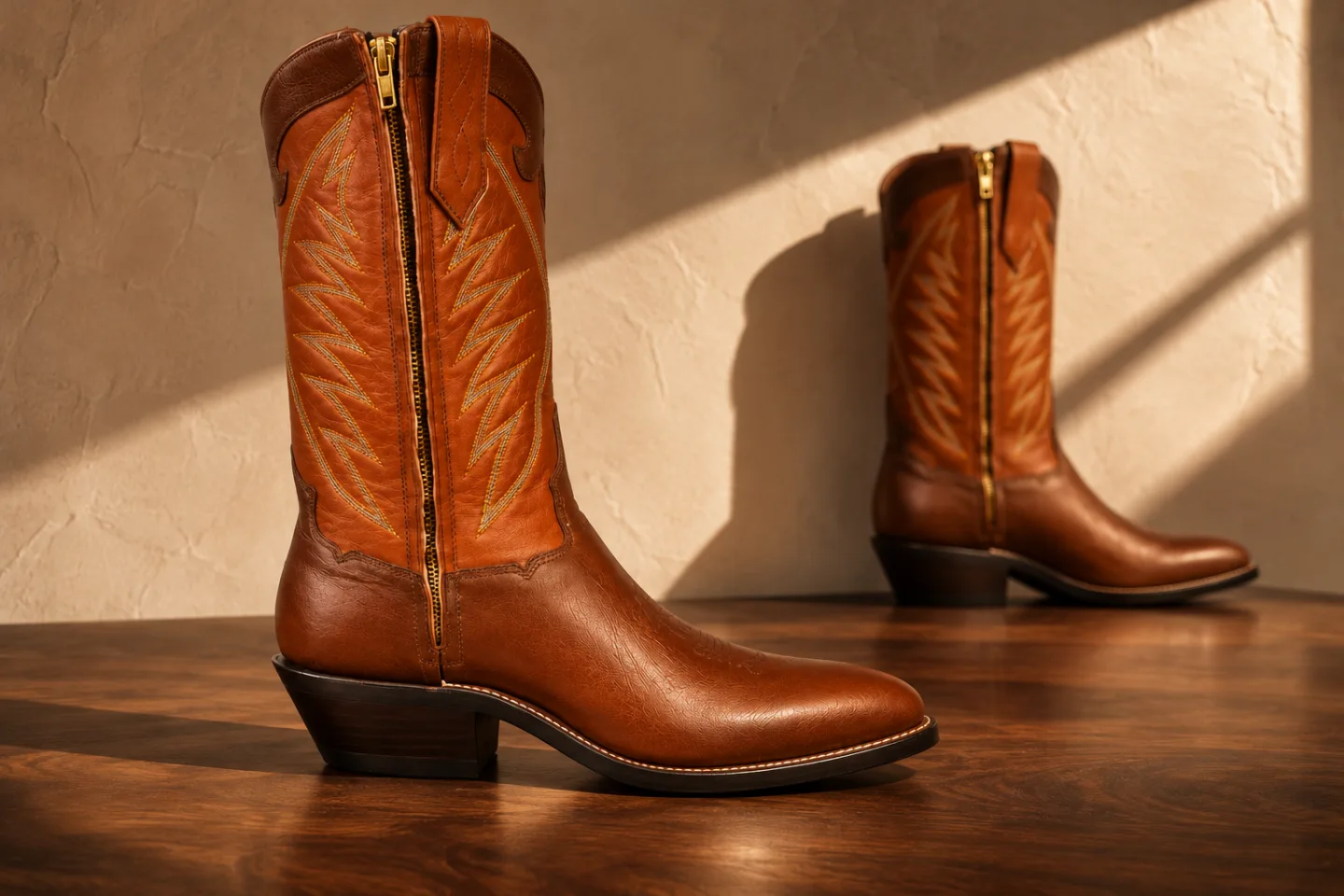
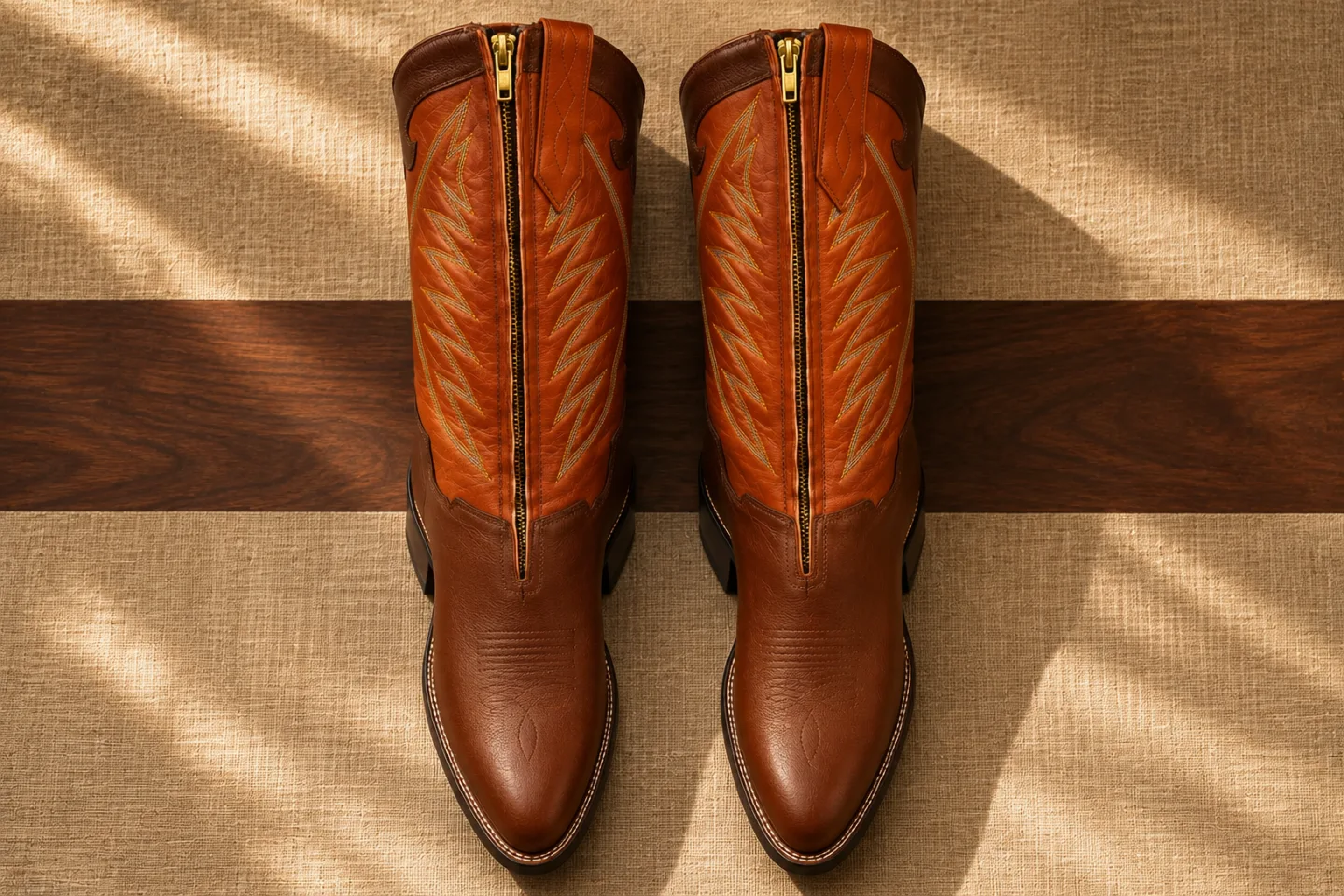
A day in jeans and a dinner in good trousers usually means packing two pairs. This is one. The chestnut holds its own with denim, and the gold stitch waits for dinner. Use the spare room in the bag for something nicer.
Comfort all day
At breakfast the size feels right. By four, your little toe has filed a complaint. If that sounds familiar, wear the offending pair to your bespoke fitting in Tucson.
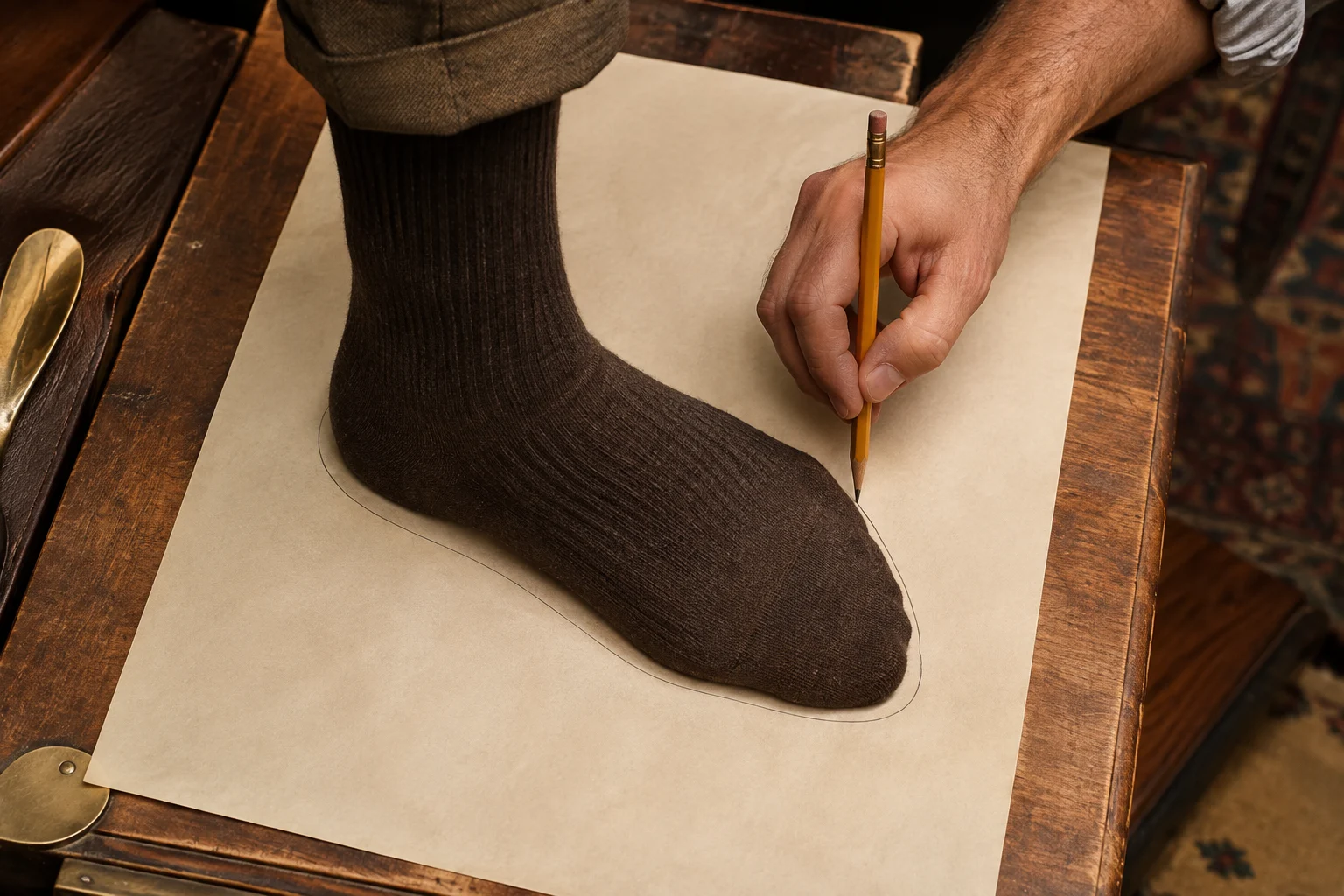
Measuring pain
Bring the pair with the worn heel and point to where it rubs. Your fitter watches you walk before the tape comes out. Listen to what that small courtesy meant to one Vietnam veteran.
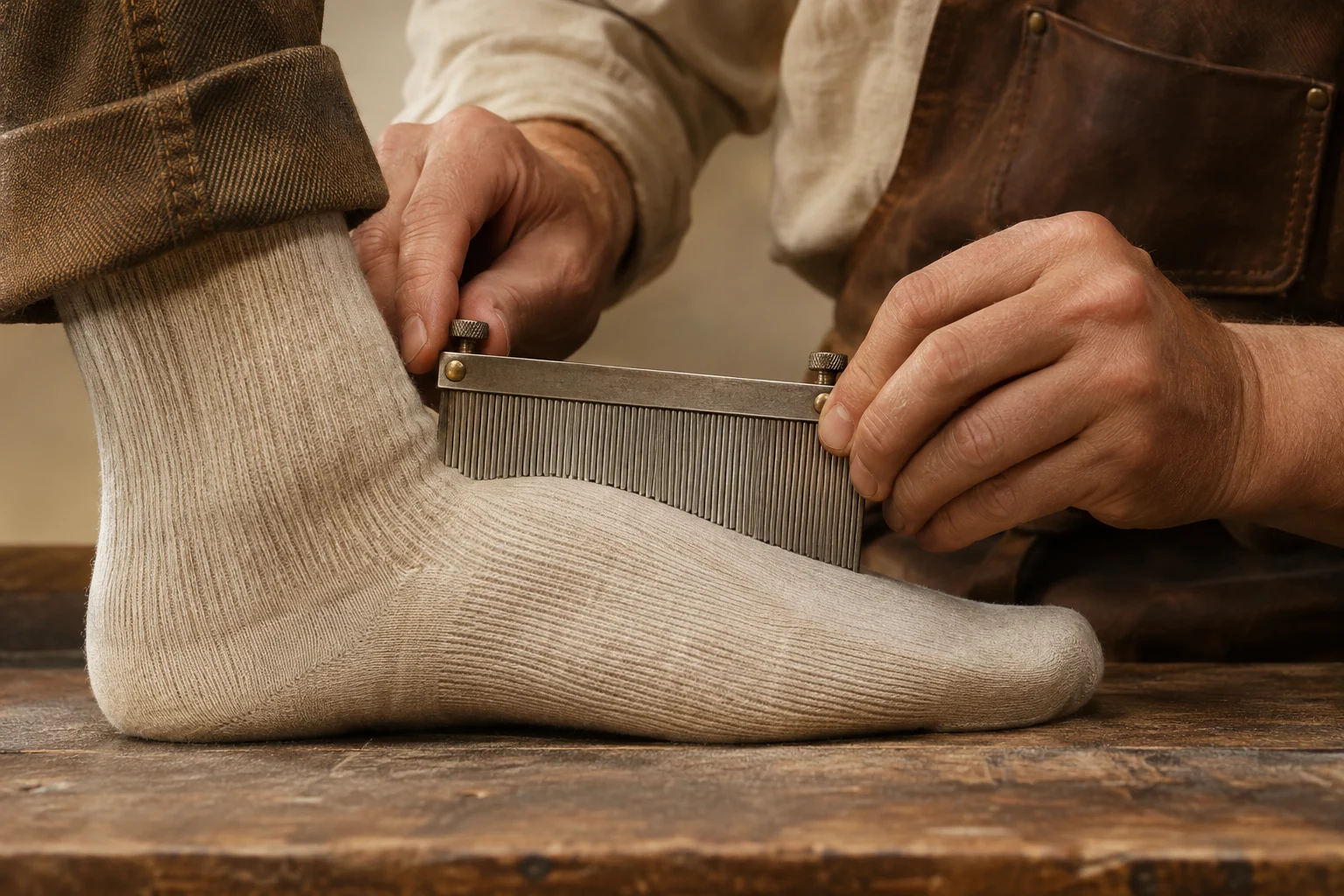
44 measurements
Ready to Wear starts with your usual size. At a bespoke fitting, 44 measurements tell us where your toes want space and where your heel wants a hold.
The tracing
If one boot feels right and the other pinches, your maker can trace each foot and spend hours shaping separate lasts. The little differences have somewhere to go.
Leather
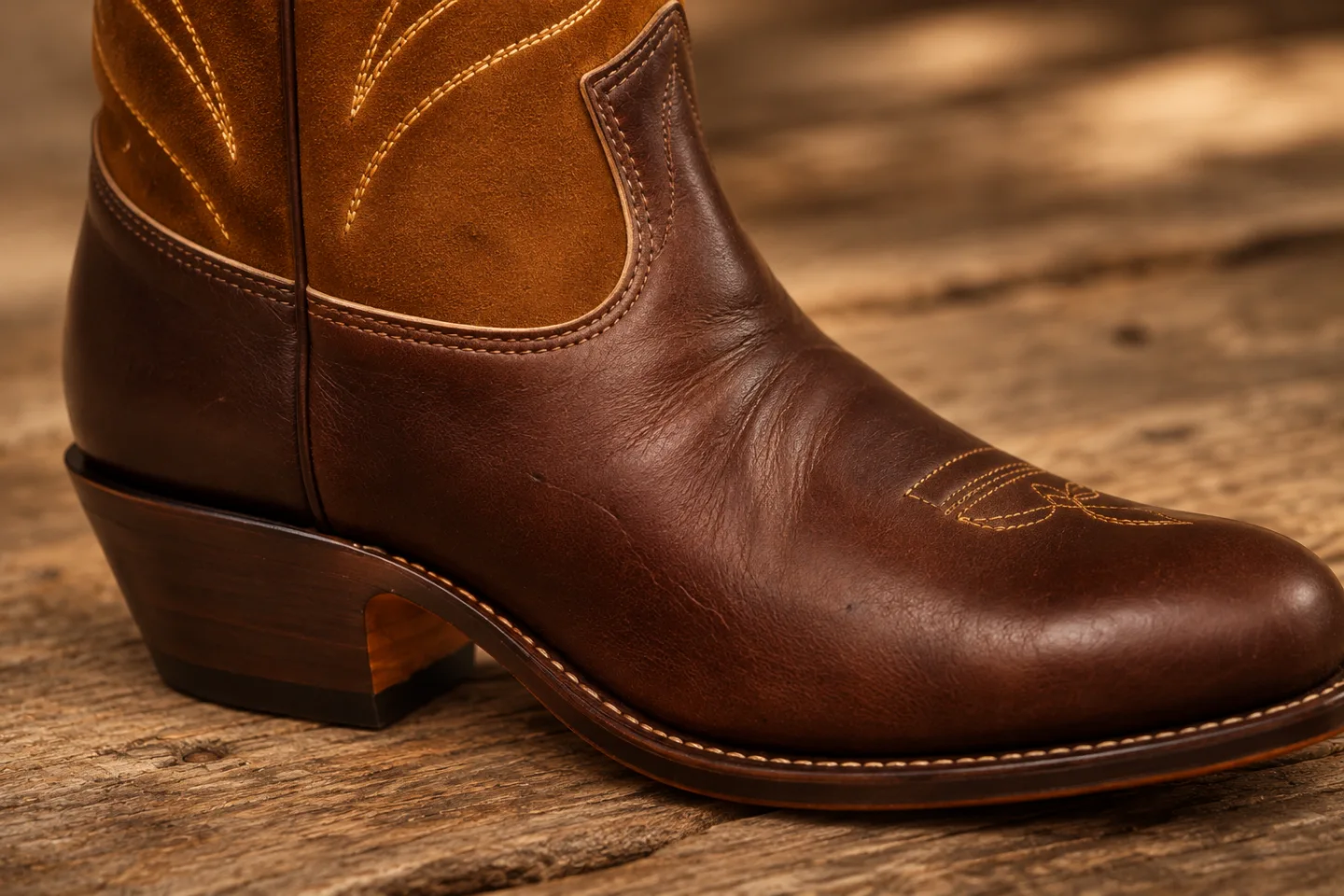
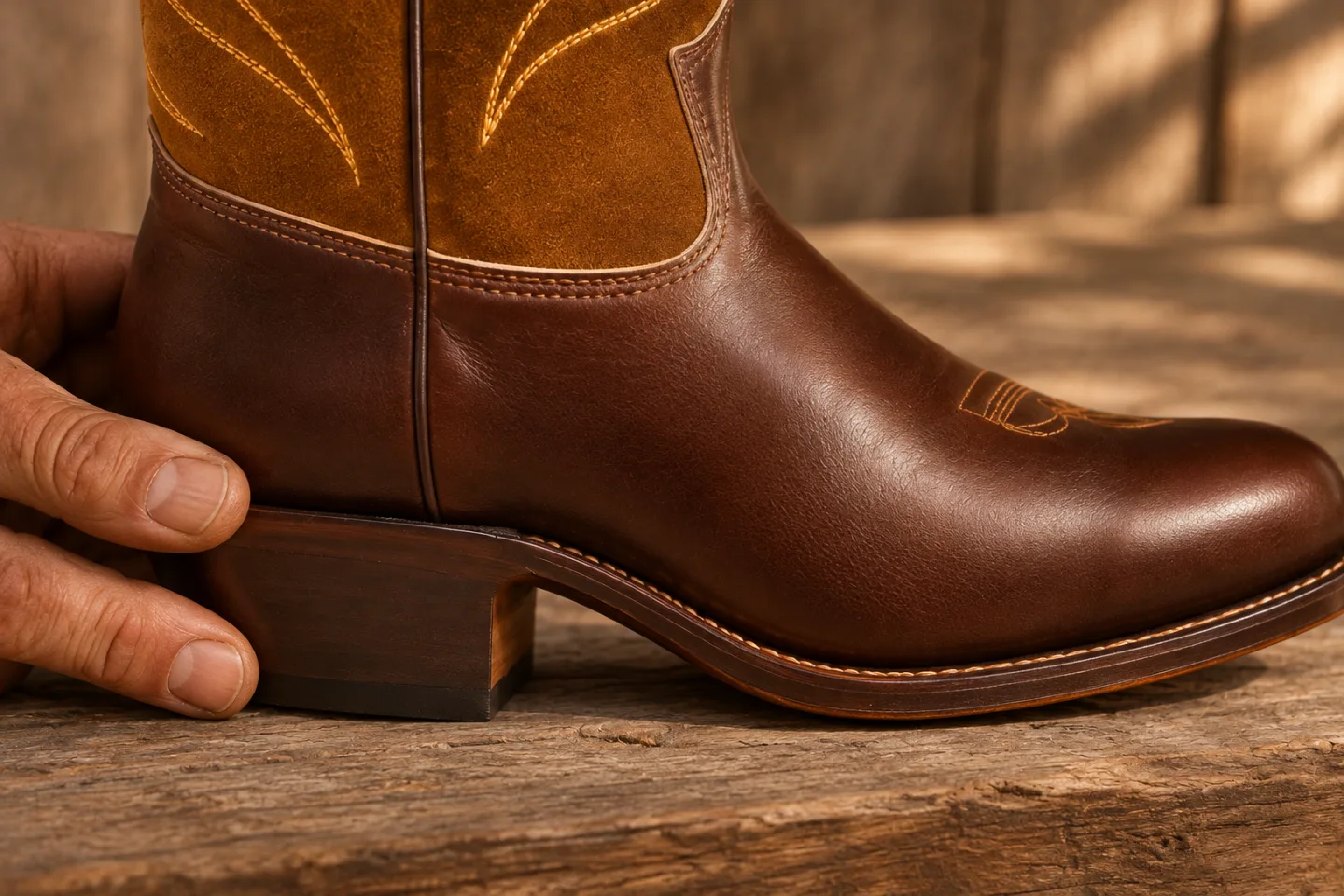
The first scuff always feels like a small tragedy. Then you learn the chestnut is dyed through, so there’s more color underneath. A few months on, the scuffs and the shine where your toes bend are the parts you’d miss.
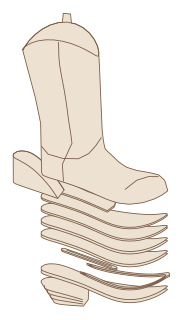
Underfoot
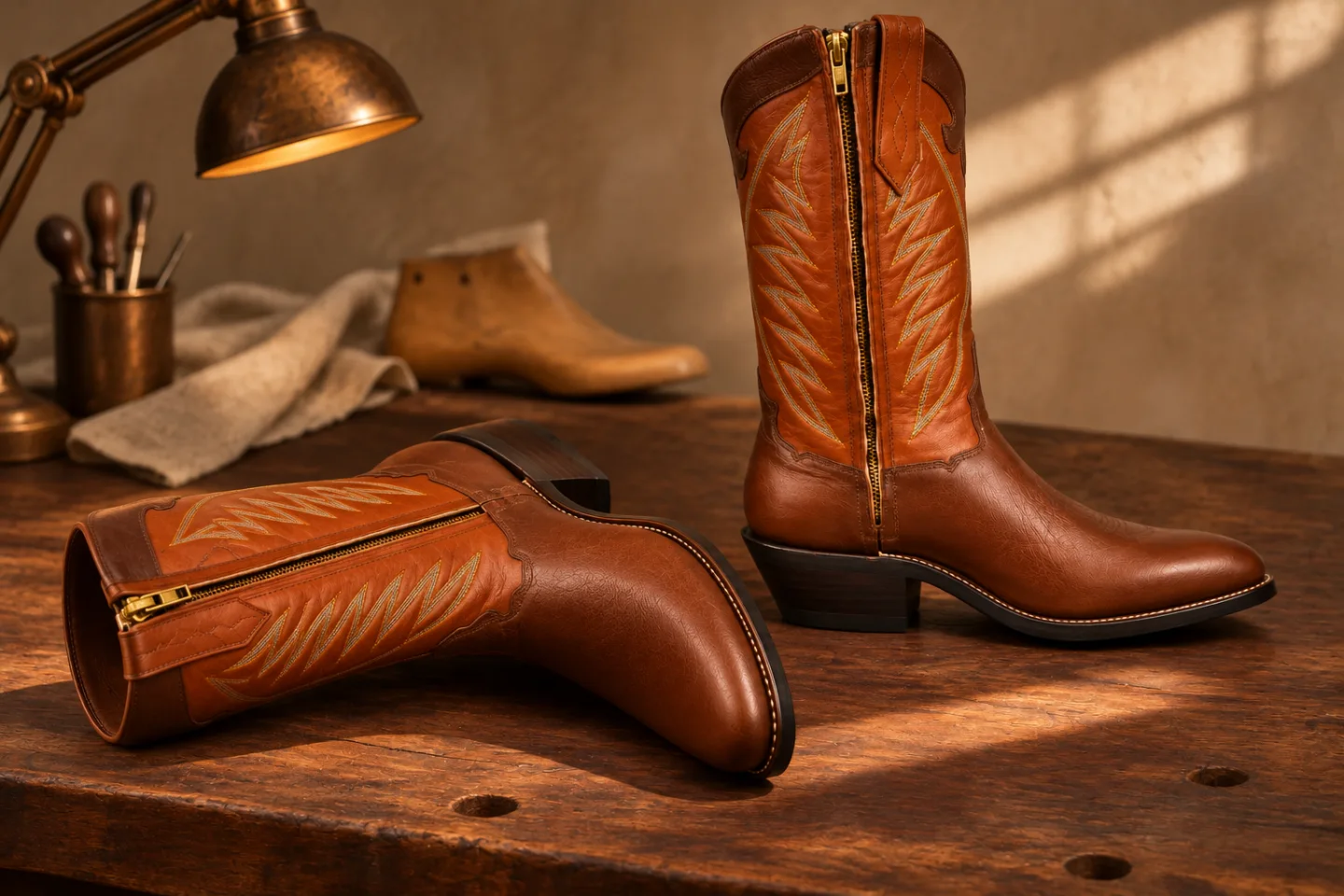
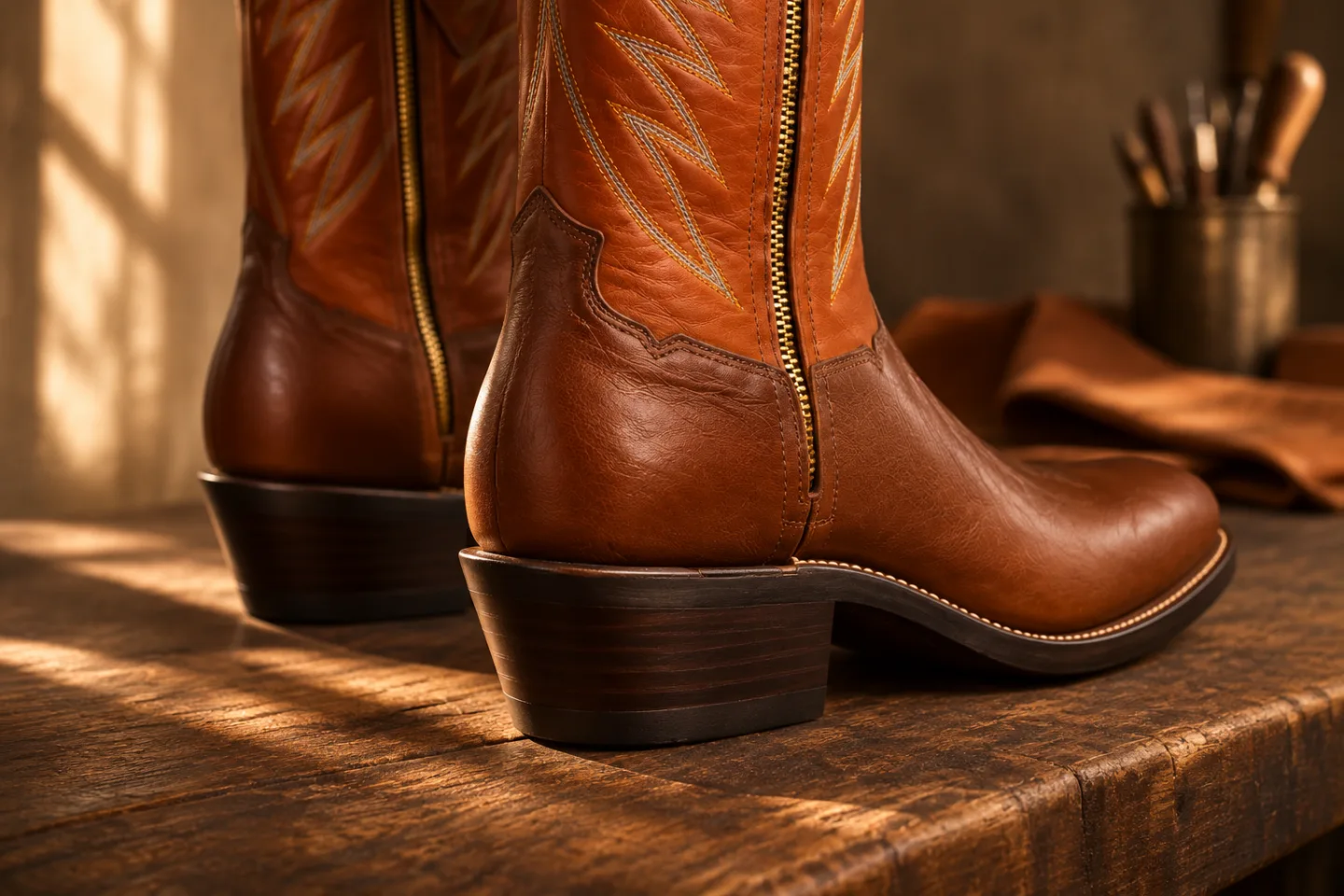
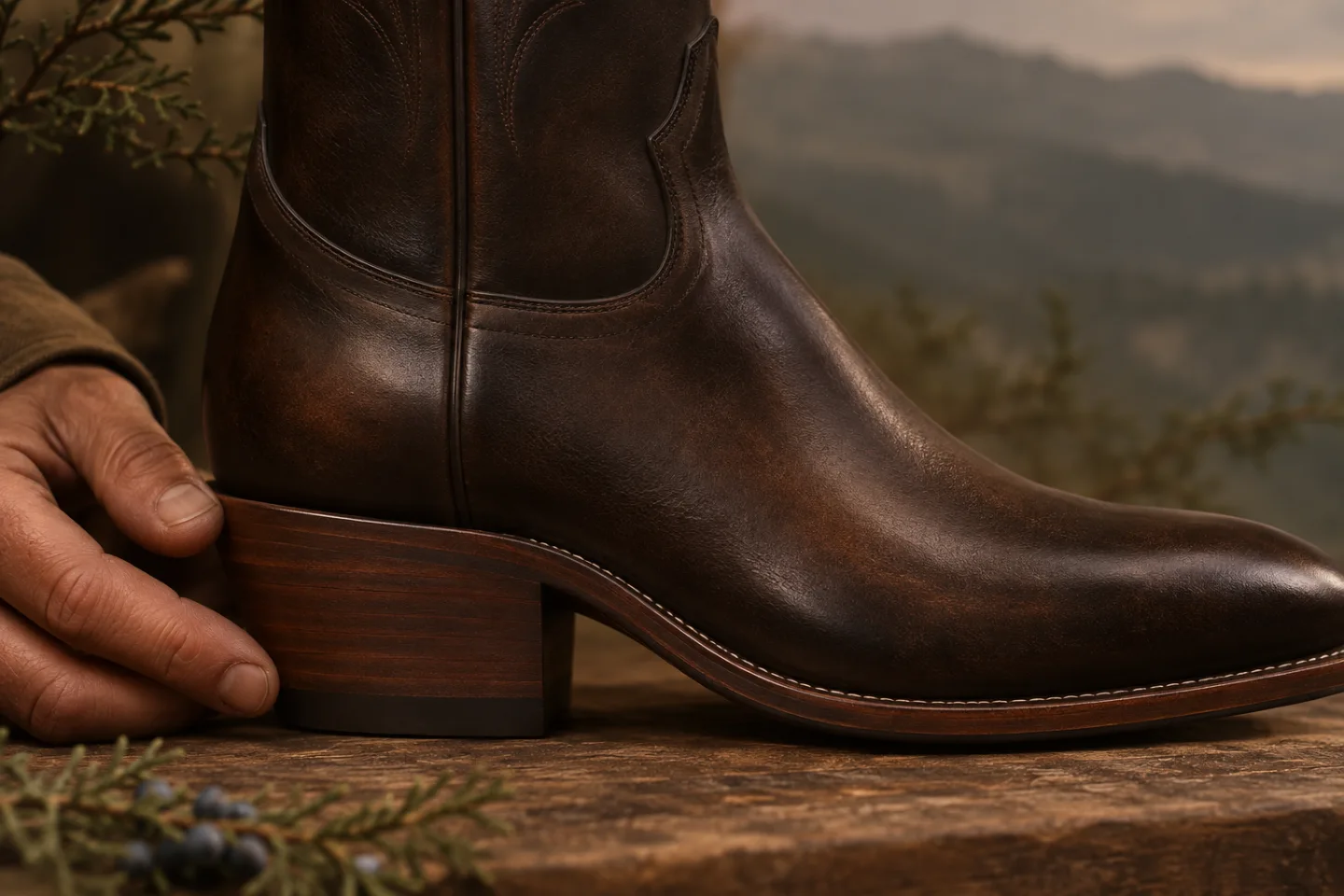
Set a Heritage on a table and look under the toe. It lifts, just slightly. A maker shapes that rise by hand and checks it from both sides. It takes a second to see and years to learn to shape. You won’t notice it when you walk, which is how you know it’s right.
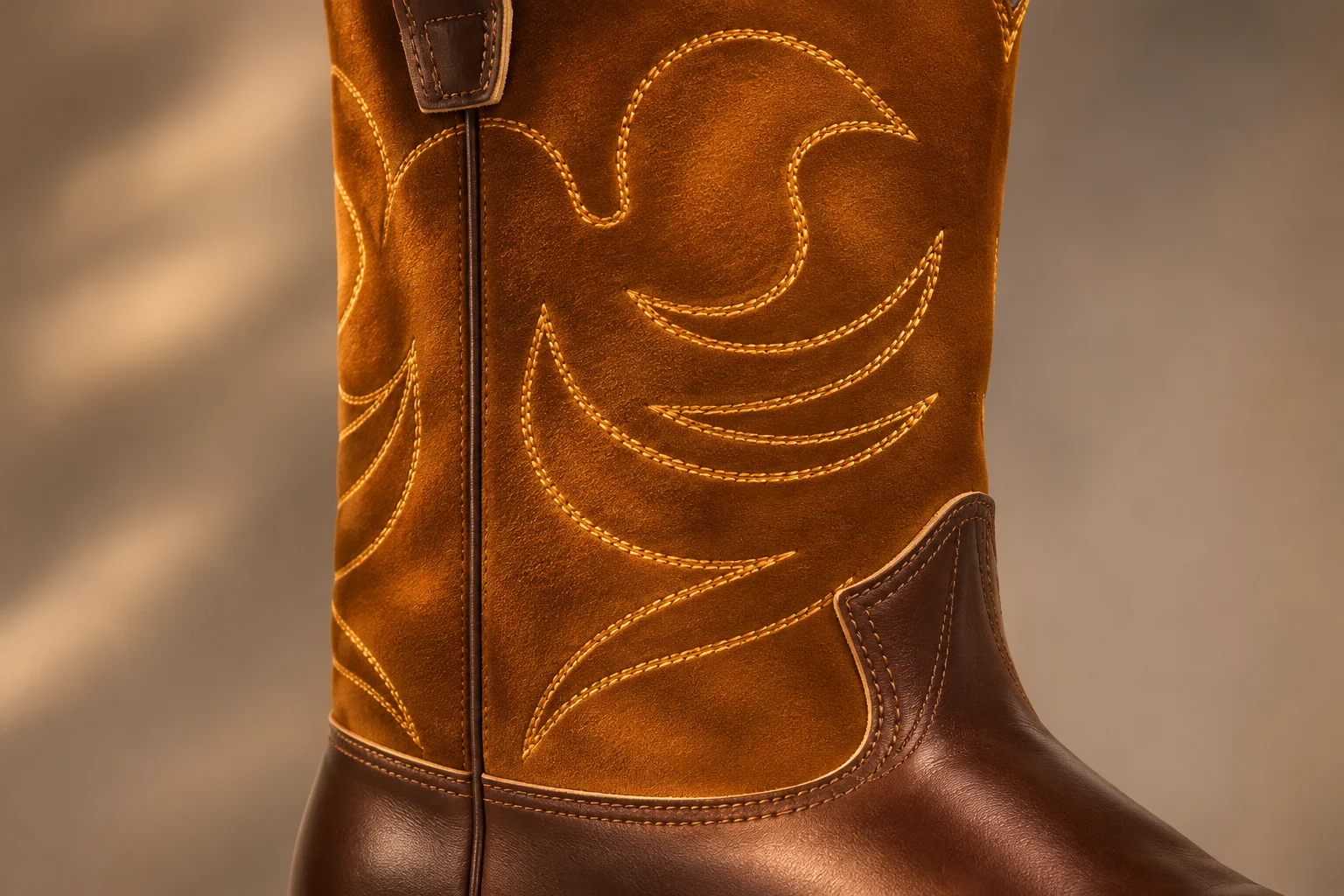
Stitchwork
Cross your legs at dinner and the hem rides up an inch. That inch is the gold stitch’s big moment. Back at the bench, the maker made sure it kept its line around every curve, in case someone looks closely. Someone usually does.
Care
Heels are meant to wear out. That’s their job, so the rest of the boot doesn’t have to. Send the pair to Tucson for a deep clean and an honest opinion on new heels. You keep the leather you spent years breaking in.
Your pair
You’ll know you chose well when they stop going back in the closet. Ready to Wear is $2,500, with the bench time already in it, so there’s no wait. A bespoke pair fitted in Tucson is $7,000 and worth every week of the three to four months it takes. Made to Measure by phone scan is planned at $5,500.
Most luxury is for the people looking at you. At dinner, someone may ask about the stitching. Nobody asks about the insole. Give a master bootmaker in Tucson first choice of every part, and the insole has the whole walk home to make its case.
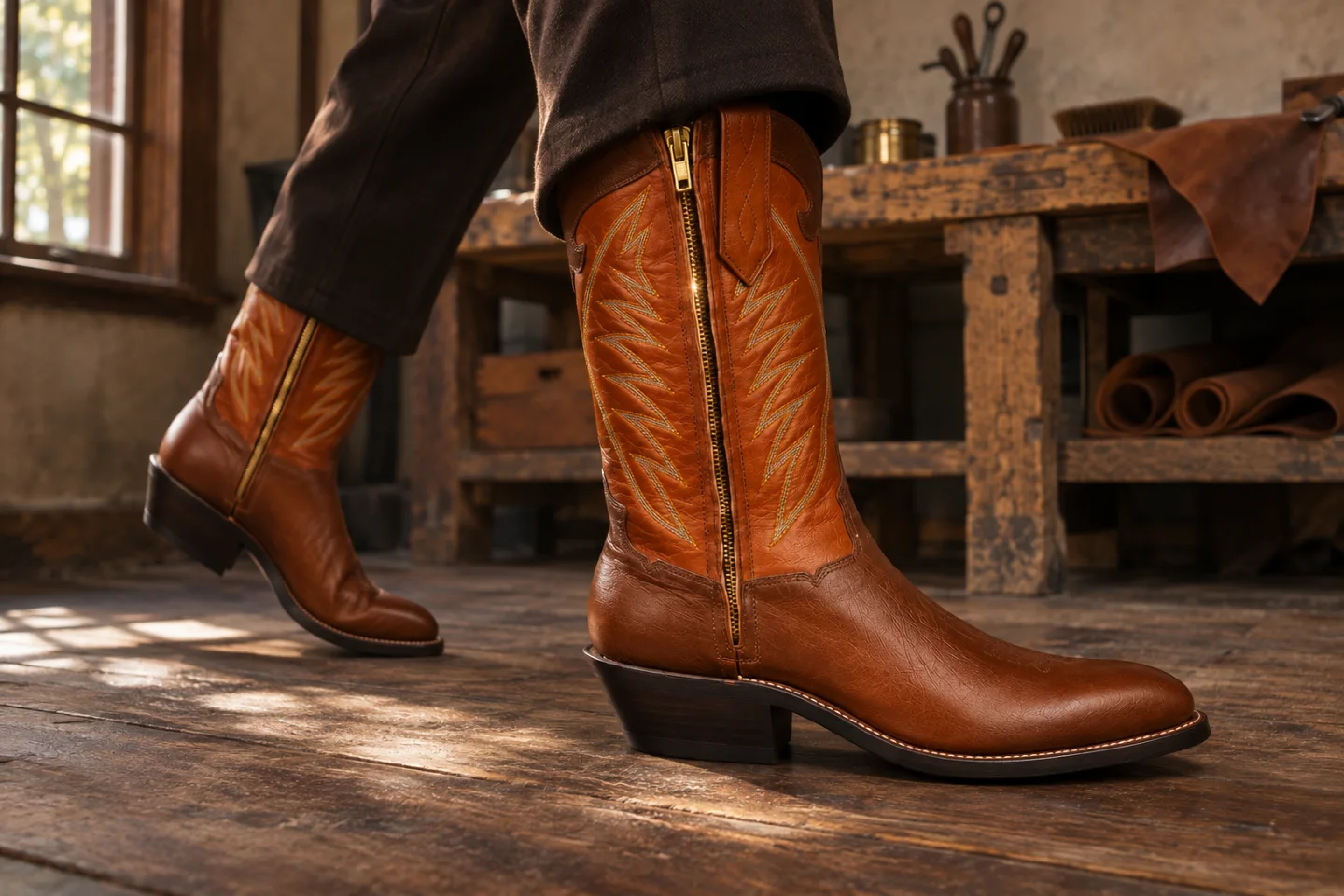
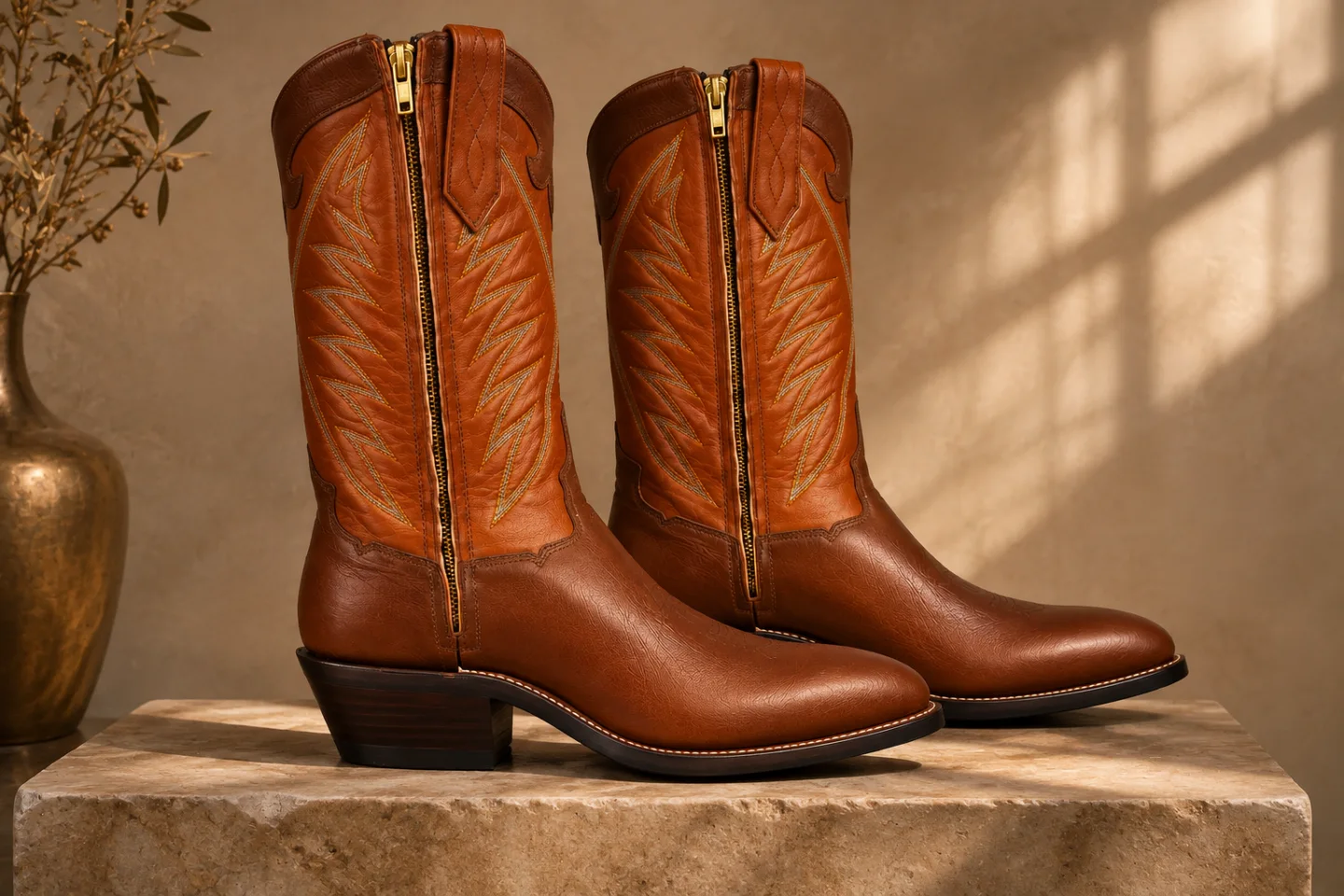
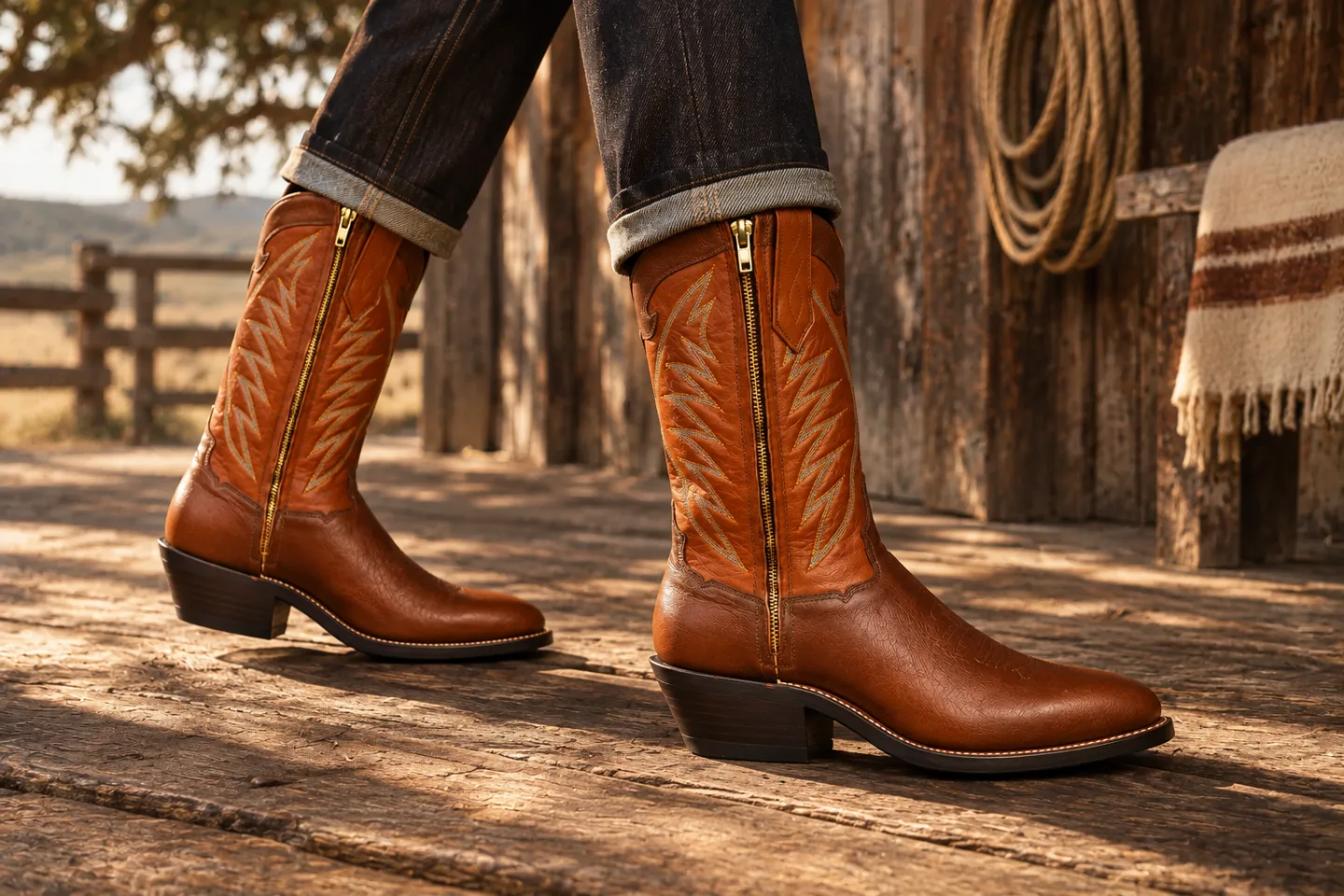
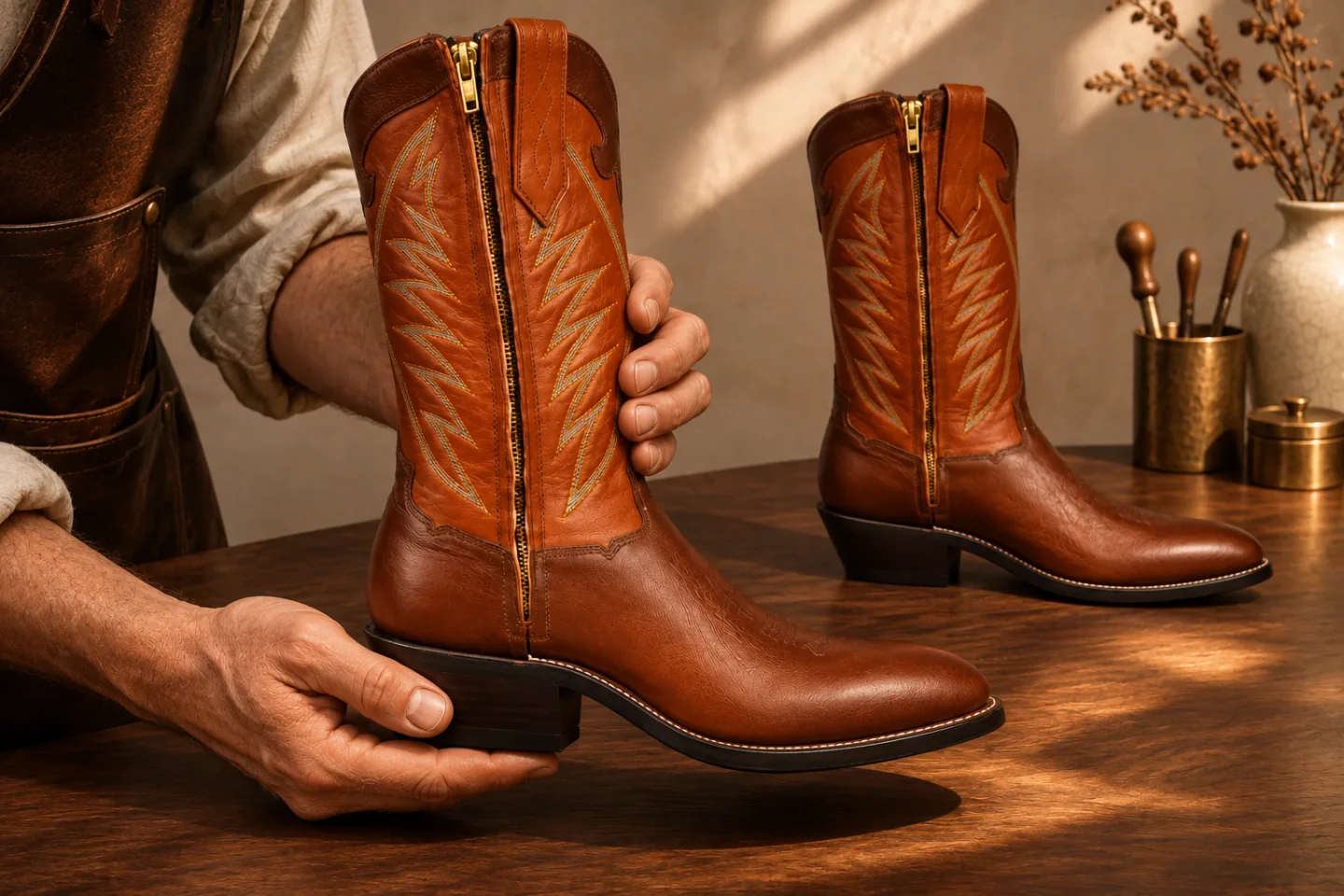
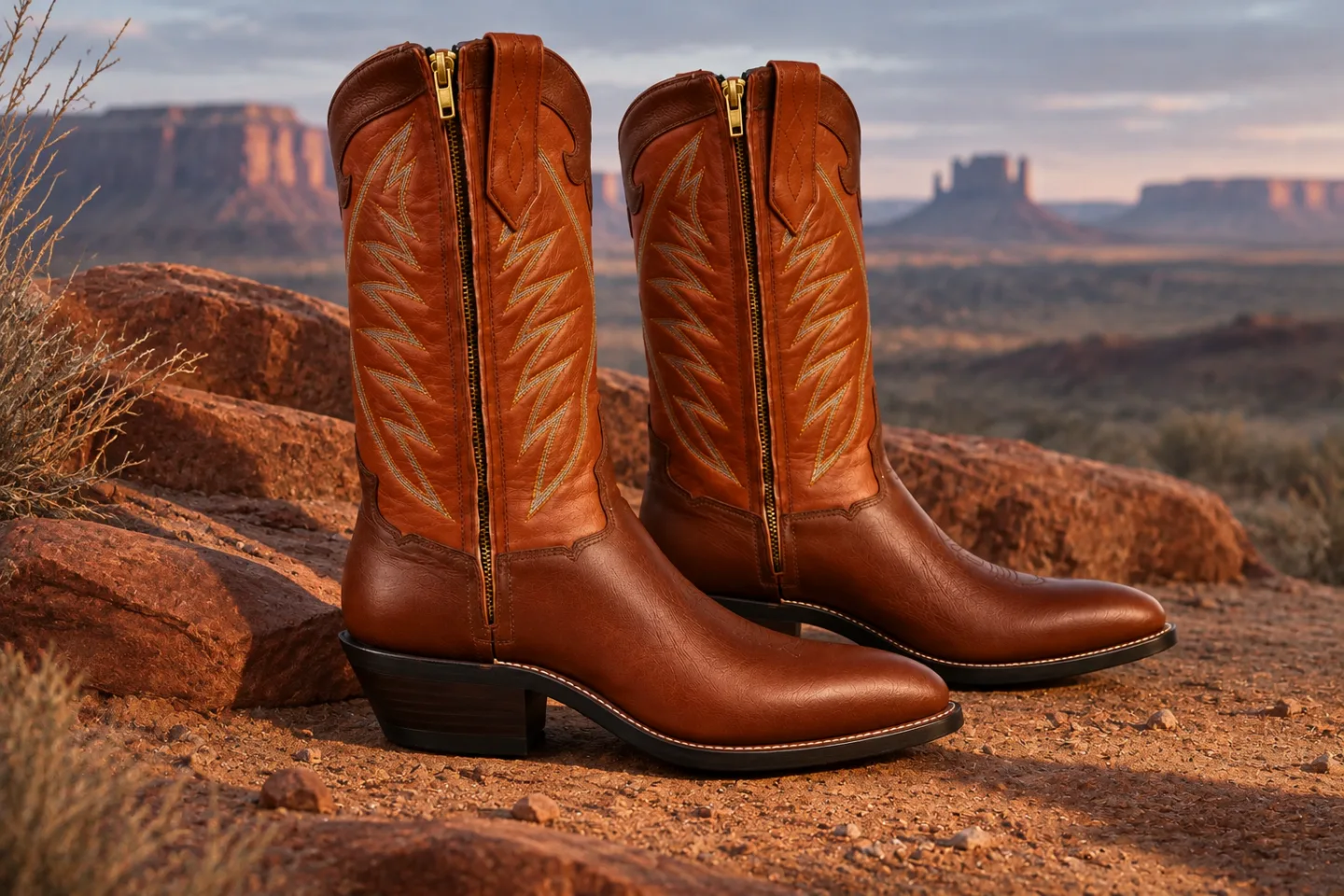
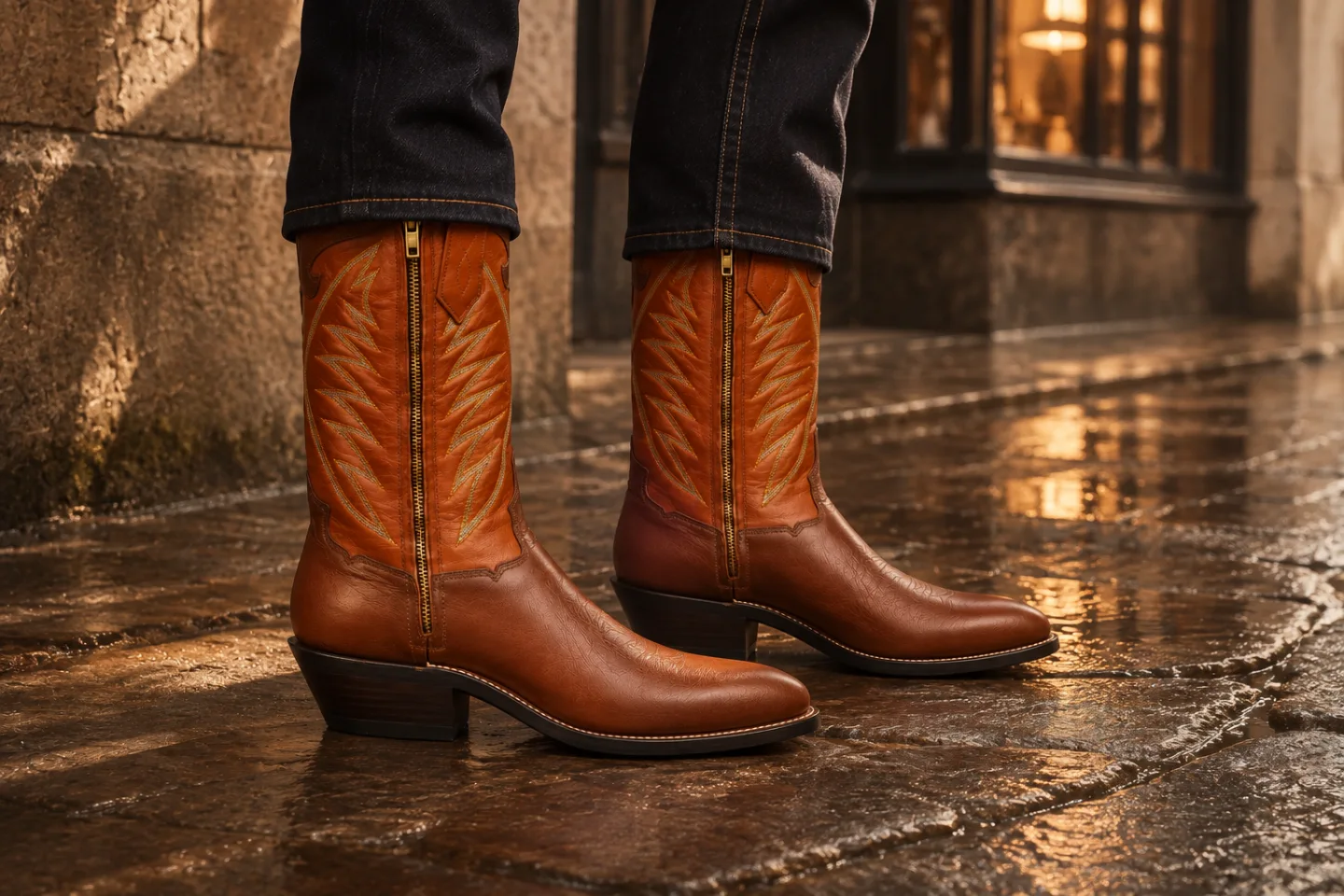
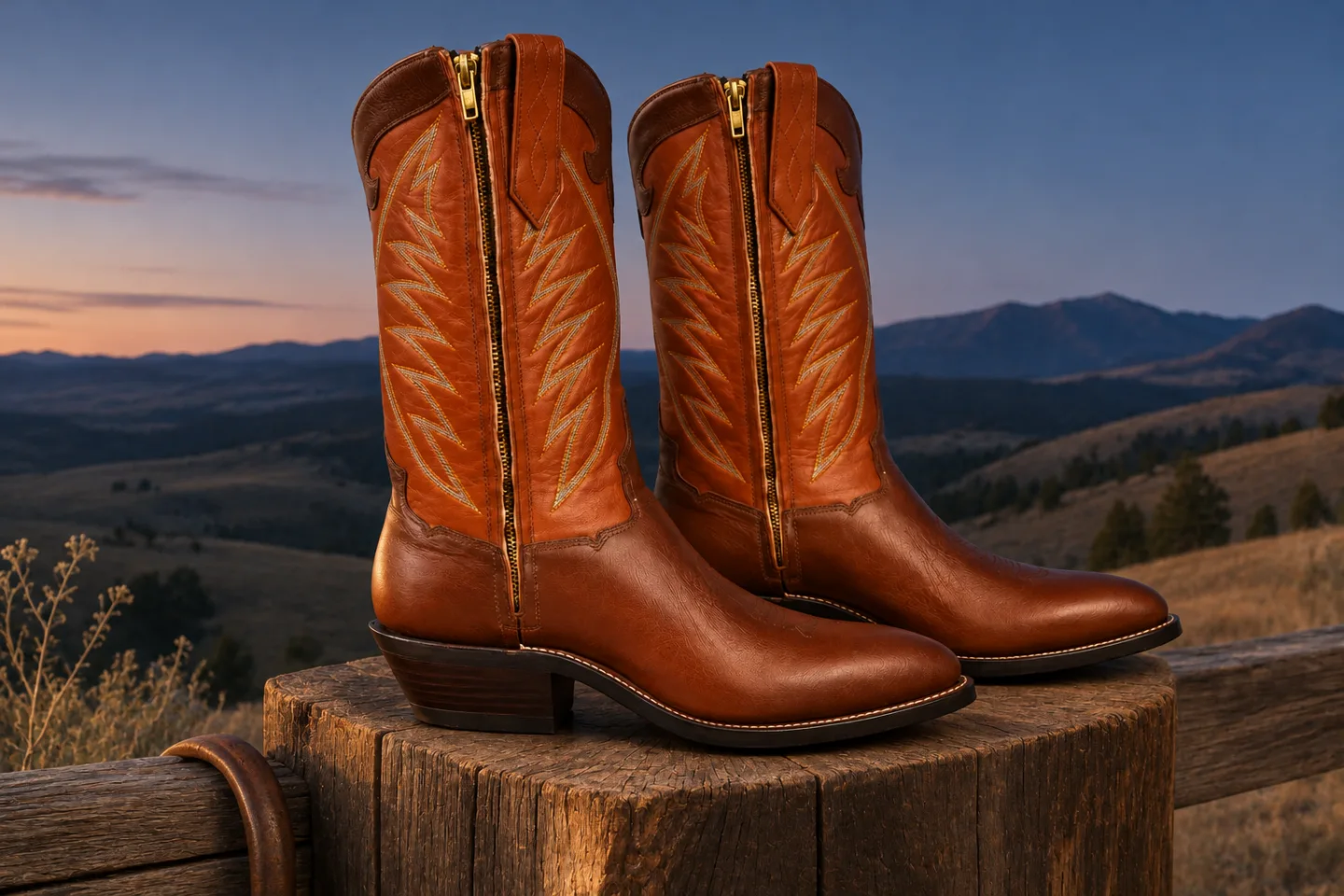
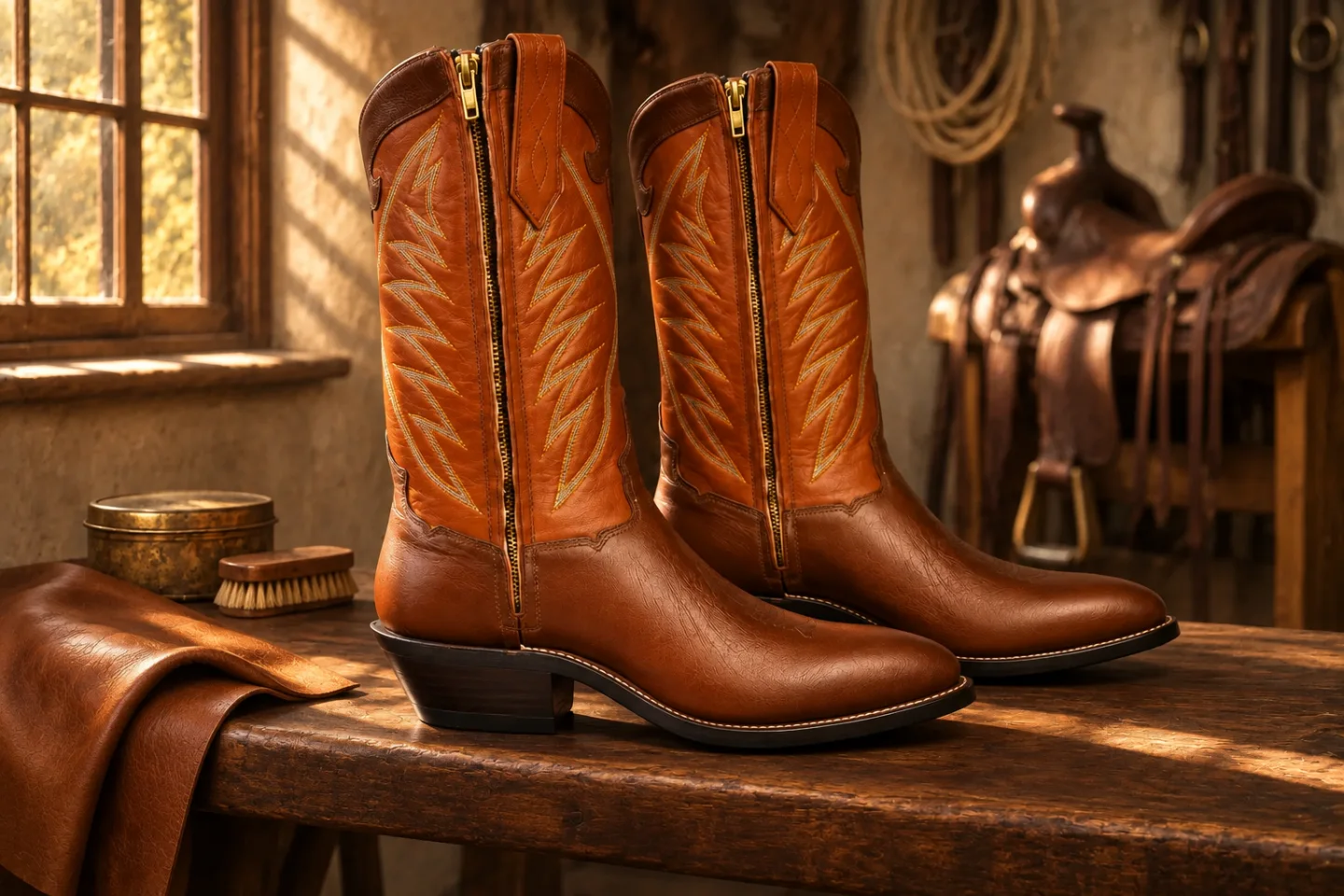
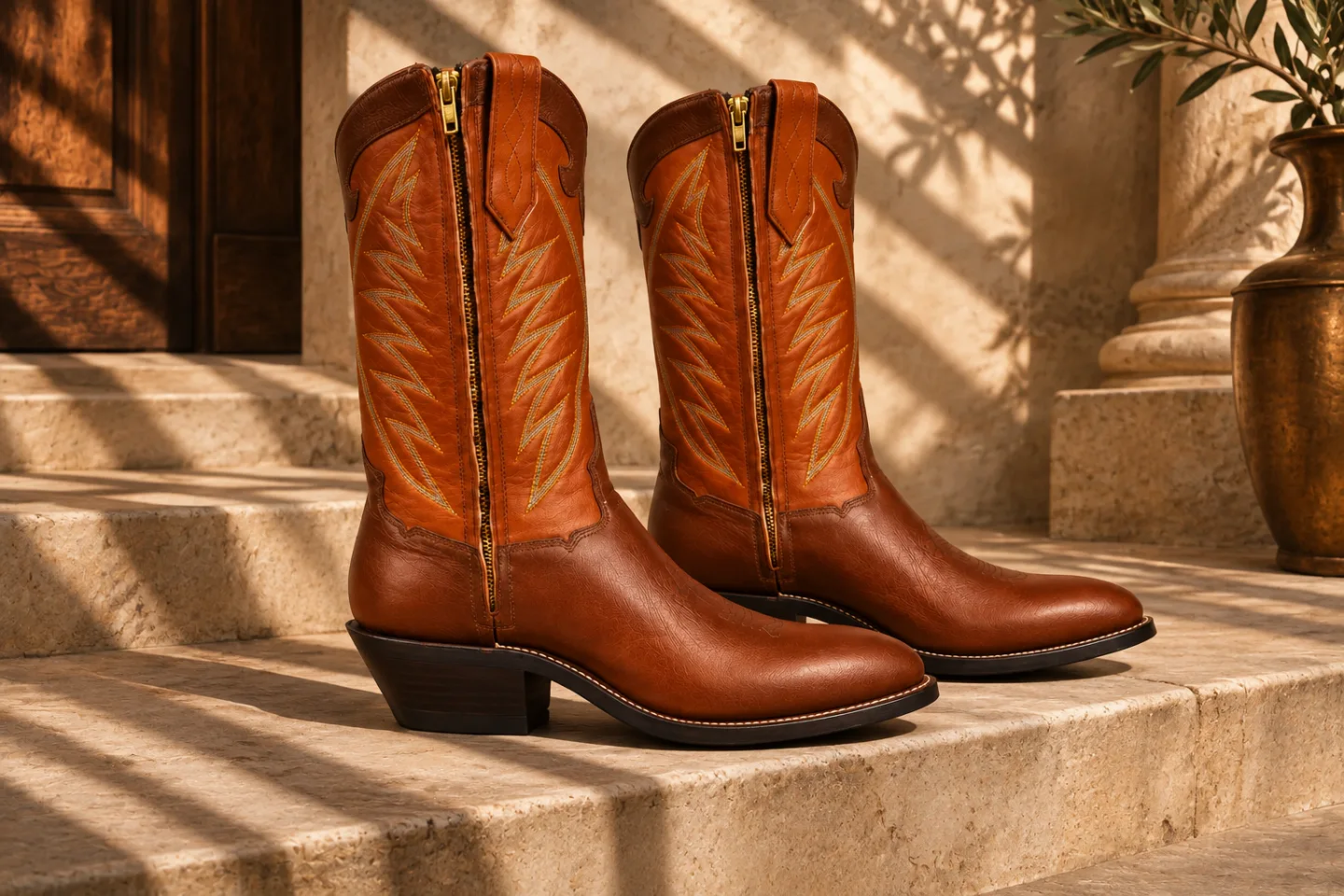
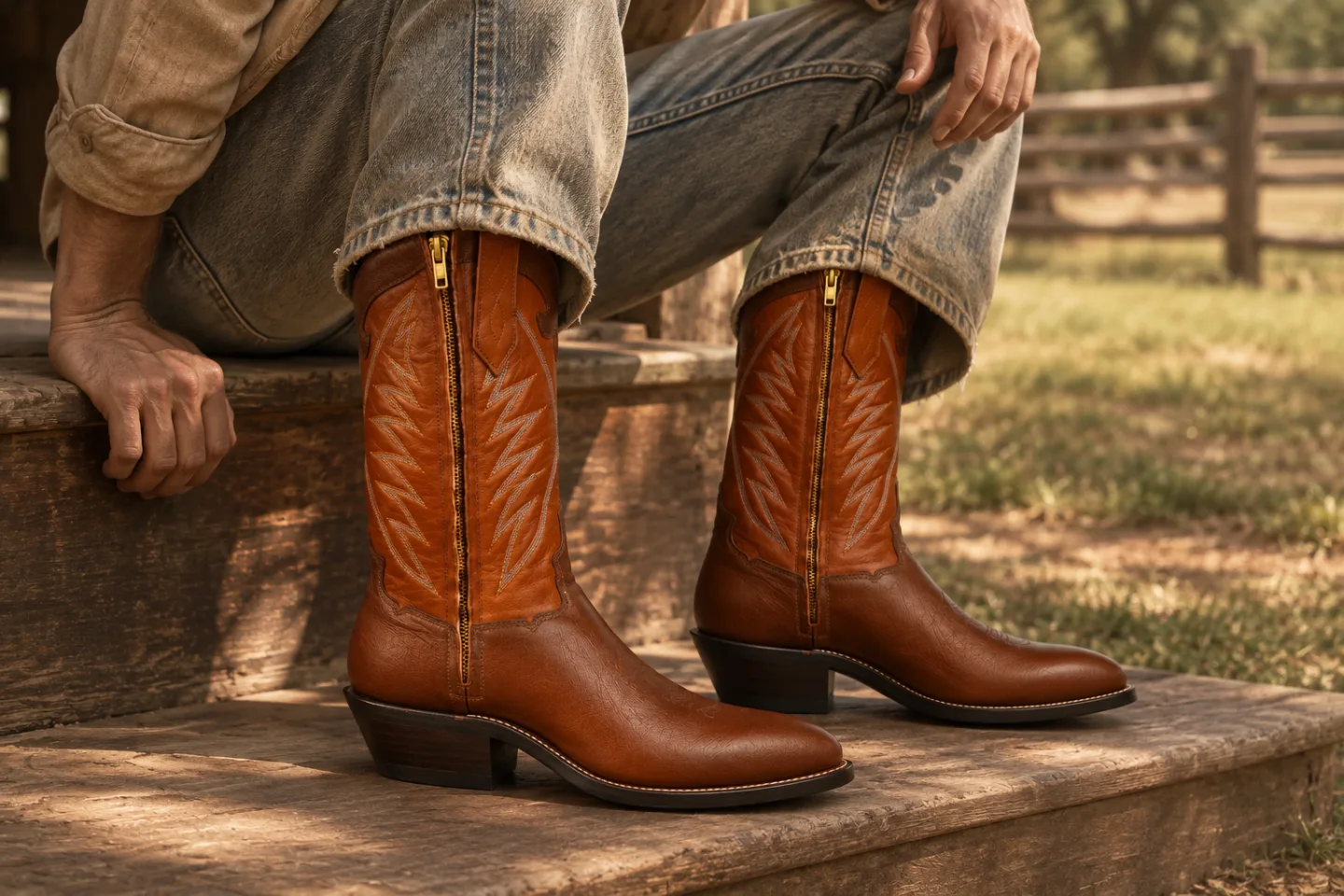
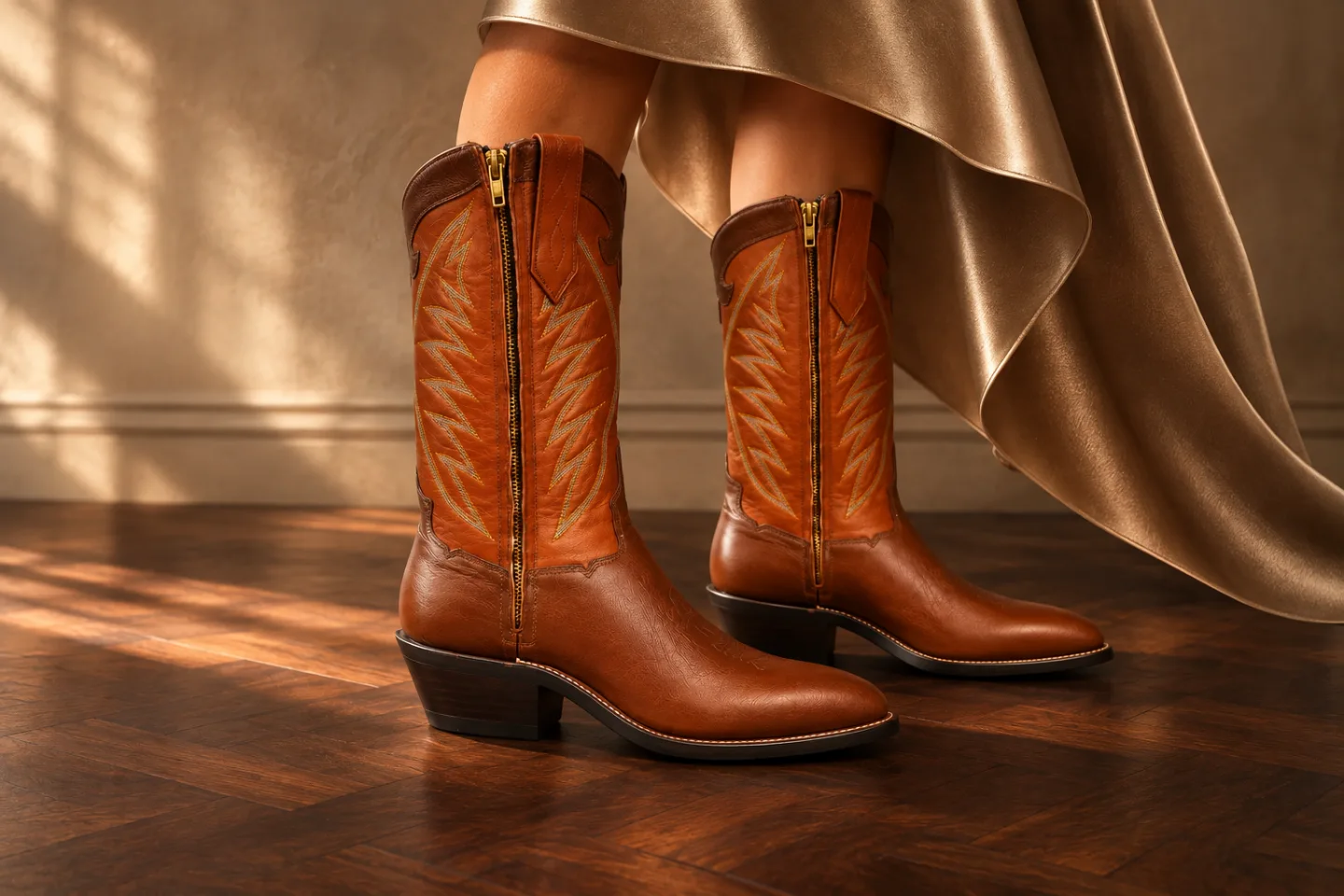
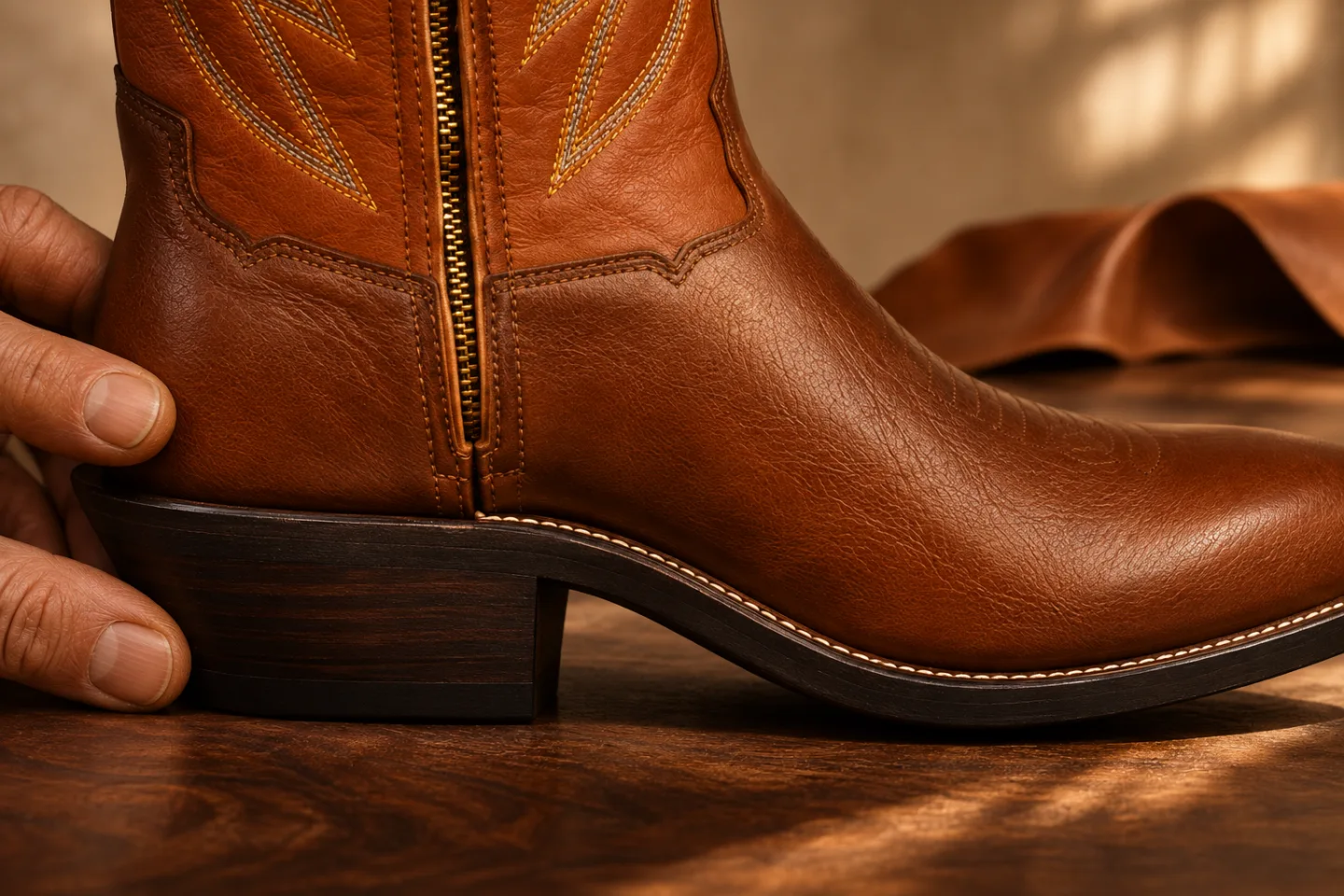
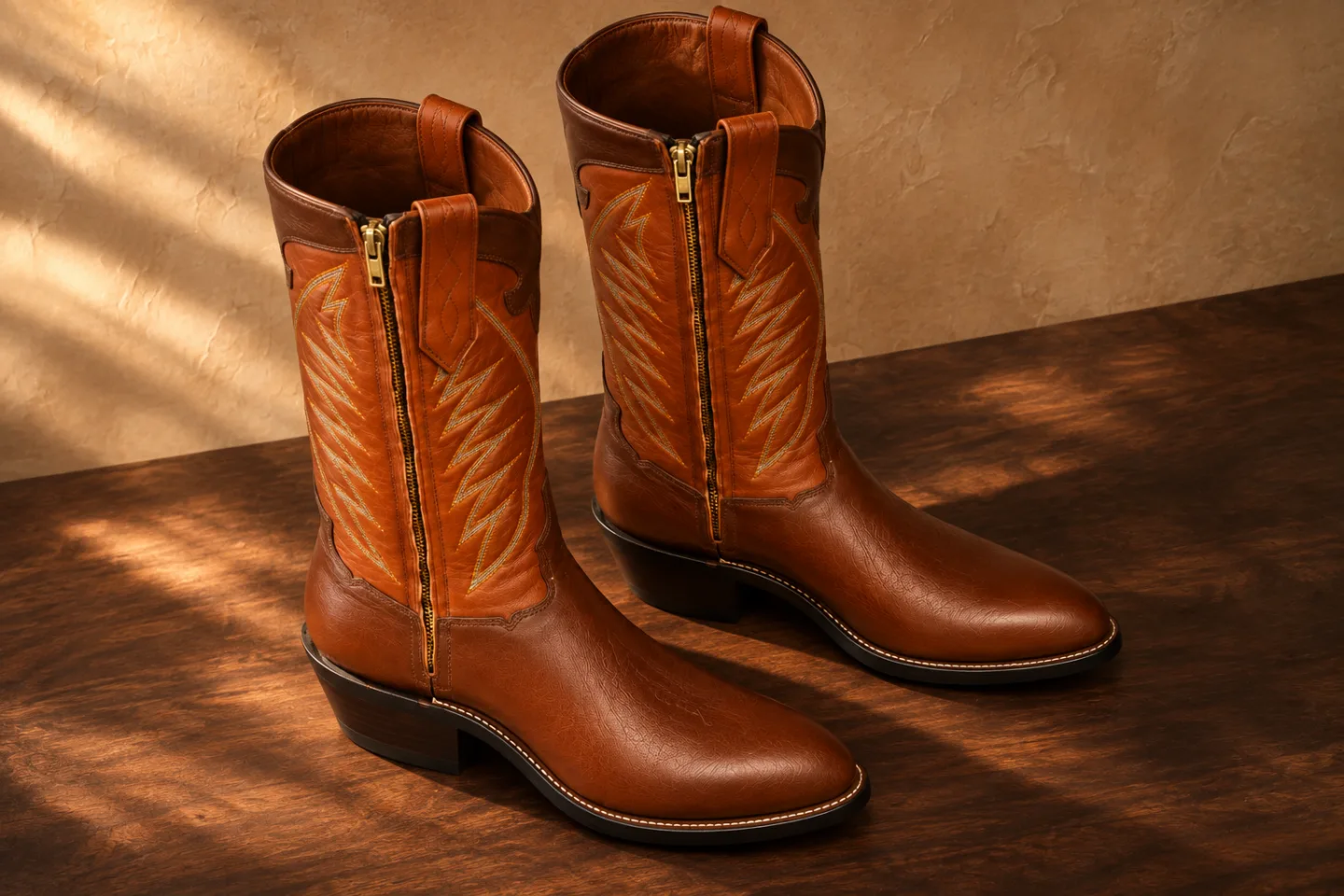
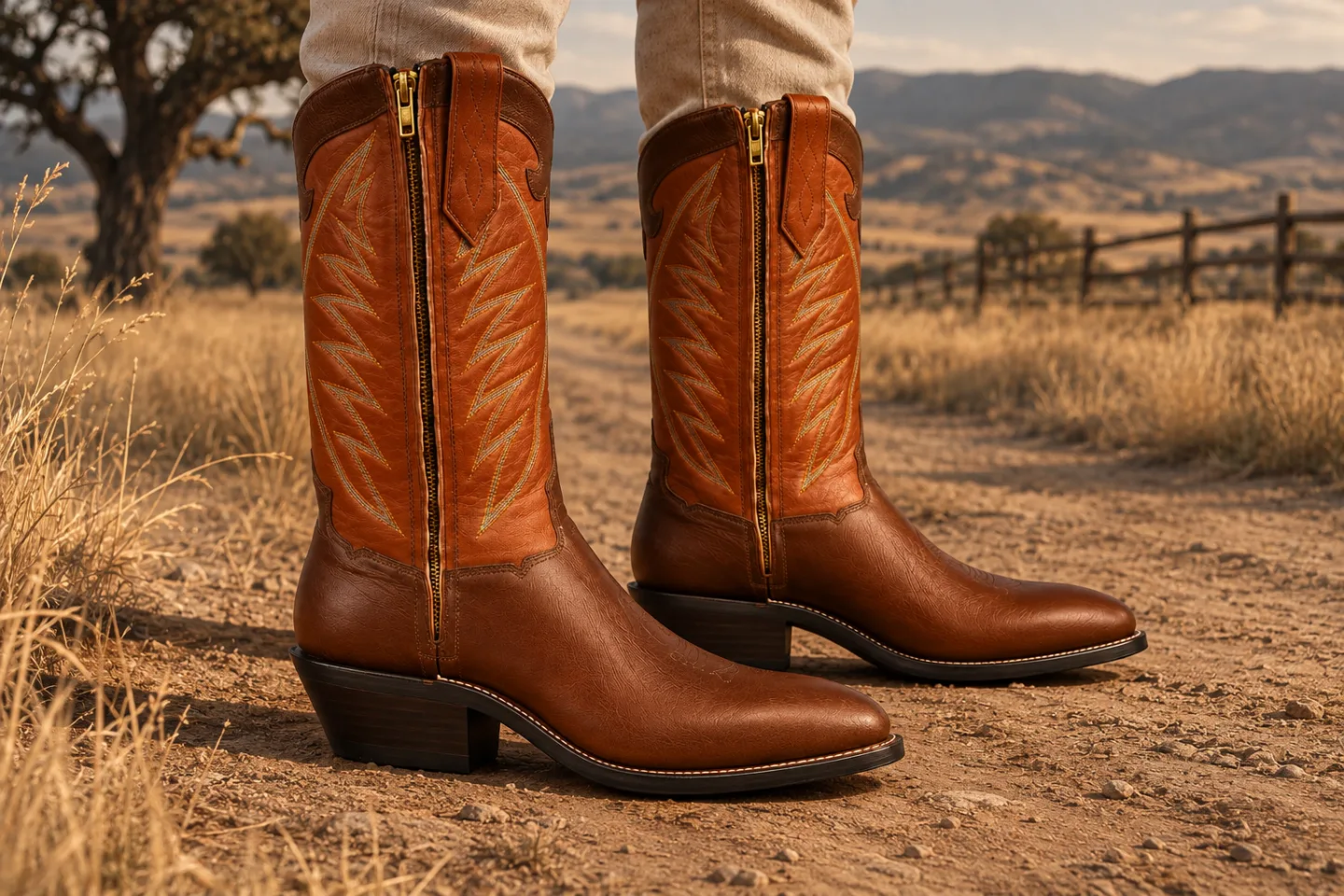
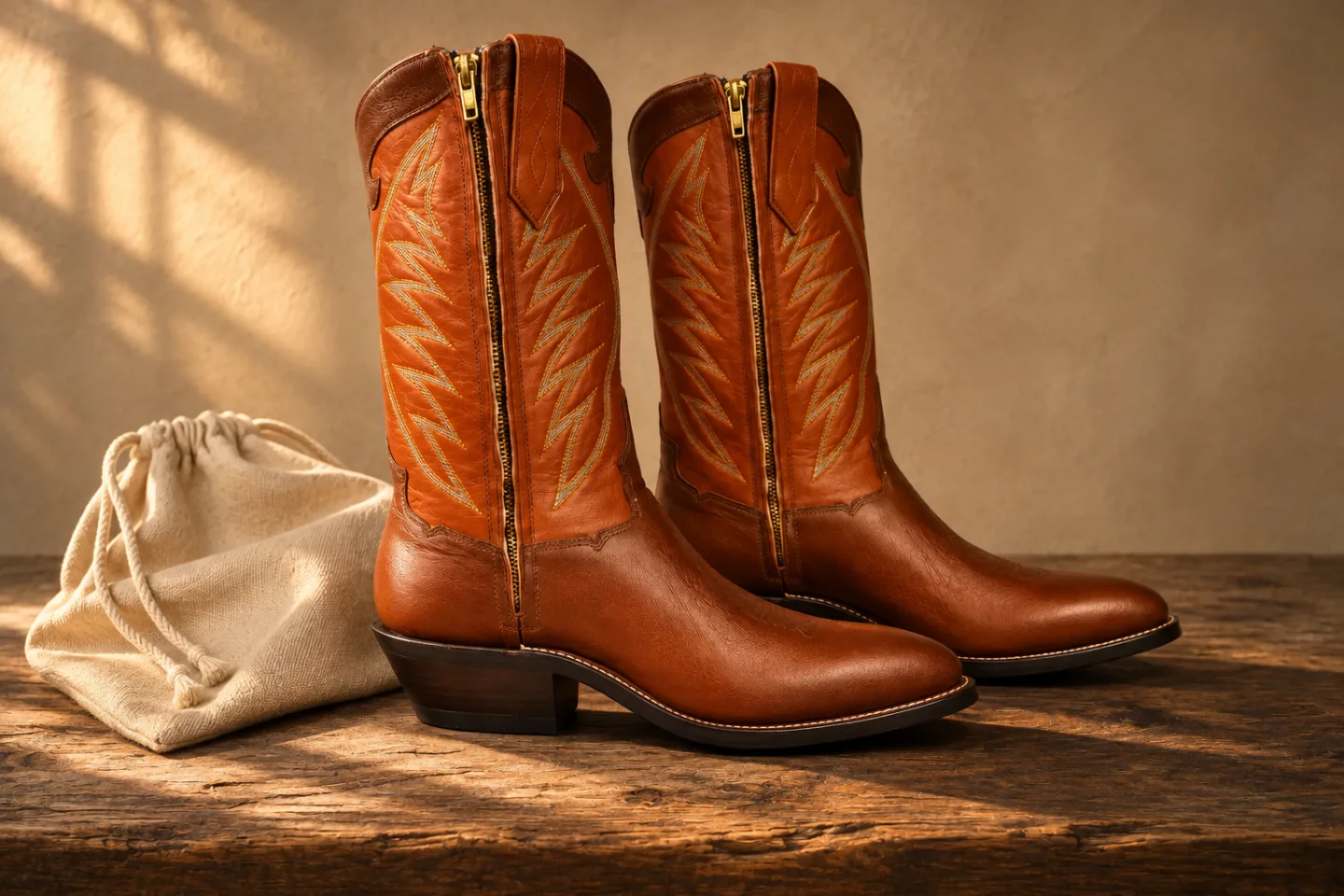
The pair
Most makers save the best leather for the outside, where it gets seen. Here, you and your maker hold thread against the hide until it looks right. Then run a hand over the lining. That’s the leather you’ll meet first every morning.
Pain and comfort
At 5,000 steps a day, that’s about 1.8 million chances a year to notice the seam across your instep. Tell your maker how it feels by supper. They’ll know where to look.
Measuring pain
Walk in the boots you brought. Your maker watches where they hold and where they give. Then you can talk leather and thread. Hear what it meant to one veteran to be asked exactly where it hurt.
44 measurements
The pins take the shape of the rise over your foot. It’s one detail in 44 measurements. The part you’ll notice later is how little you think about the top of your boot.
The tracing
Nat Garcia says shaping a last can take three to ten hours. One of those small adjustments may be all it takes to give the toe that always finds the edge a little more room.
Leather
Fold a sample of Horween Chromexcel and the color lightens at the bend as the oils move. Ask the bench which hides it can source and how each one ages. Choose carefully. You’ll be spending a lot of time together.
Underfoot
Your maker shapes the insole to the form they made for your foot. It’s the layer you stand on when you stop to talk and the one you lean on when you get going again. It gets the master’s first choice, too.
Craftsmanship
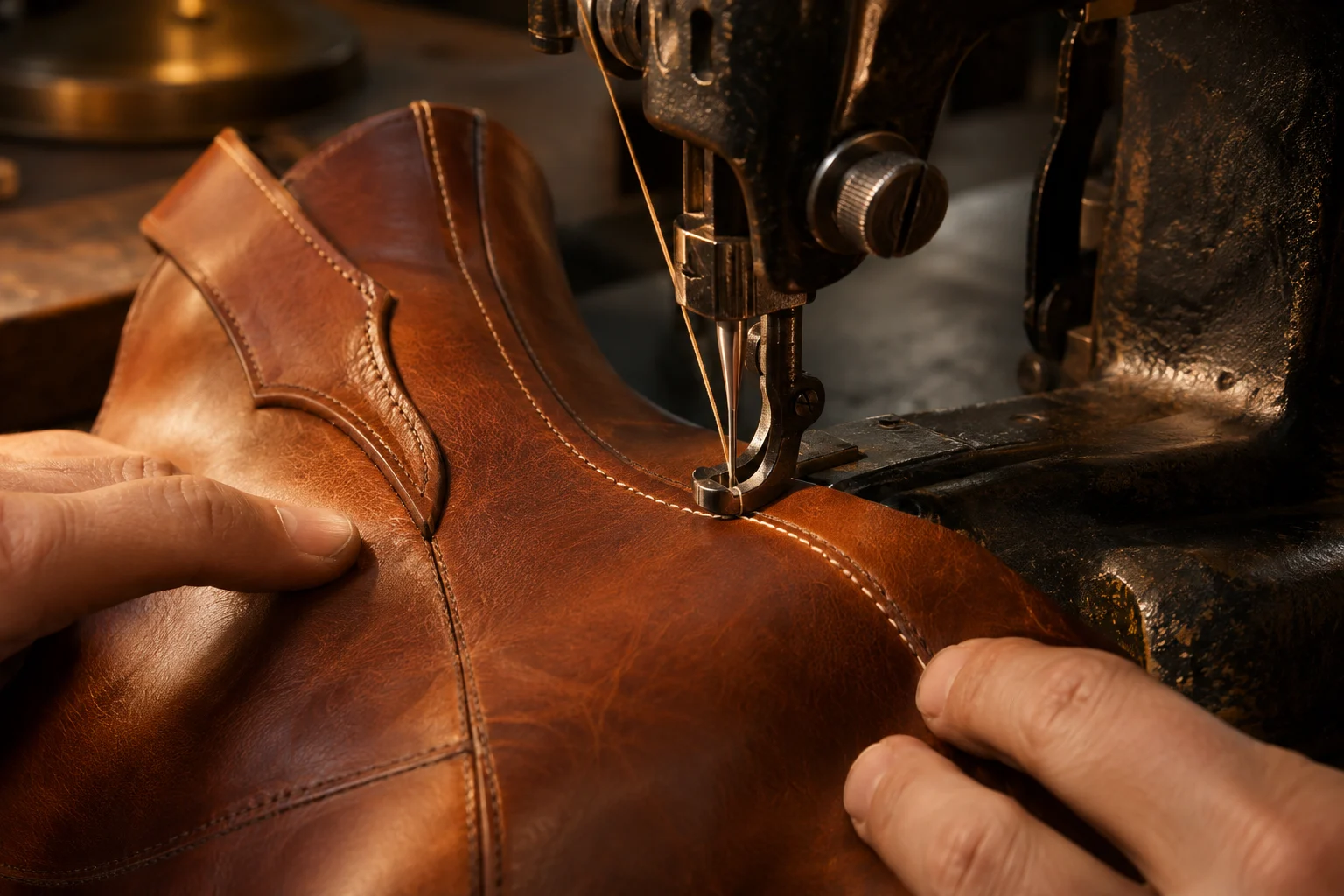
Turn the shaft toward the light and watch the thread keep its line around the curve. If a pair needs more time, it gets more time. Nat Garcia’s reason is simple: “Your name is on it.”
Care
When the sole starts to thin, the leather above it is usually just getting good. Concierge Care cleans the pair and lets the maker see what can be renewed underneath.
Your fitting
You know you chose well when the pair you bought for evenings out starts living by the door. Atelier starts at $18,000 for one wearer: a private fitting in Tucson, about 50 hours at the bench and three to four months before the box arrives. Money can buy the finest leather. Nothing buys those hours faster.
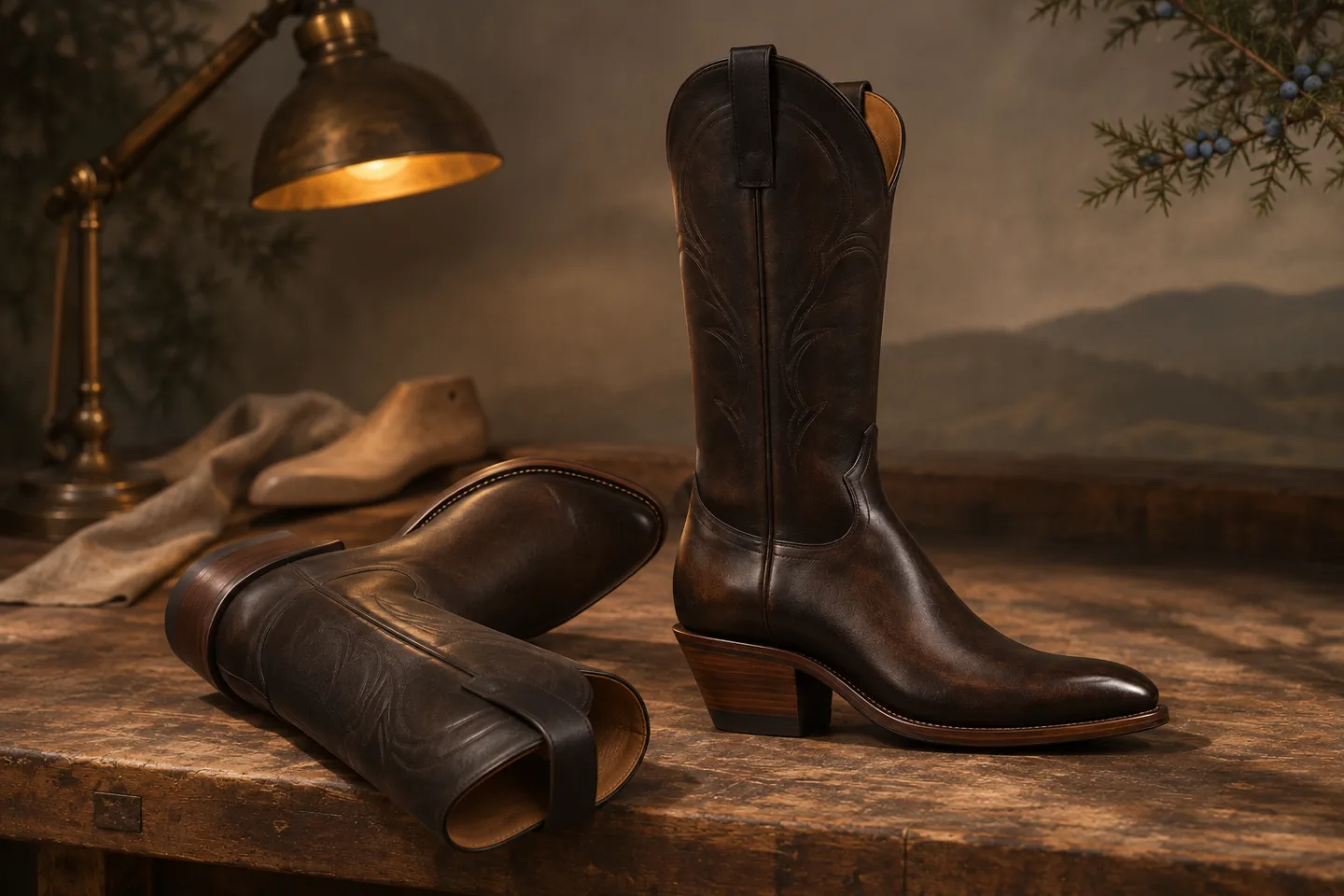
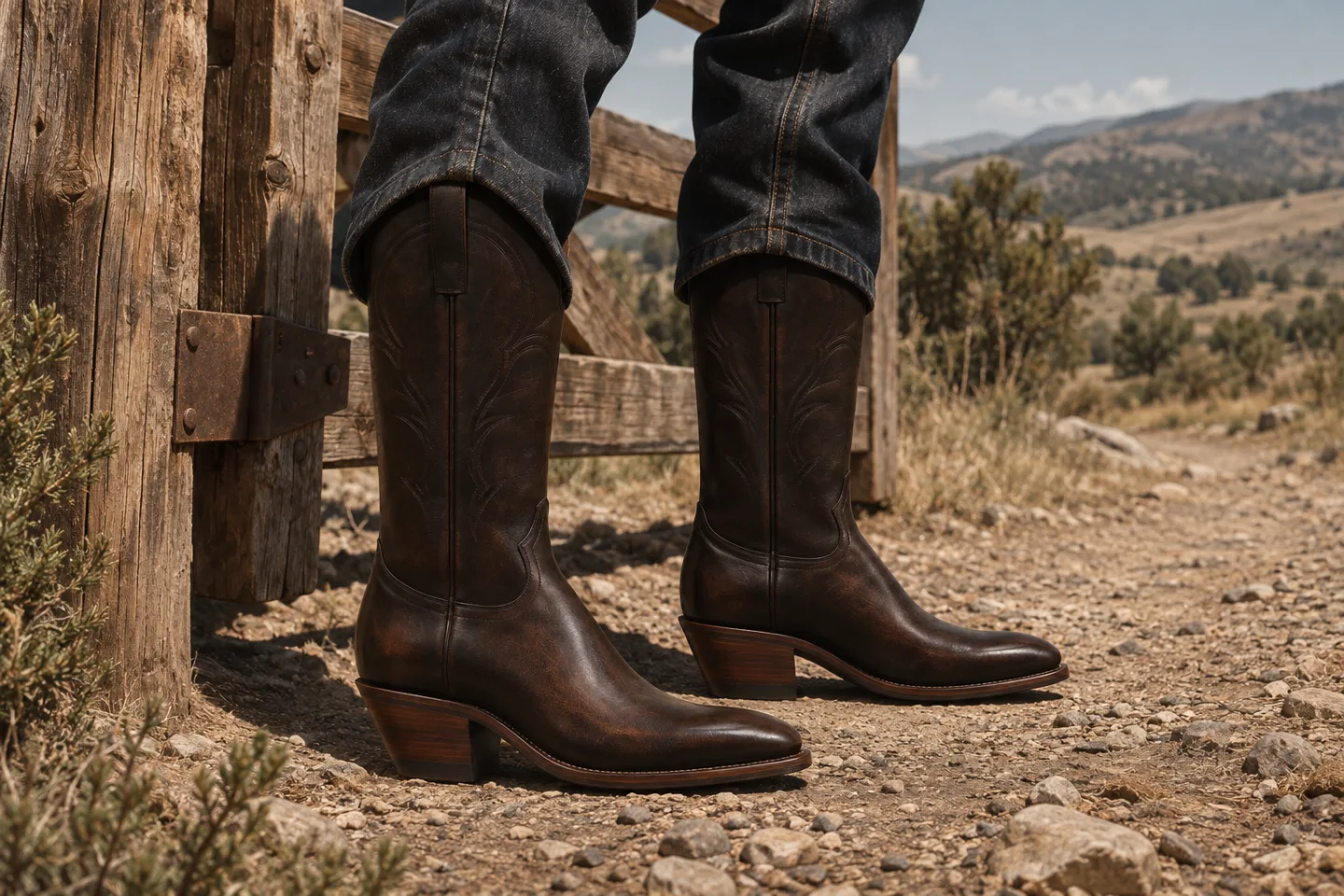
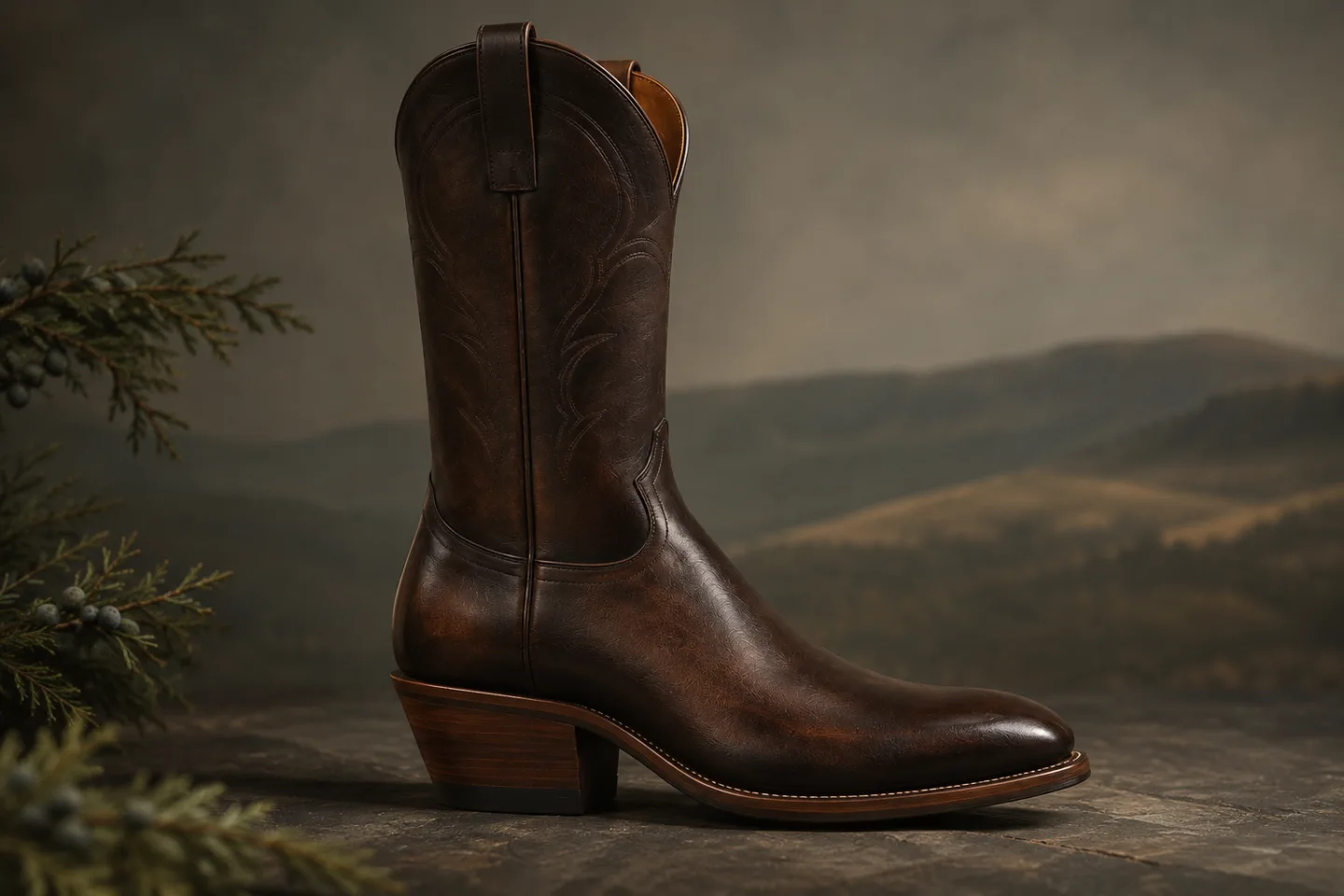
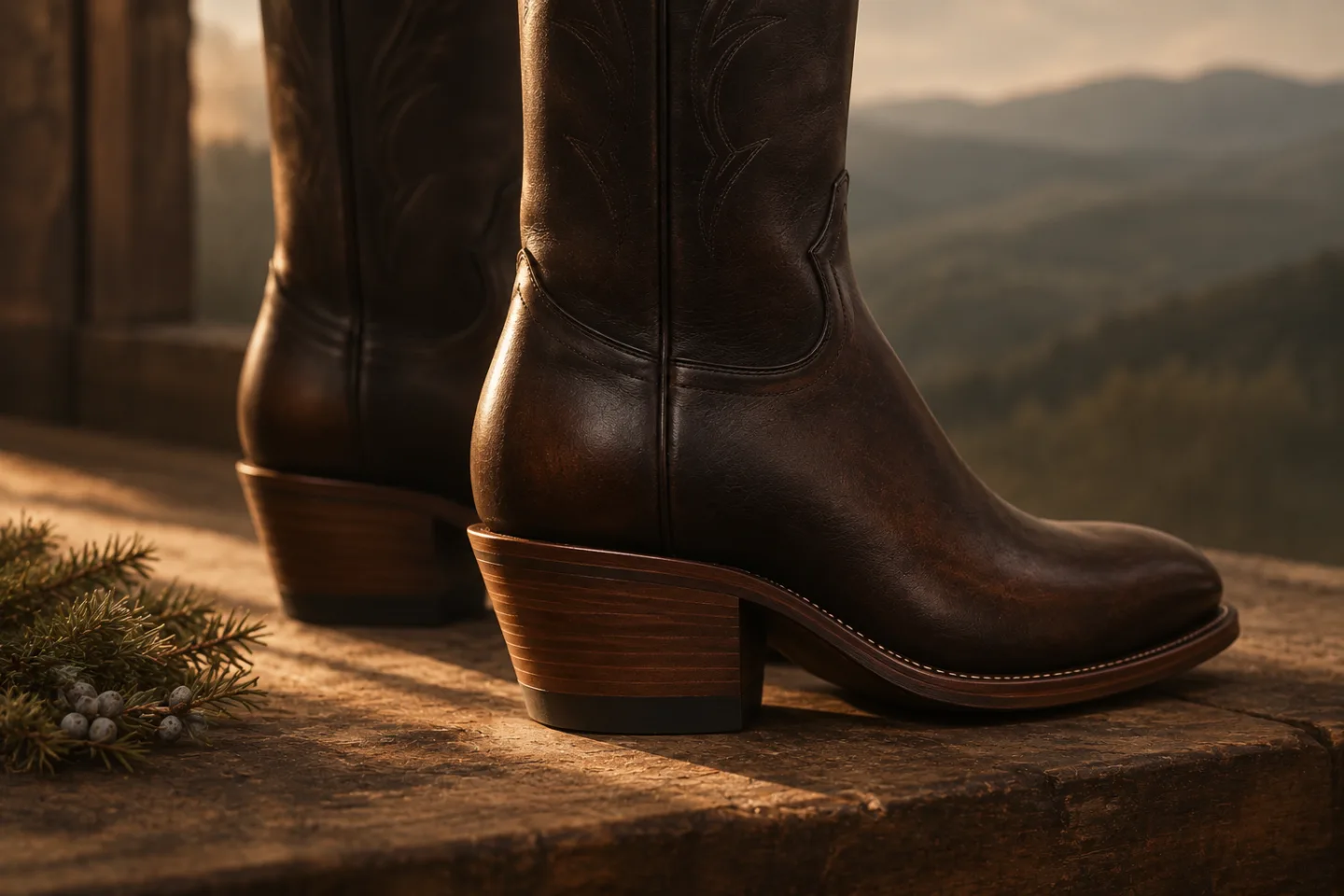
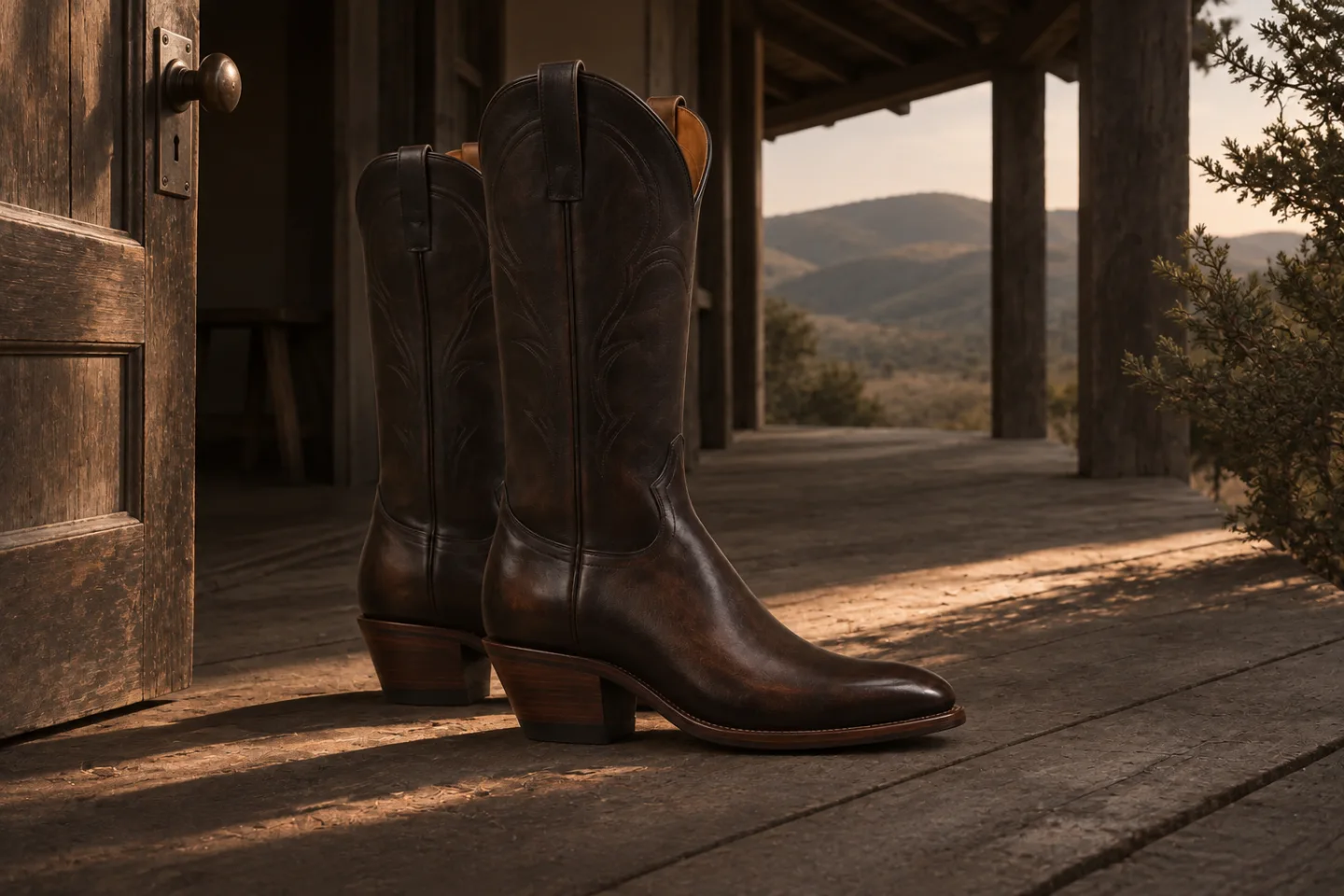
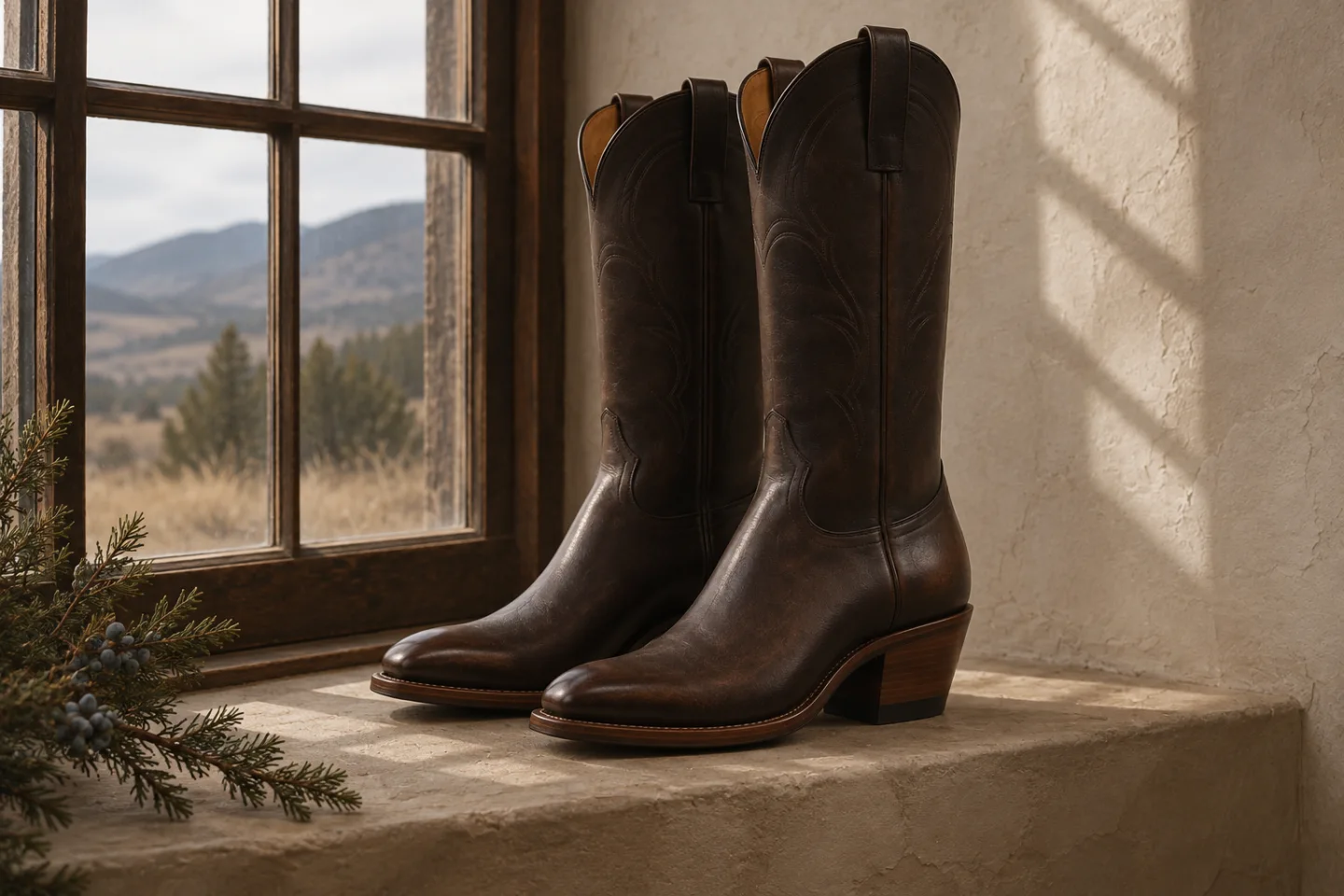
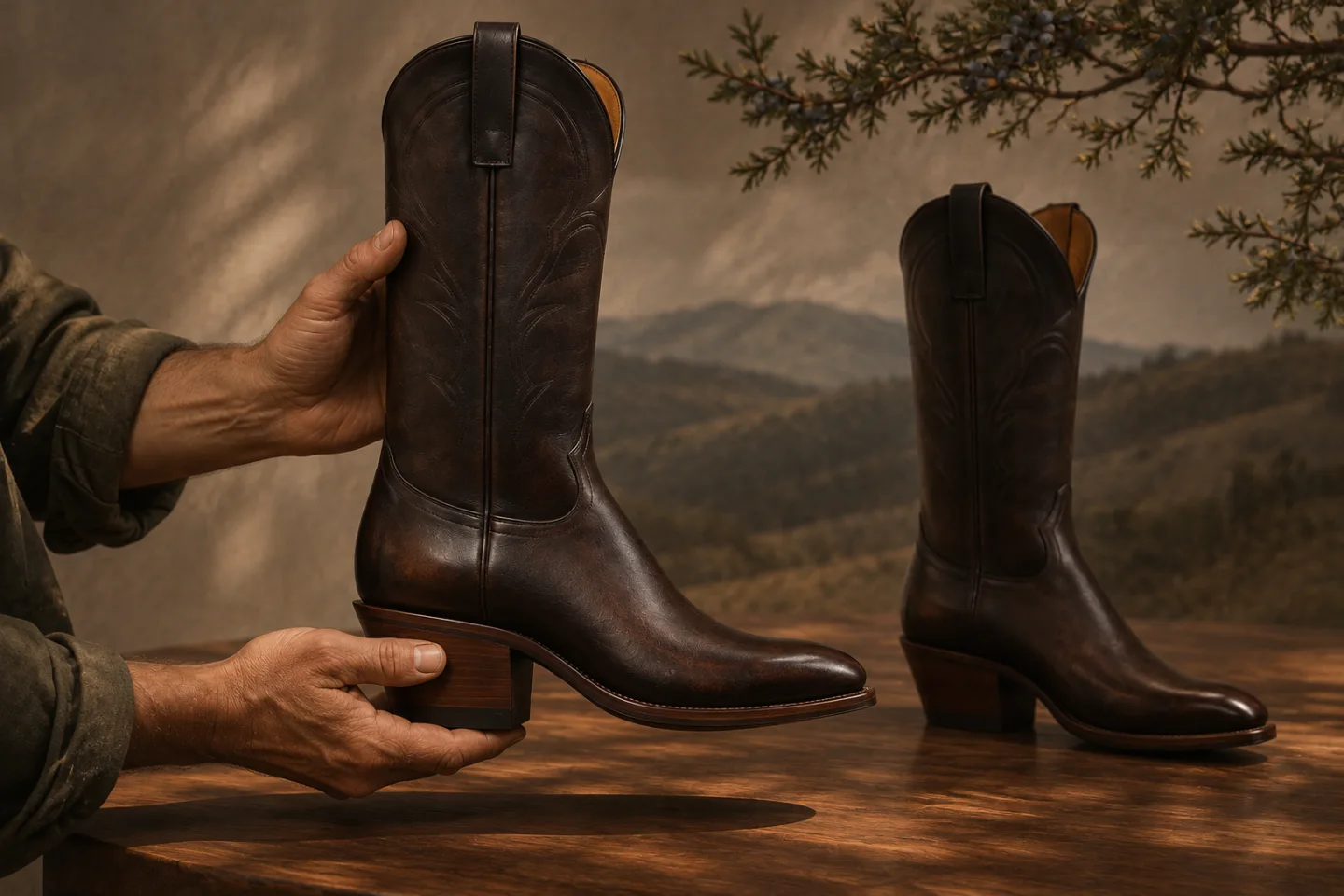
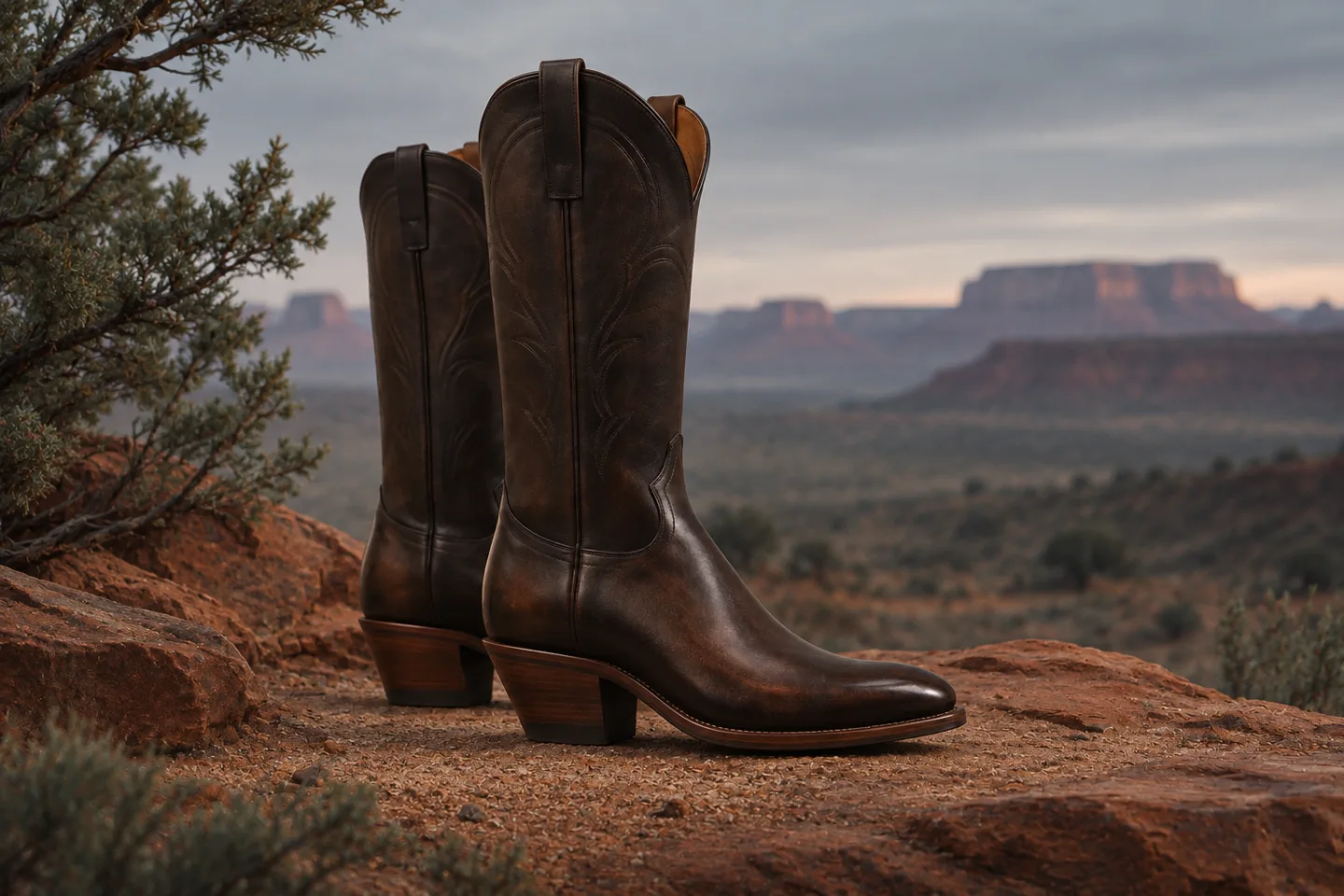
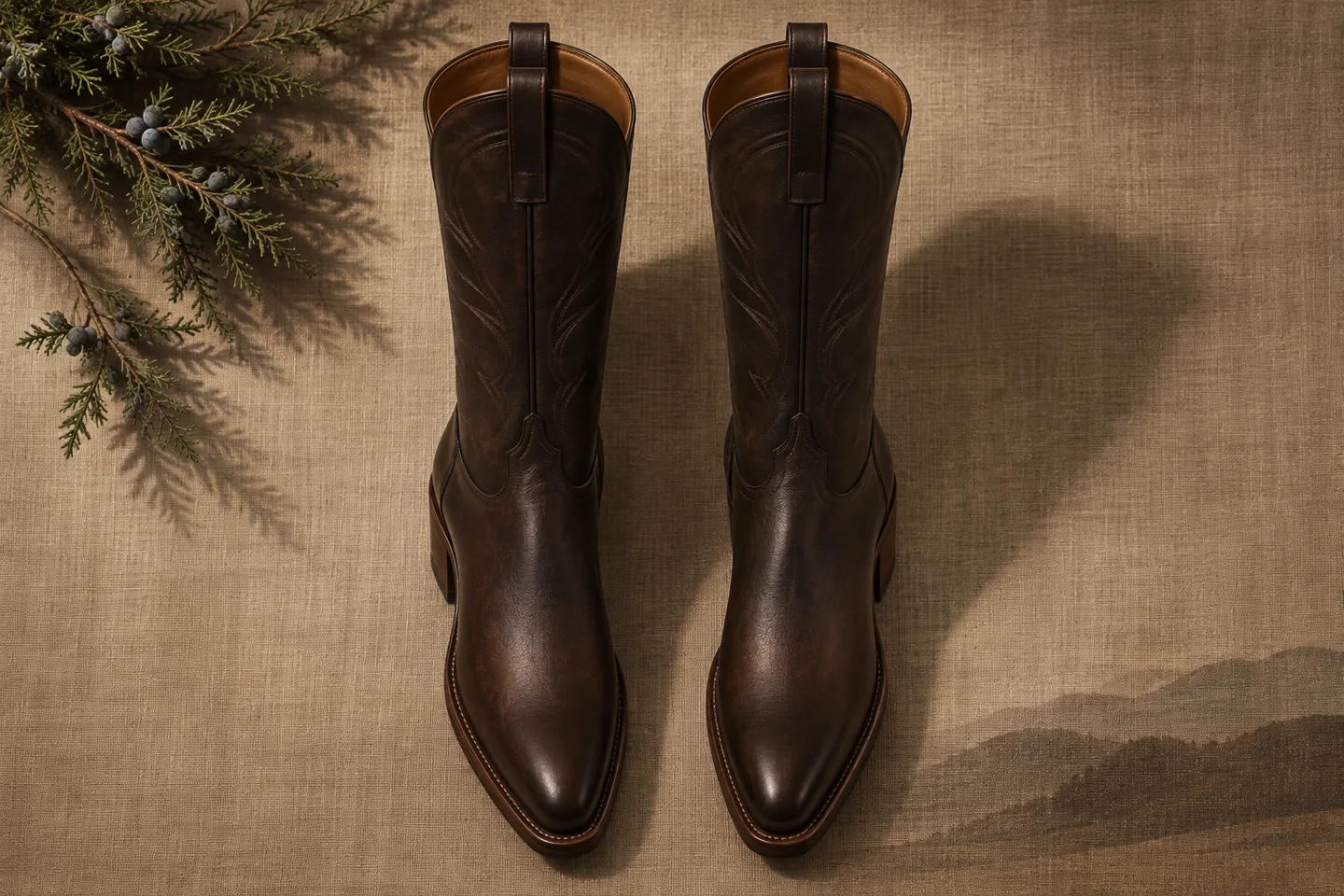
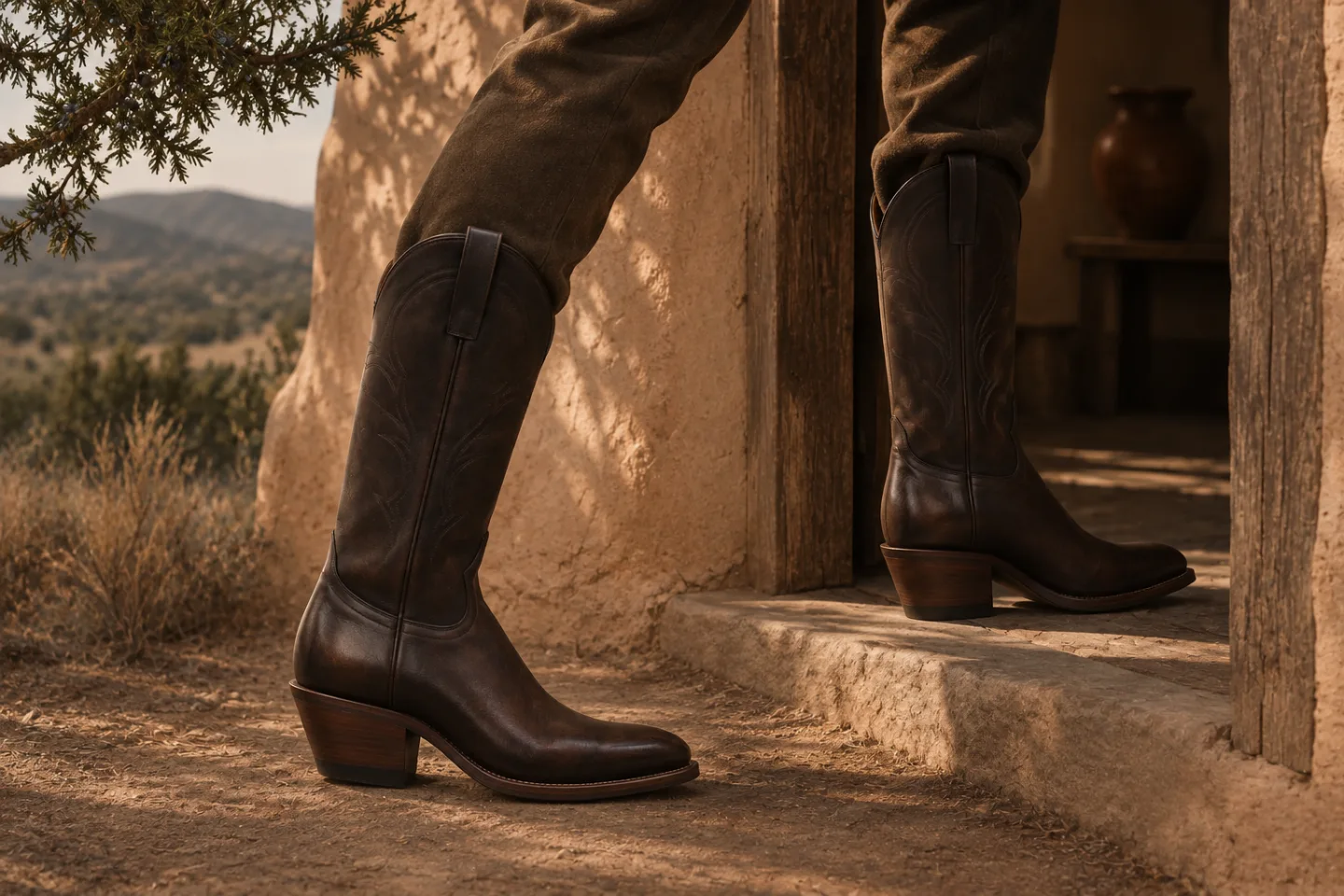
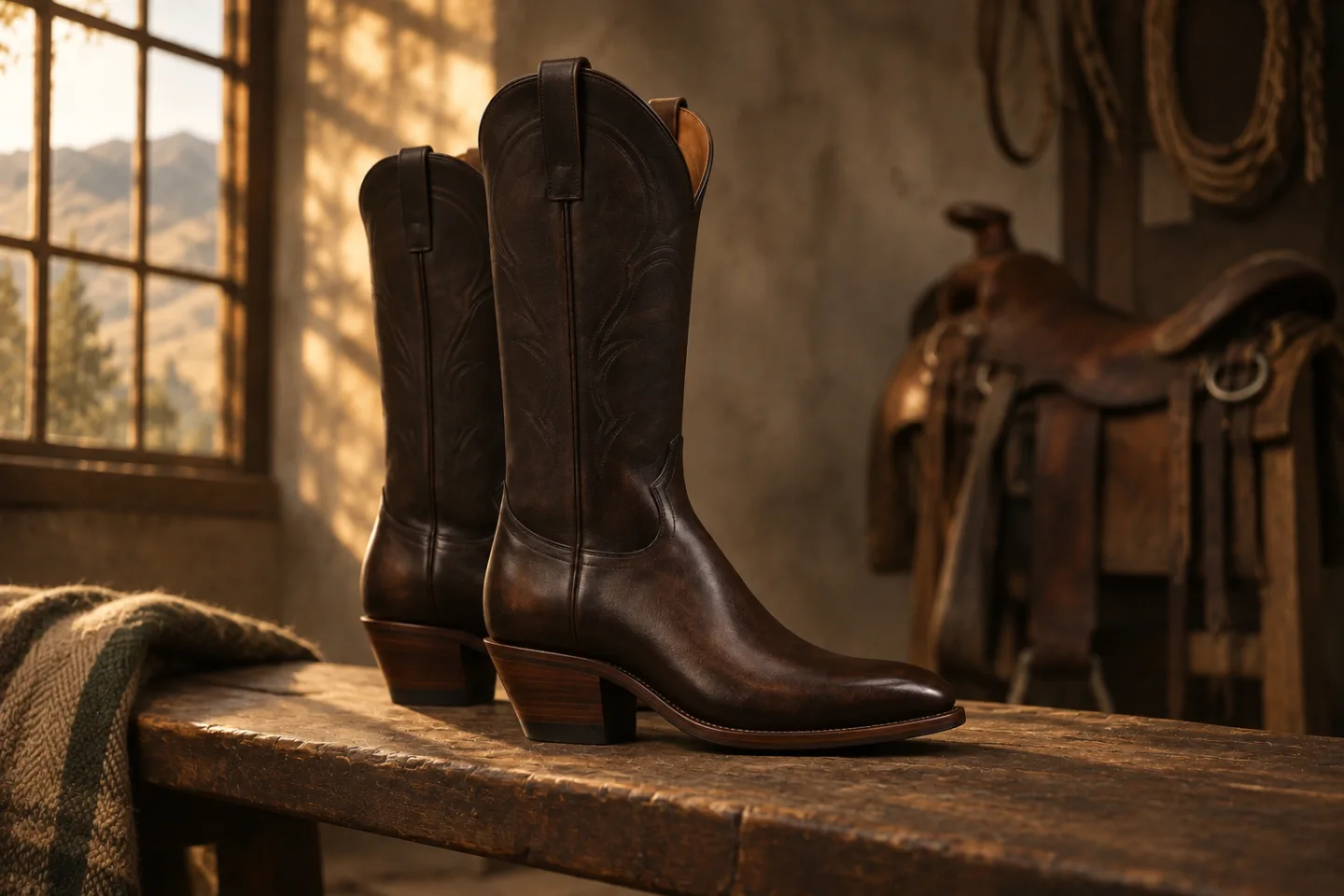
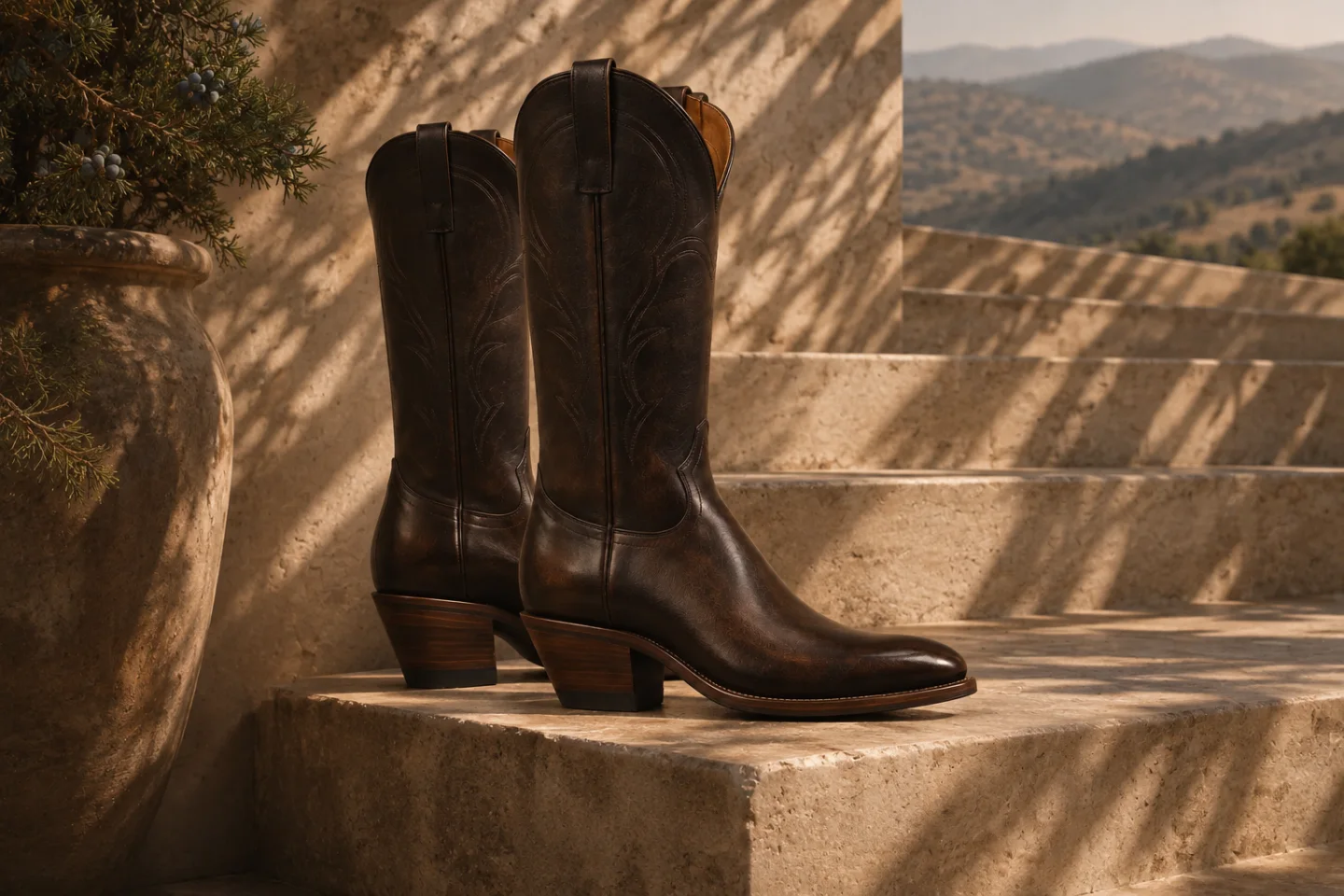
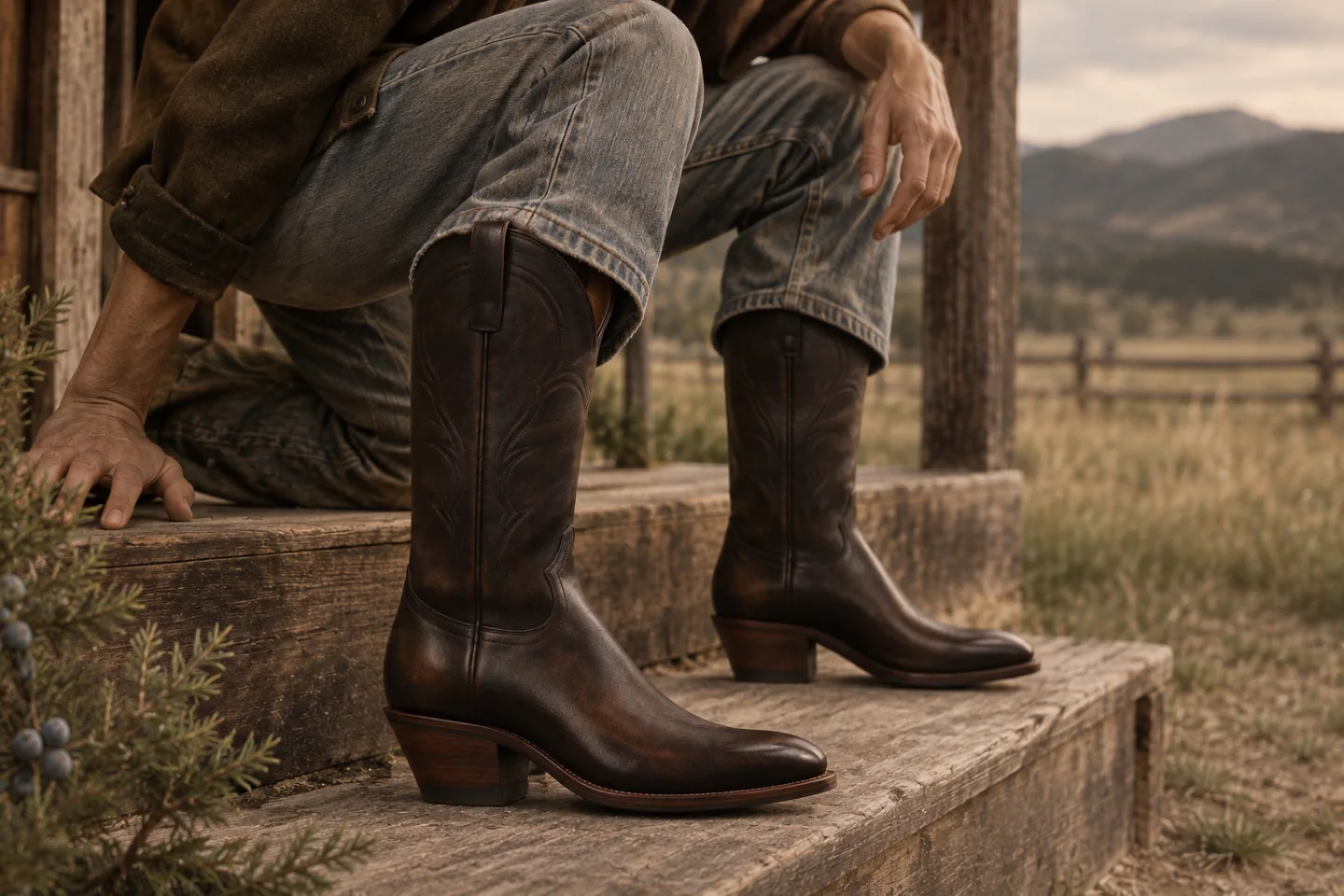
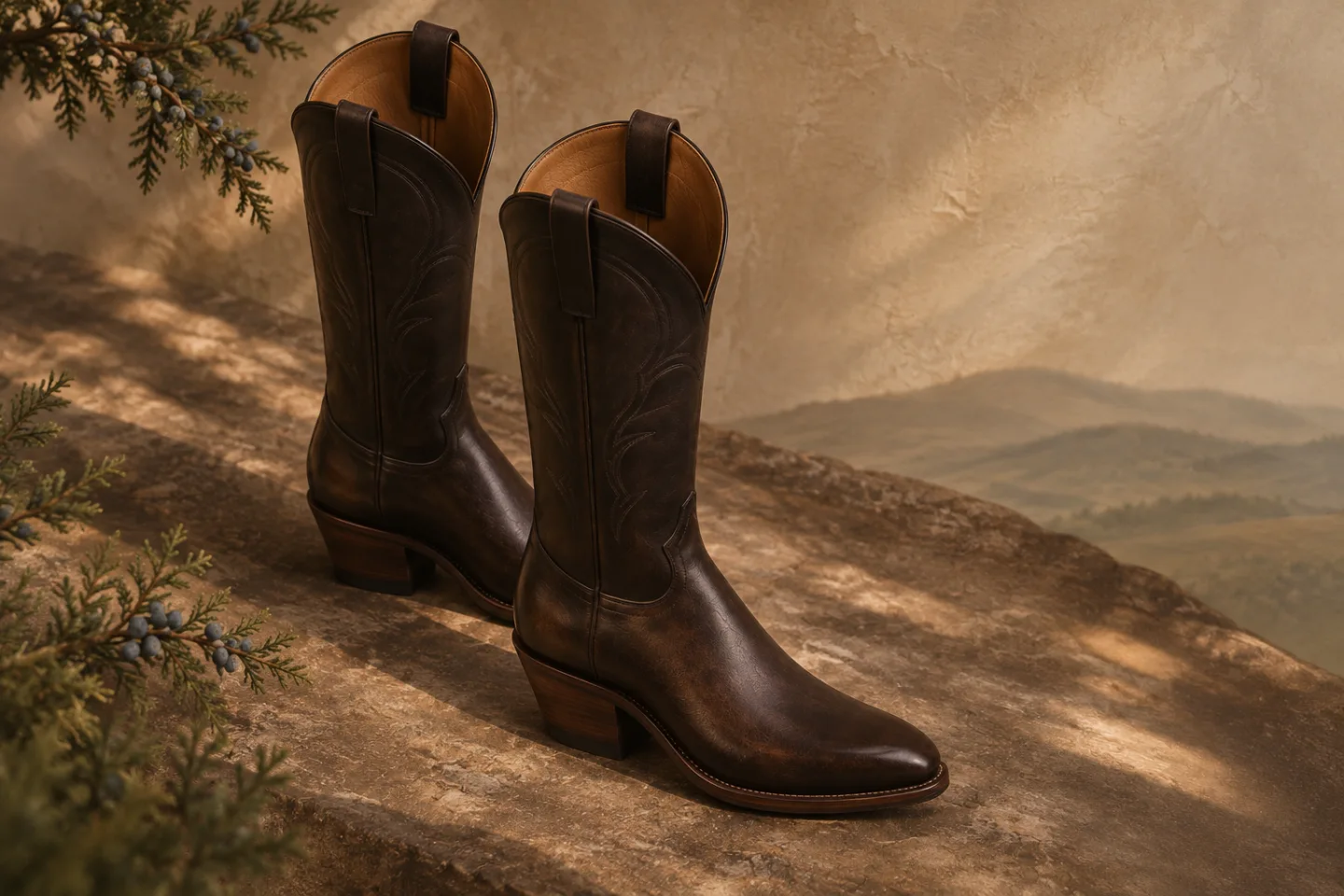
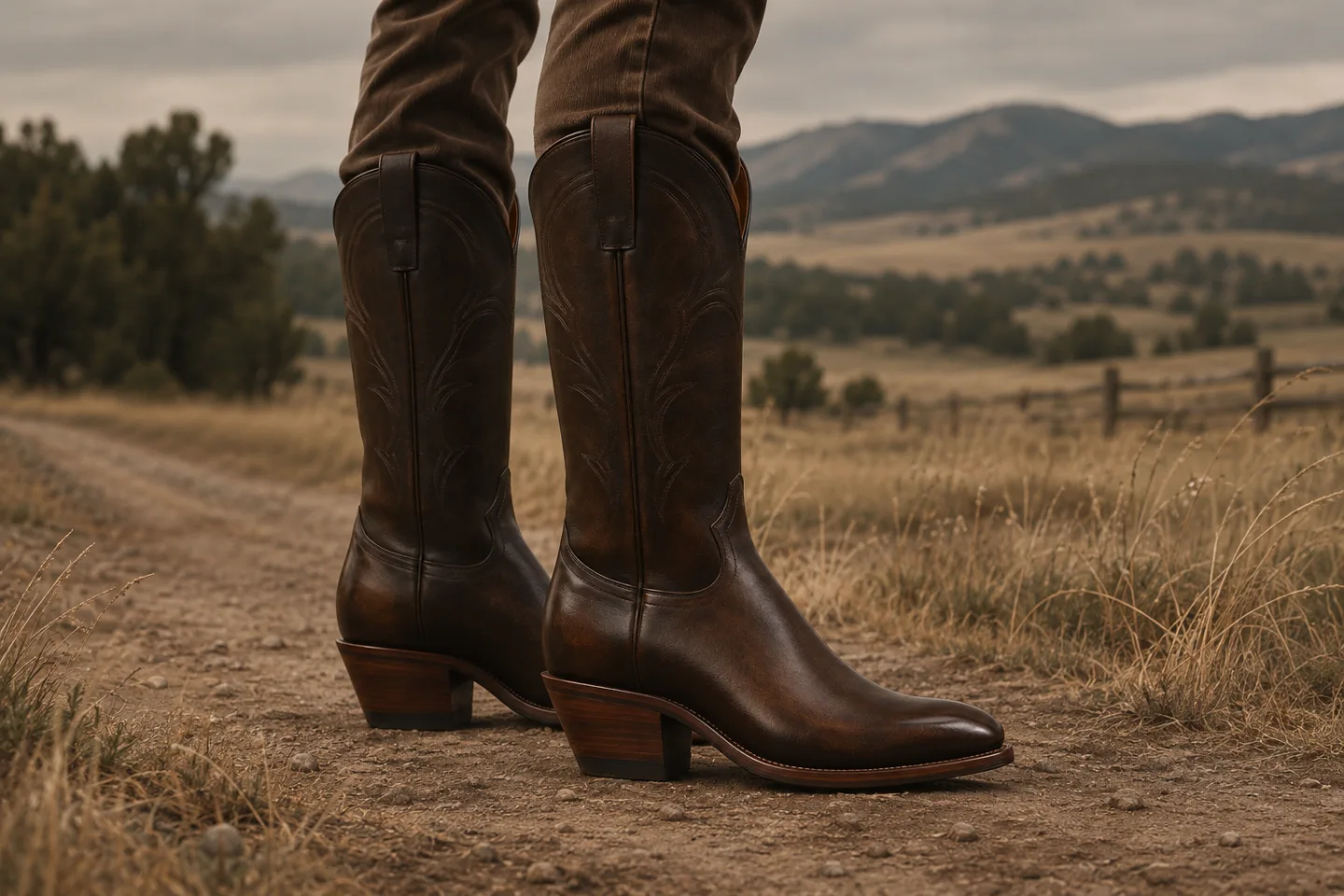
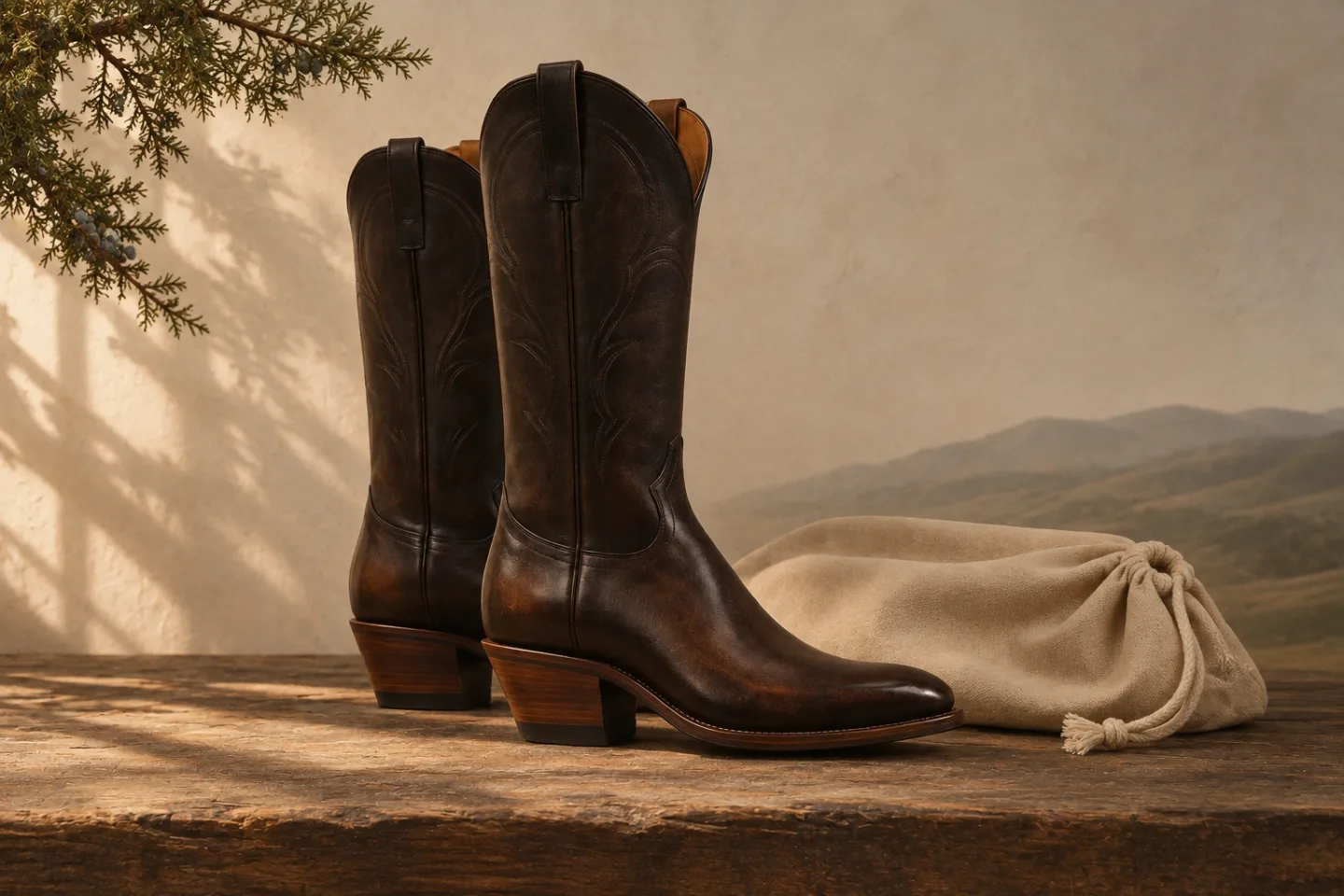
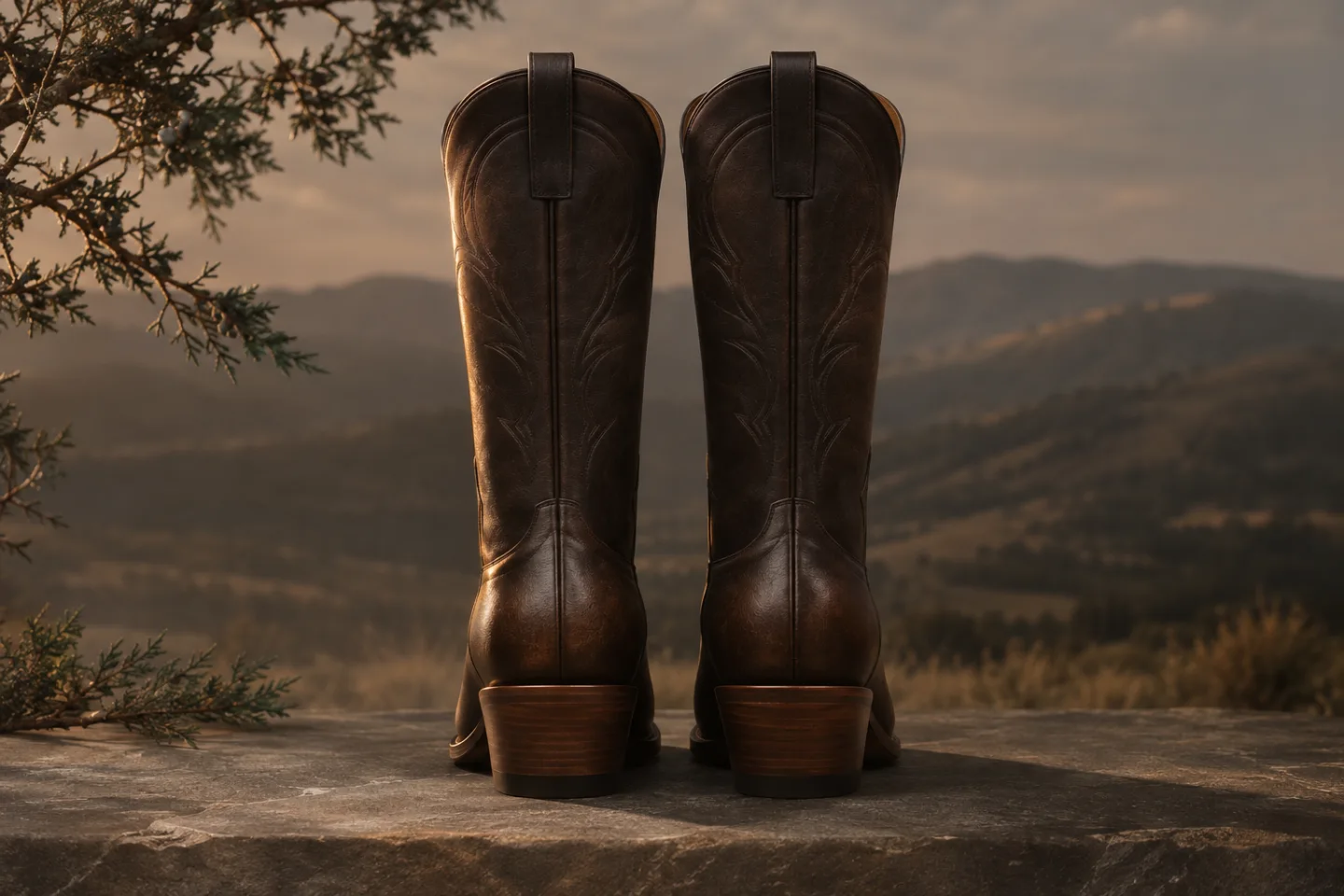
When he was small, he pulled on your boots to see how it felt to be you. One day you’ll hand him the same pair and watch him go somewhere you’ve never been.
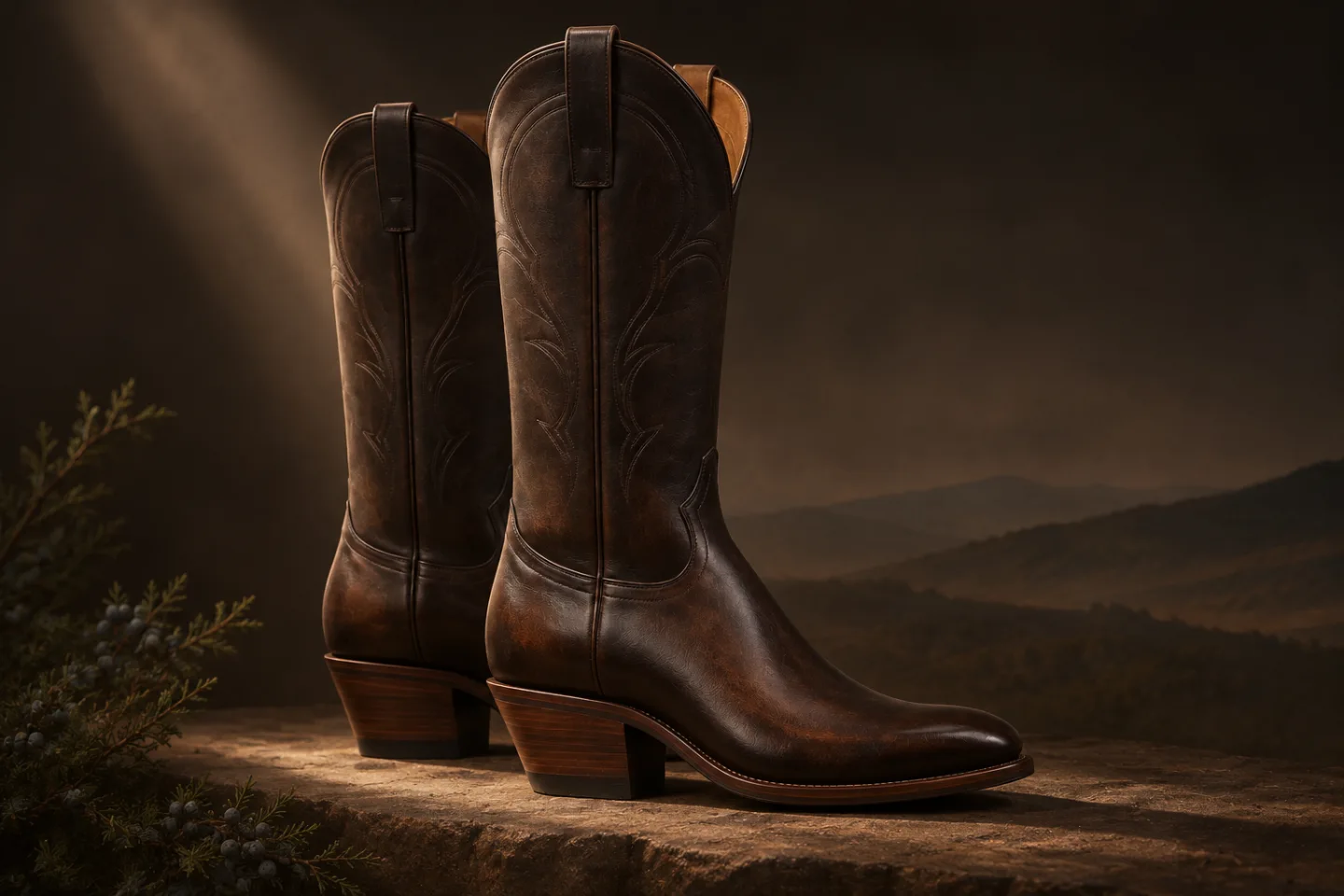
The pair
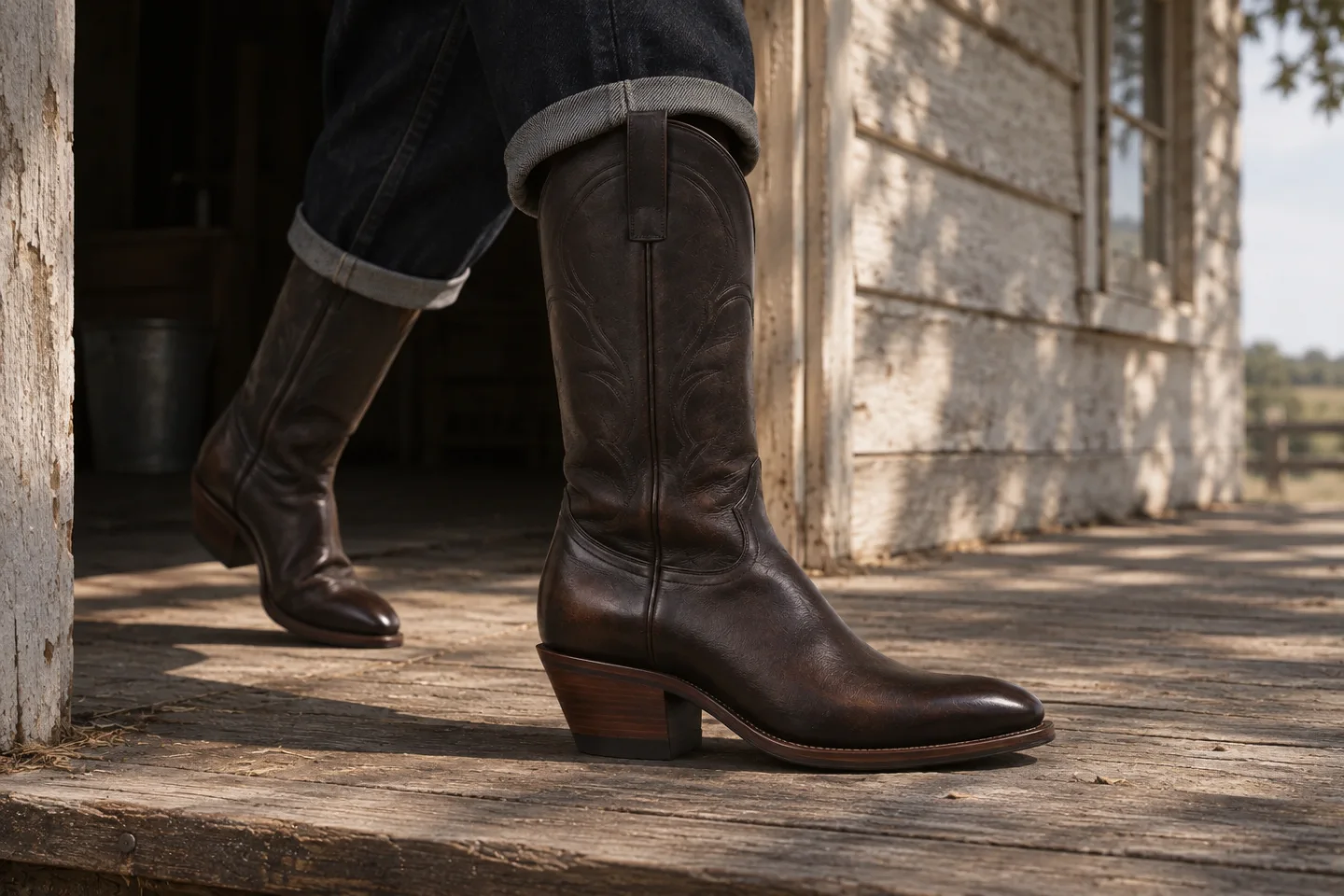
You remember the sight of him at the door, two hands on the pull tabs and his feet nowhere near the toes. You bought them for yourself. Turns out he had plans for them, too.
Pain and comfort
His heel may land the way yours does. His toes may want more room. When he brings the pair back, we’ll see where the leather can give and what can stay.
Measuring pain
Your maker starts by watching you walk. Years from now, your son gets the same attention. Listen to one Vietnam veteran tell us what it meant to be asked where it hurt.
44 measurements
The maker takes 44 measurements for your first fit. The ball of your foot gets room to spread, and the heel gets a steady hold. The miles between your fitting and his are yours to put on the pair.
The tracing
The wear on your boots tells the fitter how you walked in them. Then your son stands on the paper himself. The maker traces his feet to see what the boots might need for the way he walks.
Leather
The leather warms and bends in the same places over years of wear. One day he’ll run a thumb over the crease above the toe, right where yours always was.
Underfoot
Victor Borg has spent more than half a century at the bench and still teaches there. Time like that doesn’t fit in a manual. It’s handed over, one maker to the next, the way this pair will be handed to your son. When he brings it in, the welt is where the maker looks to see what can be kept.
Care
Twenty years on, the pair is back on the Tucson bench. Concierge Care works the grit out of the seams and looks at the heel. The crease he remembers stays exactly where it is.
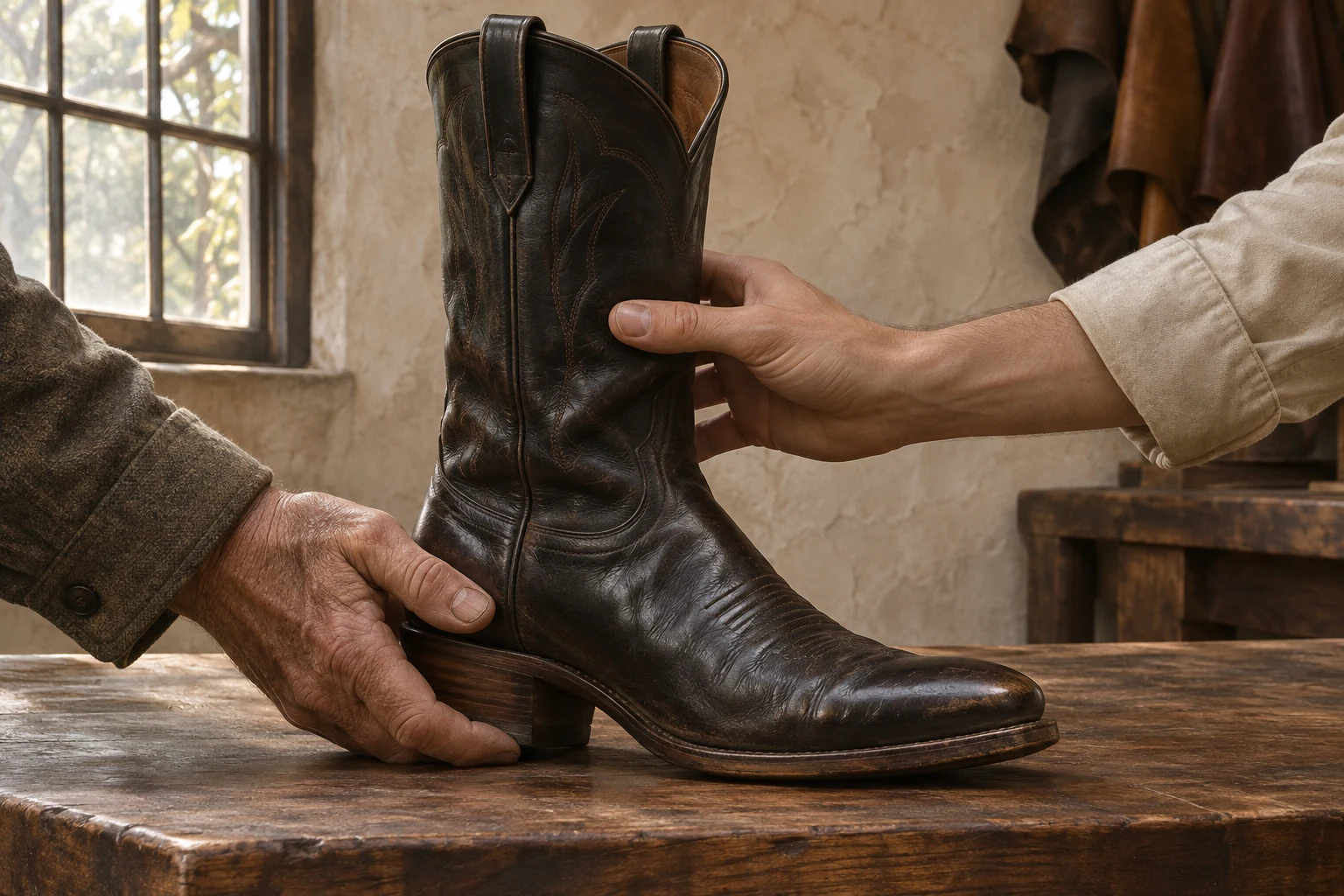
The handover
He puts the boots on the Tucson bench. We check the leather and trace his feet. When he walks out, he’ll take the familiar crease somewhere new.
Your appointment
Legacy starts at $30,000. It begins with your Atelier commission and includes your son’s future fitting and any refit the pair allows. The bench puts in about 50 hours. You put in the years. He gets both.
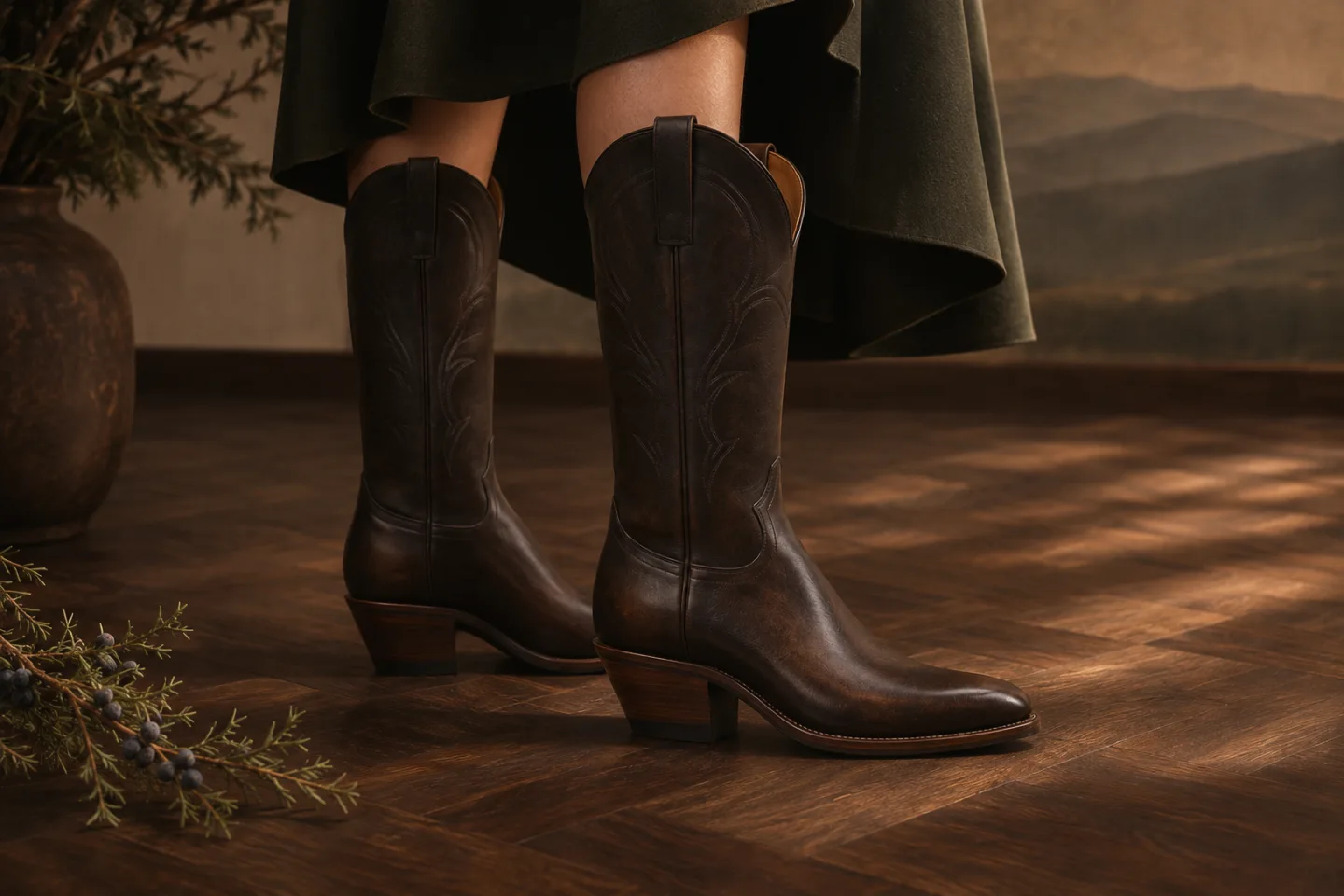
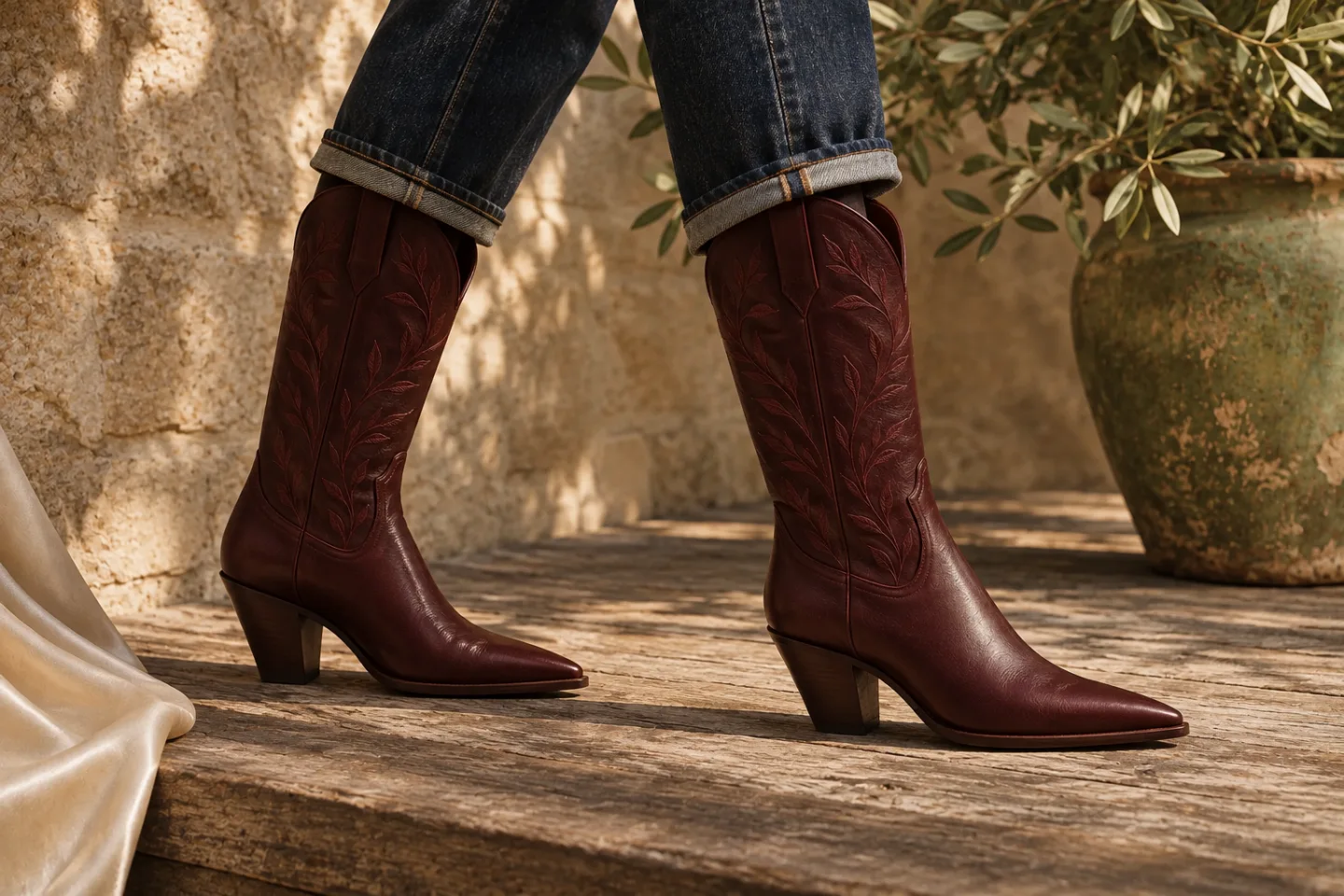
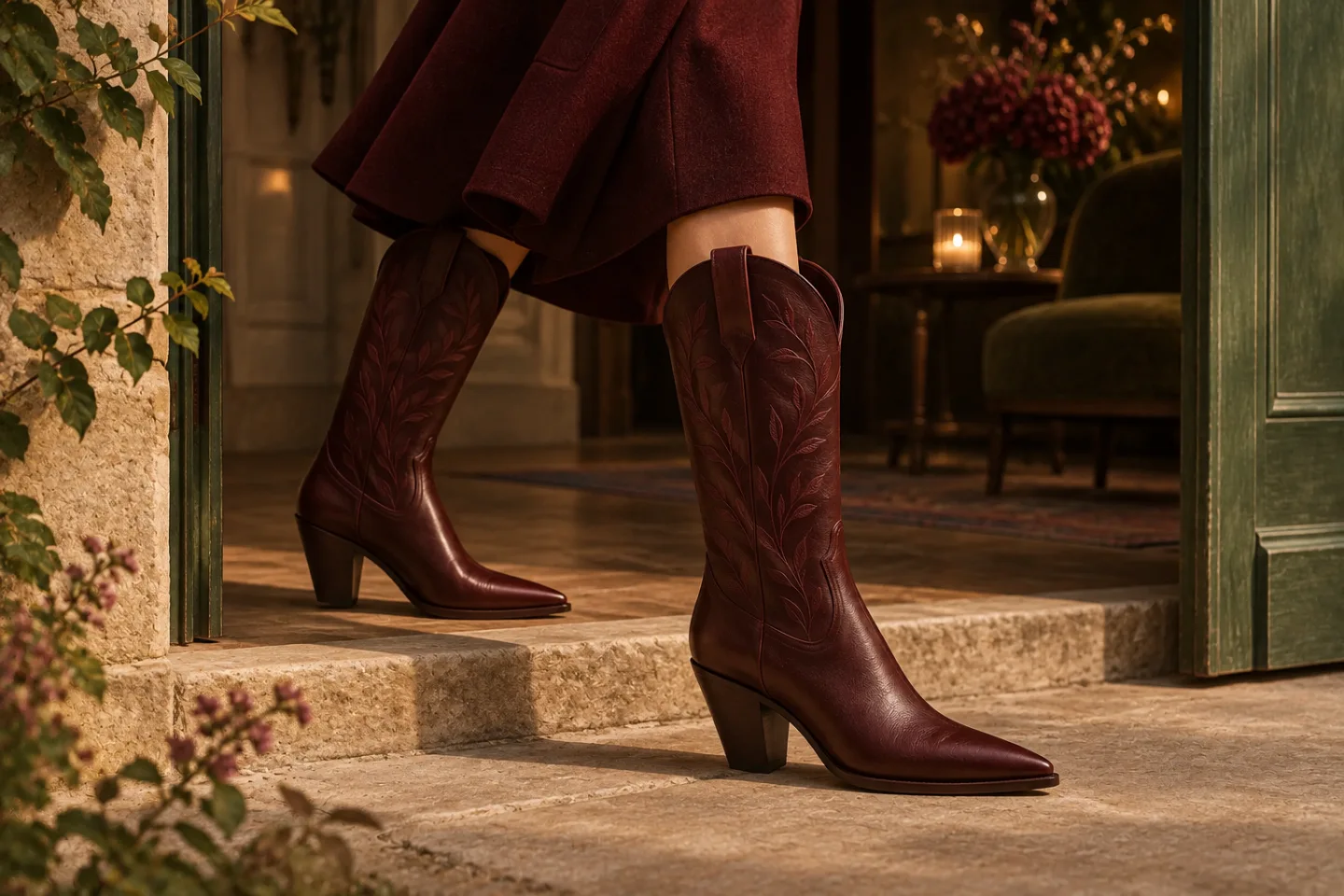
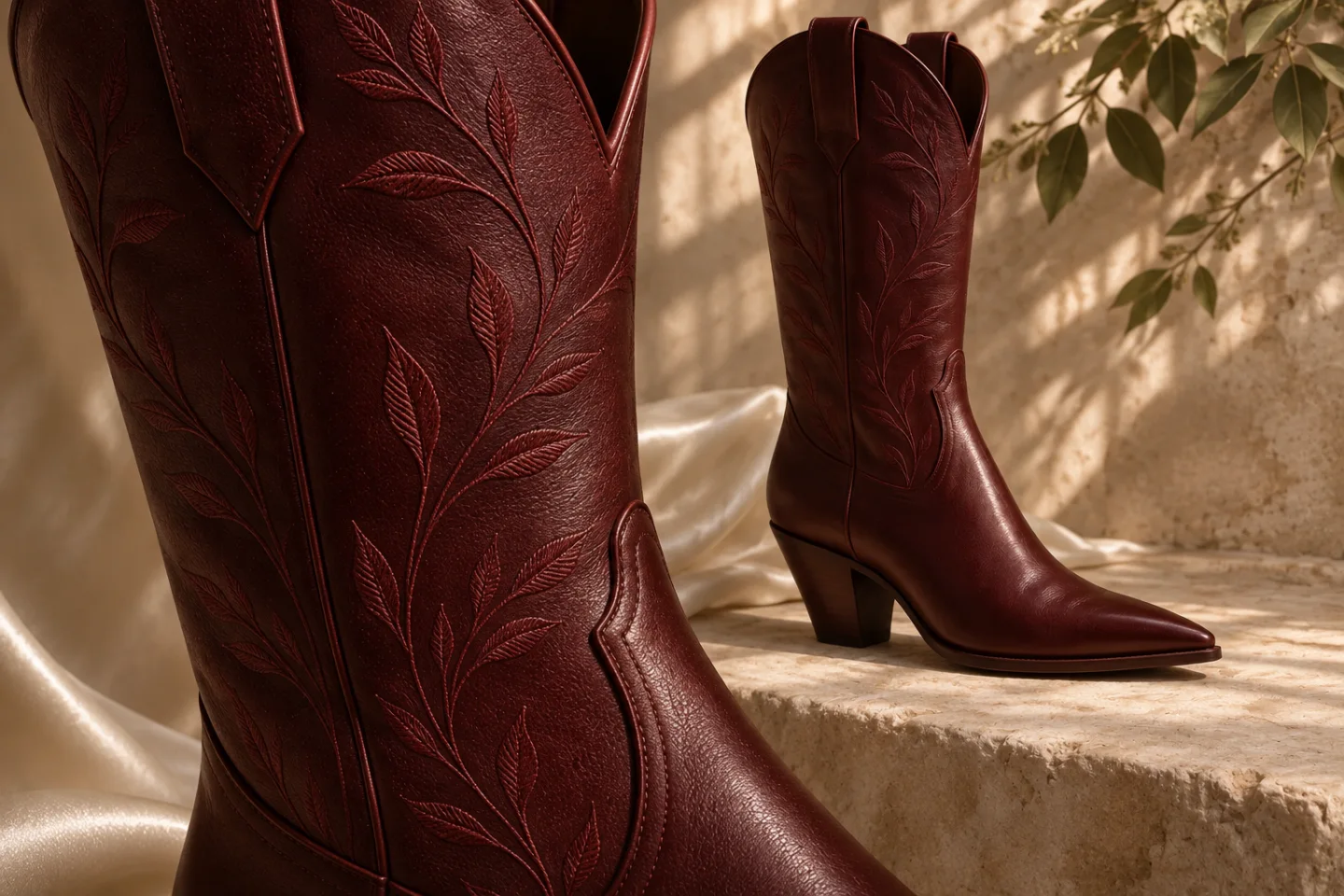
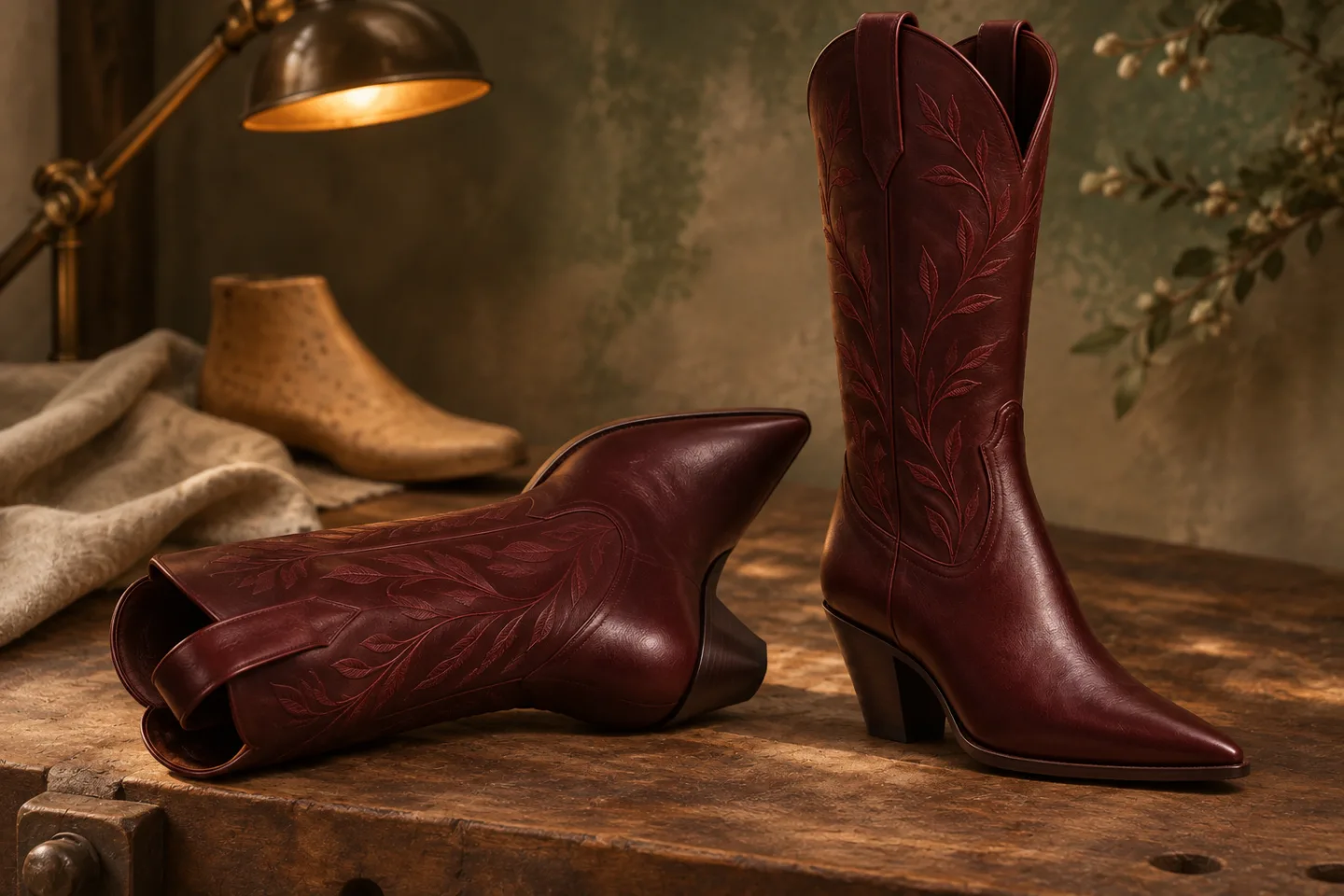
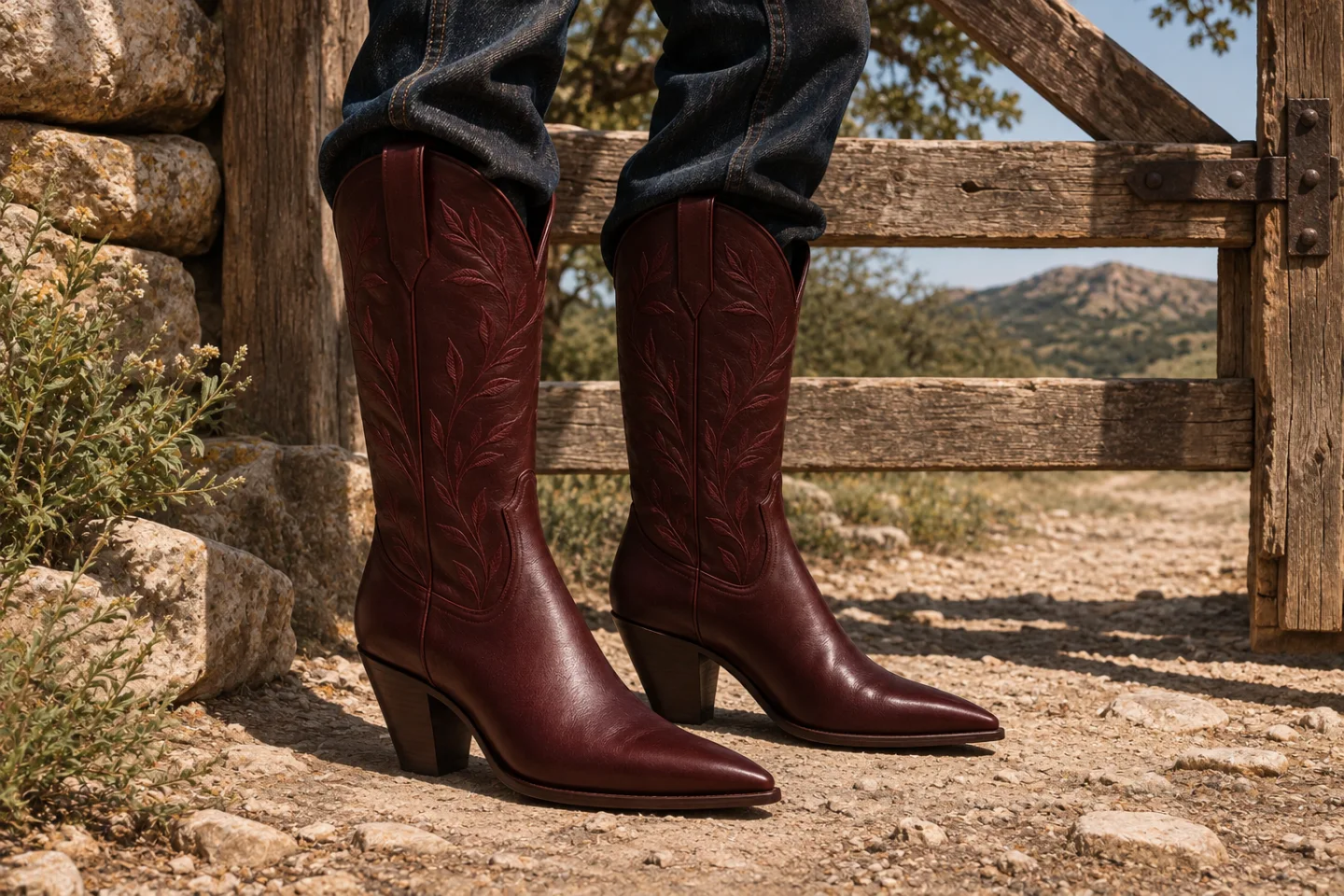
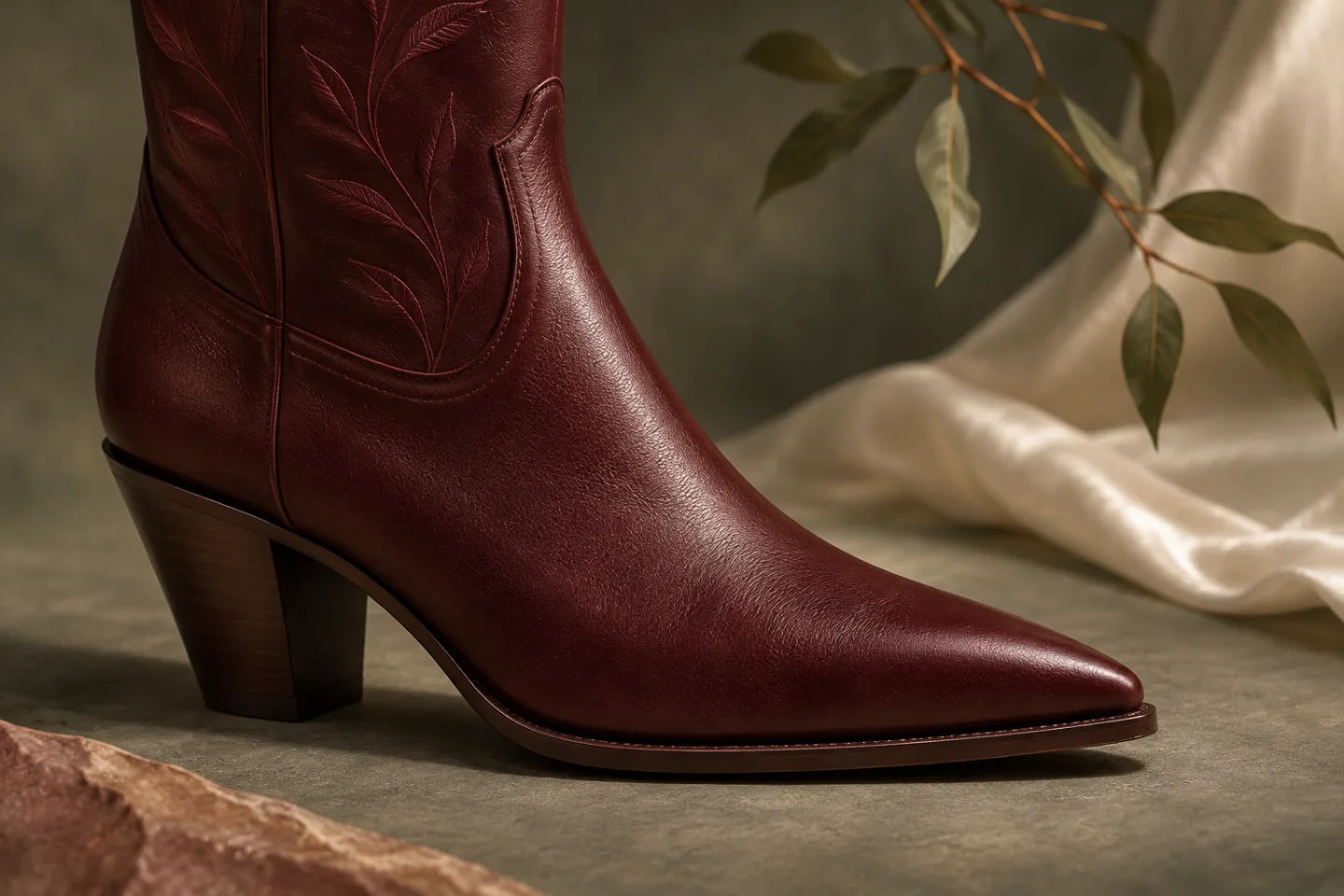
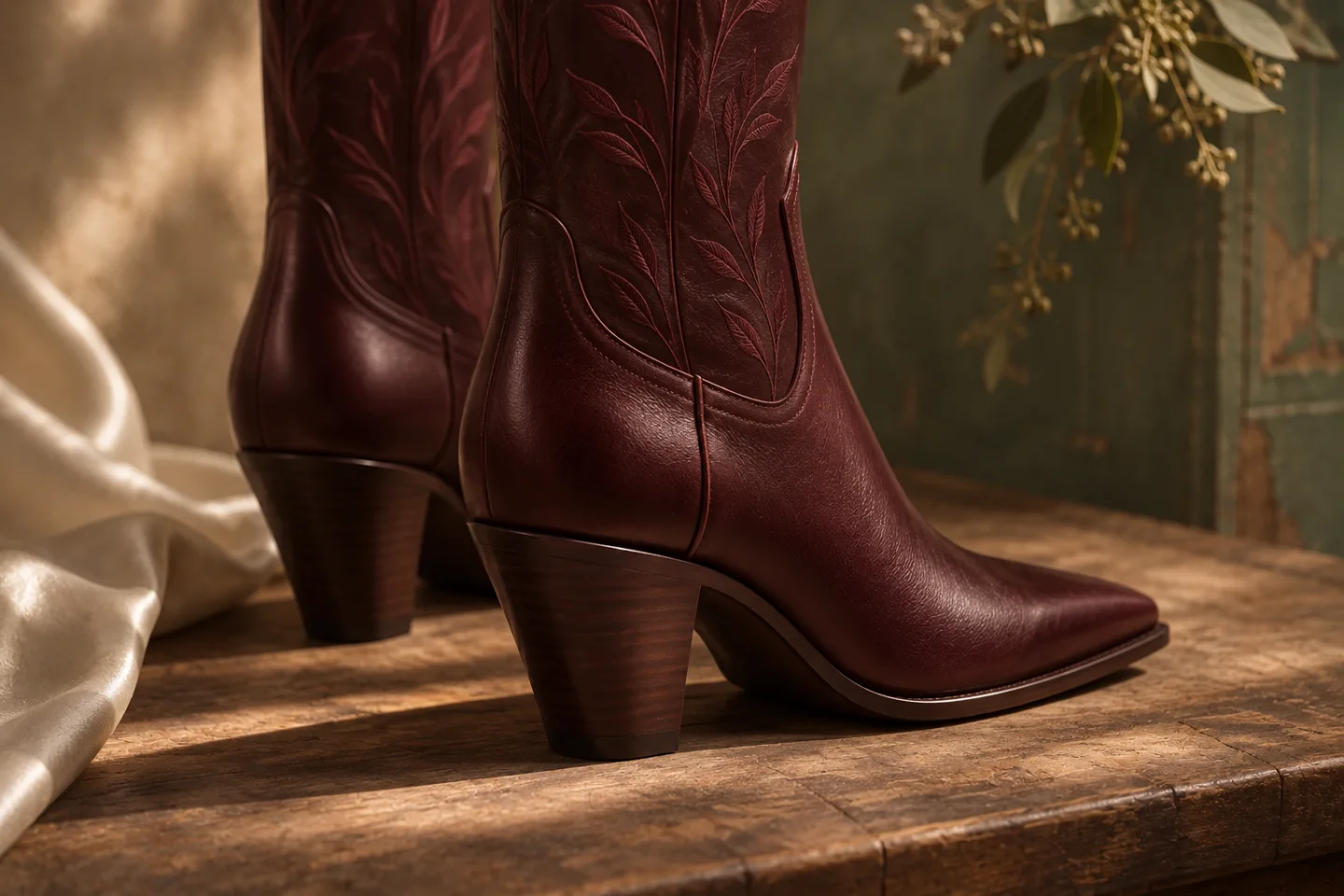
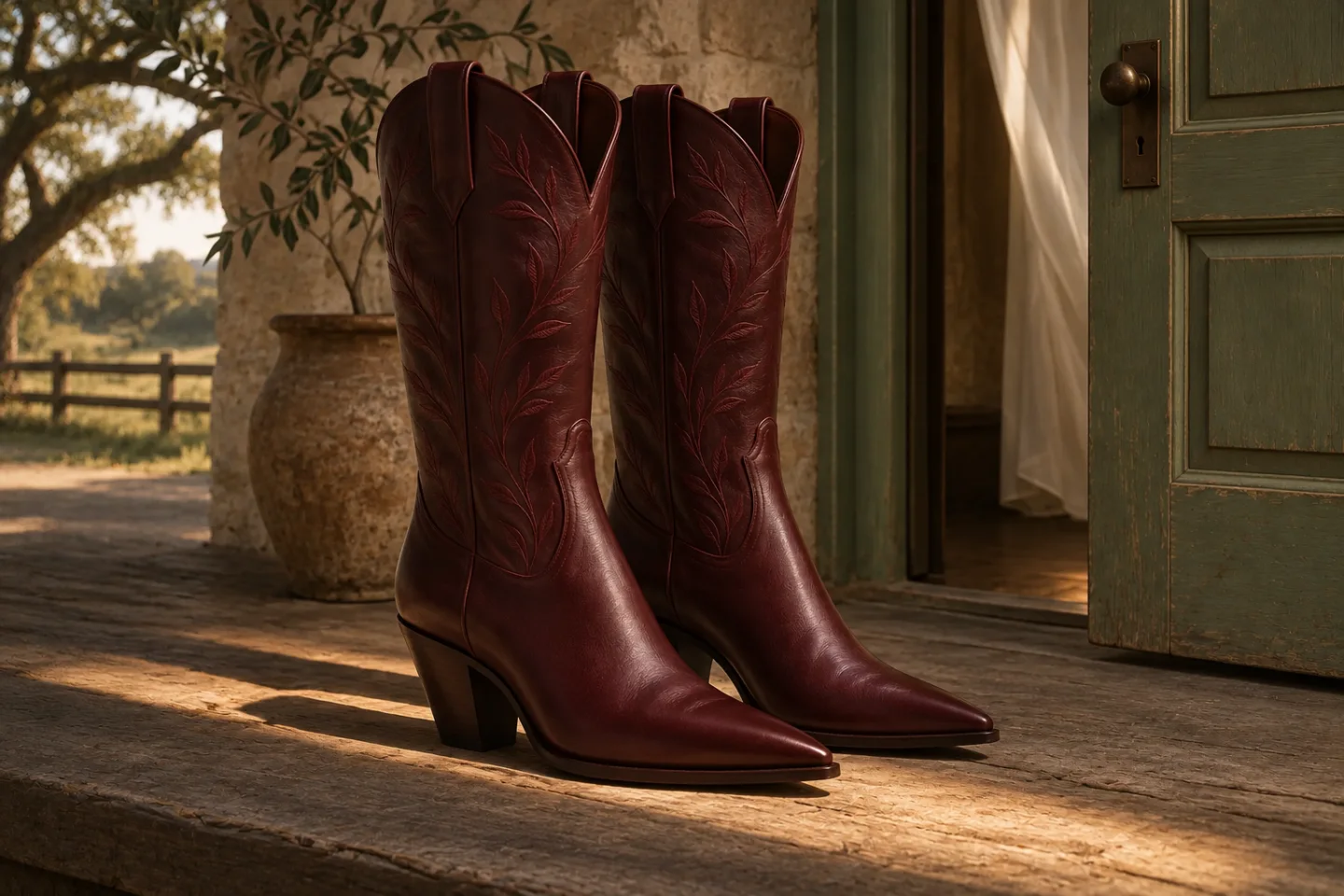
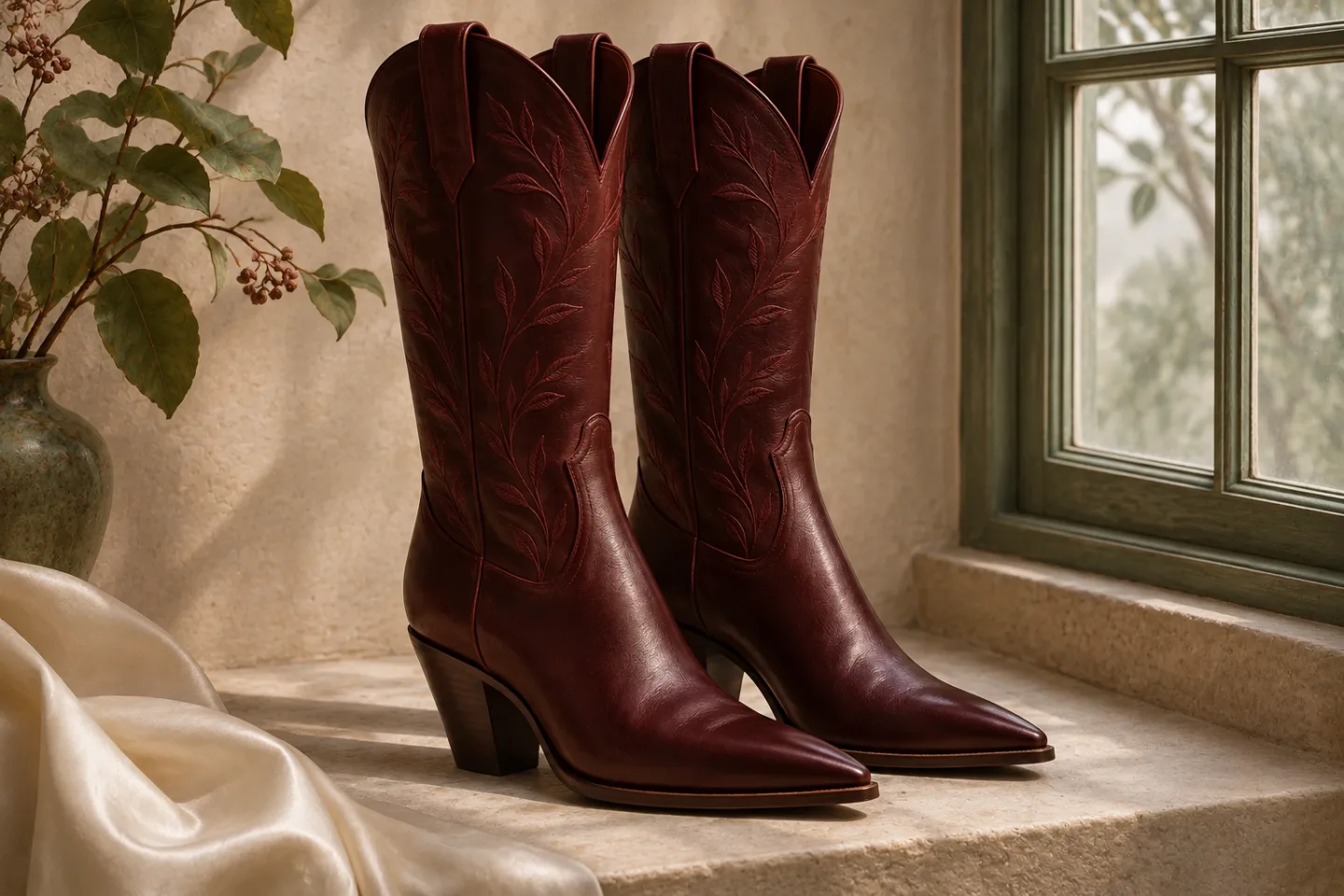
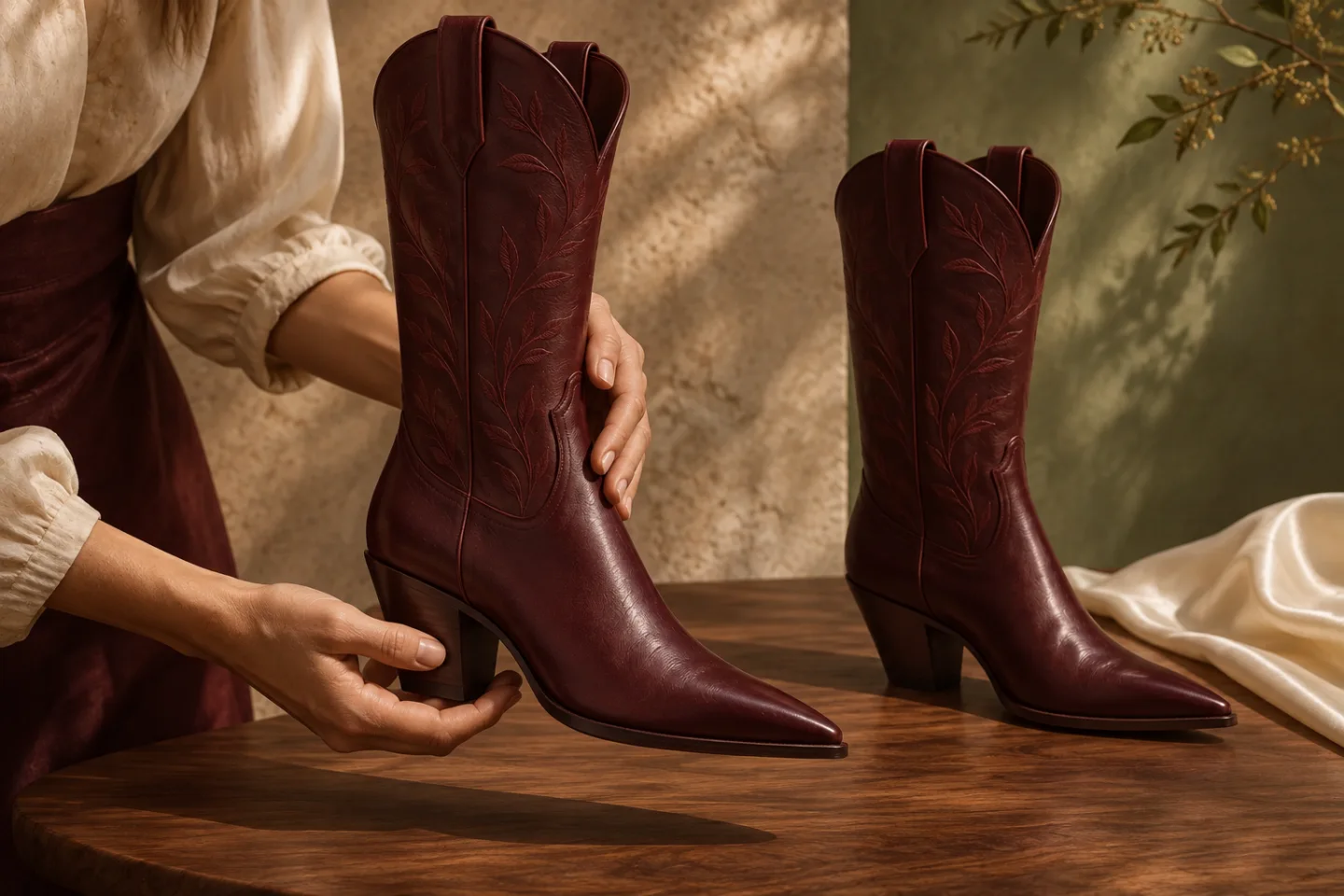
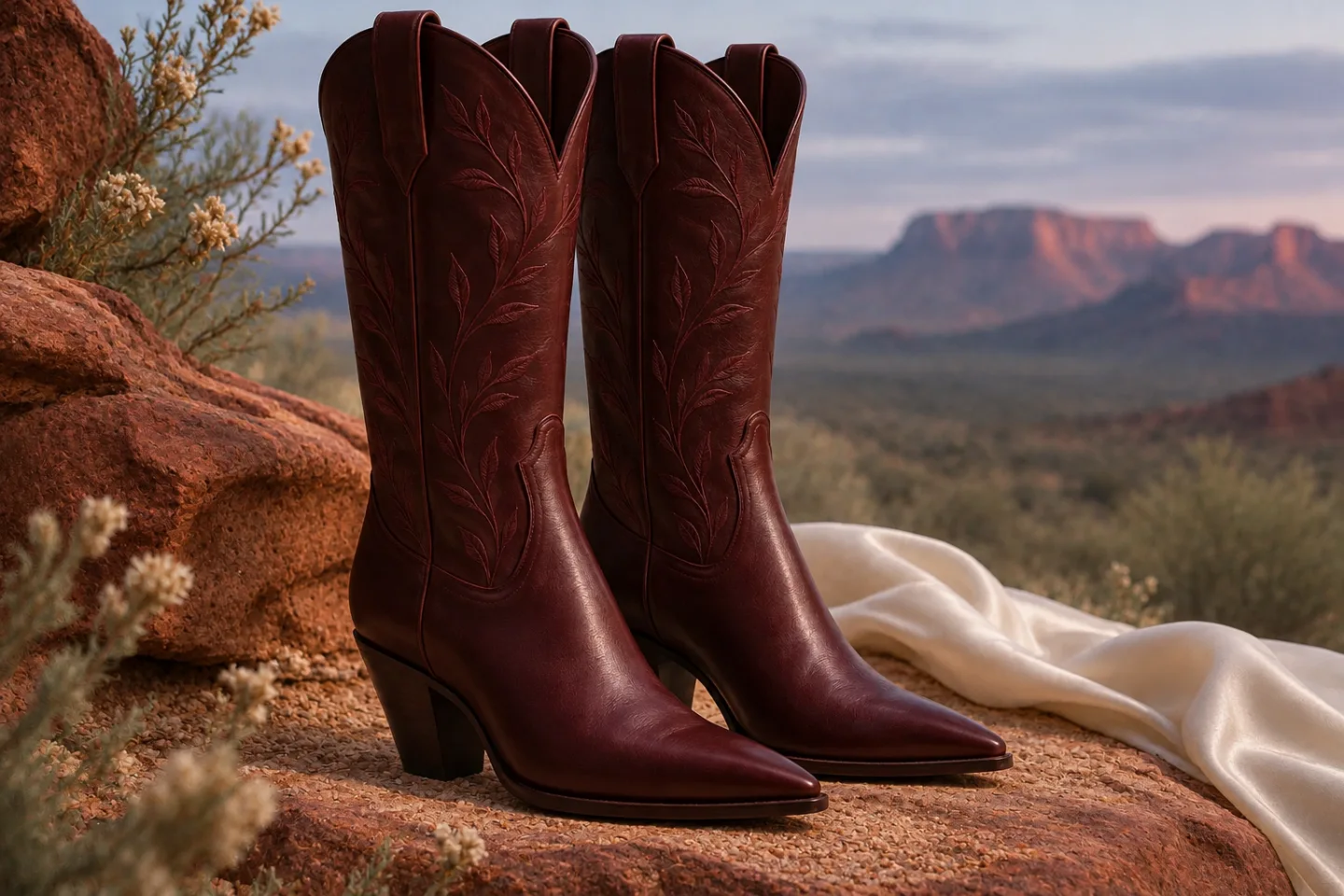
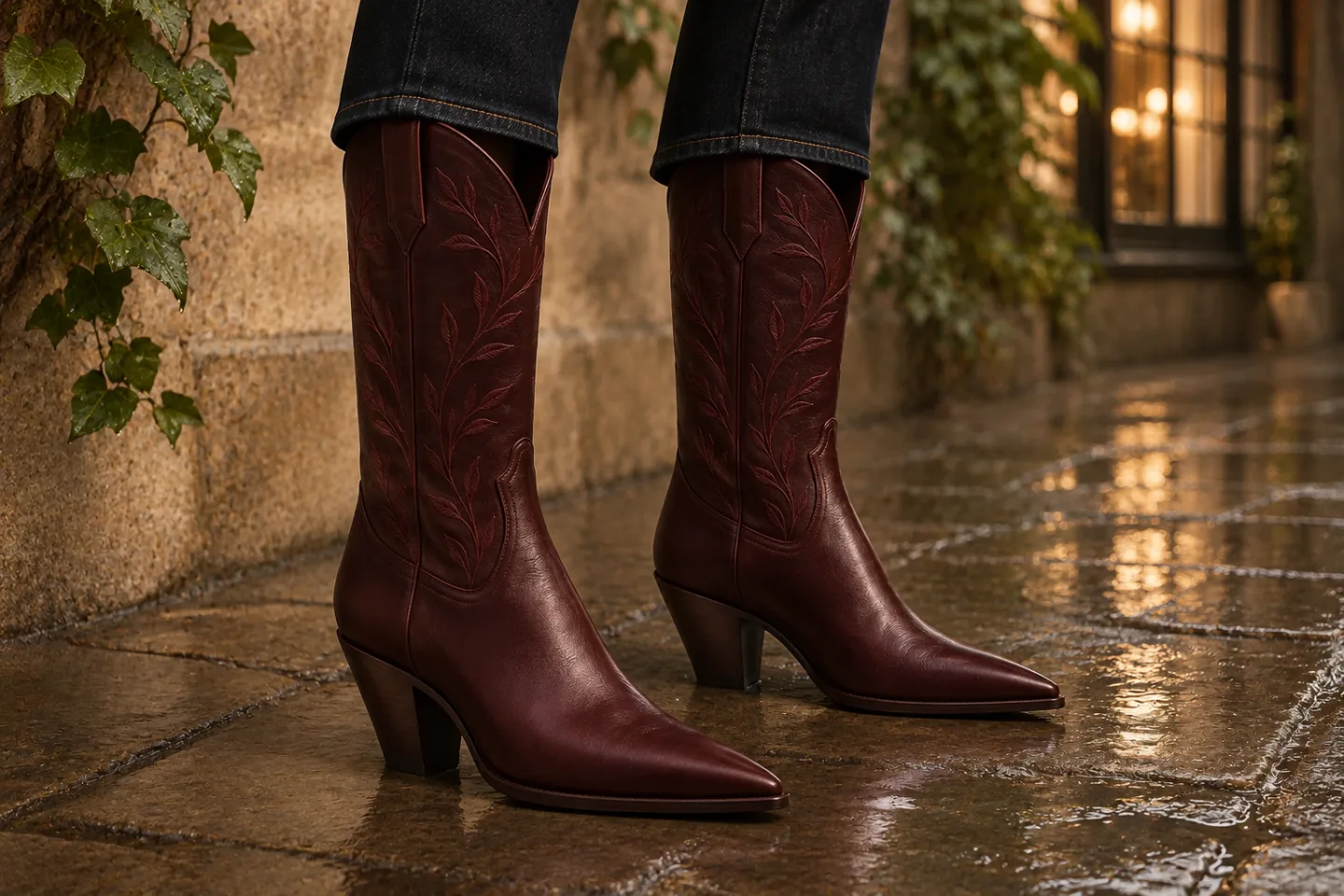
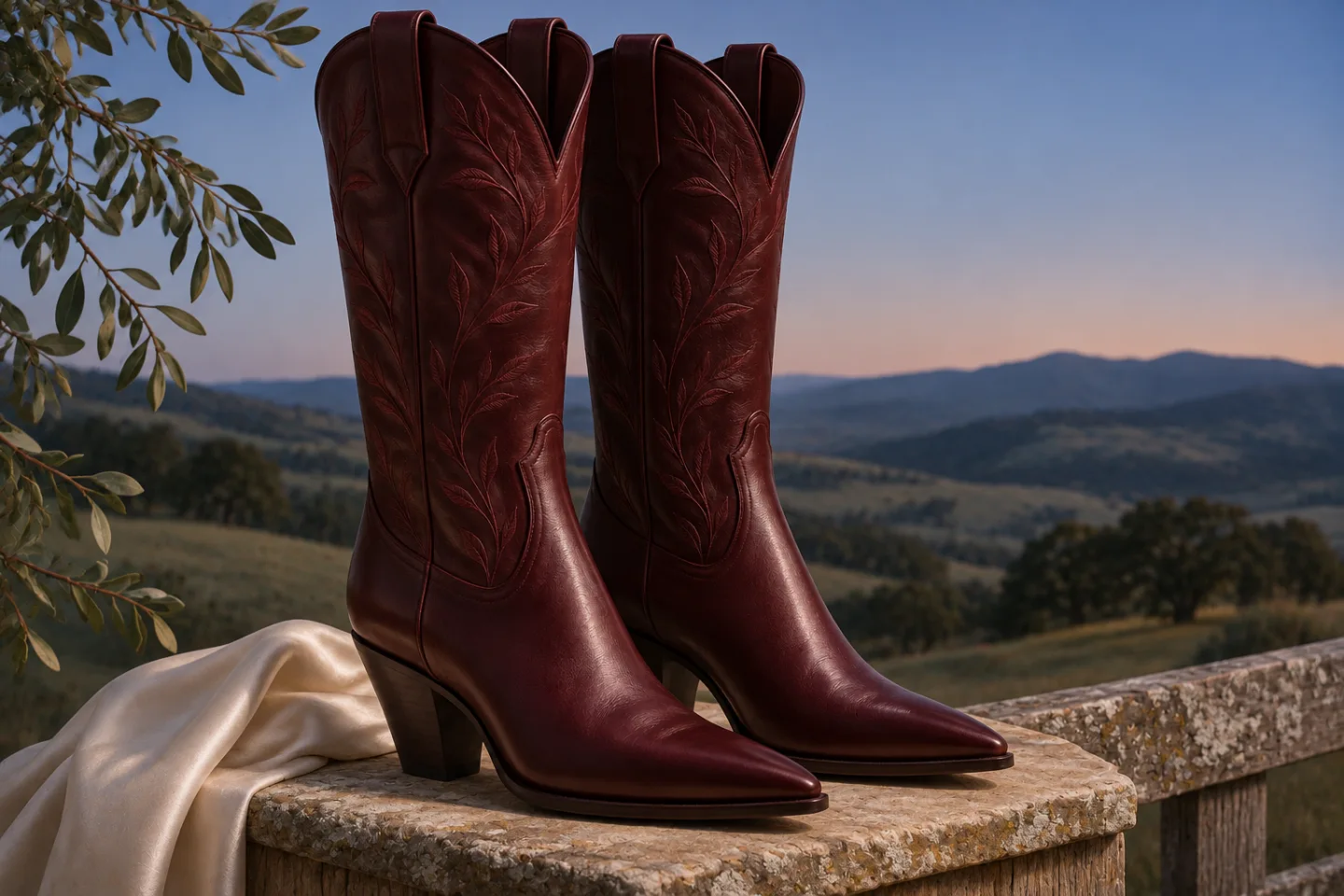
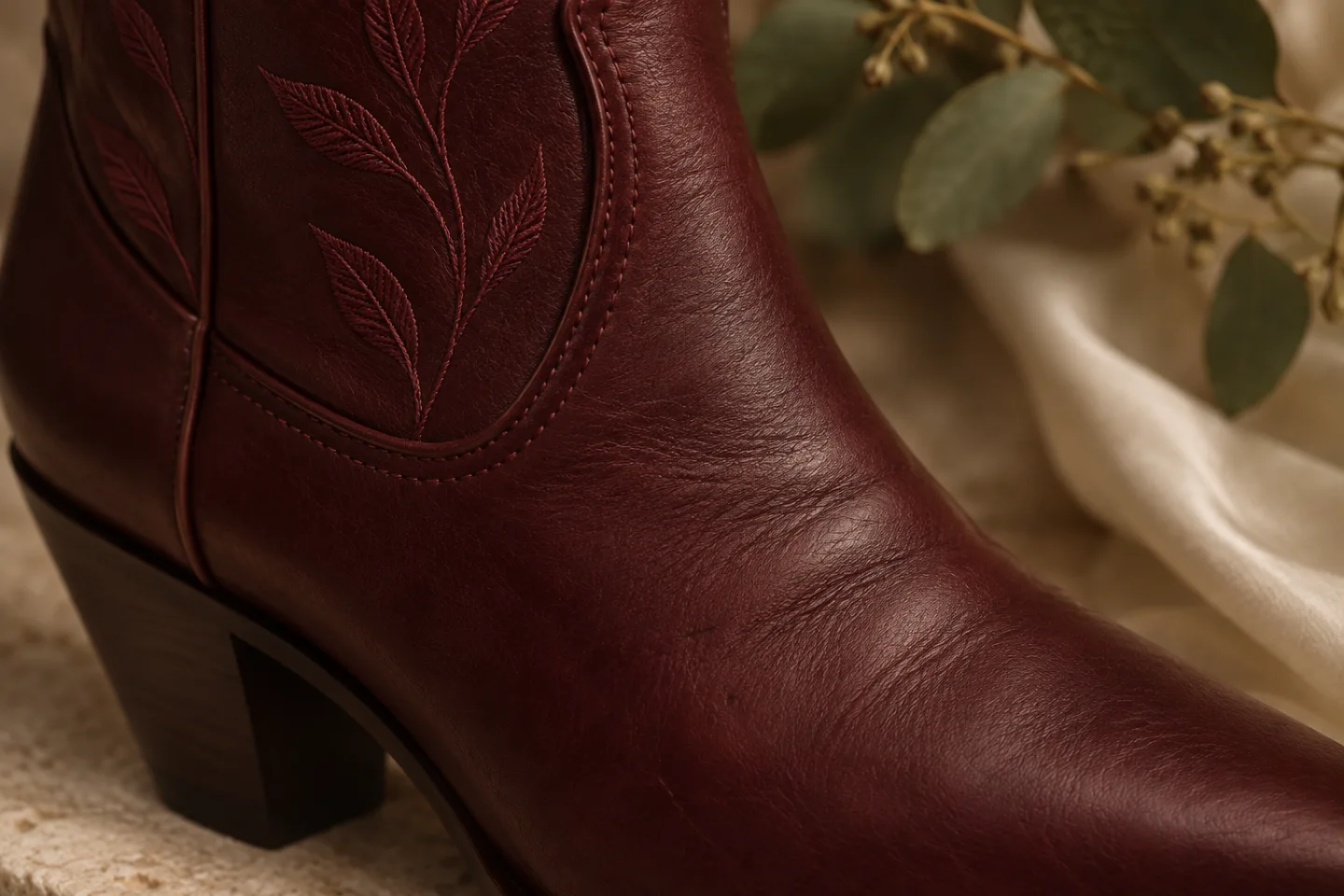
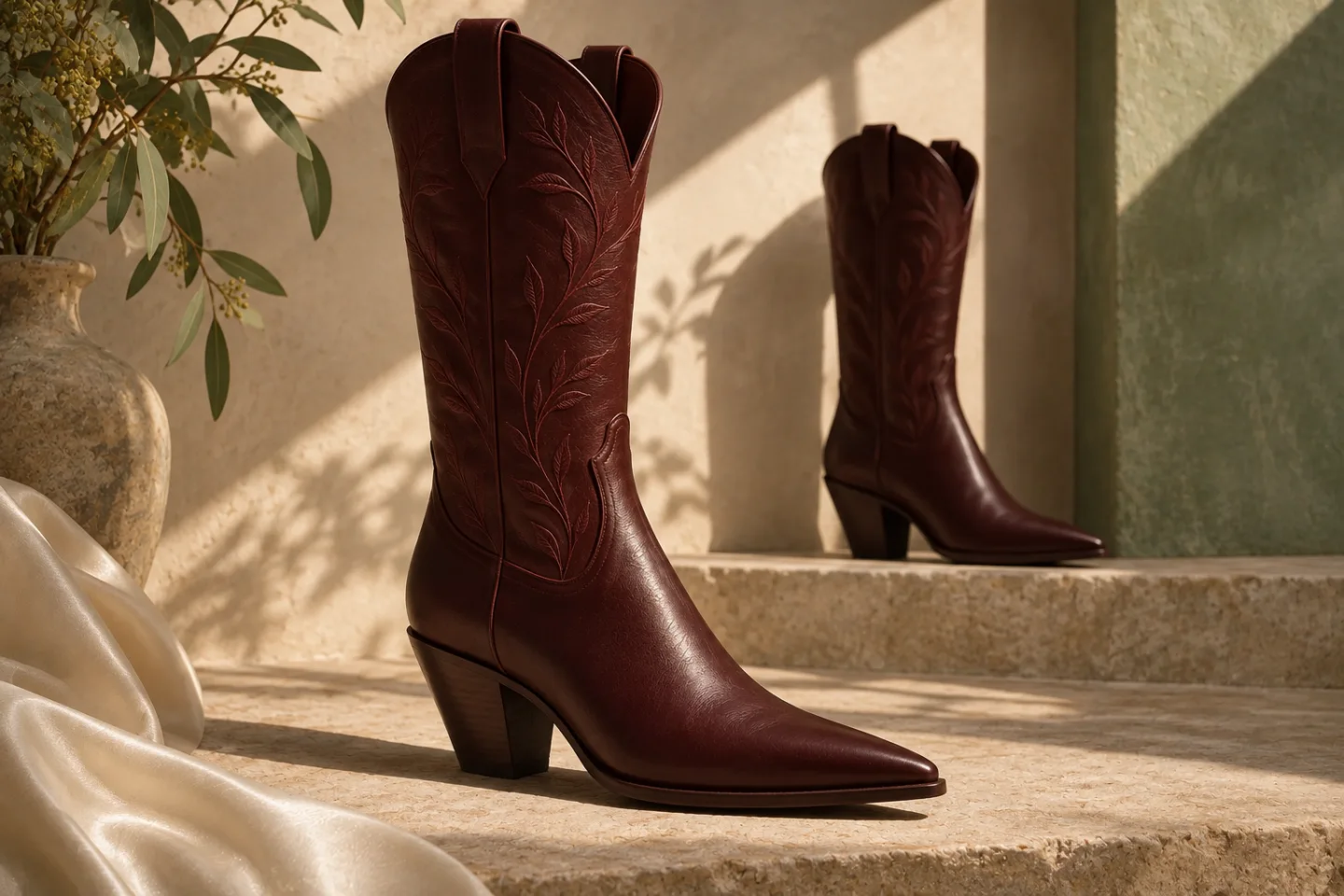
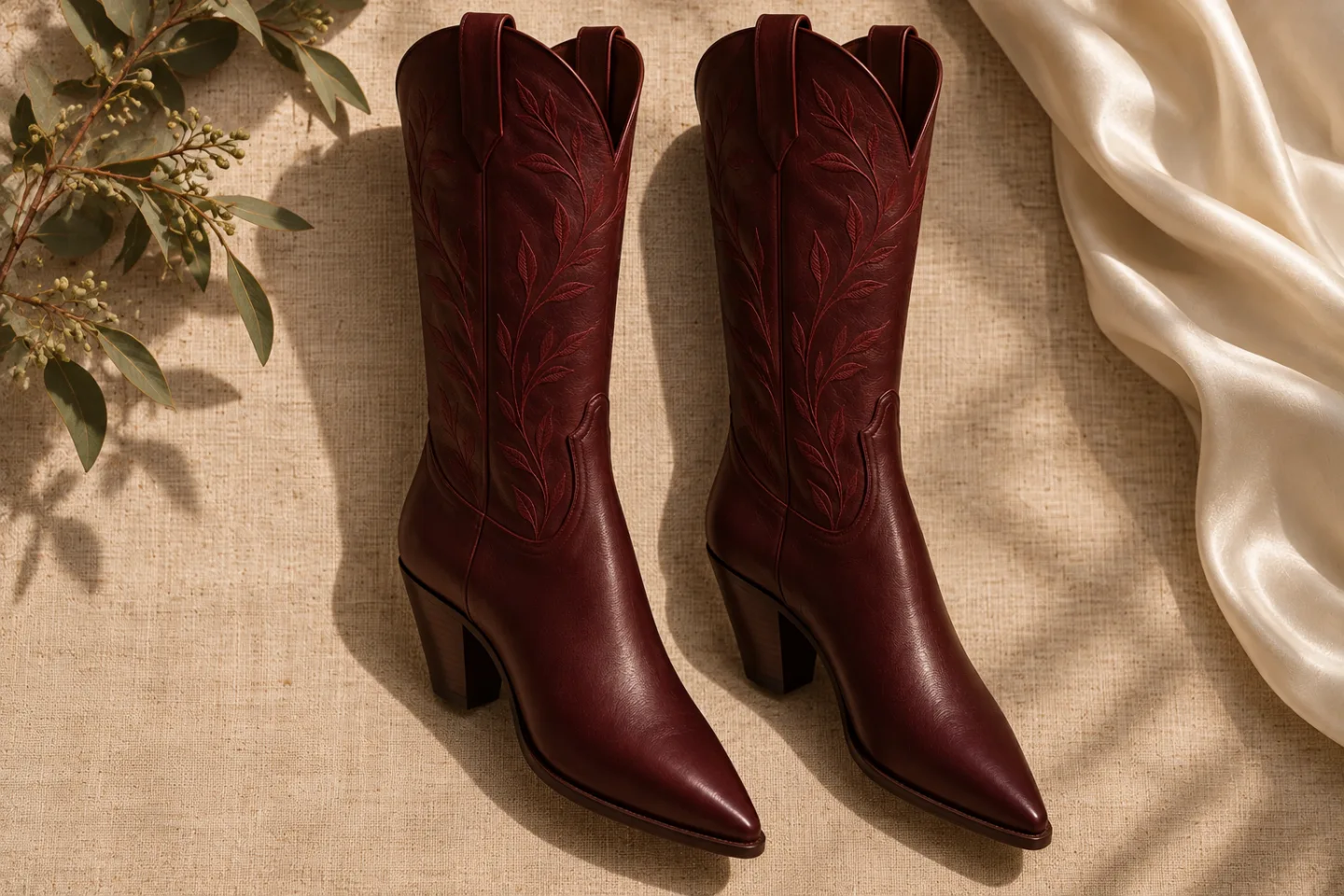
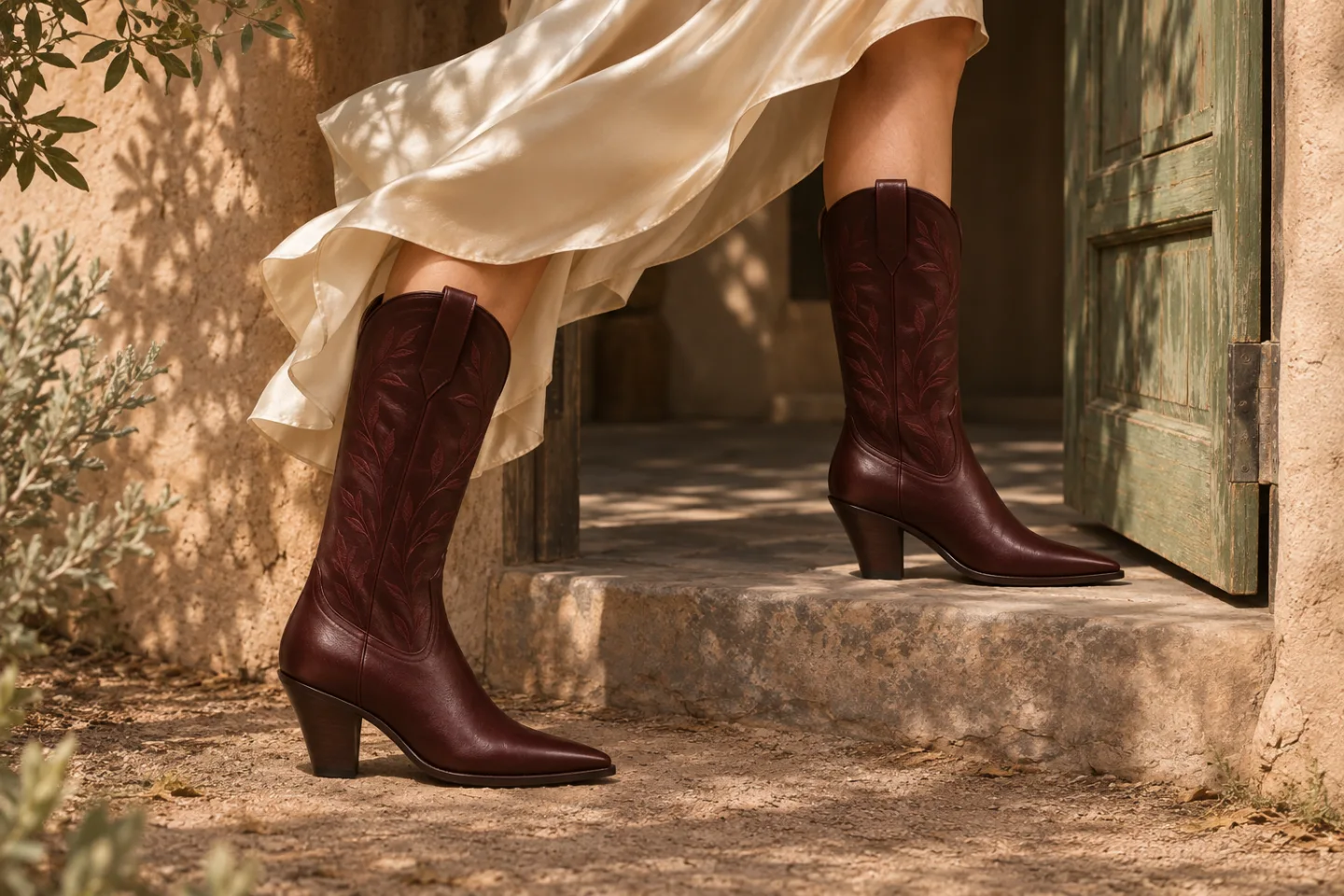
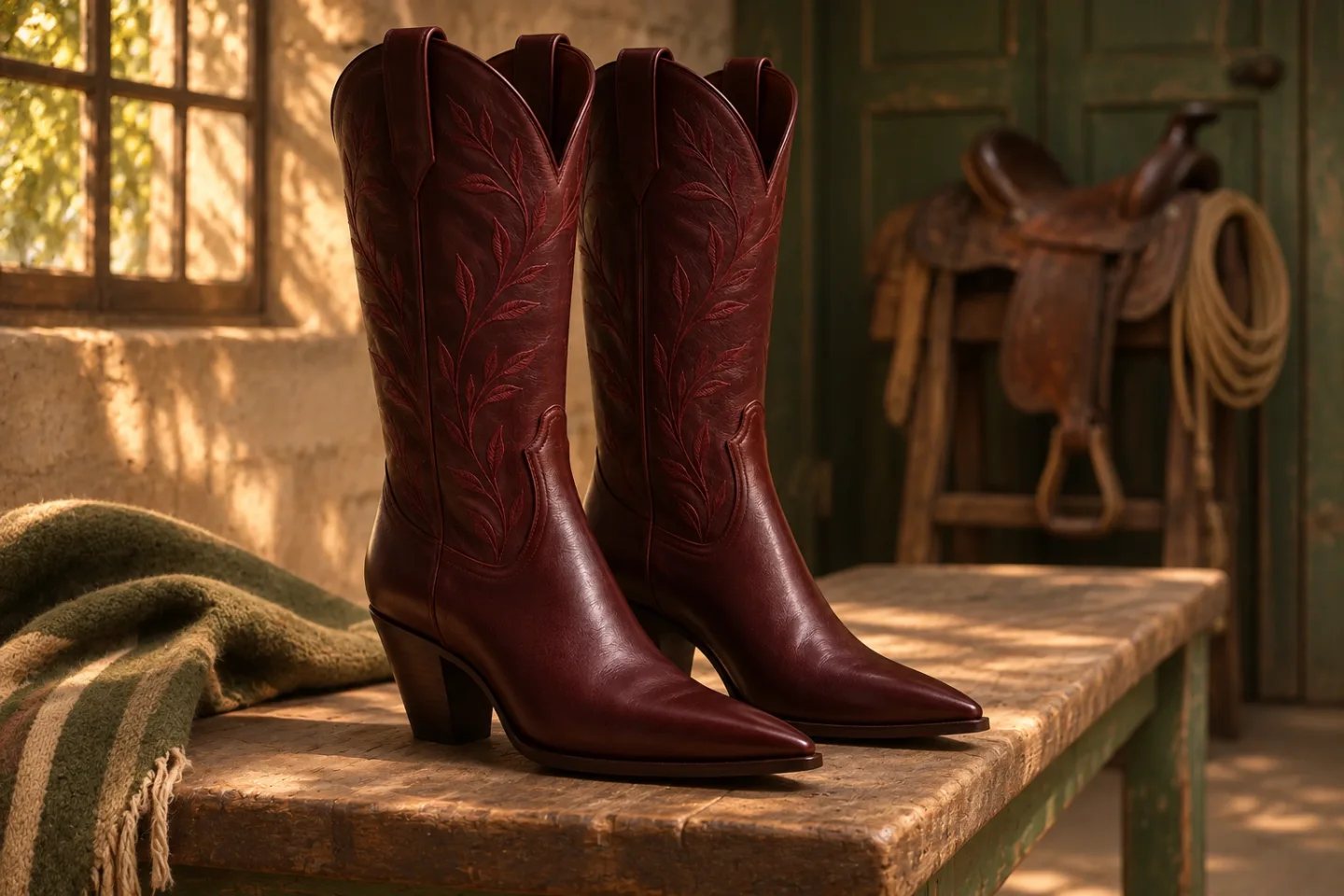
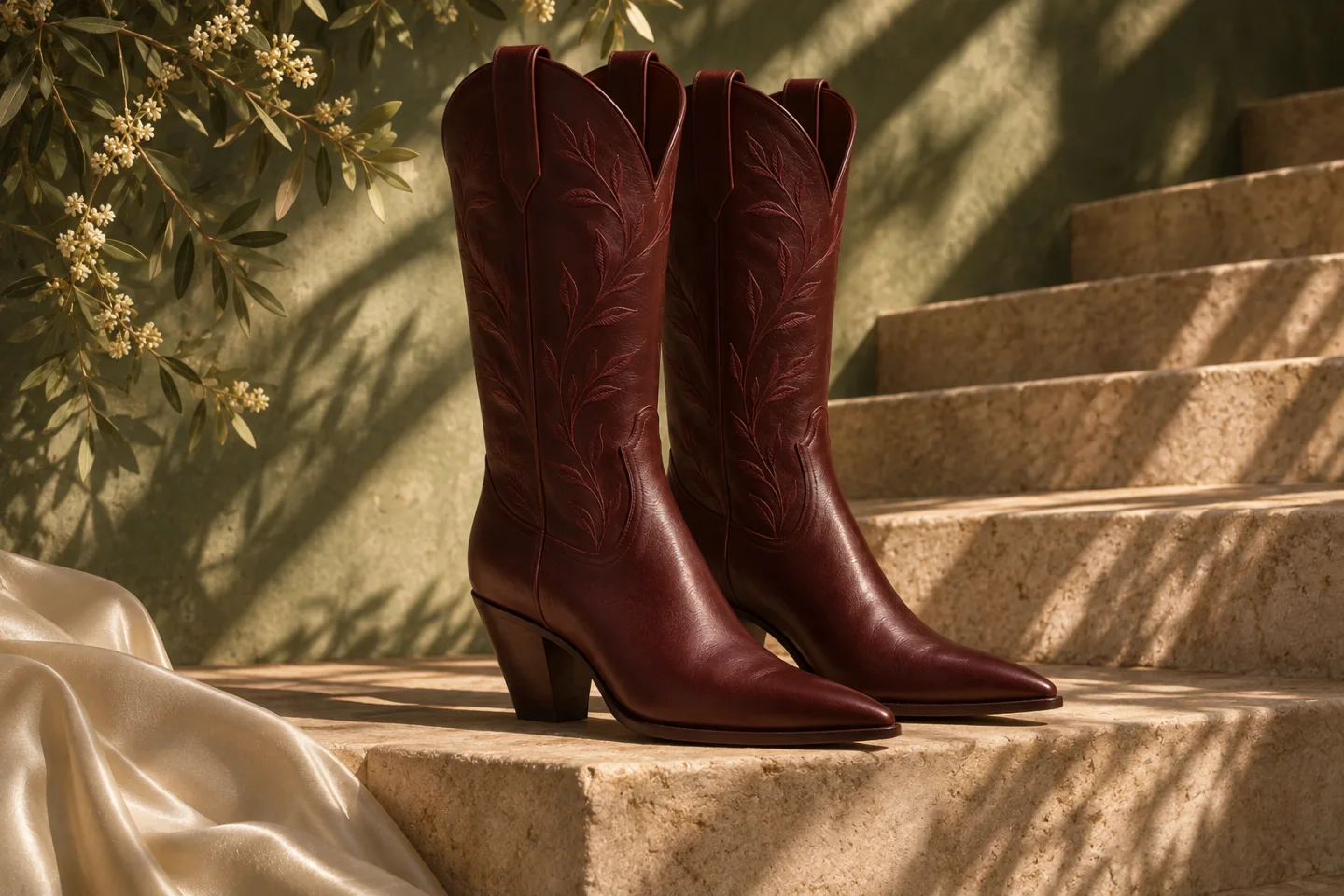
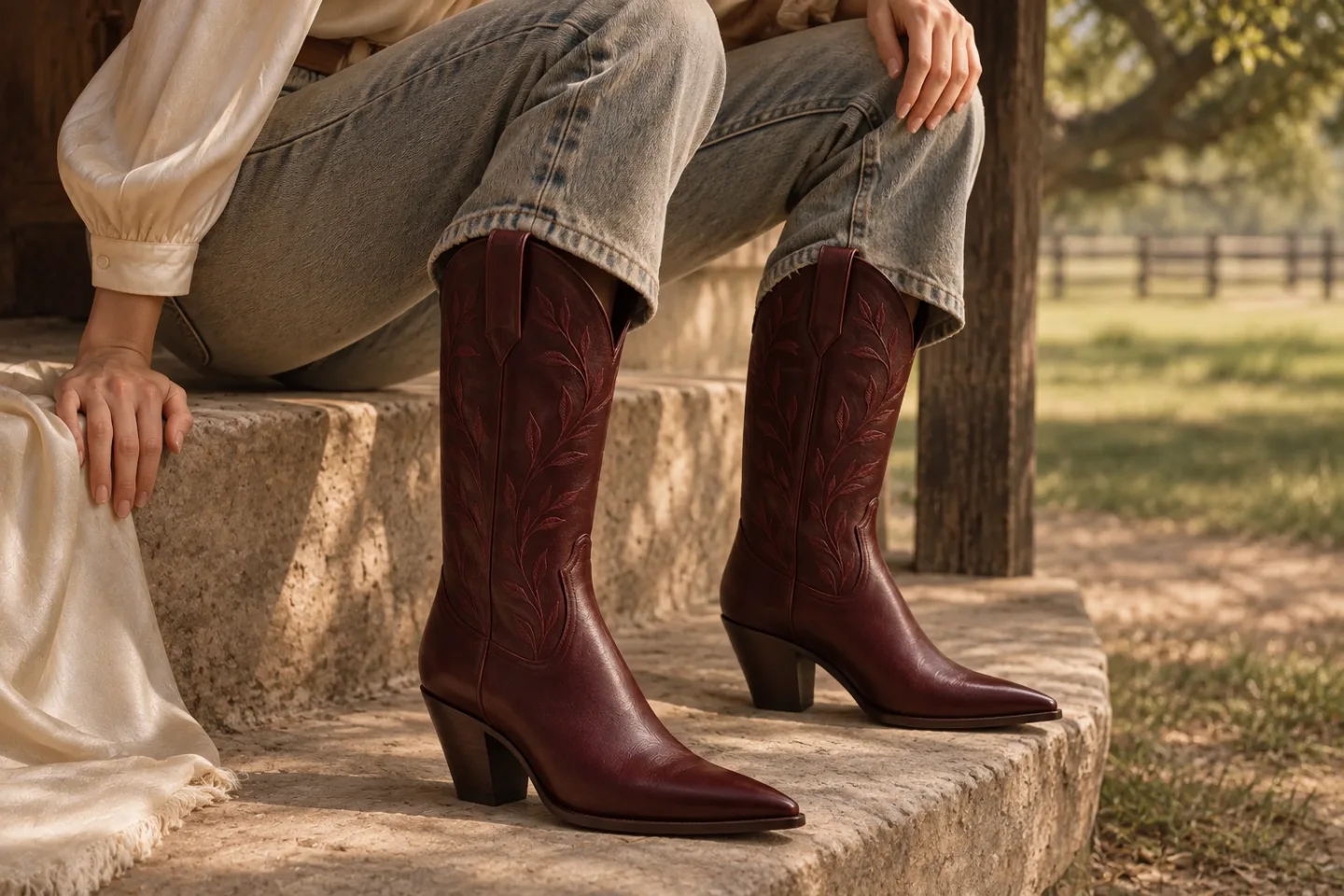
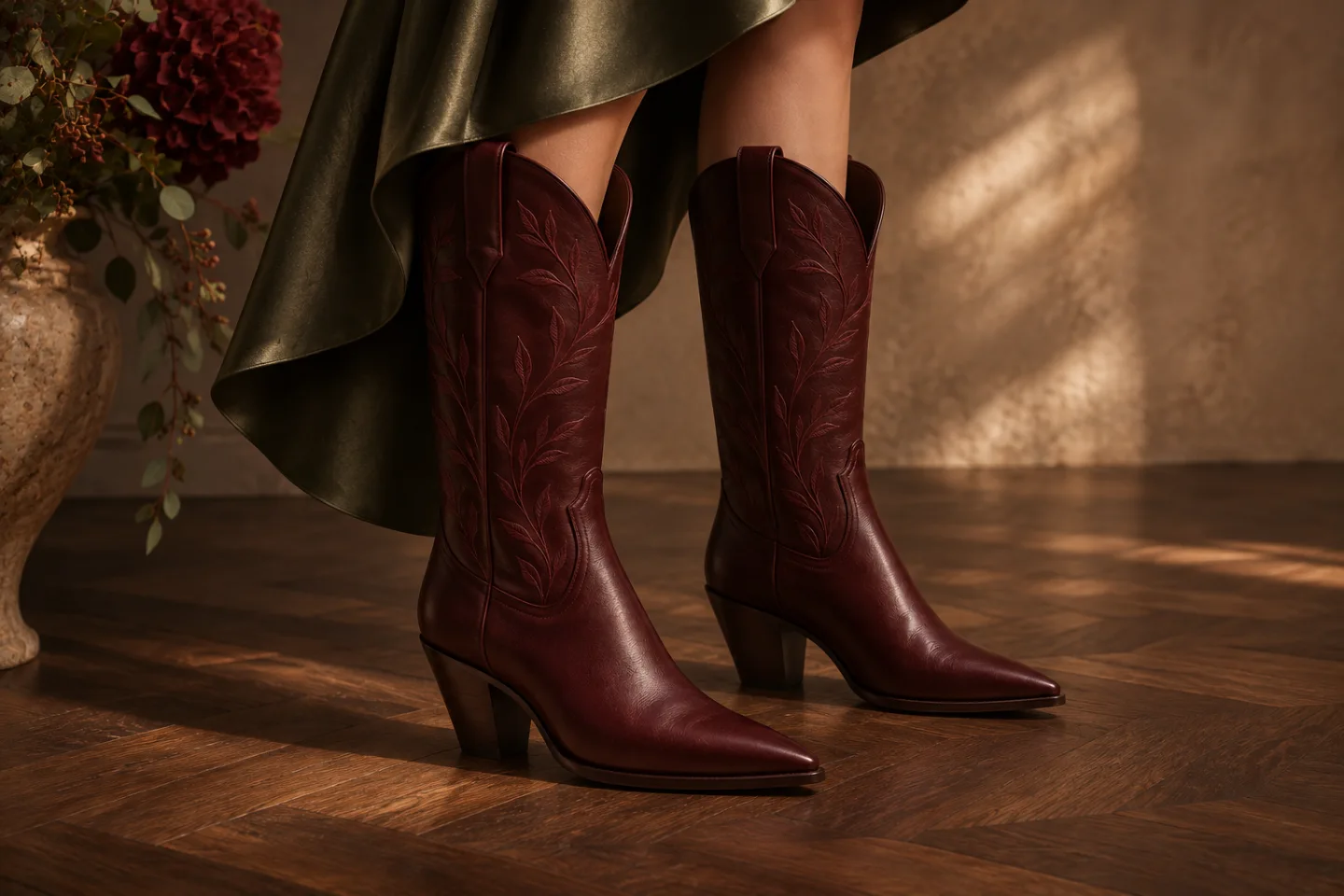
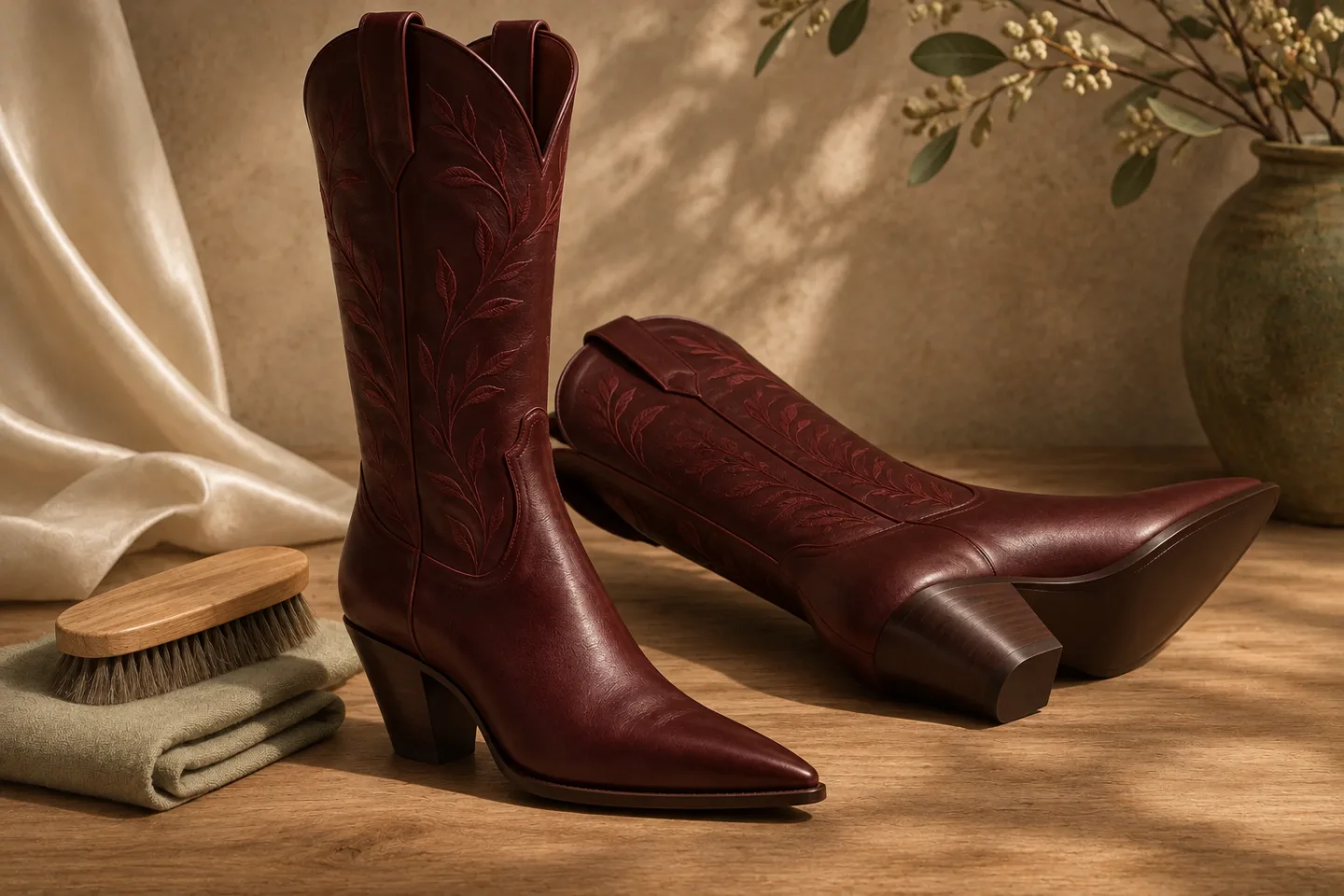
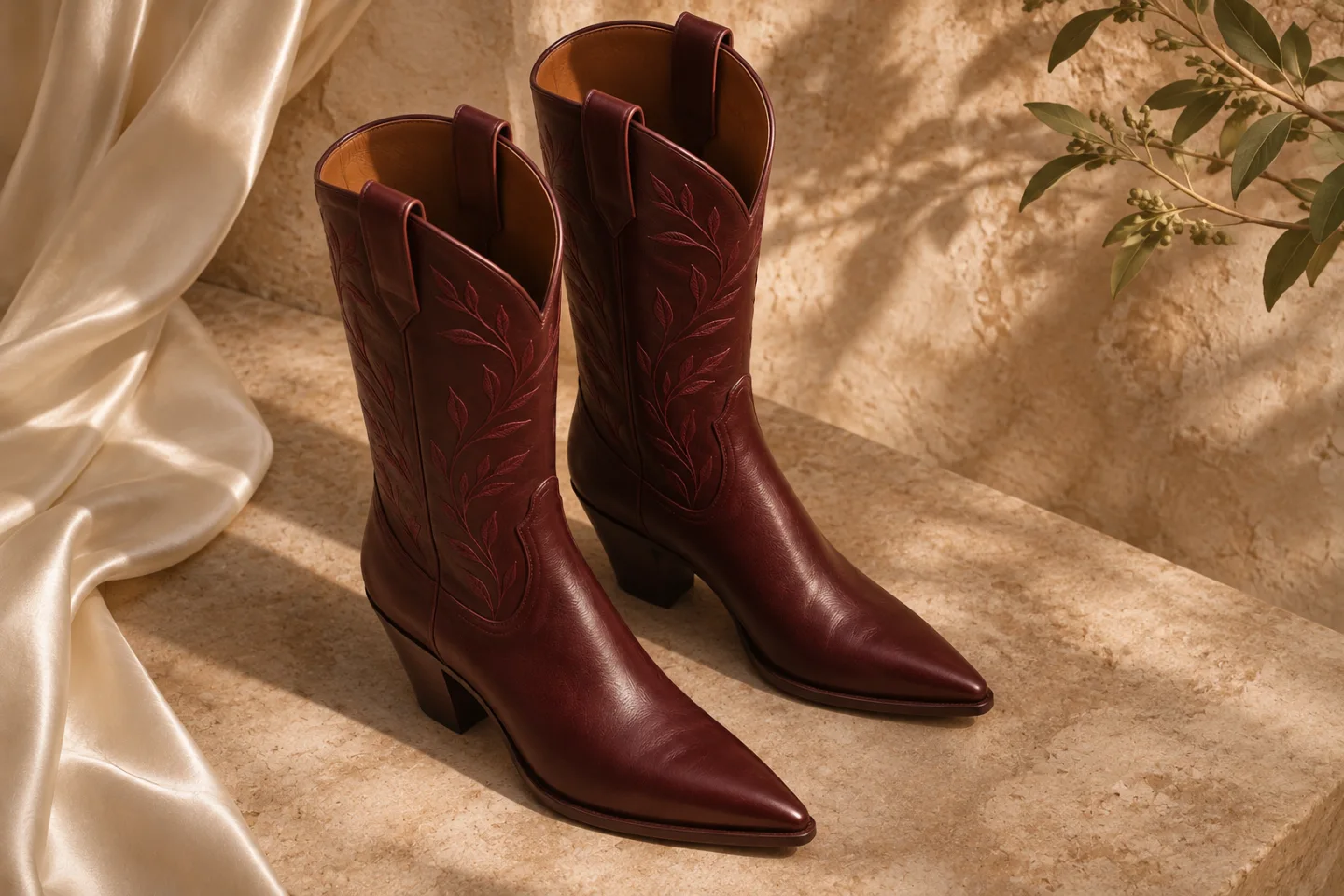
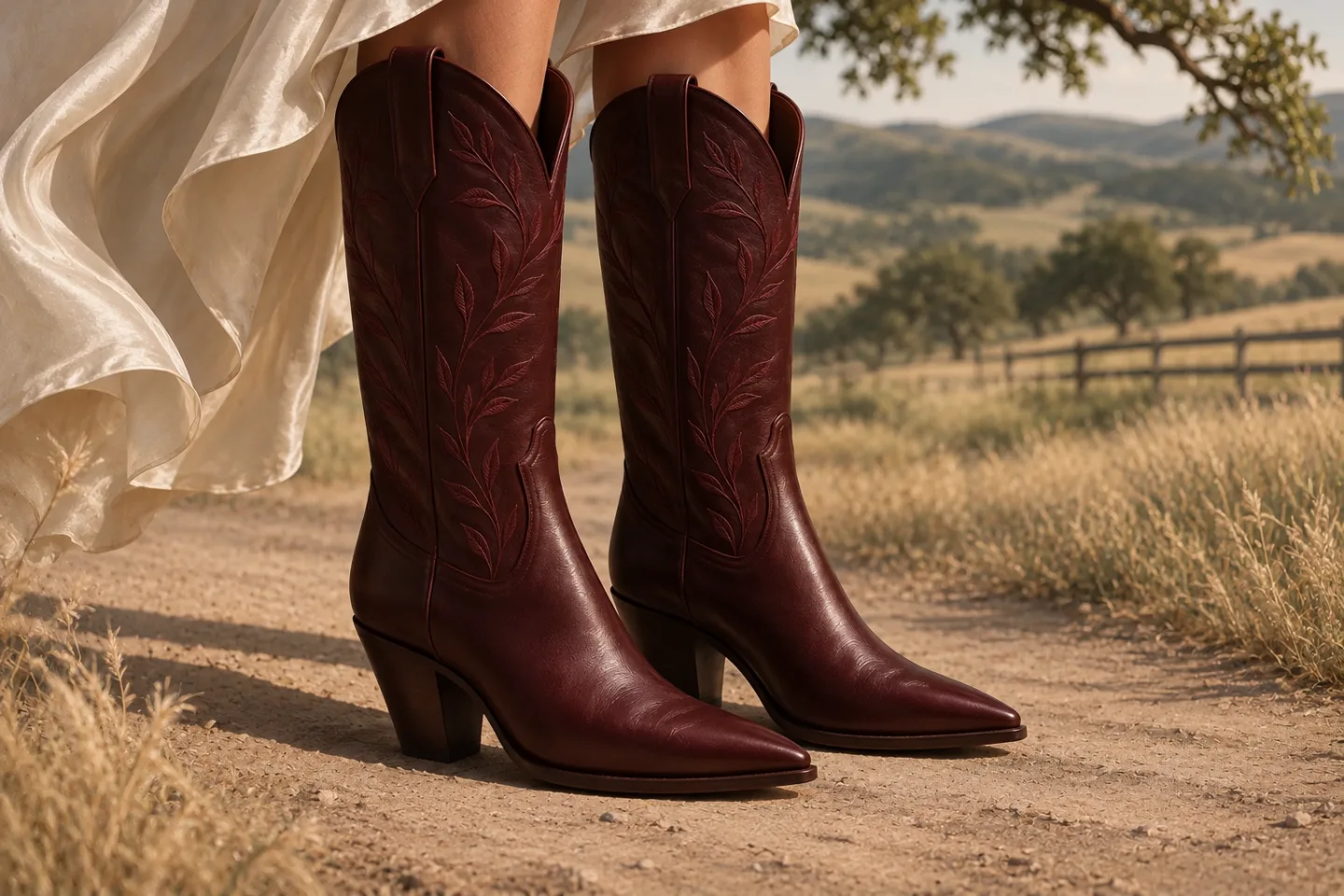
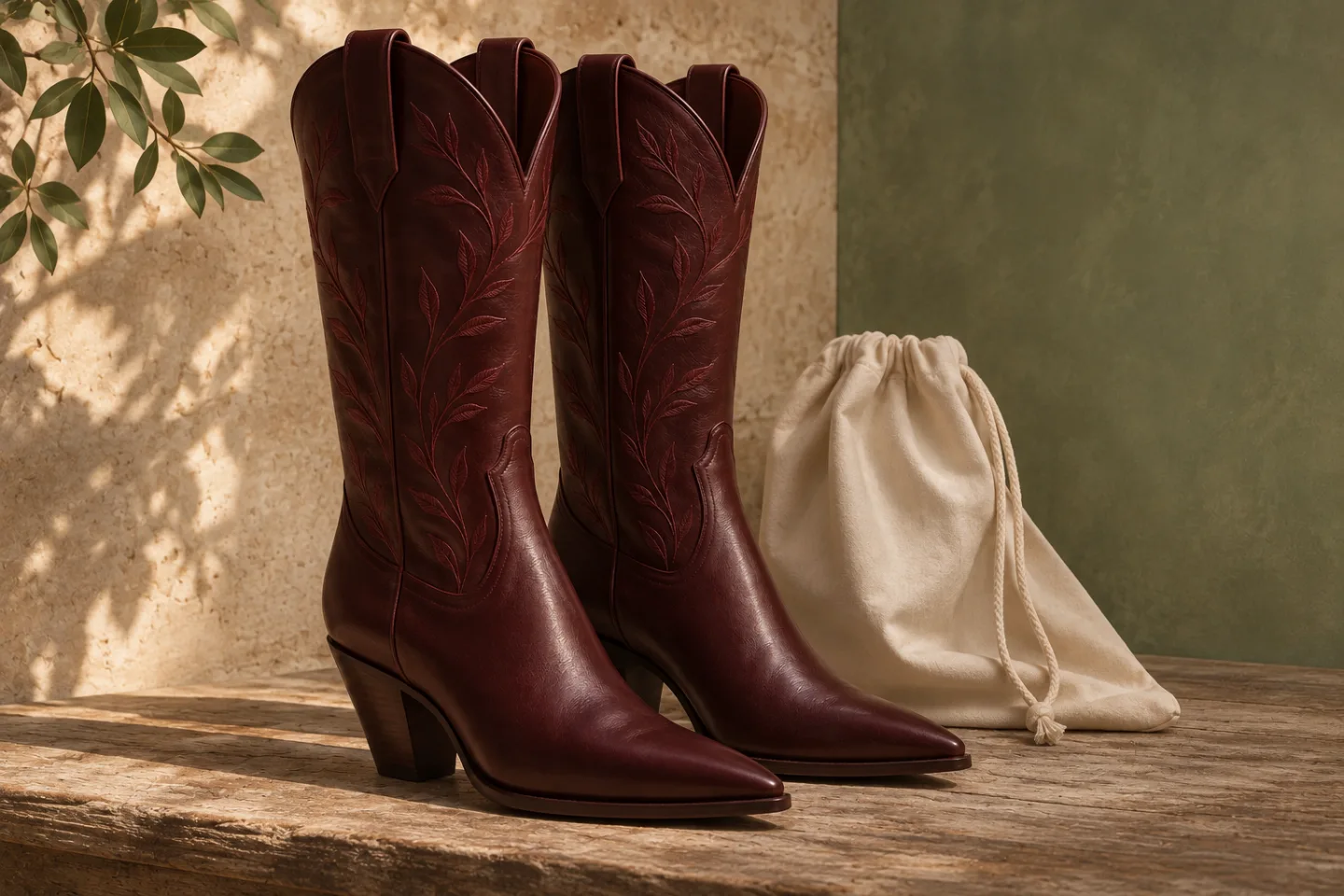
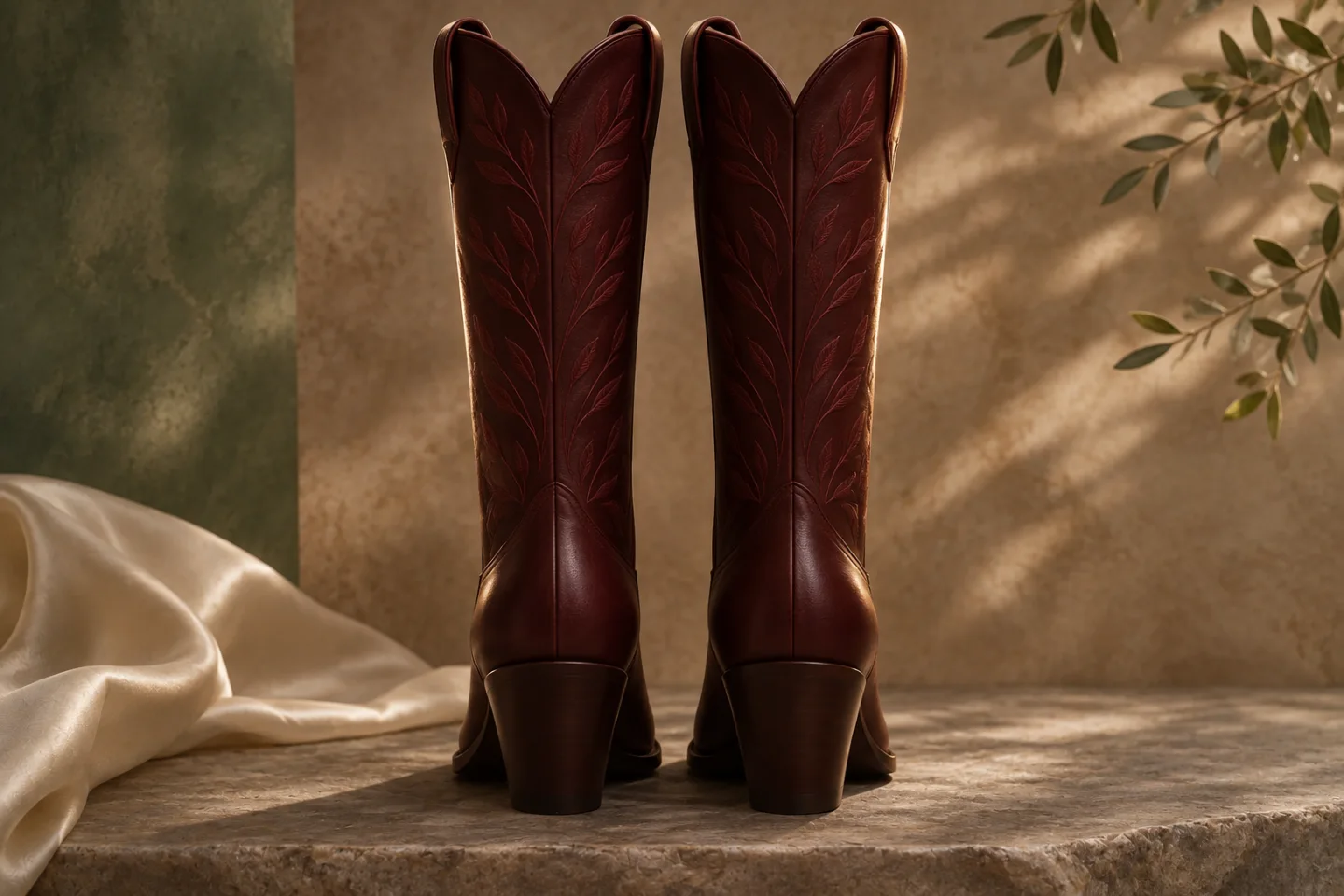
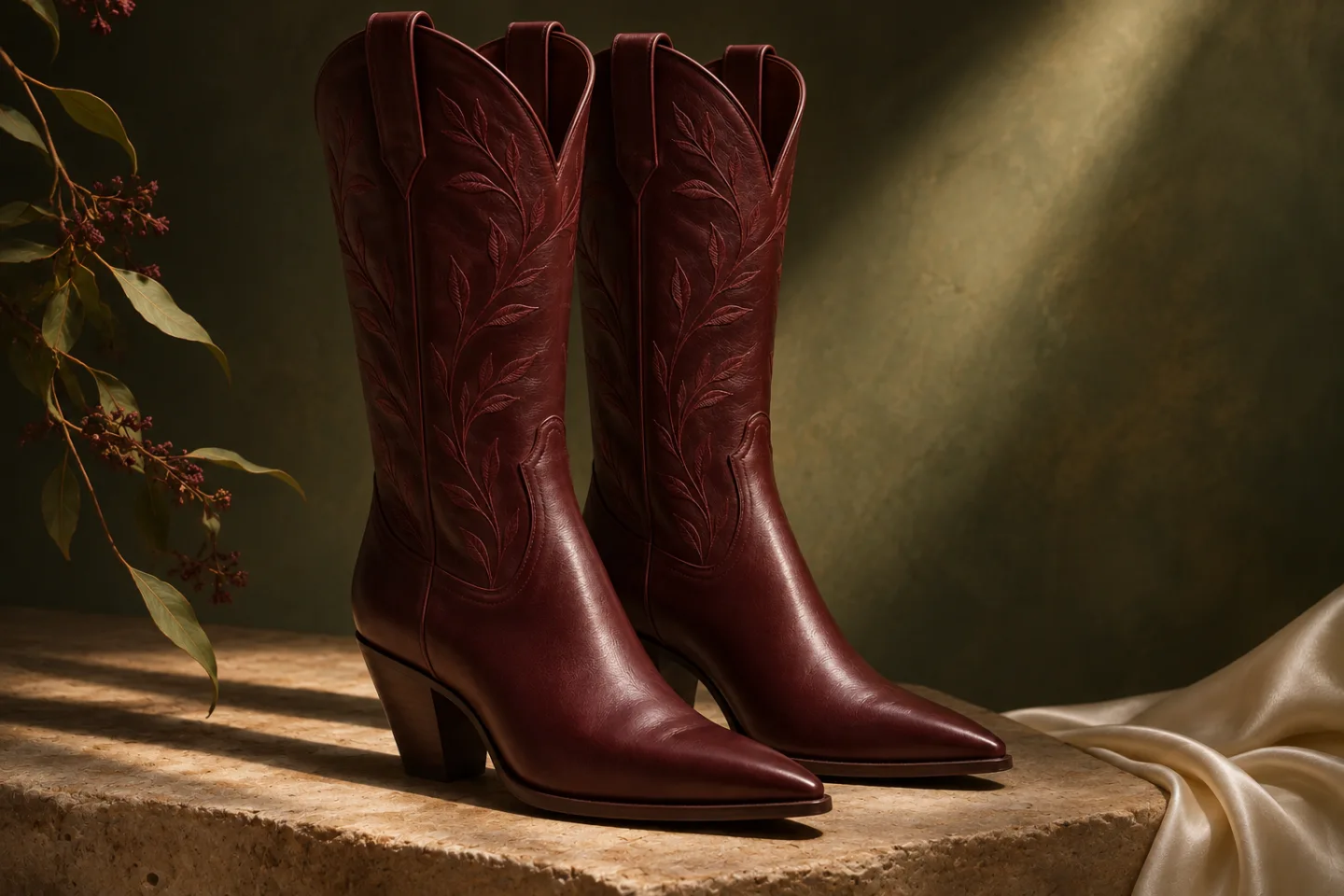
She’s seen you pull them on a hundred times. Then she brings over a dress, lifts the hem and asks a question you’ve been waiting years to hear.
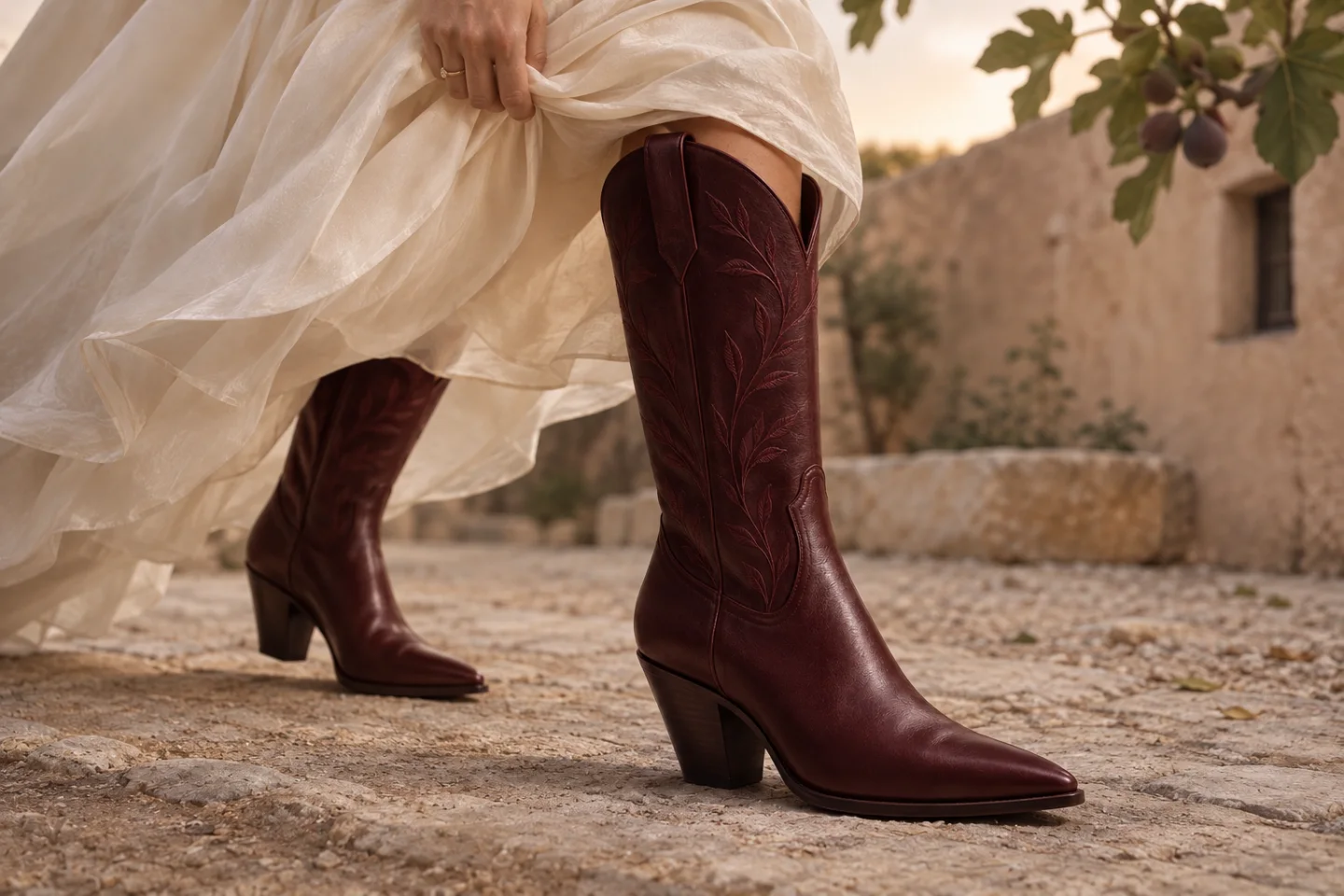
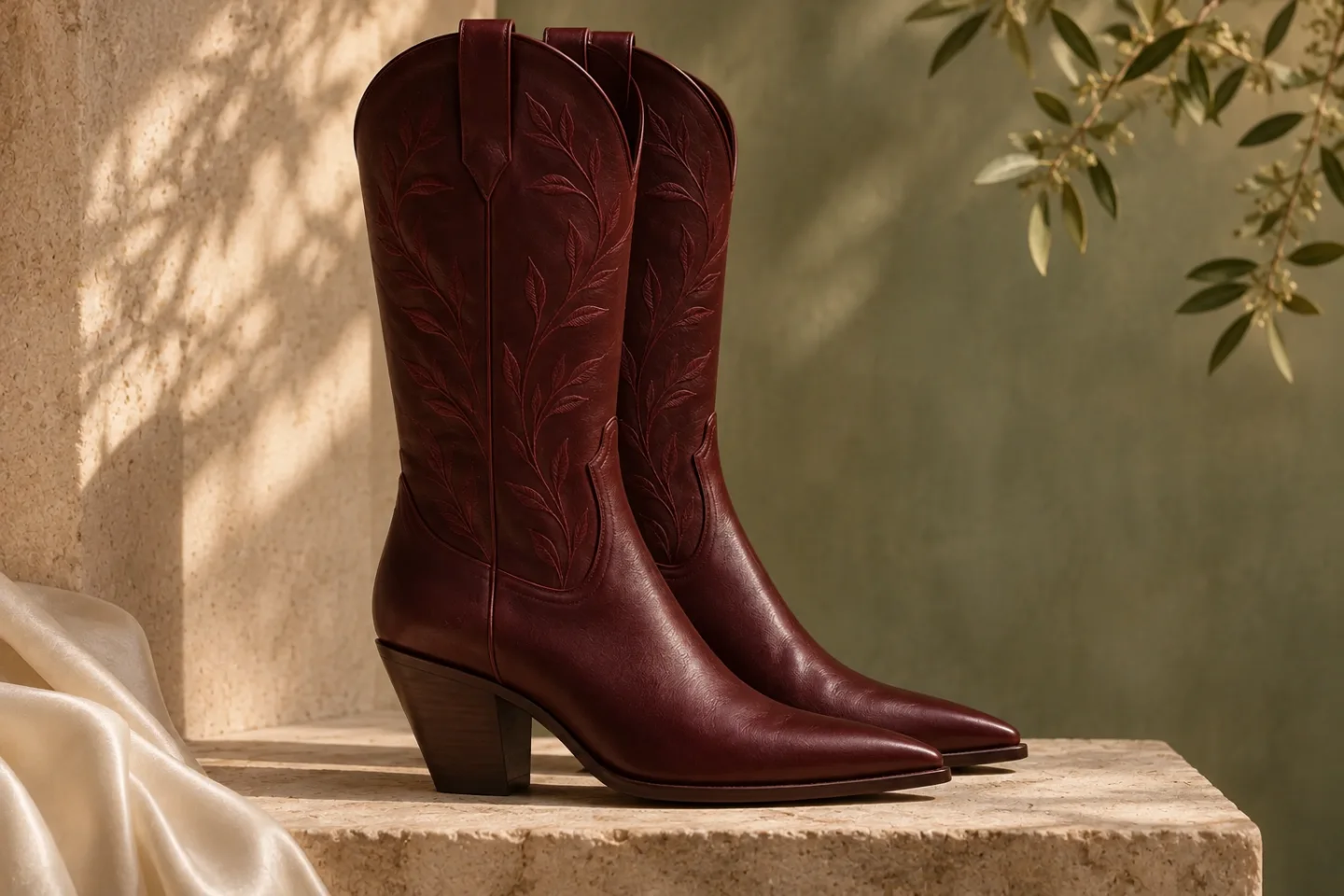
The pair
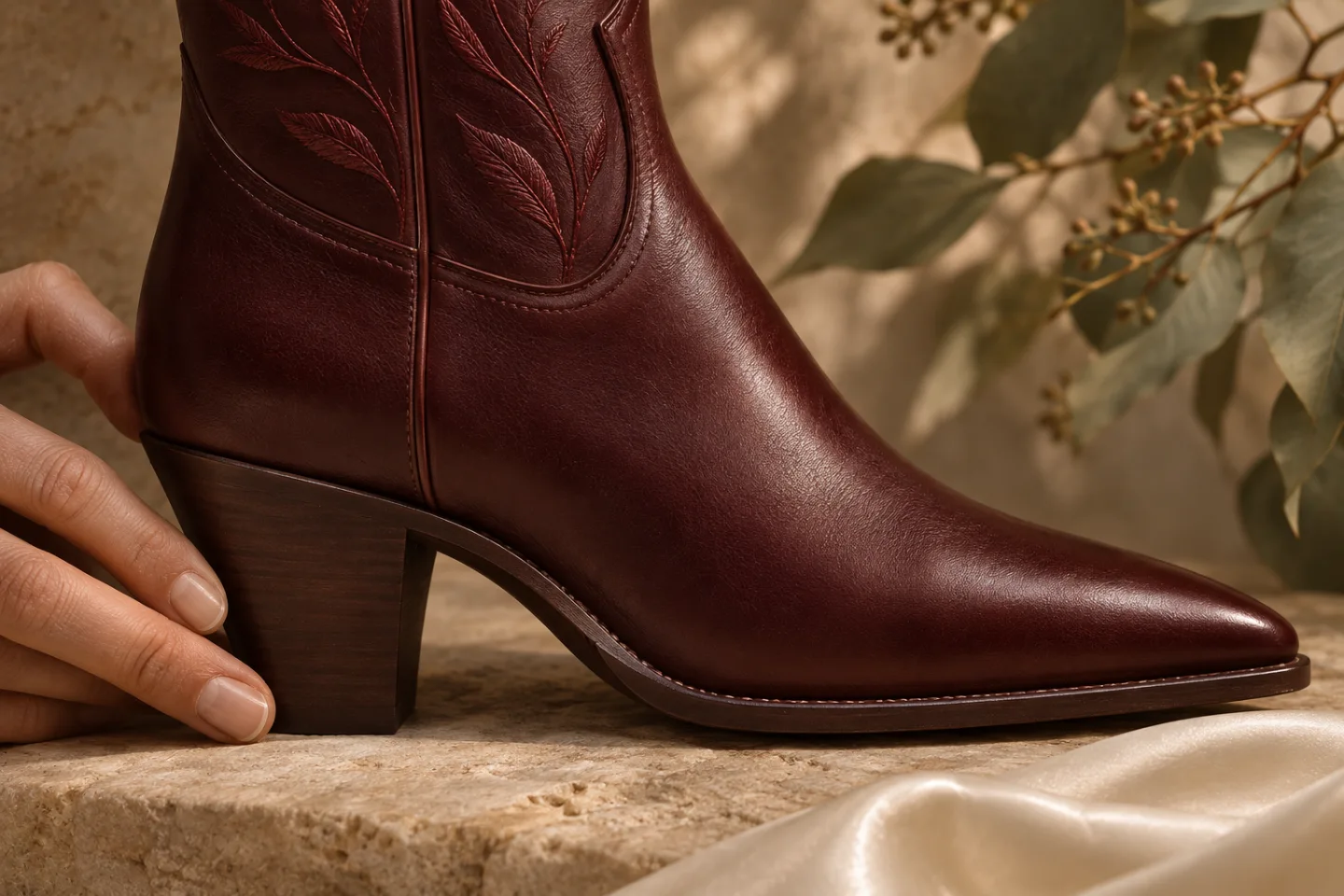
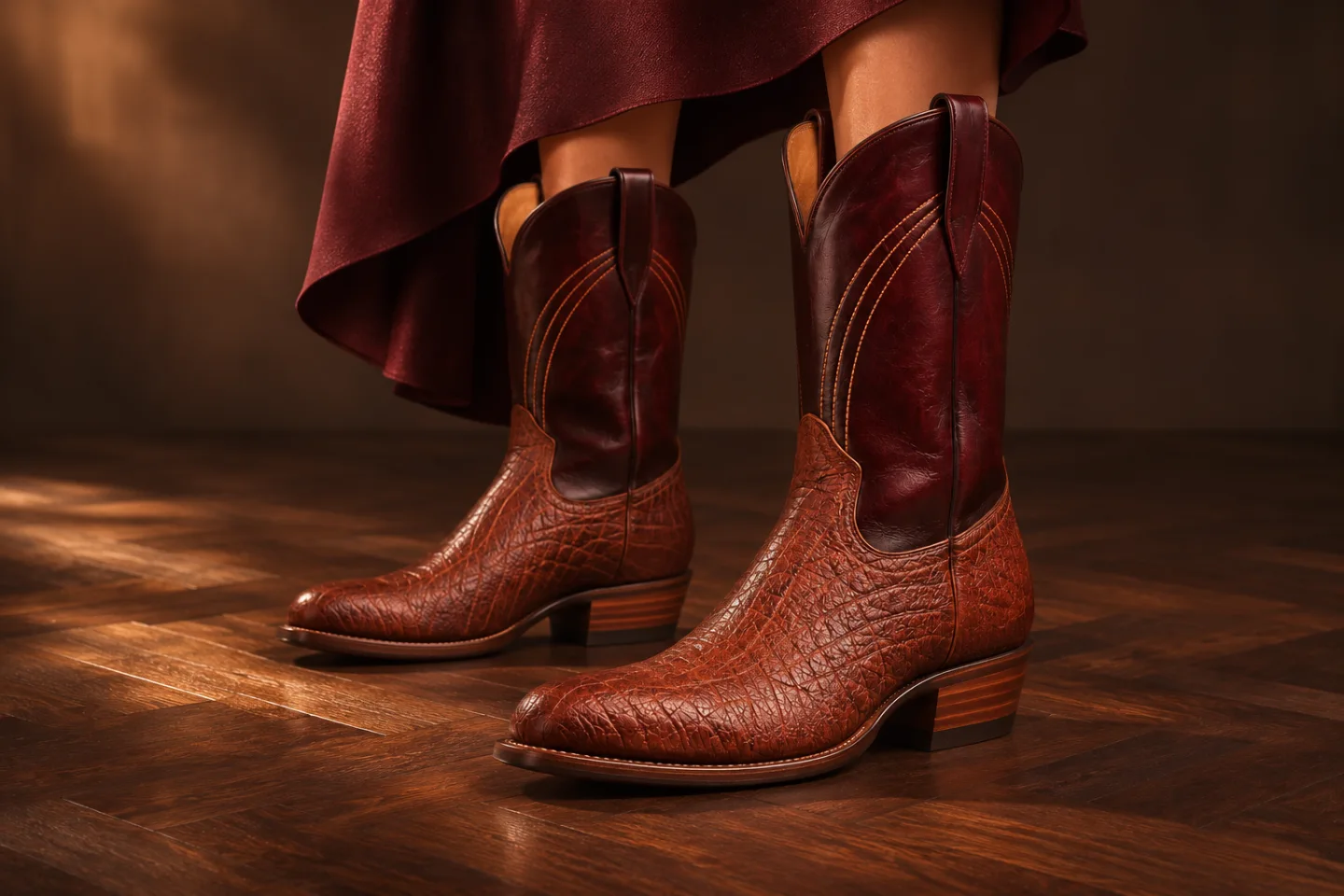
She’s picked a dress. The only thing she wants to try with it is the oxblood pair by your door. The hem comes up just enough to show the leaf stitch, which she noticed long before you thought she was paying attention.
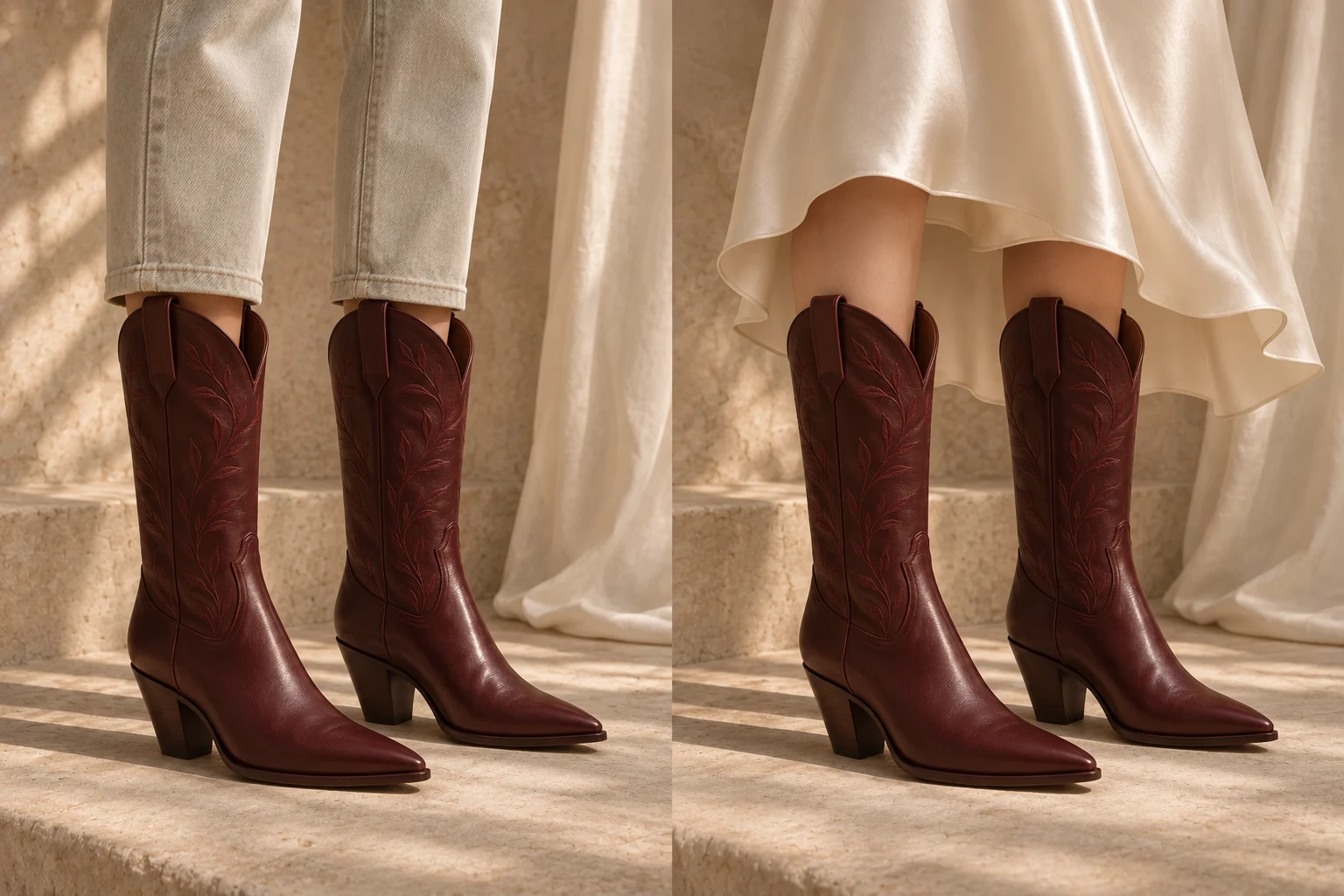
Pain and comfort
Her heel may slip when she turns and her toes may need a little more room. Bring her in with the pair. The maker can see what the leather and heel will let them change.
Measuring pain
Your maker watched you walk before taking out the tape. She gets the same chance to show where a boot rubs. Hear how one Vietnam veteran remembers being listened to at his fitting.
44 measurements
Width at the ball, height over the foot and where the shaft meets the calf are among the 44 measurements. They help a boot keep its line under the hem and leave your feet room to move.
The tracing
A pencil follows each foot with your weight on it. Your maker can spend hours getting the shape right. It’s the sort of work you’ll be glad happened long before the music starts.
Leather
The leaf stitch is easy to see in daylight. In a dim room it falls back into the oxblood. The shine just above the toe is the part you put there yourself.
Underfoot
A maker checks how you put your heel down. When your daughter tries the pair, the bench can look at the balance again. There’s a difference between standing in a boot and dancing in it.
Care
Send them to Tucson before the wedding. The maker can deep clean the folds and look at the heels. Bring her along if it’s time to see how the pair can be adjusted.
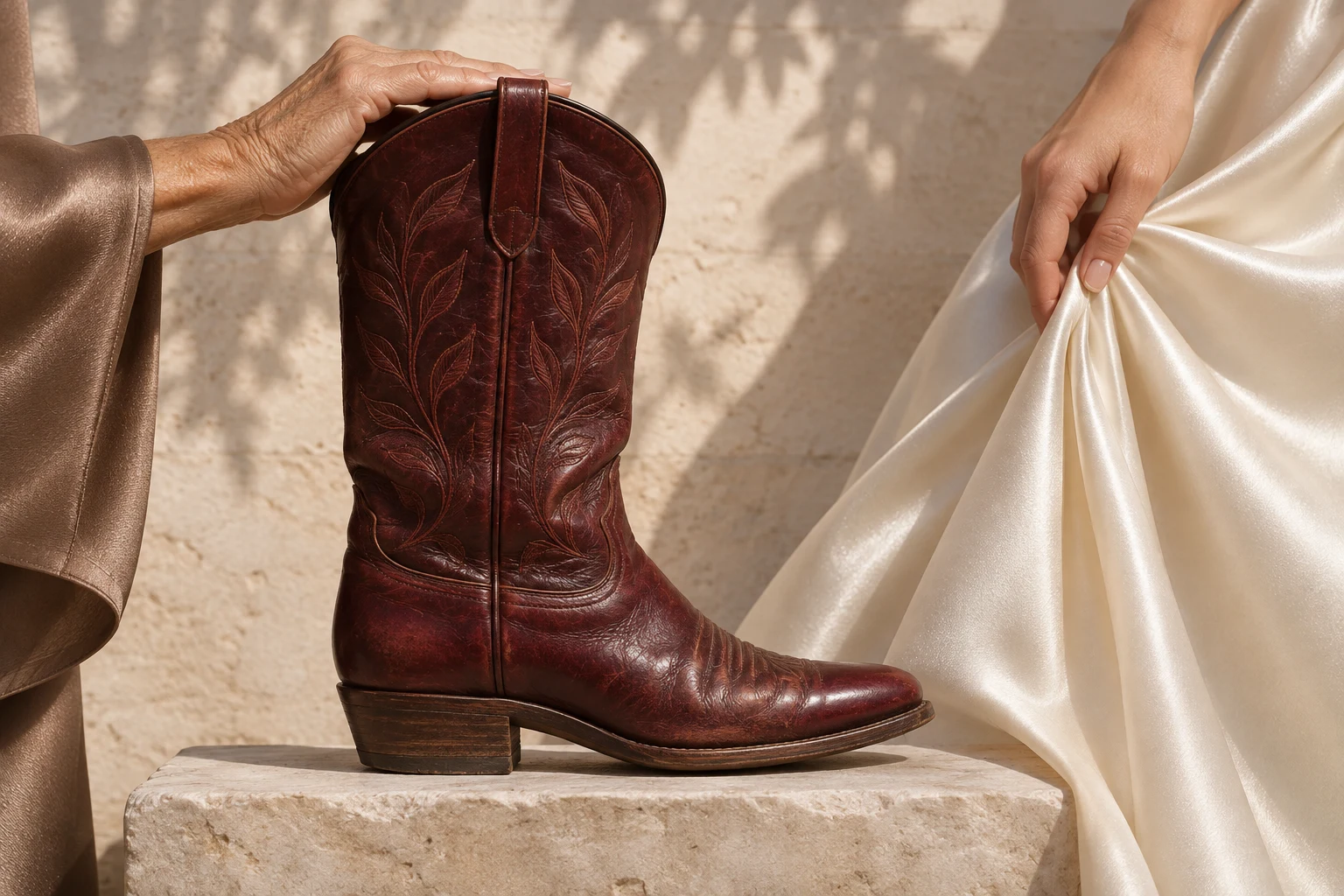
The wedding
She lifts the silk and you hold the shaft while she slips her foot in. You know the sound the heels make on the floor. You’ve never heard them quite like this.
Your appointment
Heirloom starts at $30,000 and includes your Atelier fitting, her future fitting and any refit the pair allows. Wear them often. By the time she borrows them, they’ll hold more of your years than the maker’s hours.
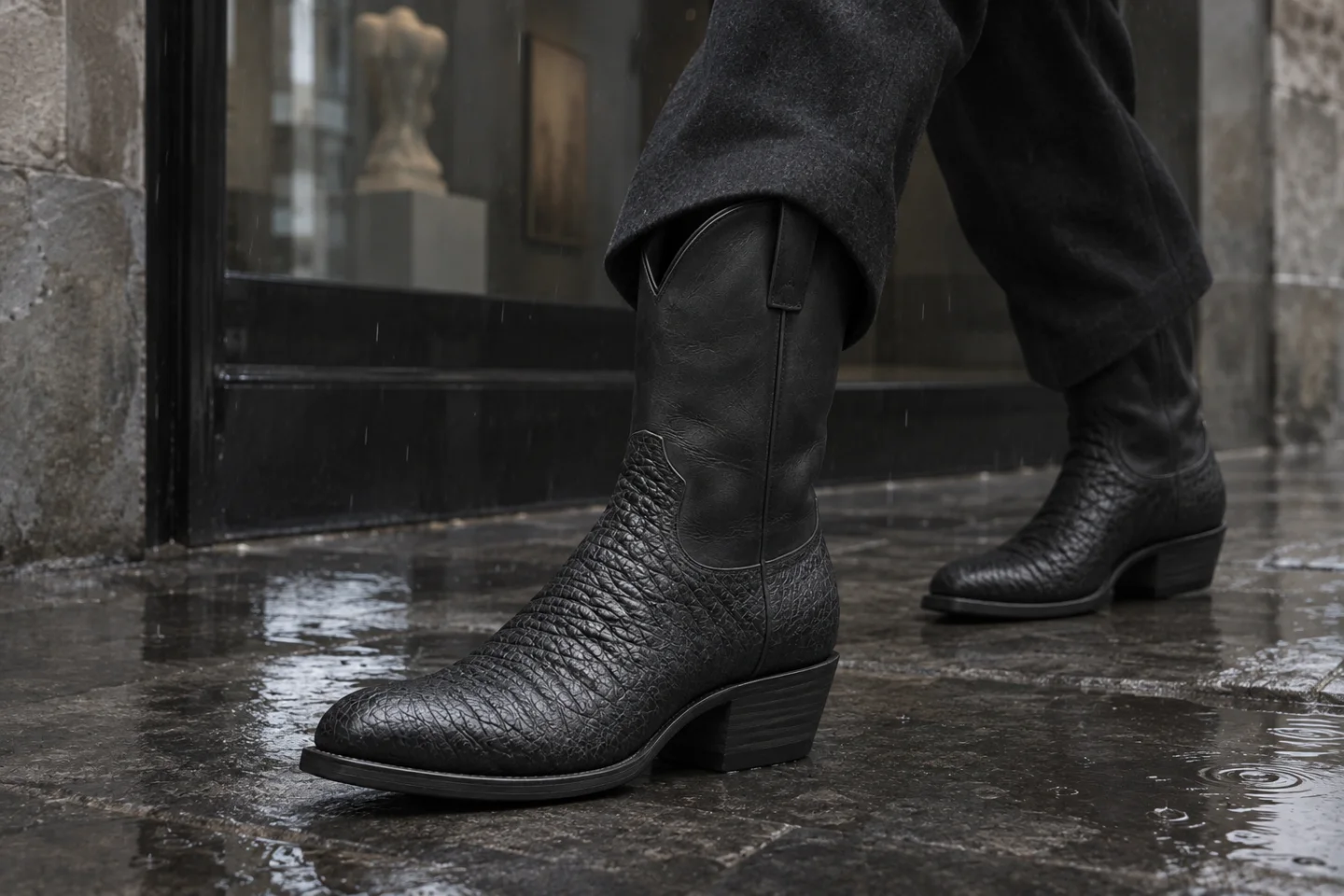
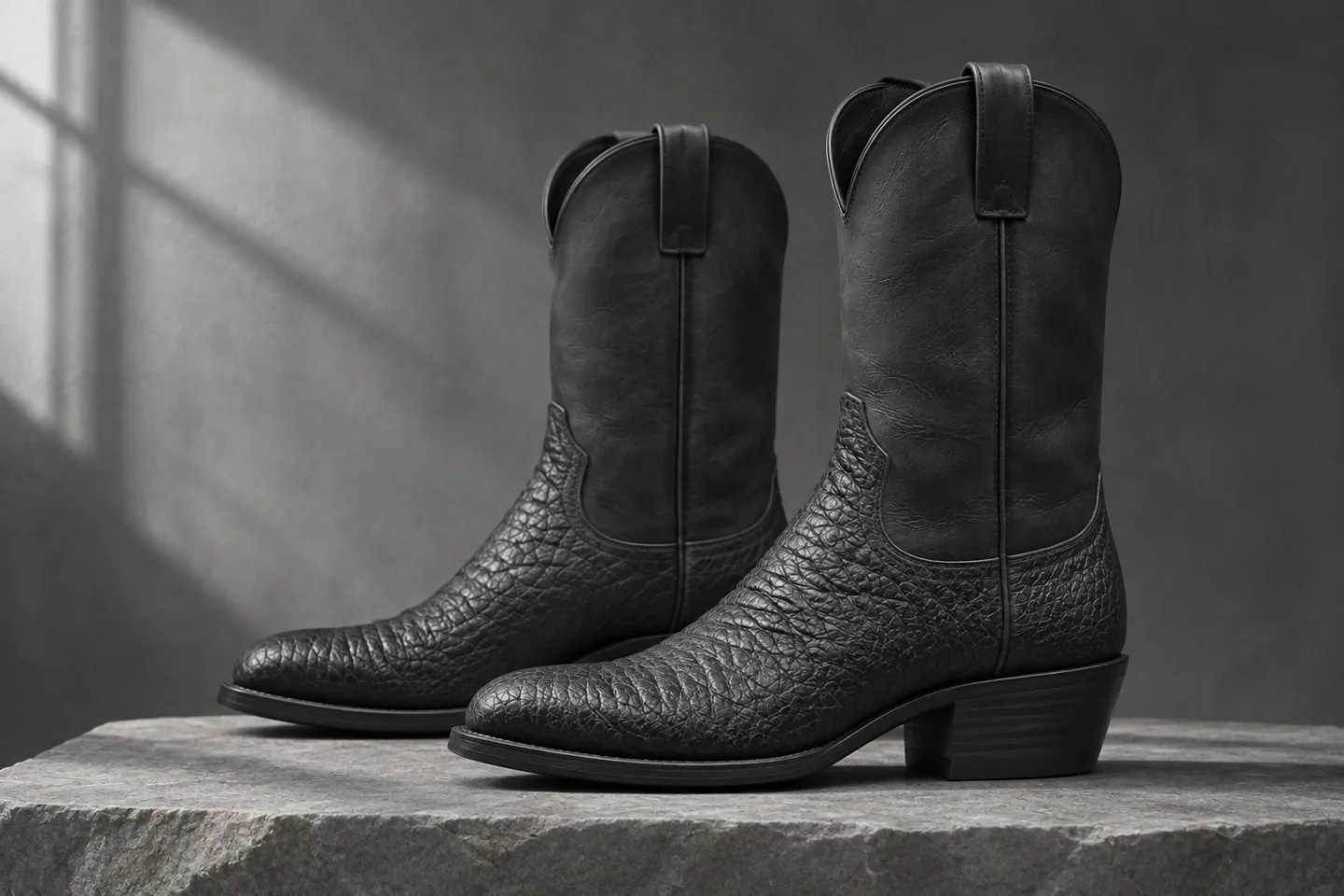
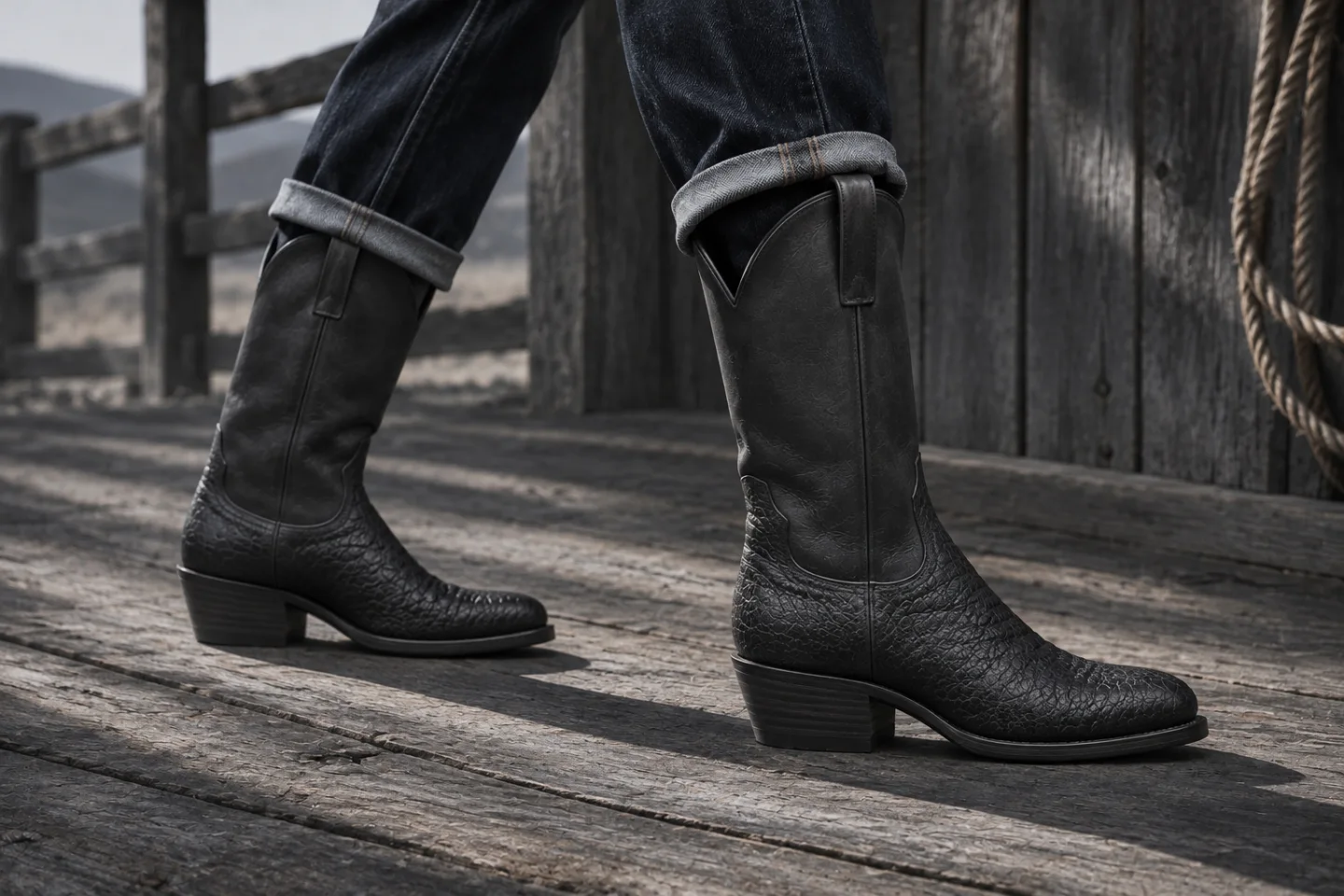
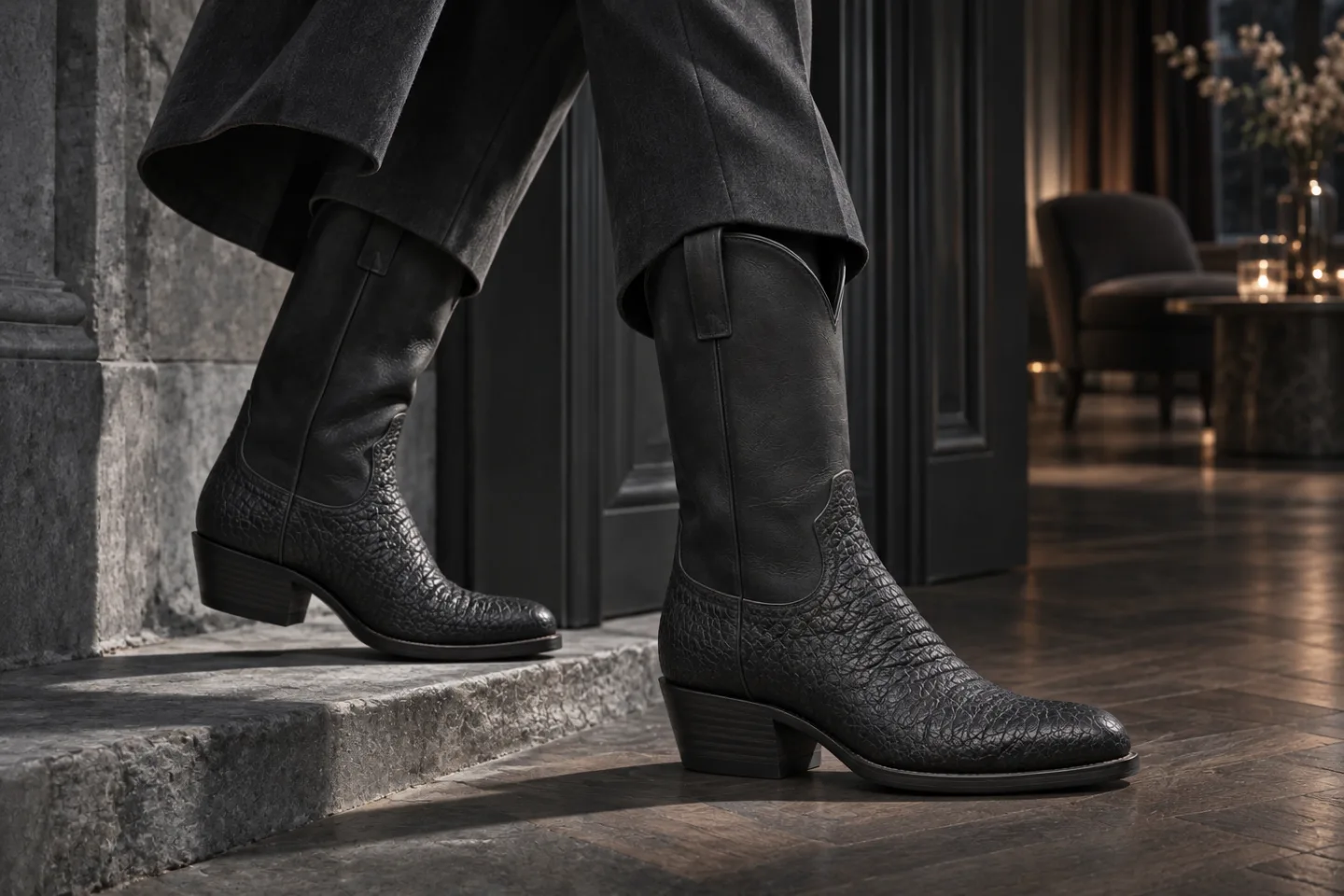
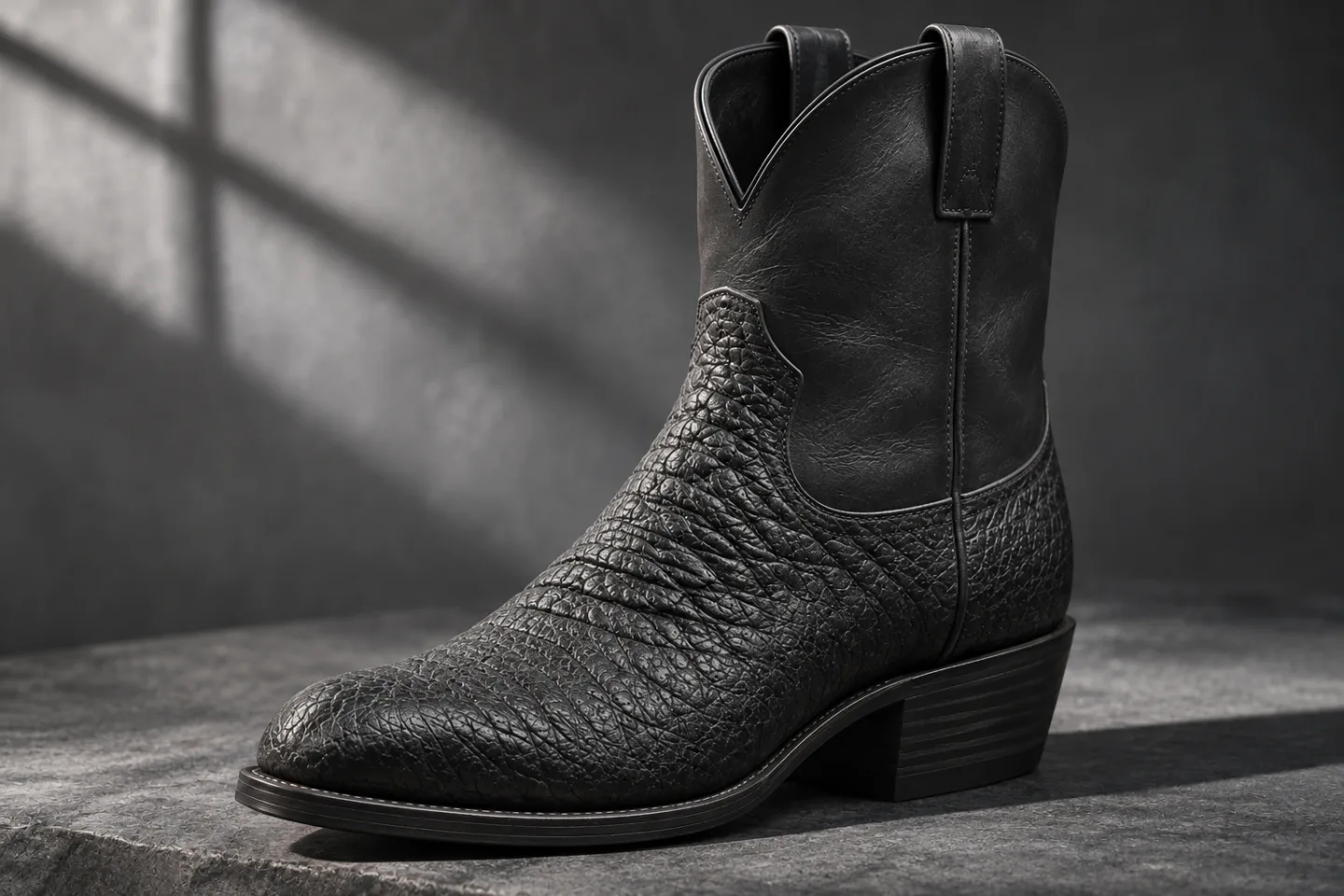
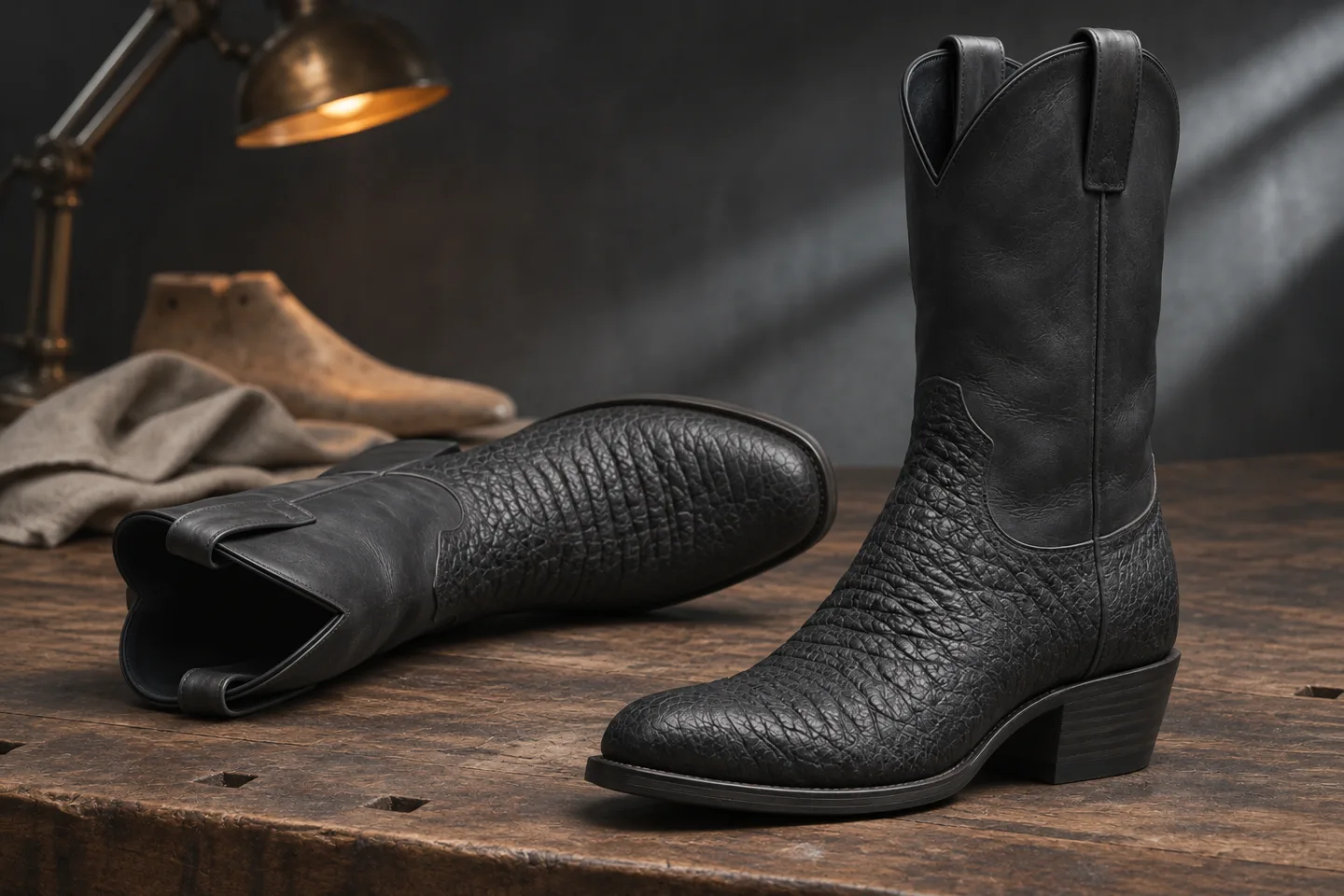
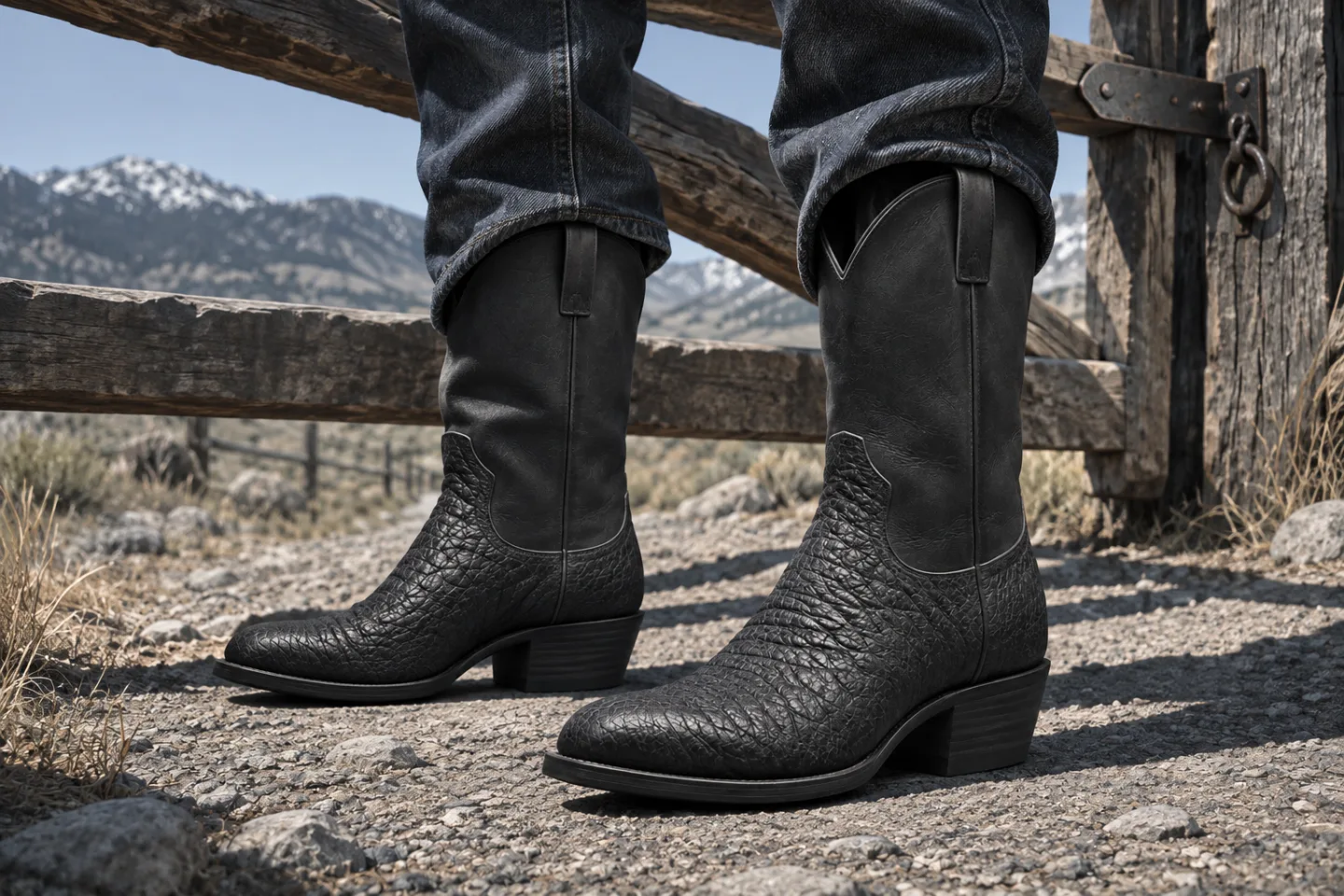
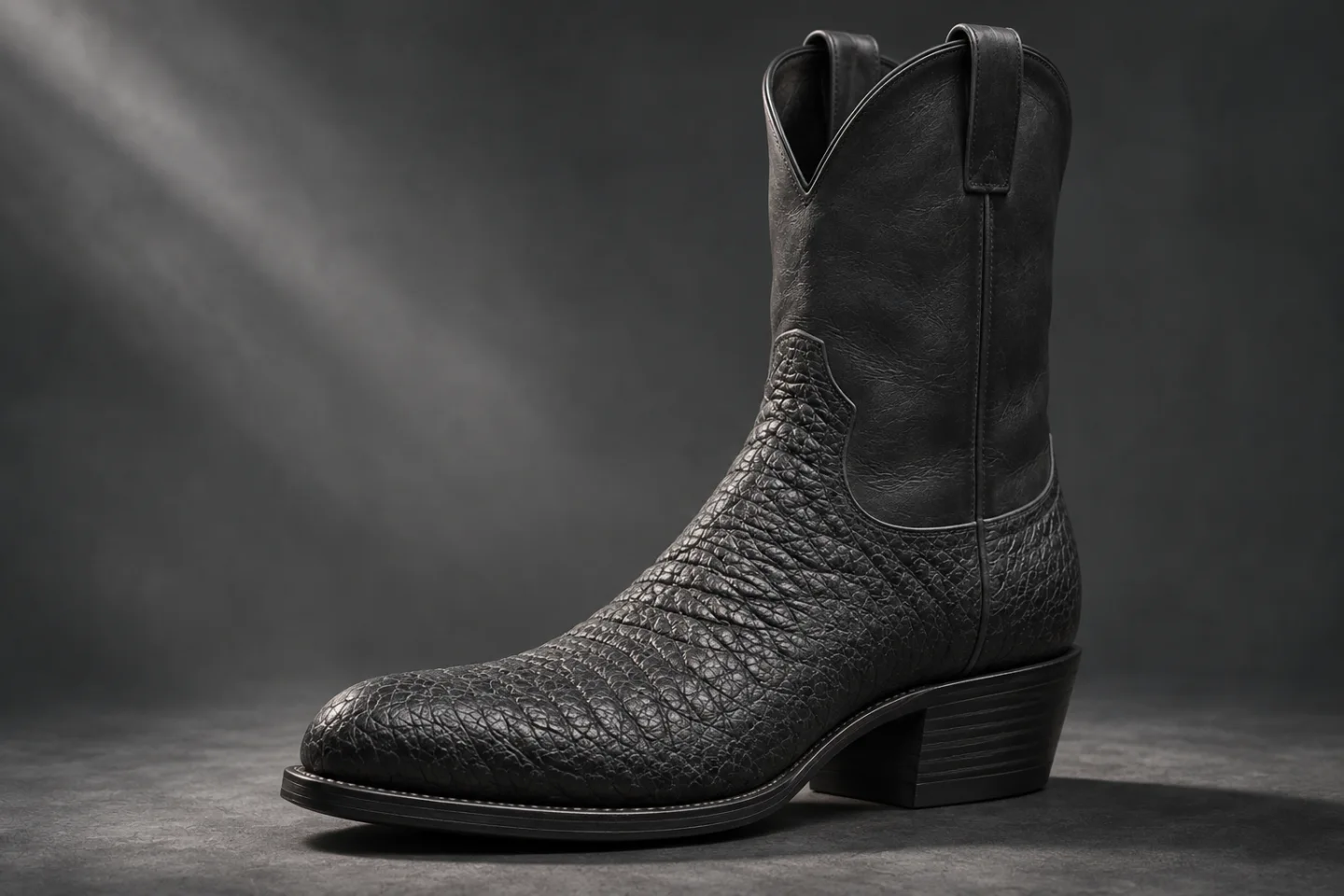
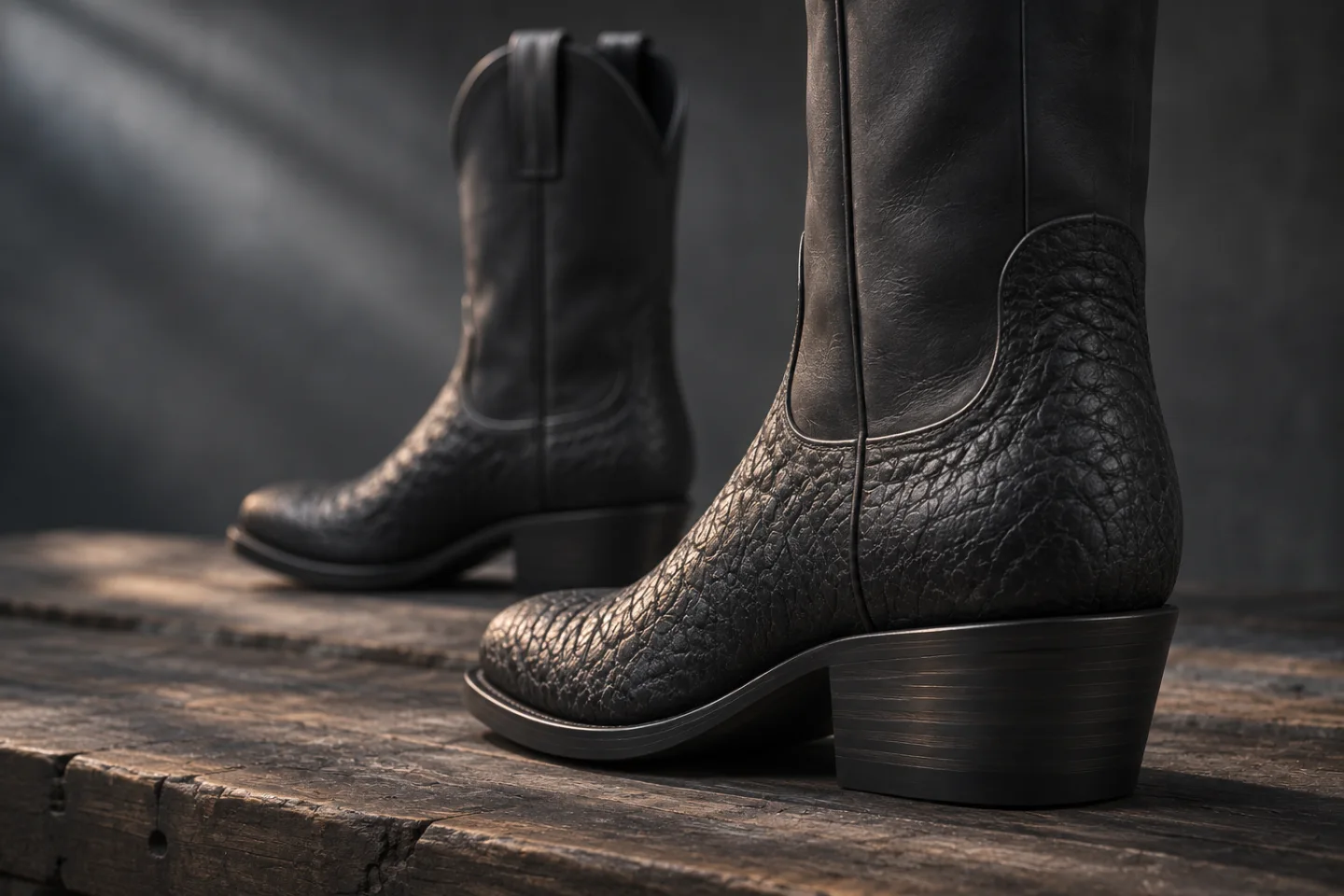
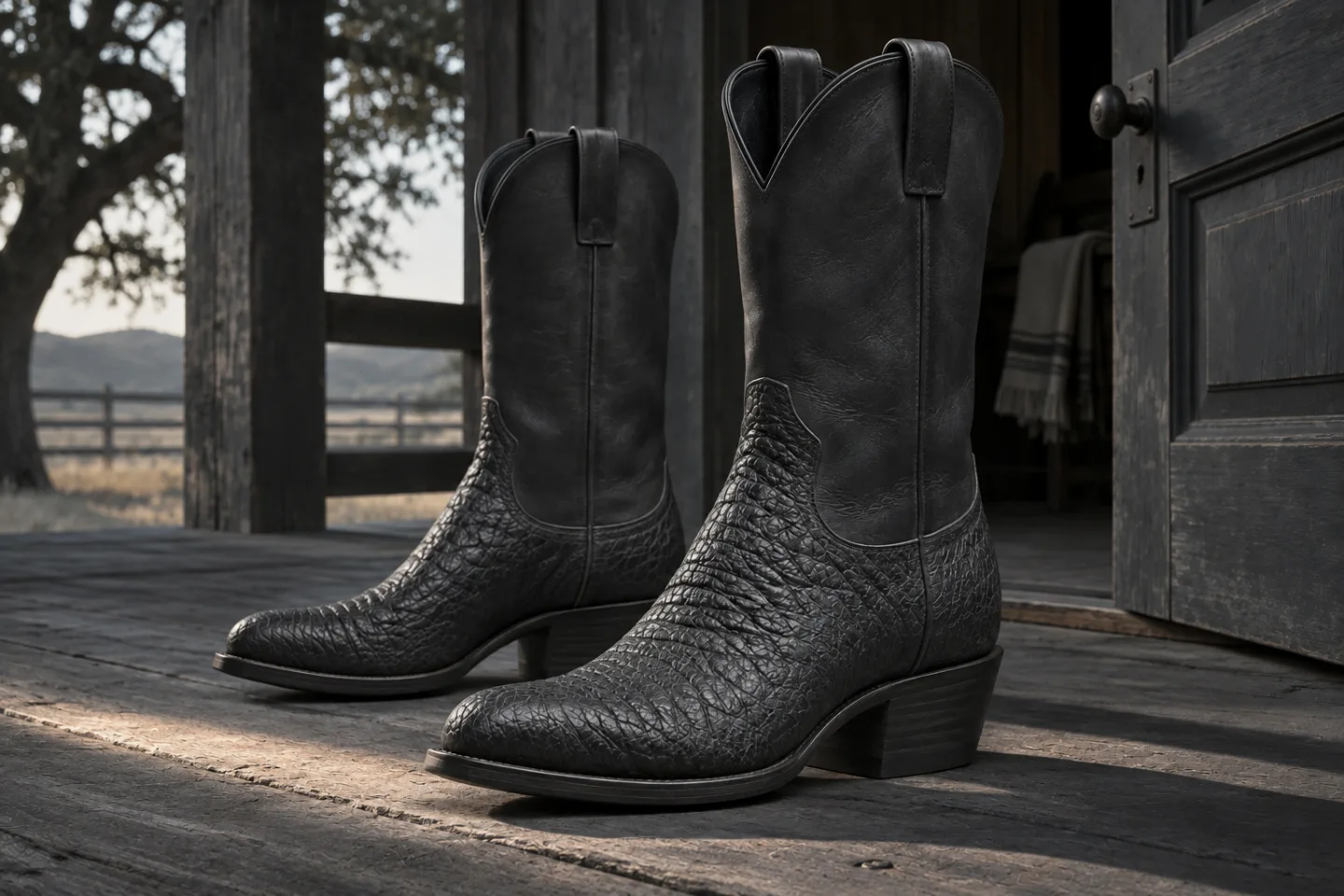
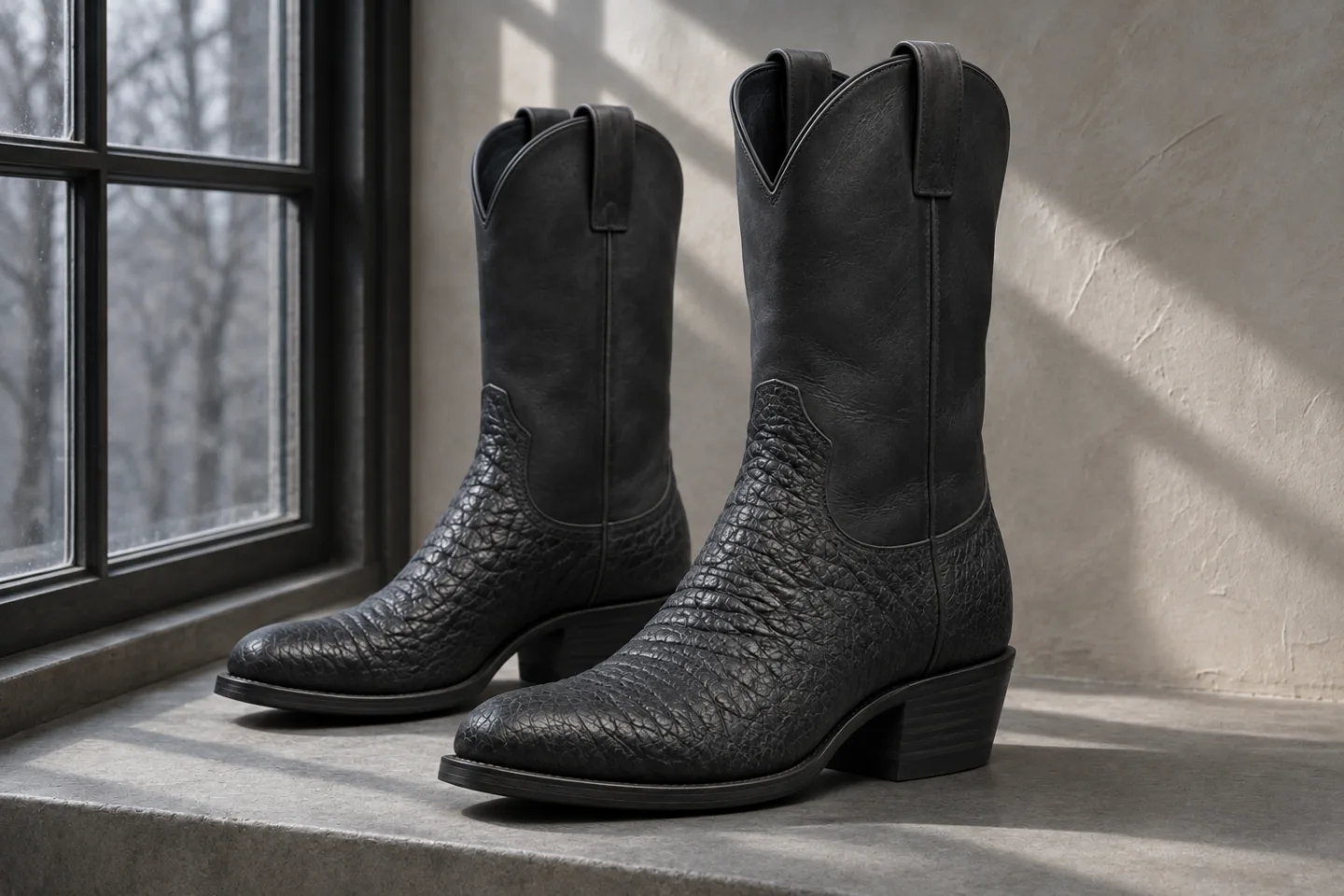
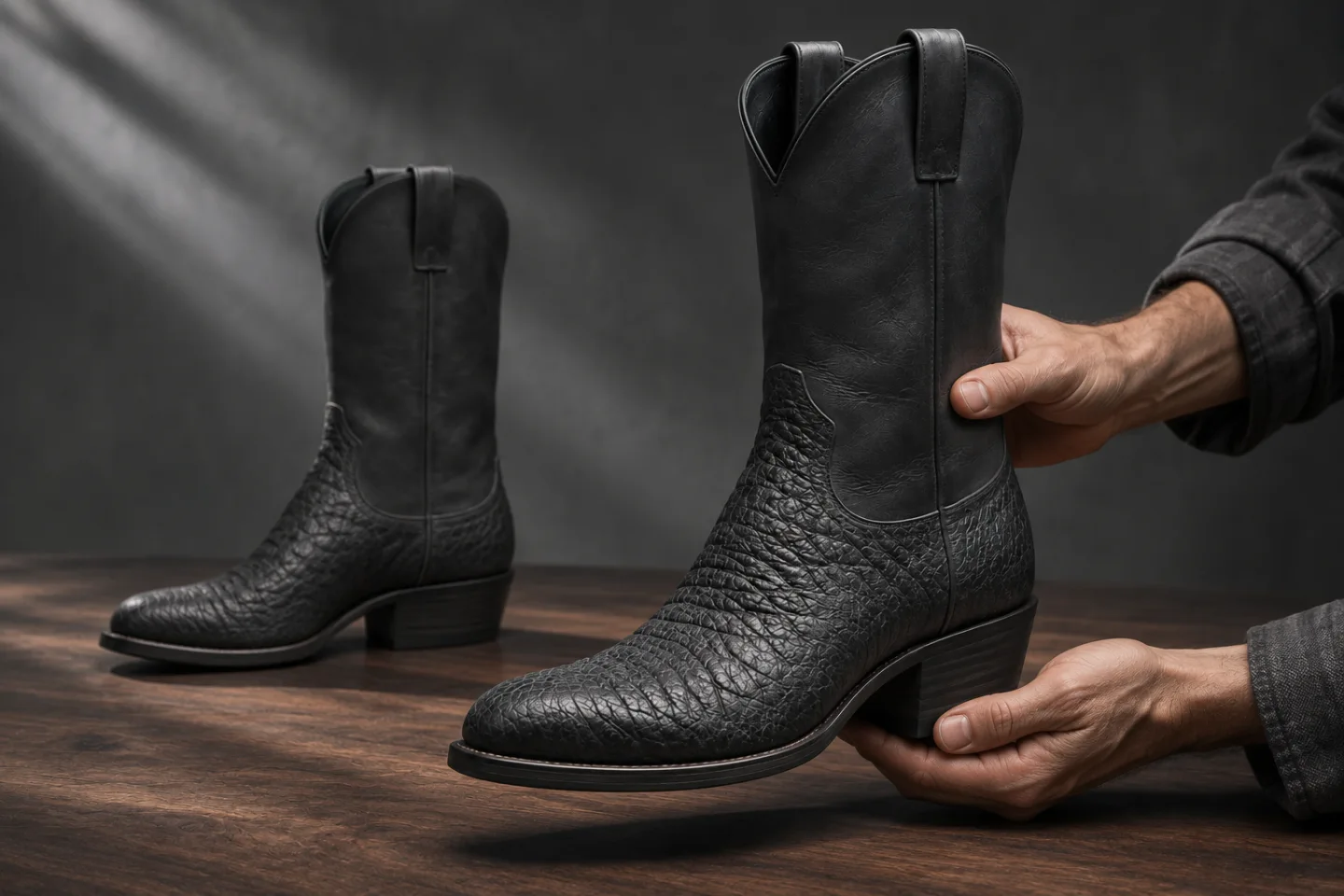
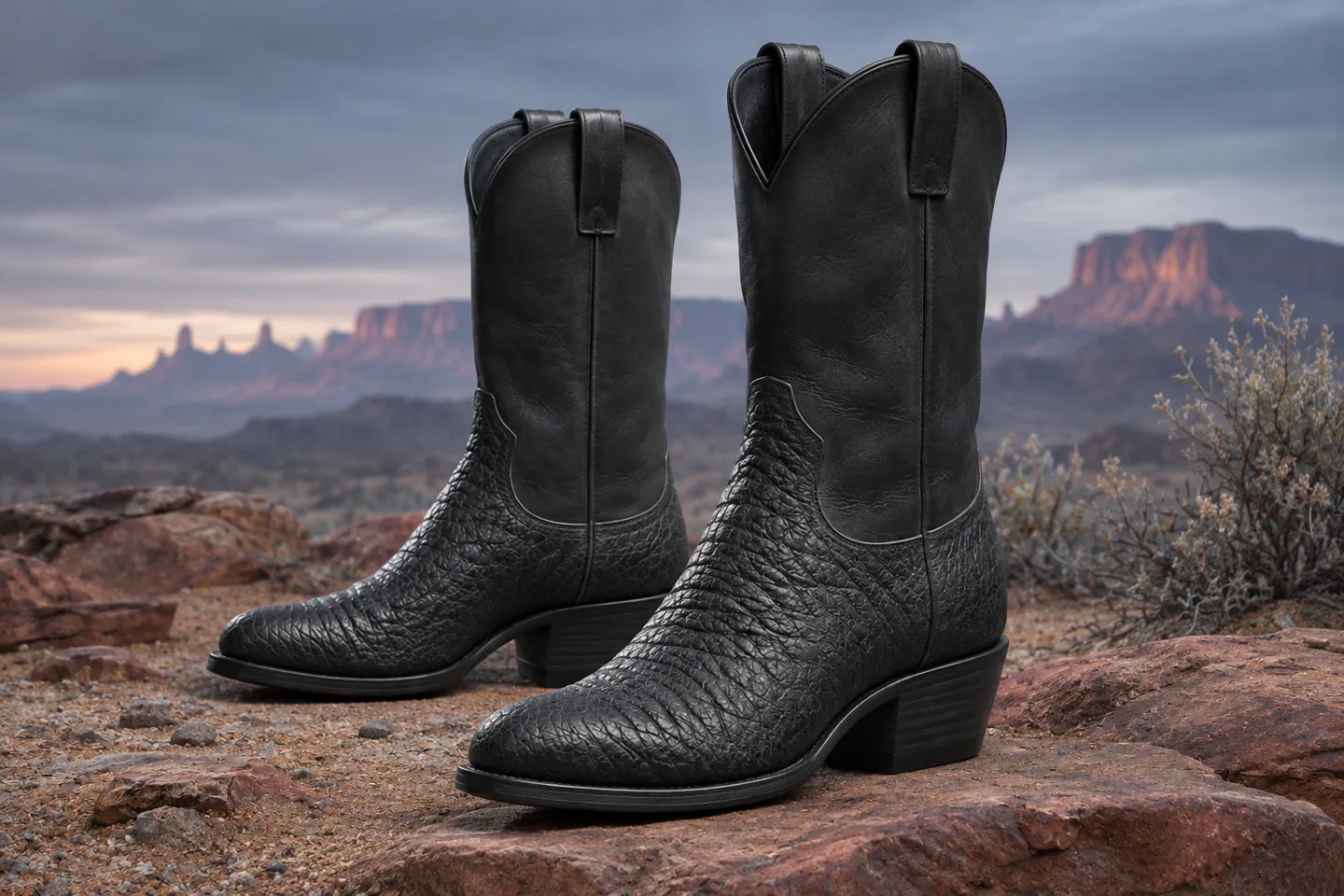
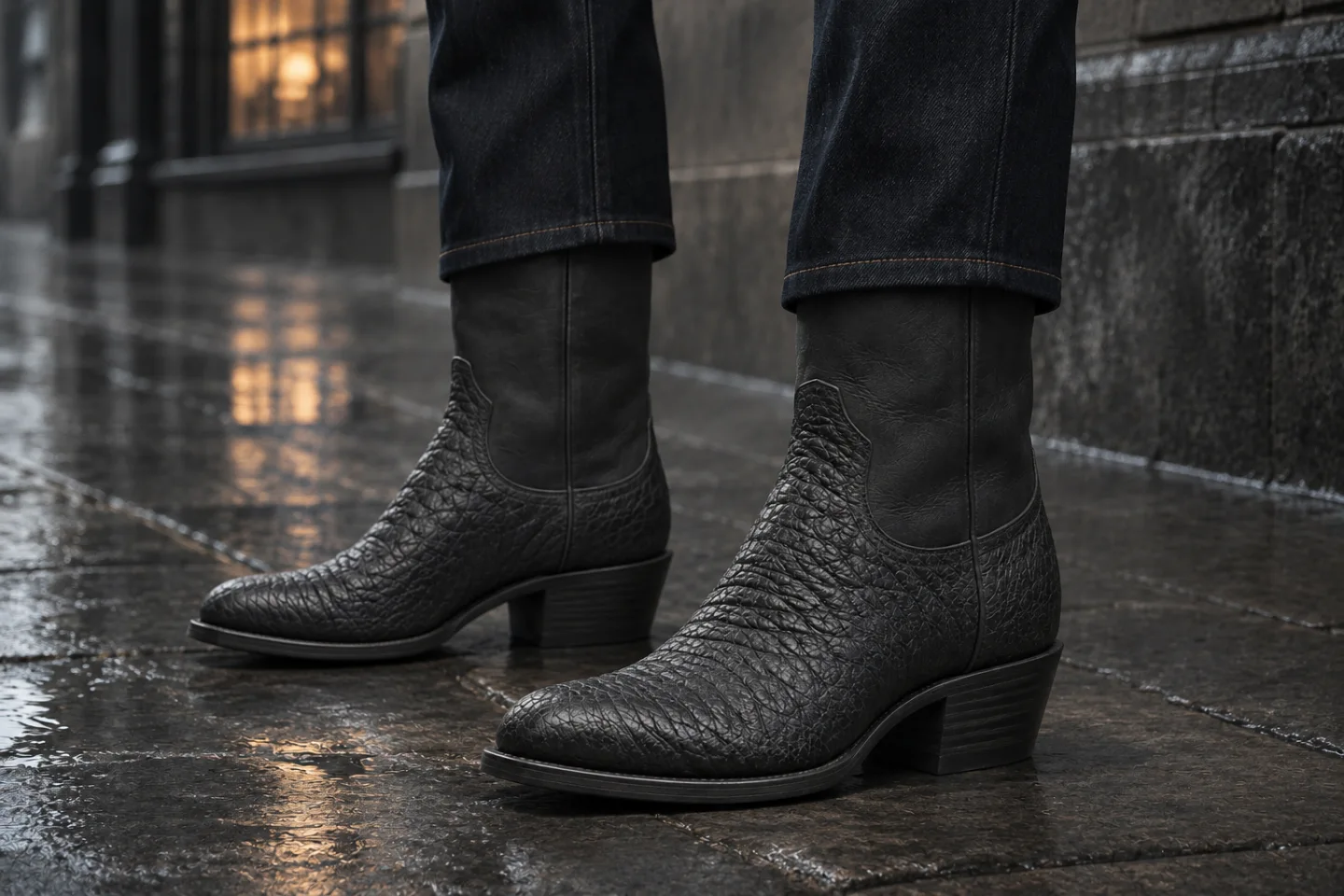
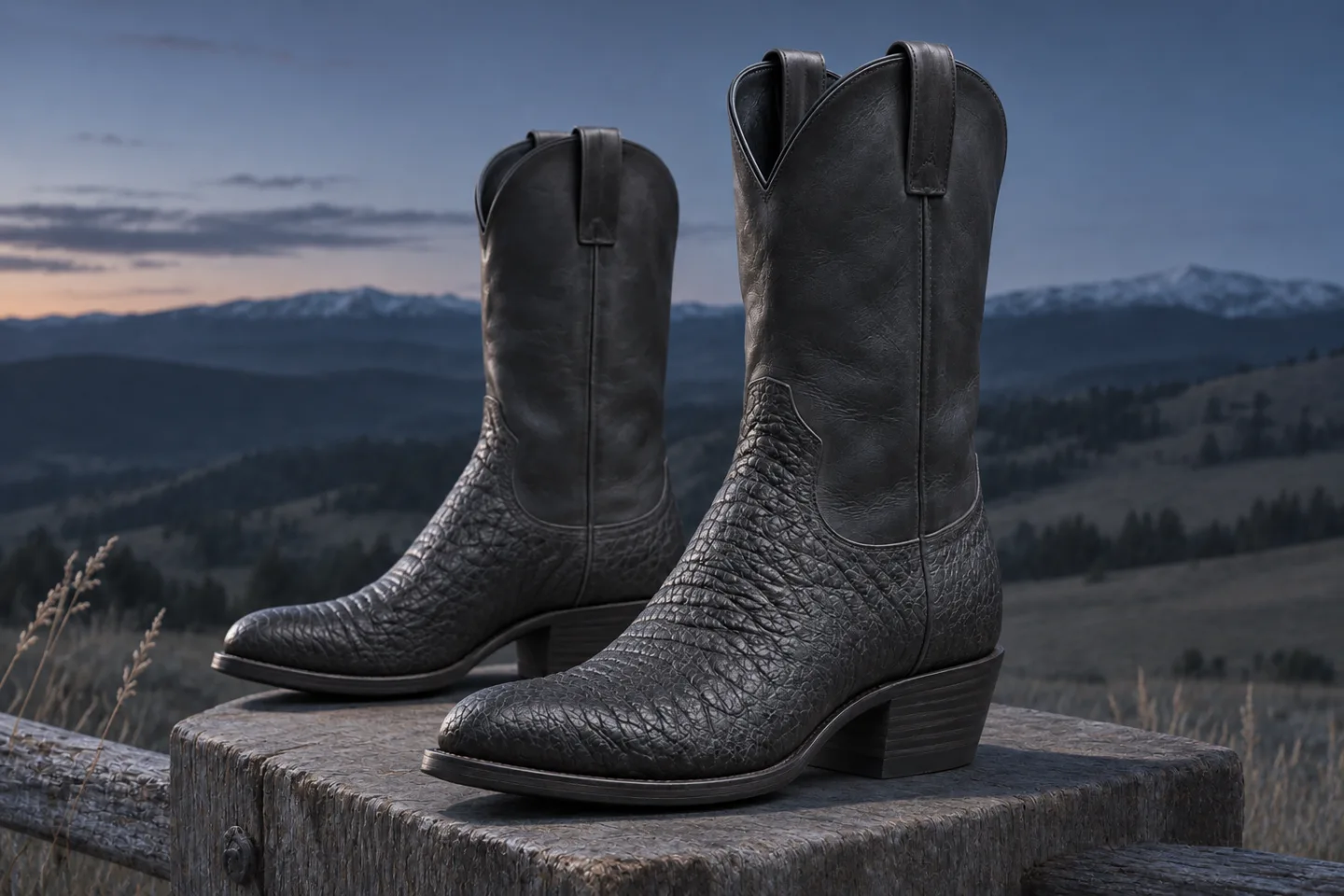
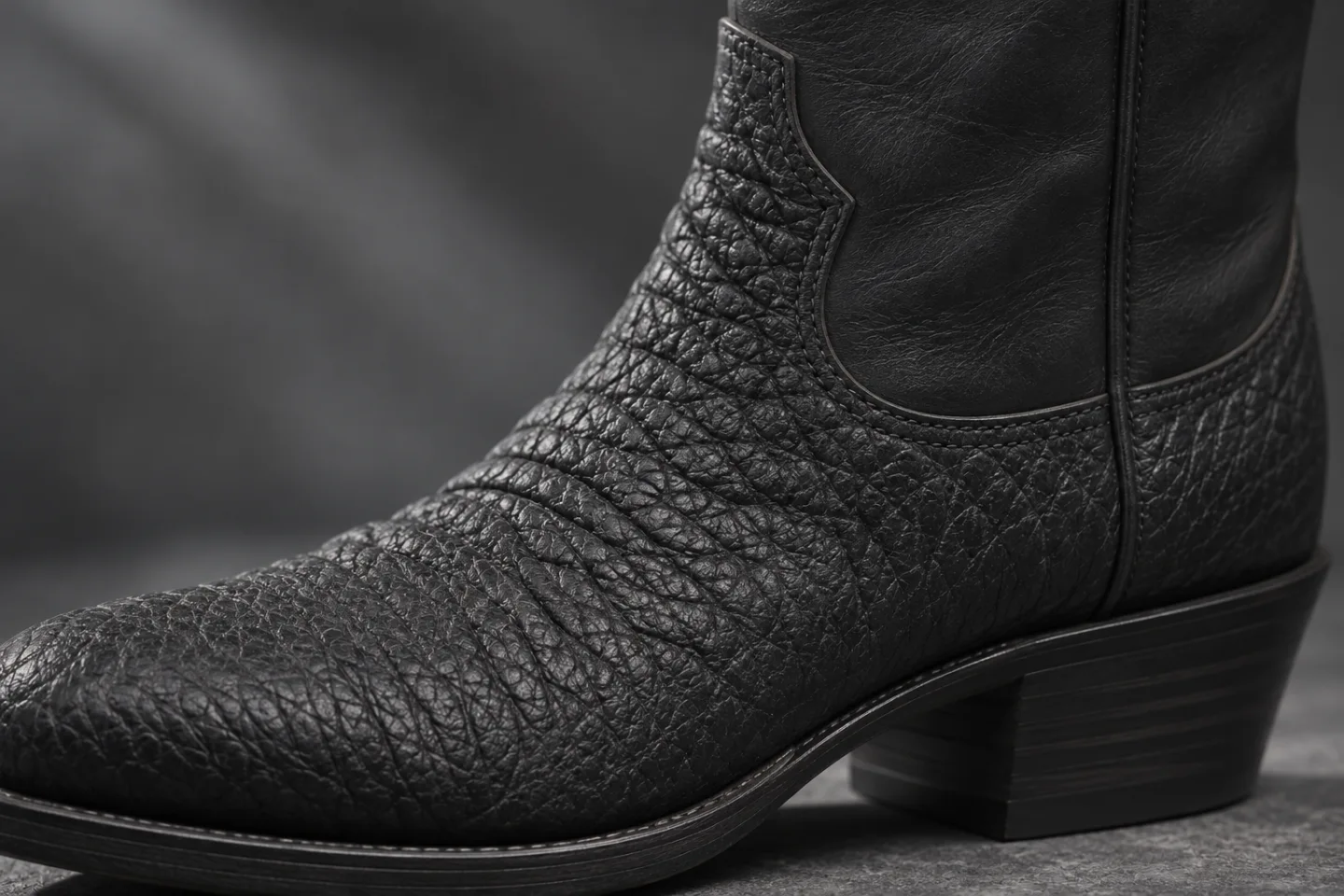
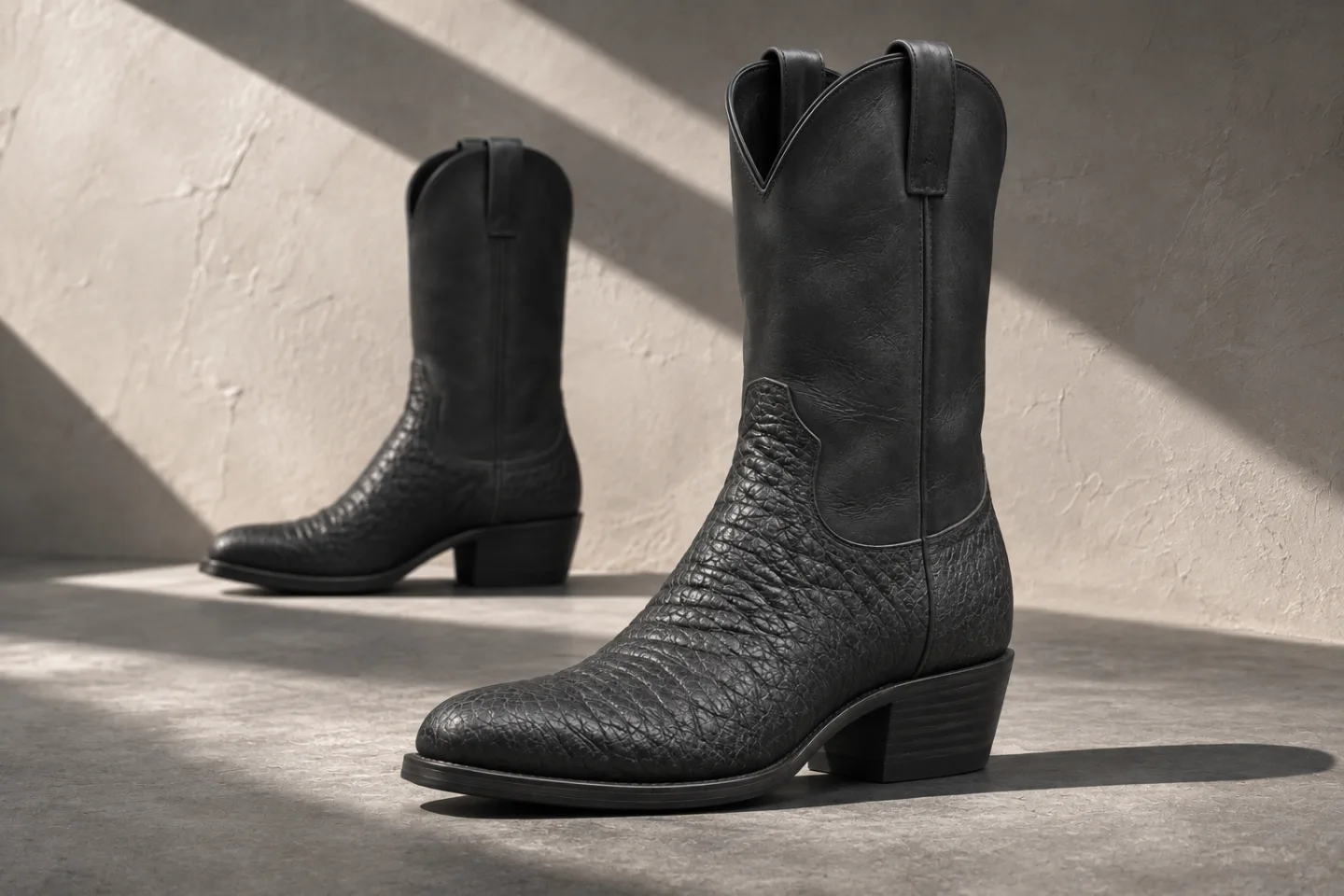
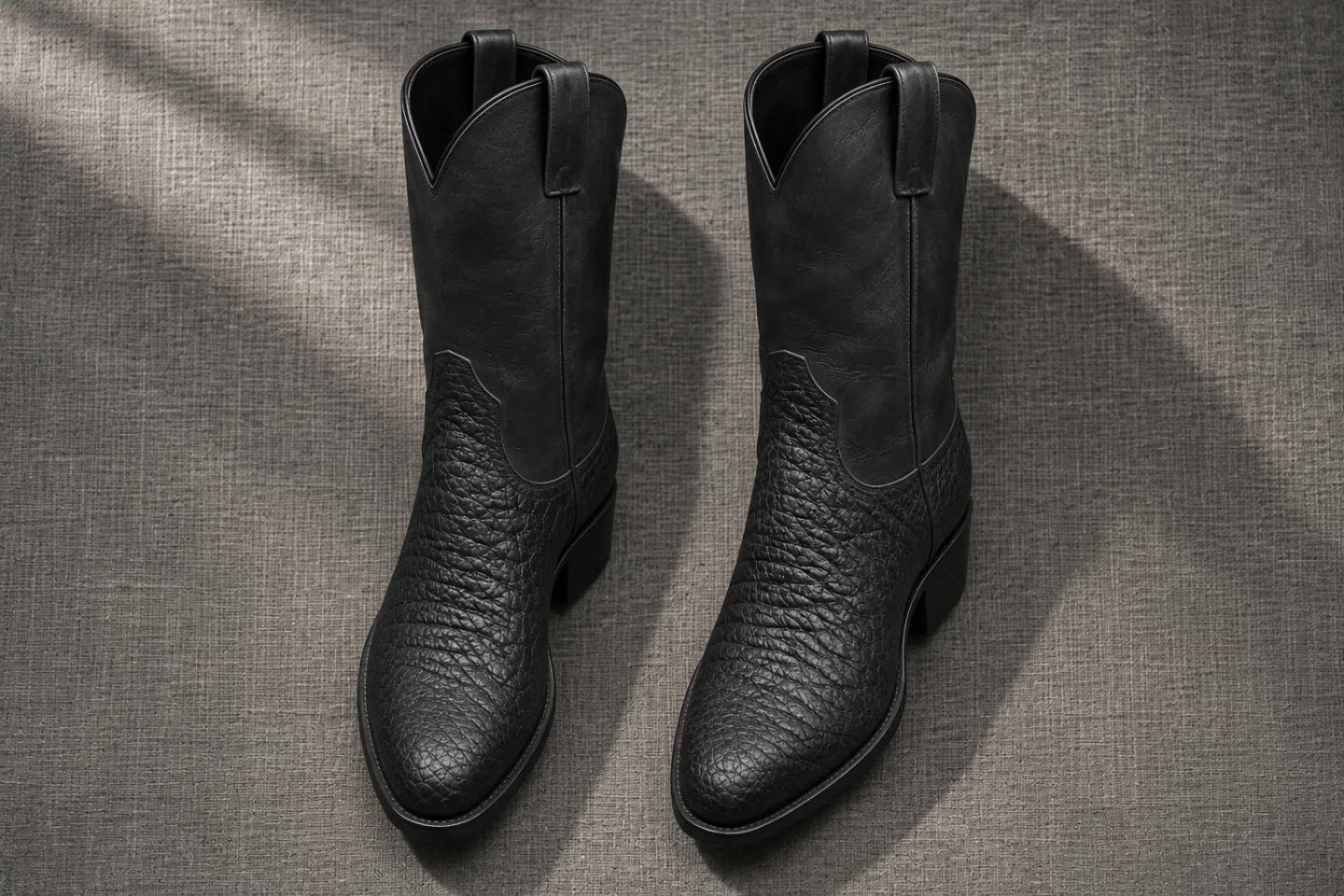
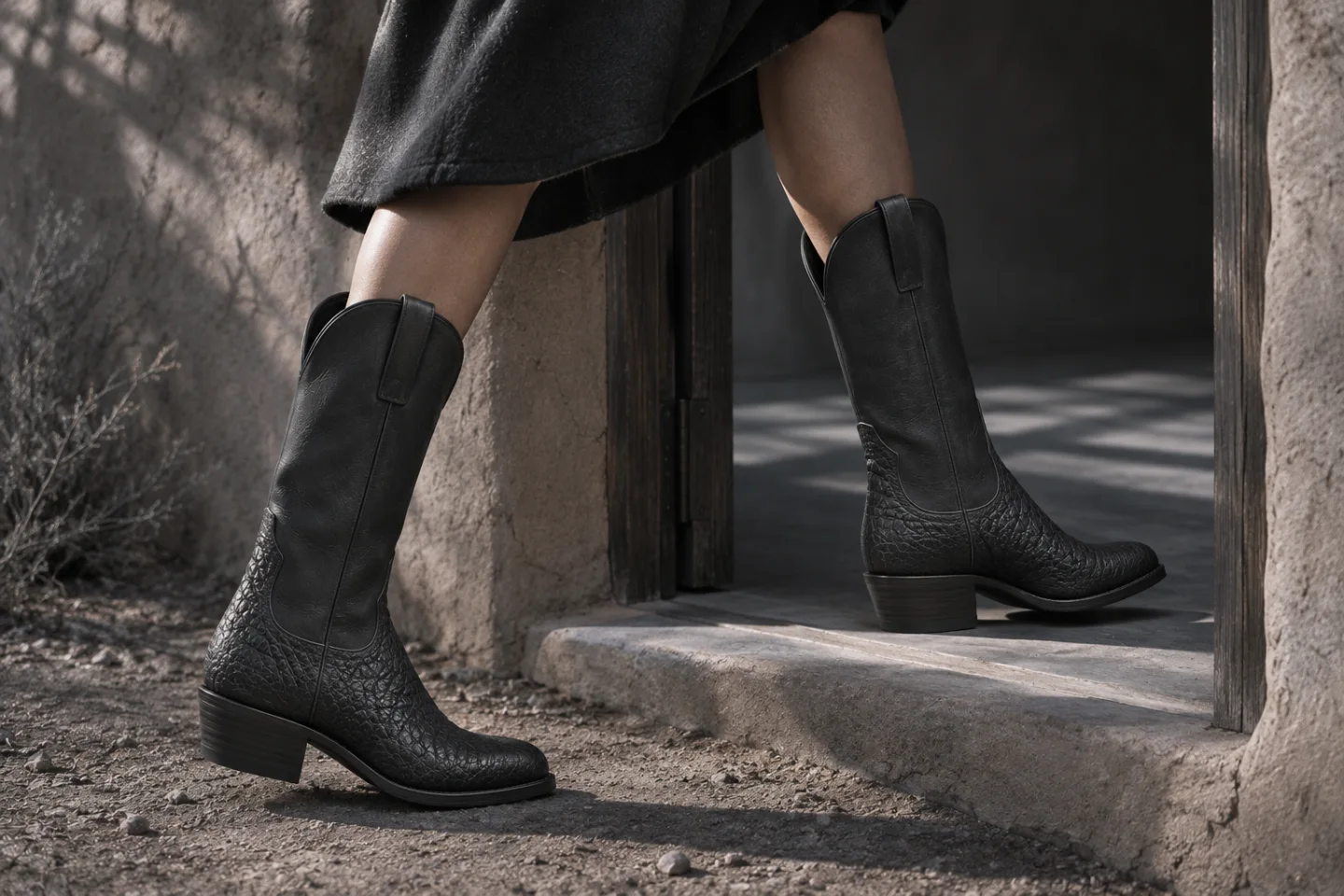
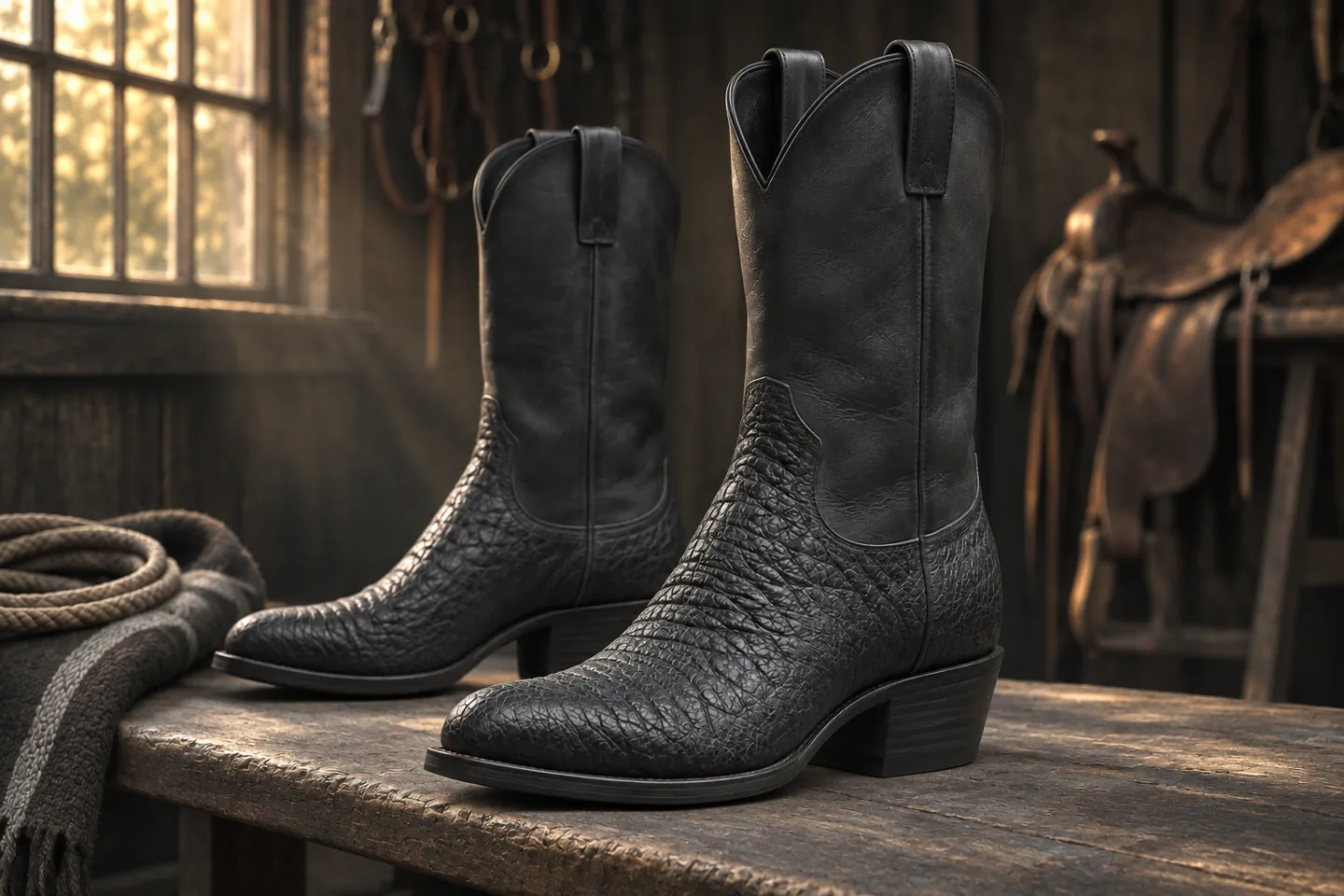
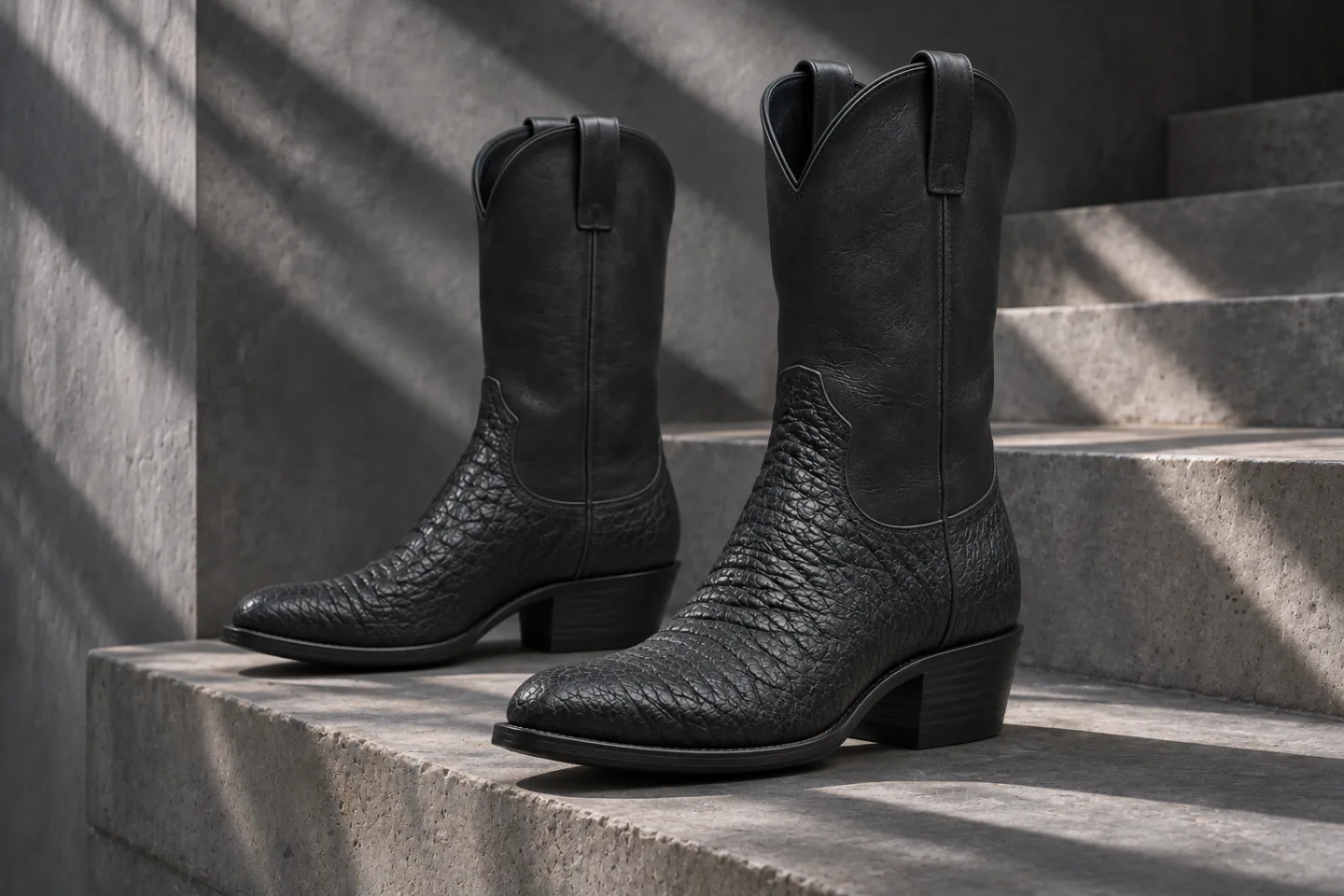
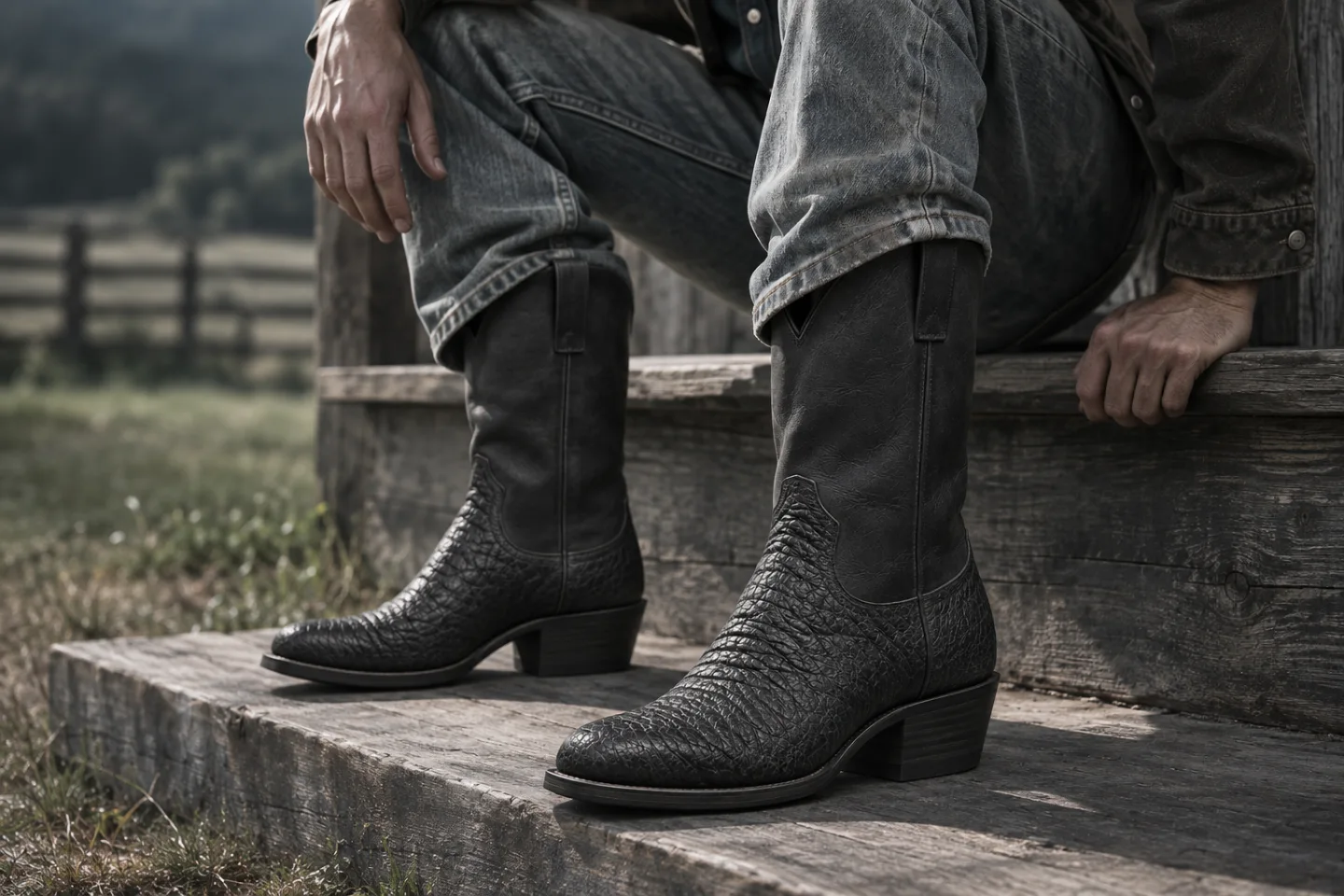
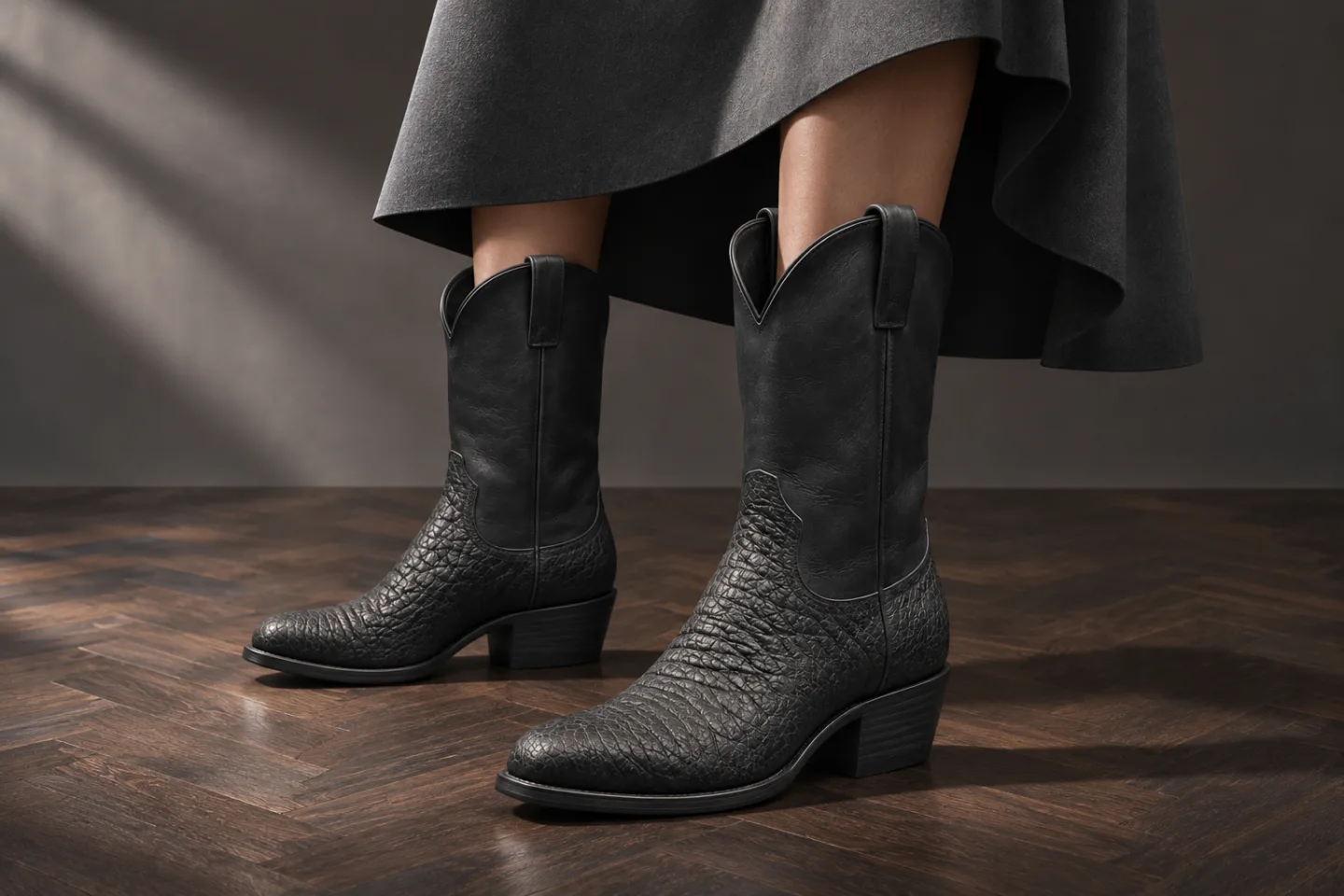
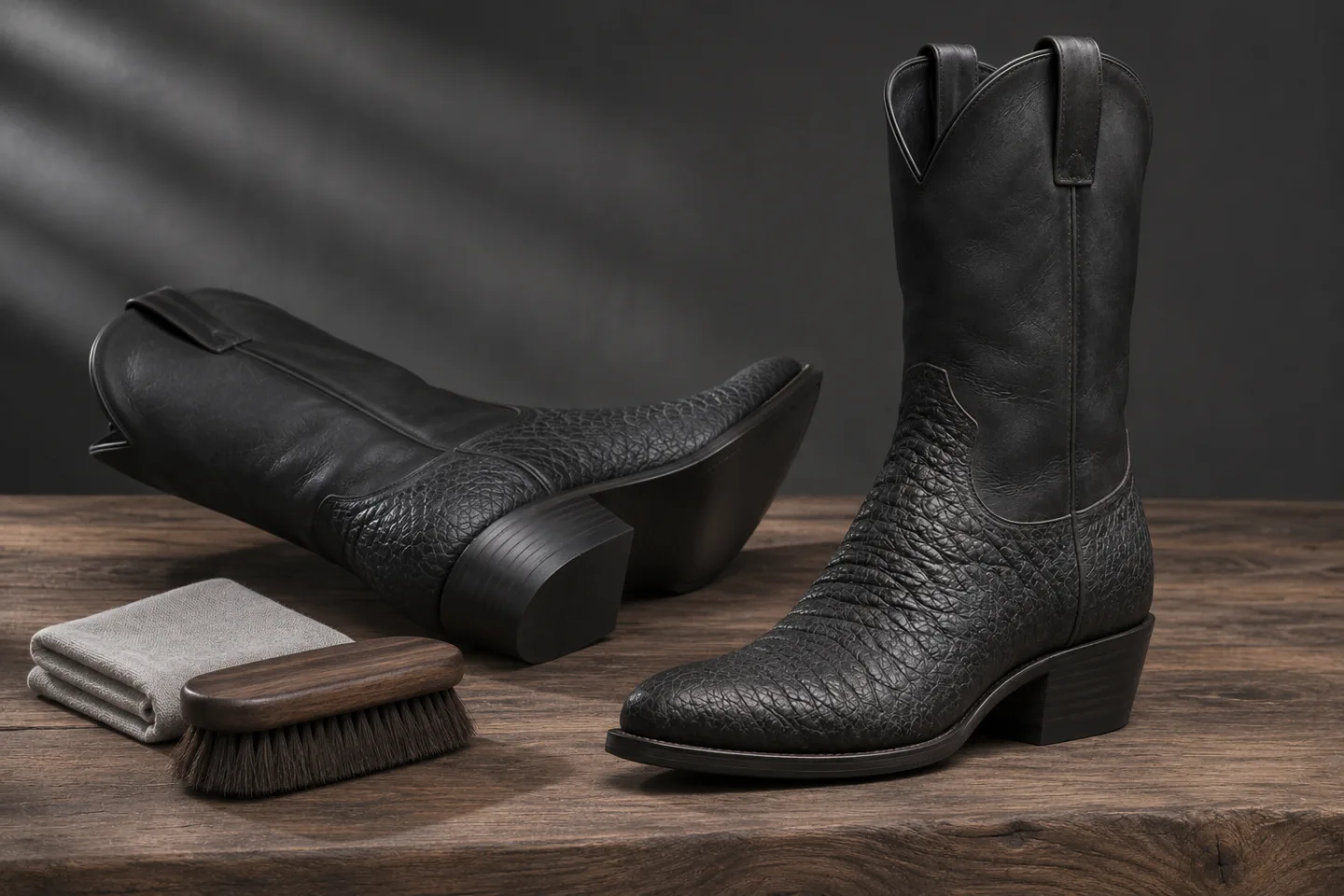
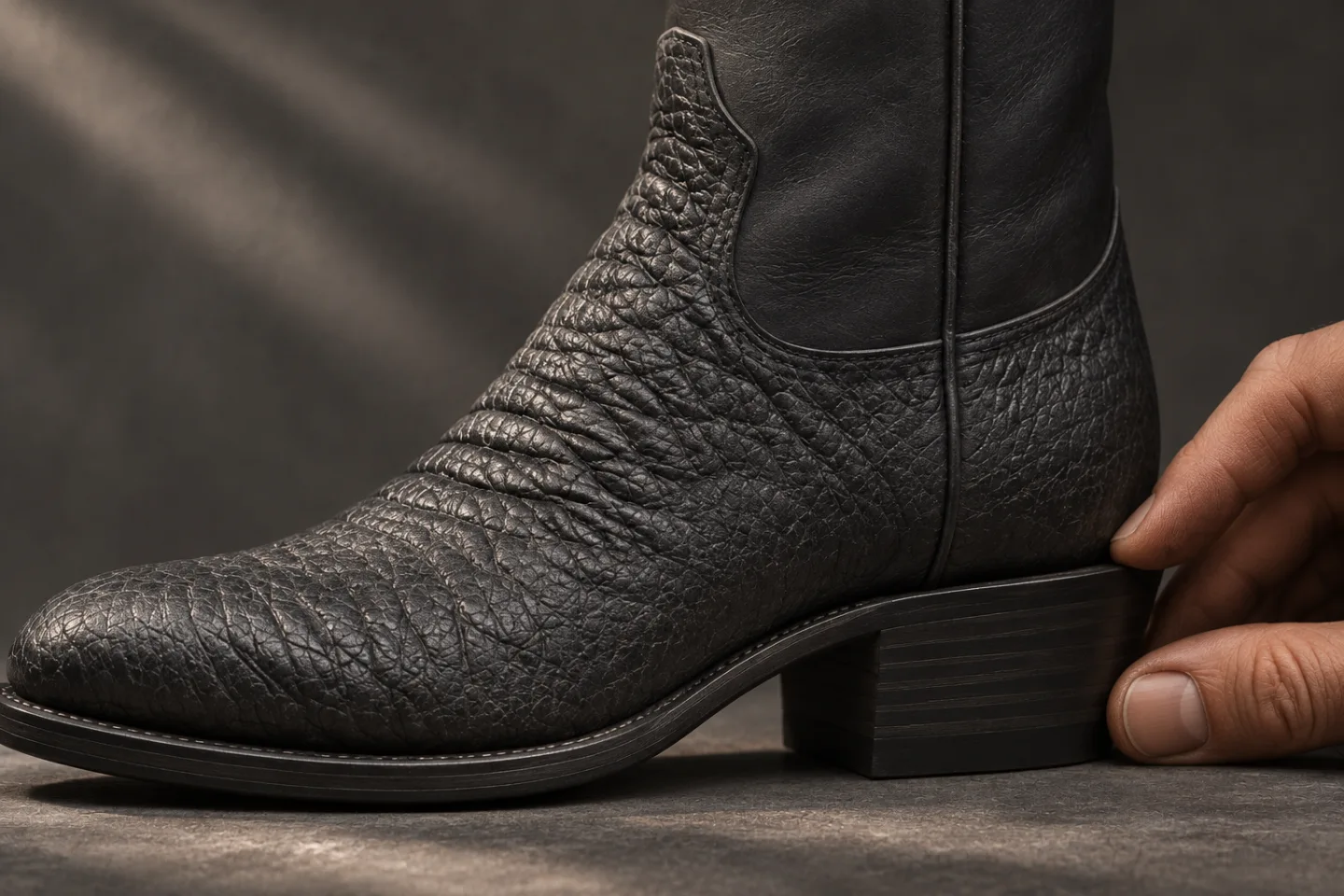
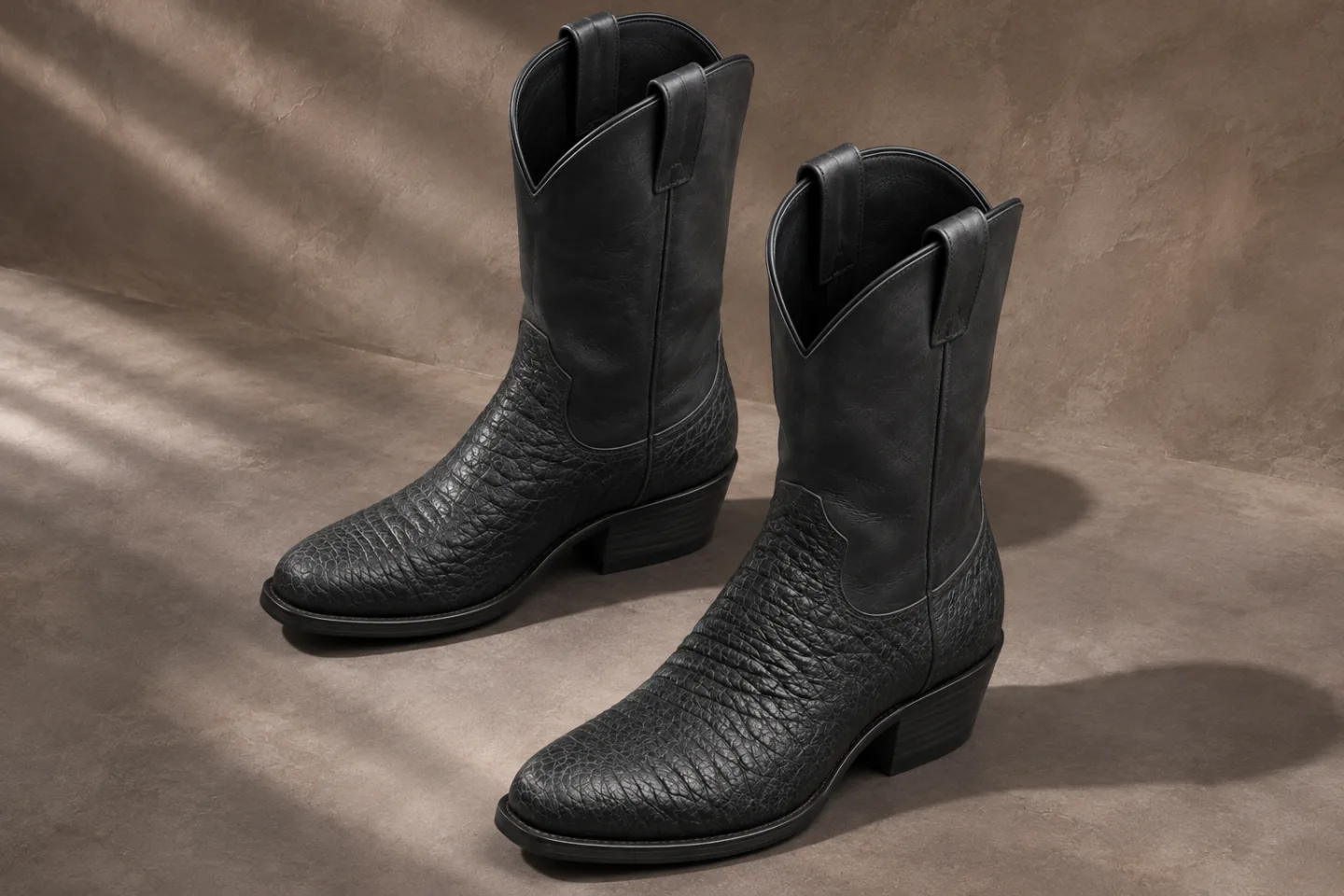
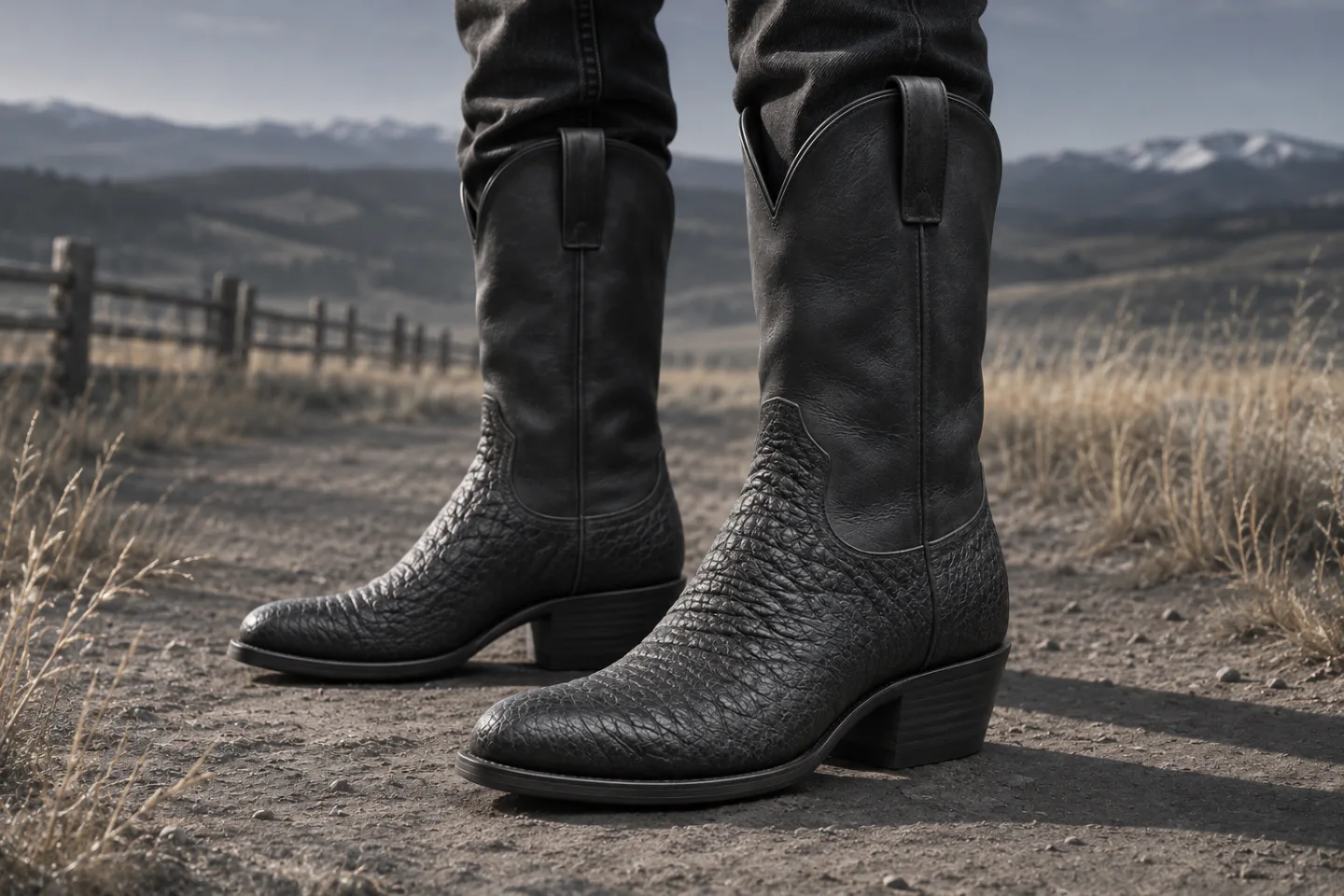
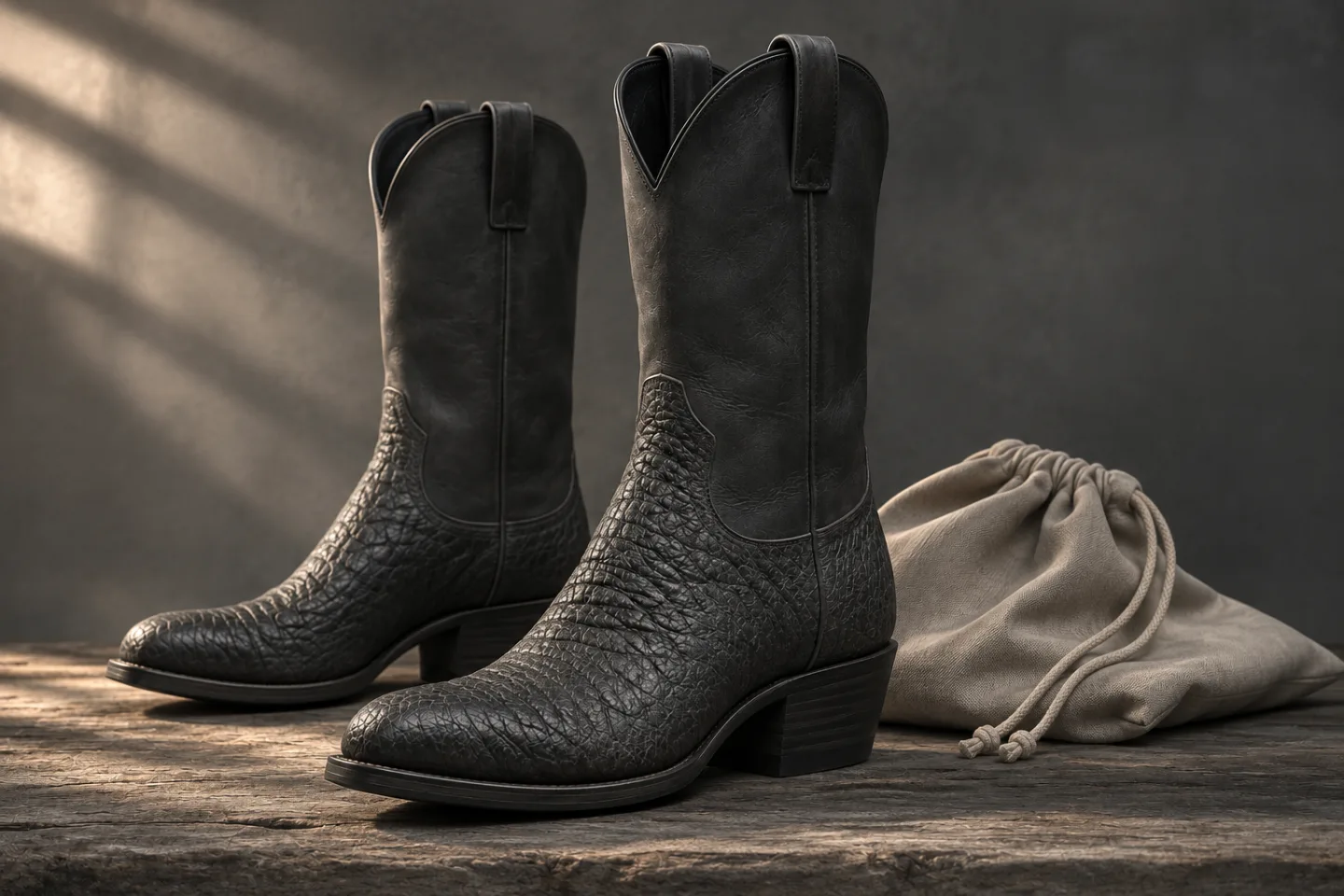
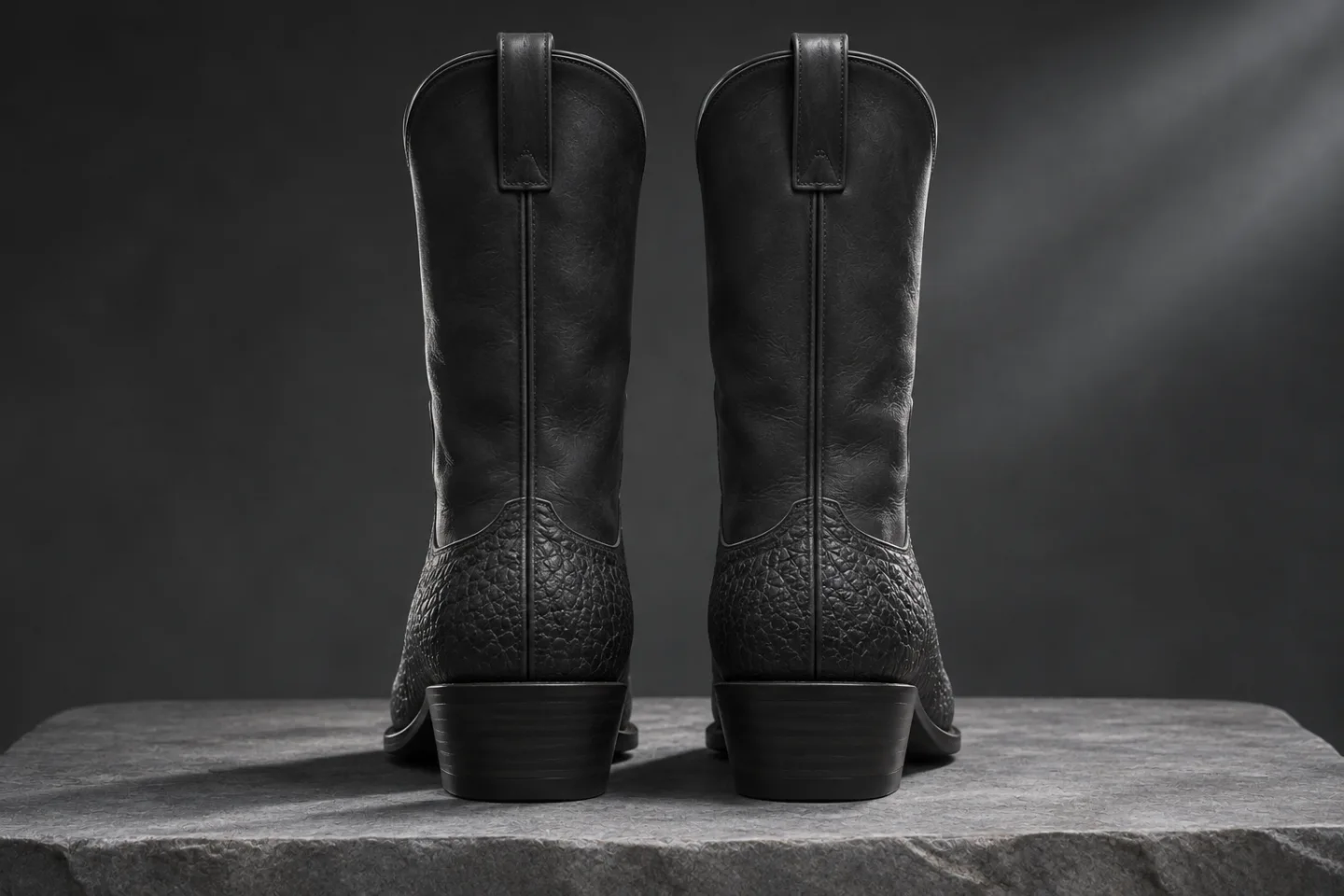
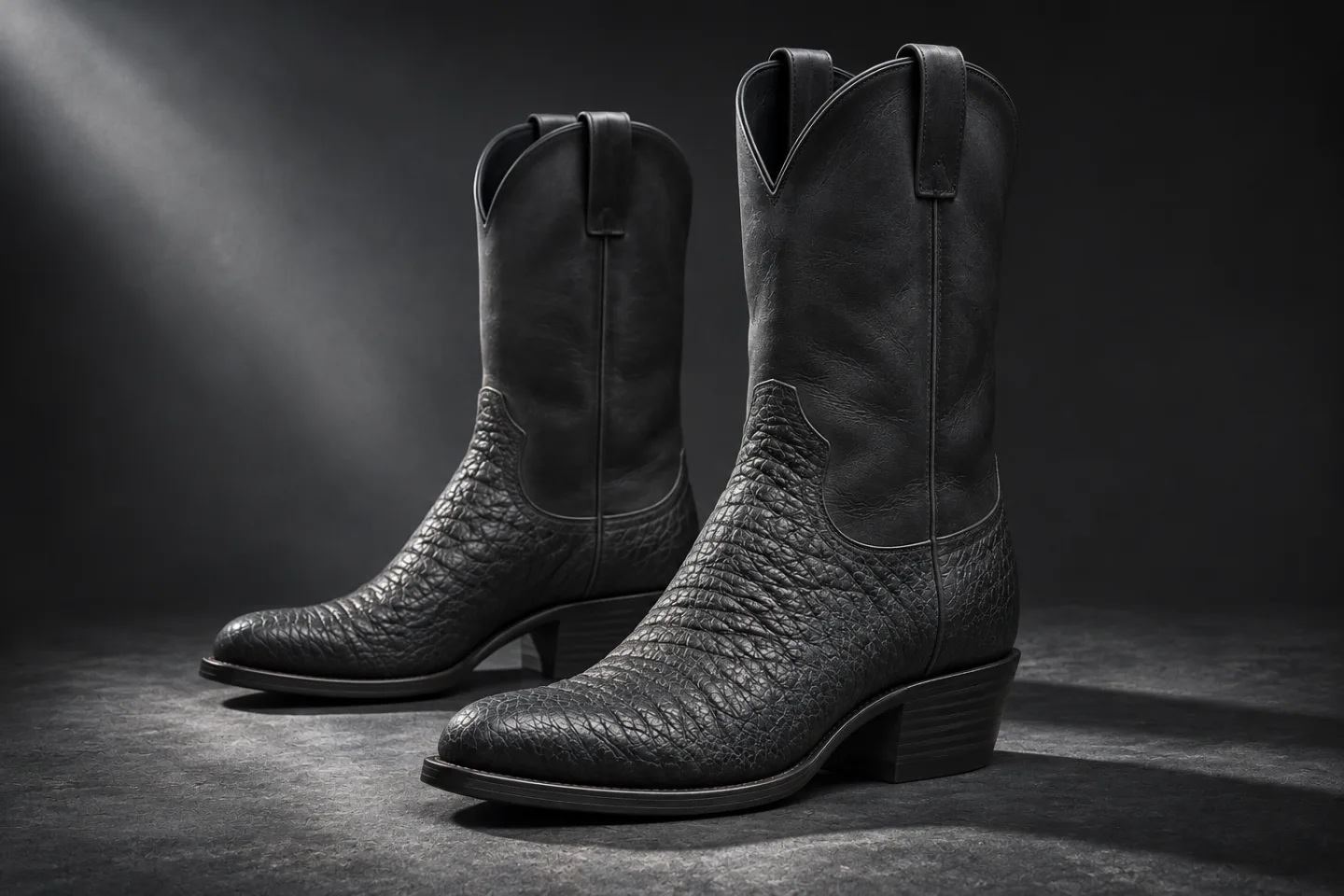
From across a room, it’s a quiet black boot. Step closer and the graphite grain comes up ridge by ridge. It’s a pair for people who look twice, which describes most Stewart owners.
The pair
At first it’s a dark pair with a clean sole edge. Turn it a little and the ridges across the toe arrive one at a time. Photographs flatten that. It’s the detail to see in person.
Pain and comfort
A photograph can take you as far as the grain. The pair you own can tell you what you like about a heel and where your foot needs room.
Measuring pain
Tell the Tucson maker which pair in your closet holds closest at the heel. Ask how to compare it with Pair One once the measurements are known. Hear why one Vietnam veteran was glad his fitter took the time to ask.
Leather origin
A hide like this should come with its paperwork. Ask the workshop to show you the finished hide and confirm where it came from before you bid.
The pattern
The cut of the hide sets the direction of the grain, so a hide like this is laid out slowly and cut once. Ask to see the finished toes side by side. It’s the easiest way to see what the maker saw before the knife went in.
44 measurements
A couple of changes to a last can make room at the ball and keep a closer heel. Use the Stewarts you know best when you ask about the finished pair’s fit.
Underfoot
Look where the sole follows the graphite foot. At Victor Borg’s Tucson bench, that is the sort of line a new maker learns to see before they learn to make it.
Care
When the sole wears, the grain may still be what draws you to this pair. Ask what the workshop could renew and how to look after the finished hide.
Bidding
A $1,000 ticket enters the draw for a chance to bid. Once 100 people have bought tickets, Stewart draws 10 names. Only those 10 can bid, and each pair goes to its winning bidder.
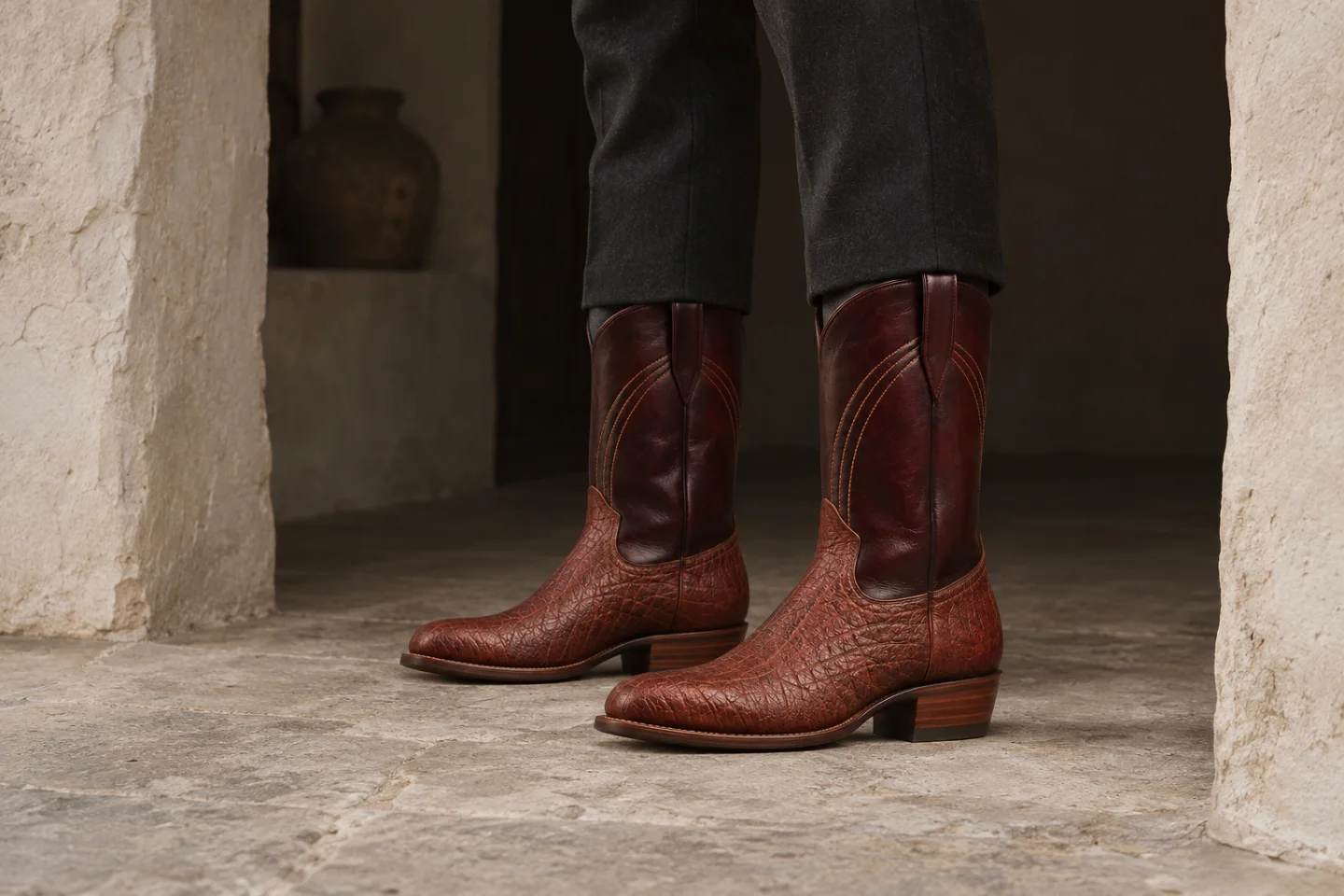
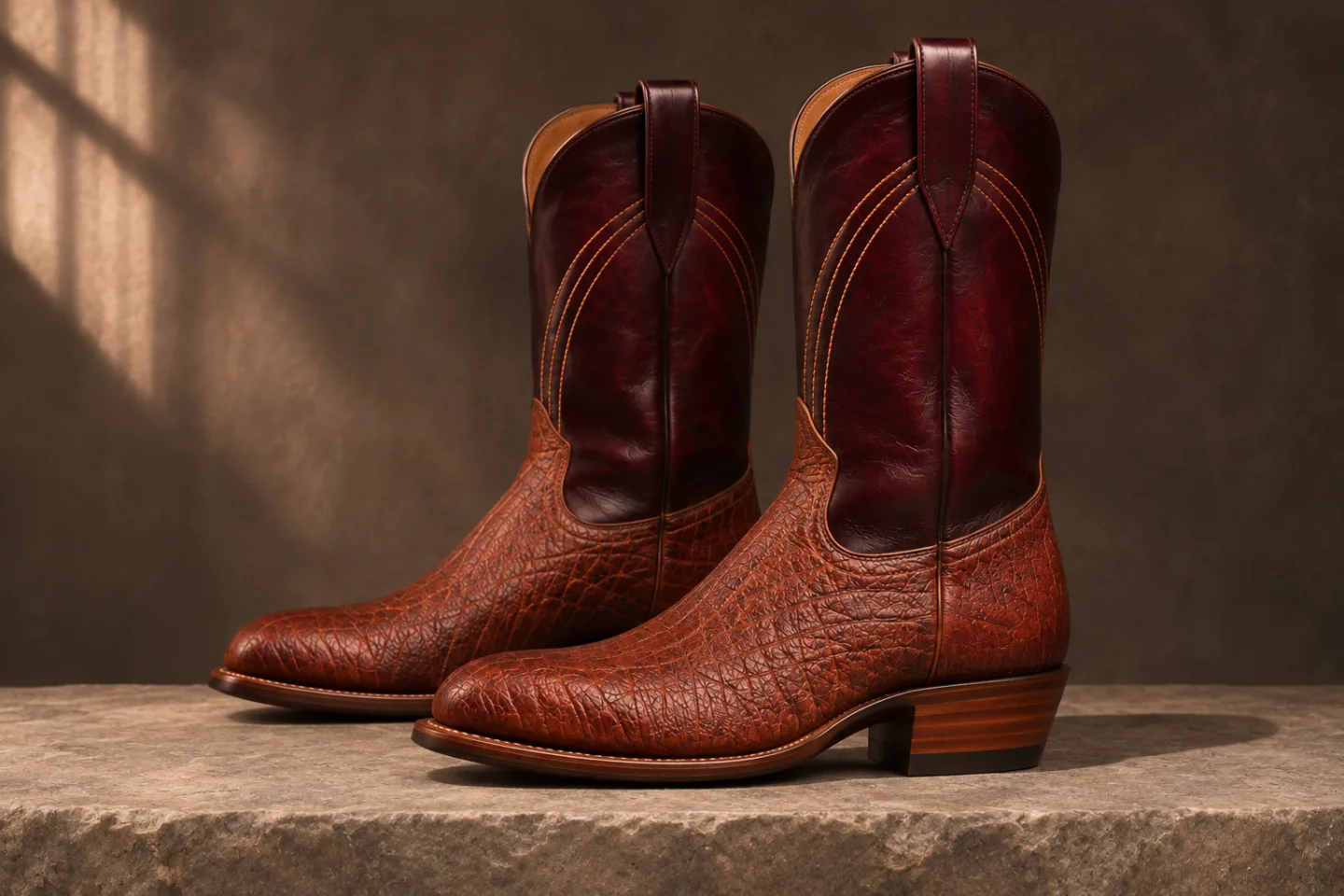
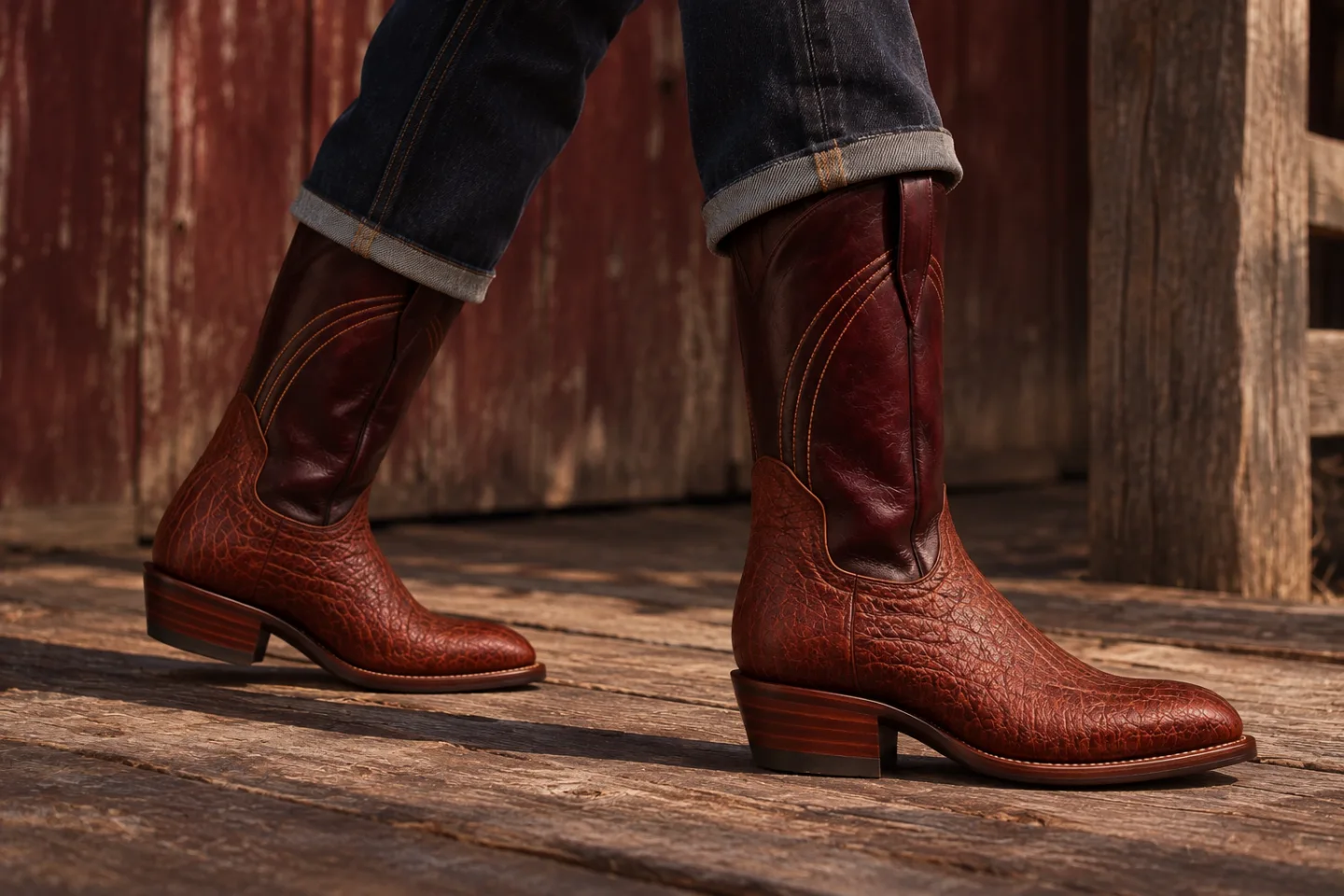
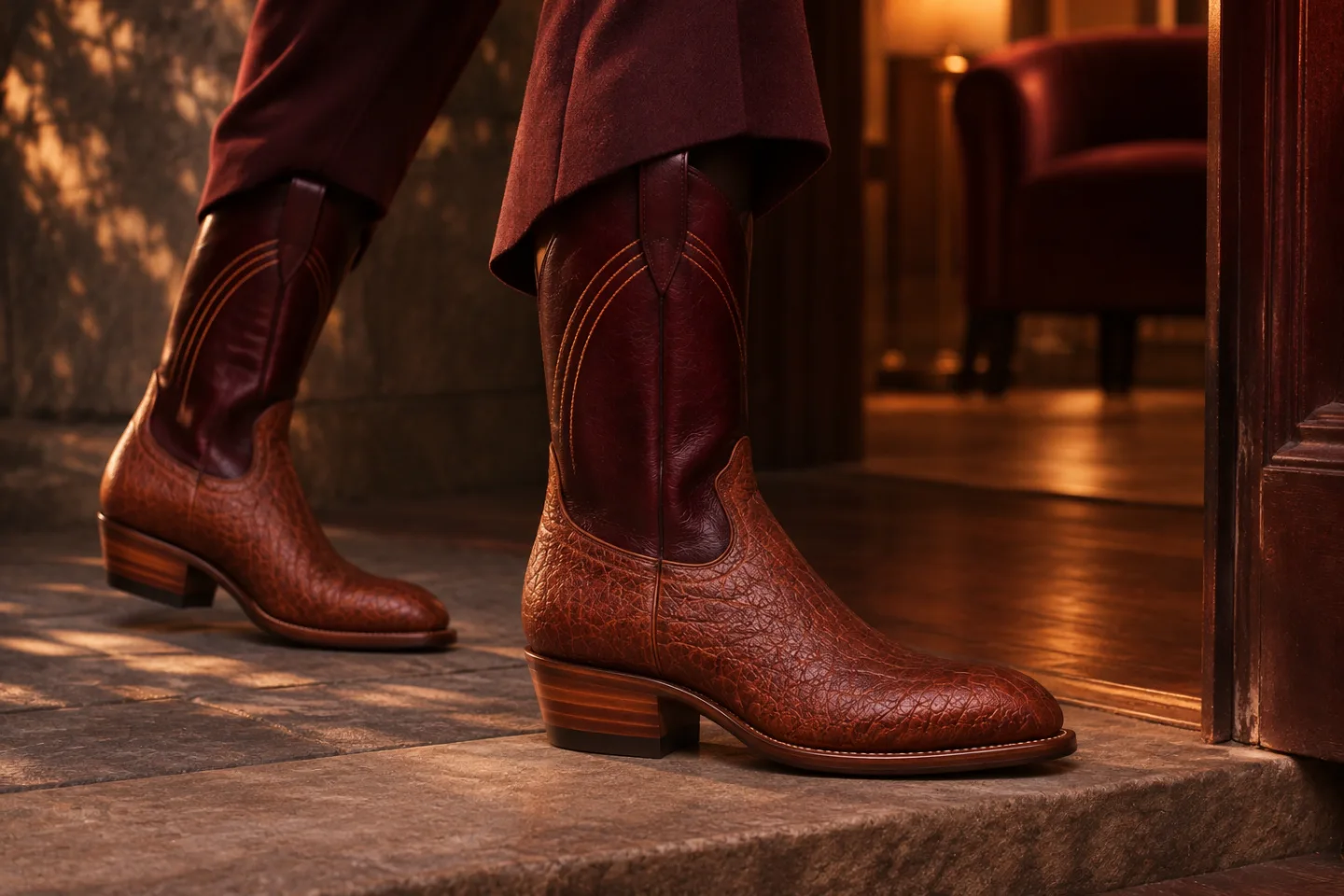
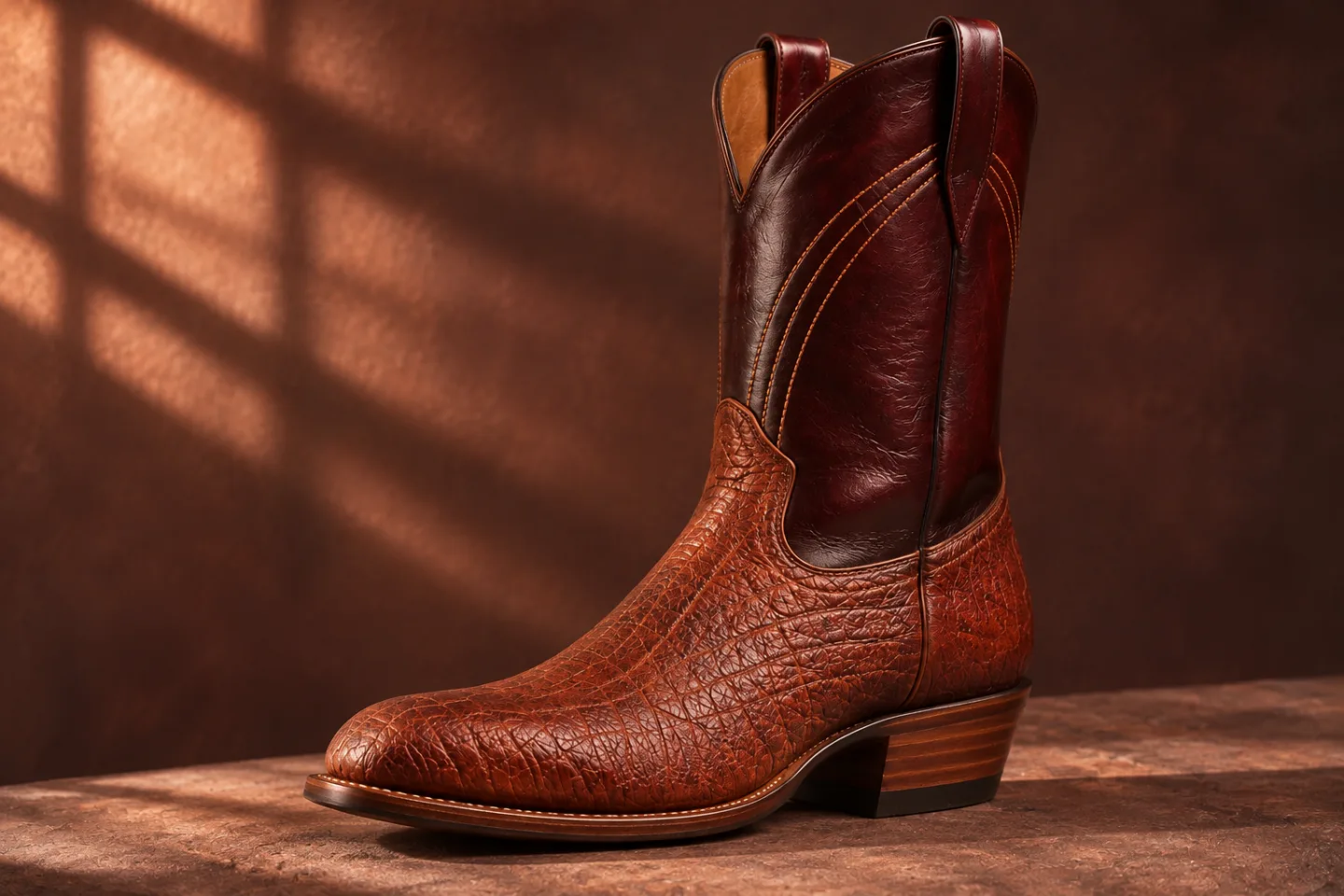
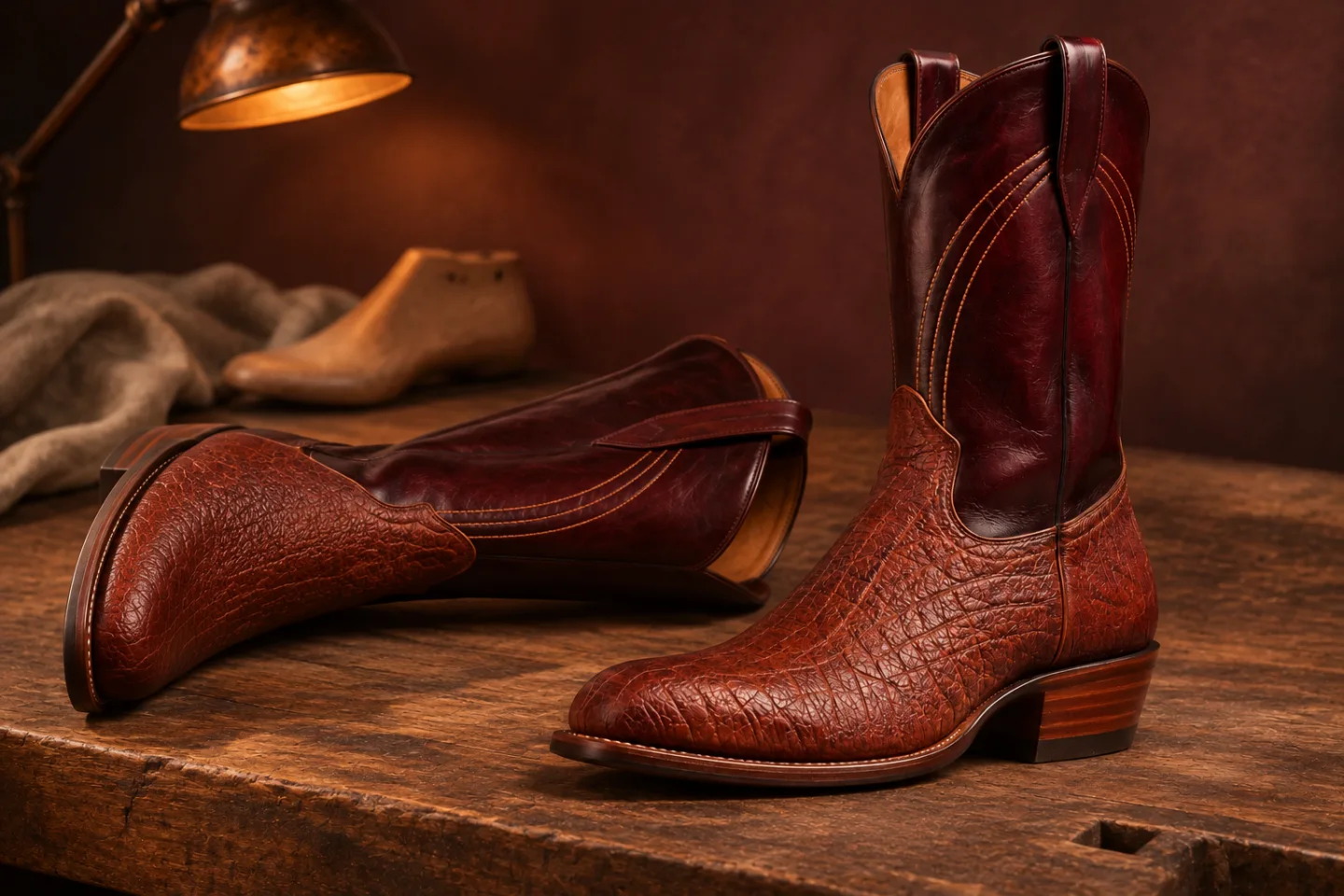
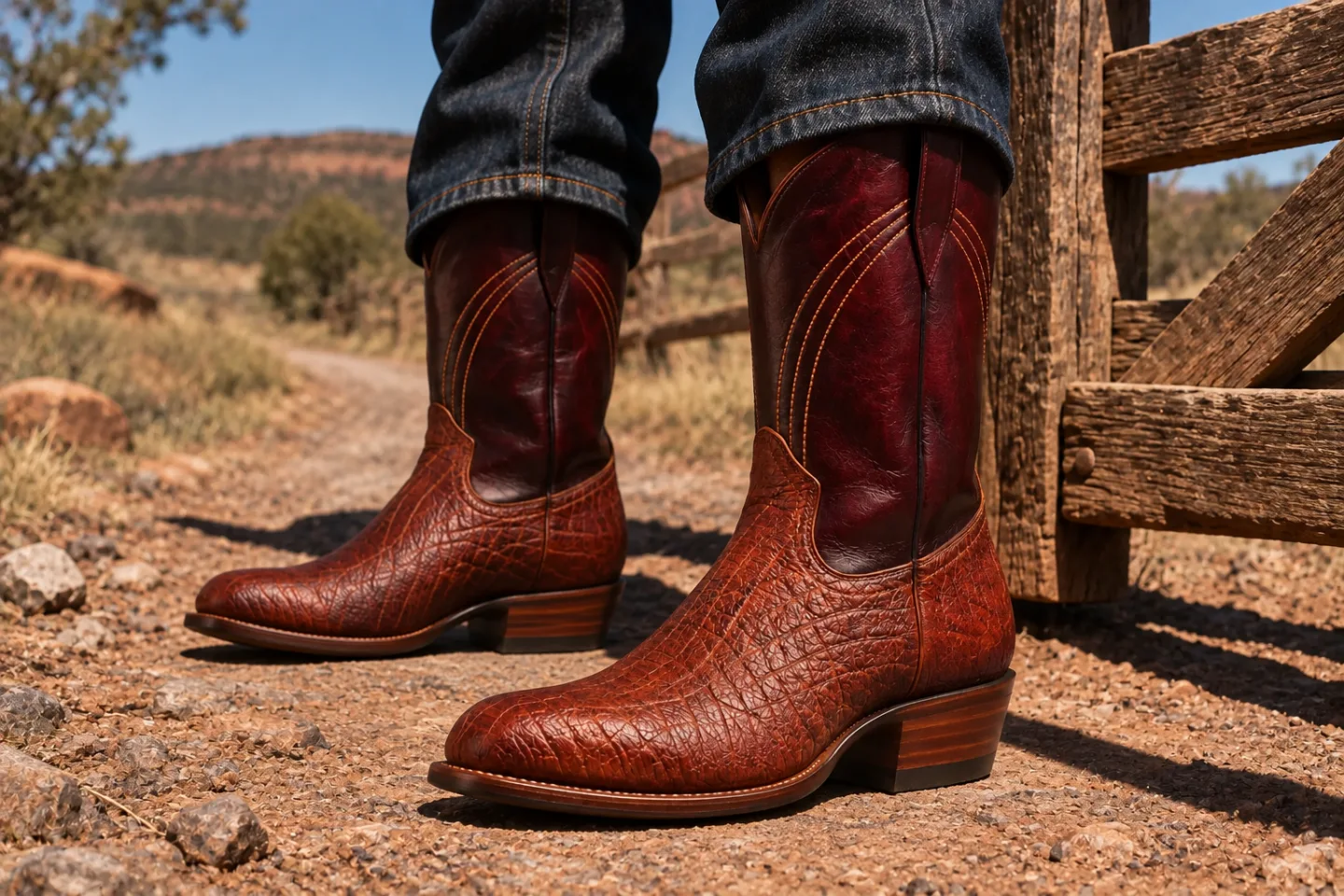
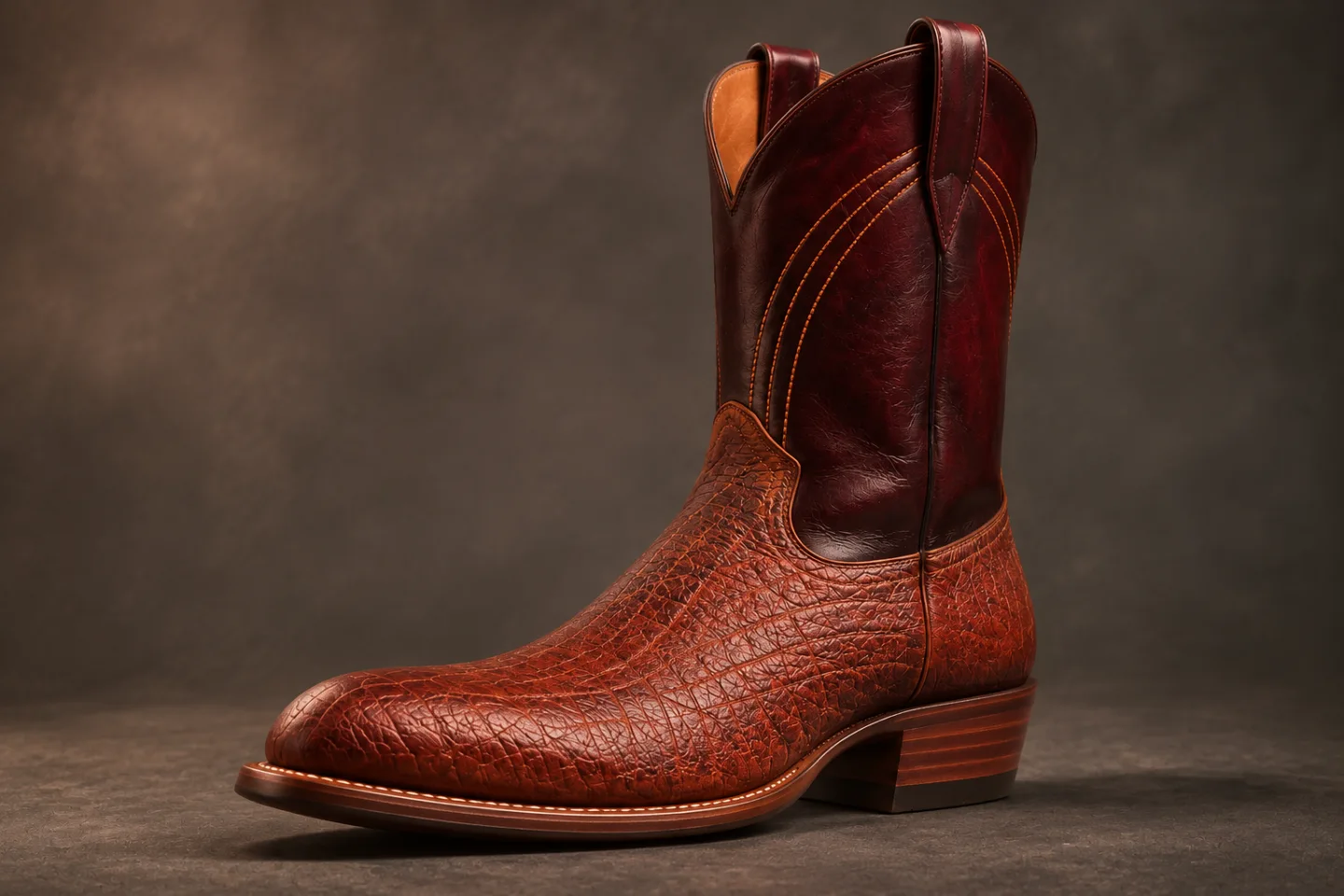
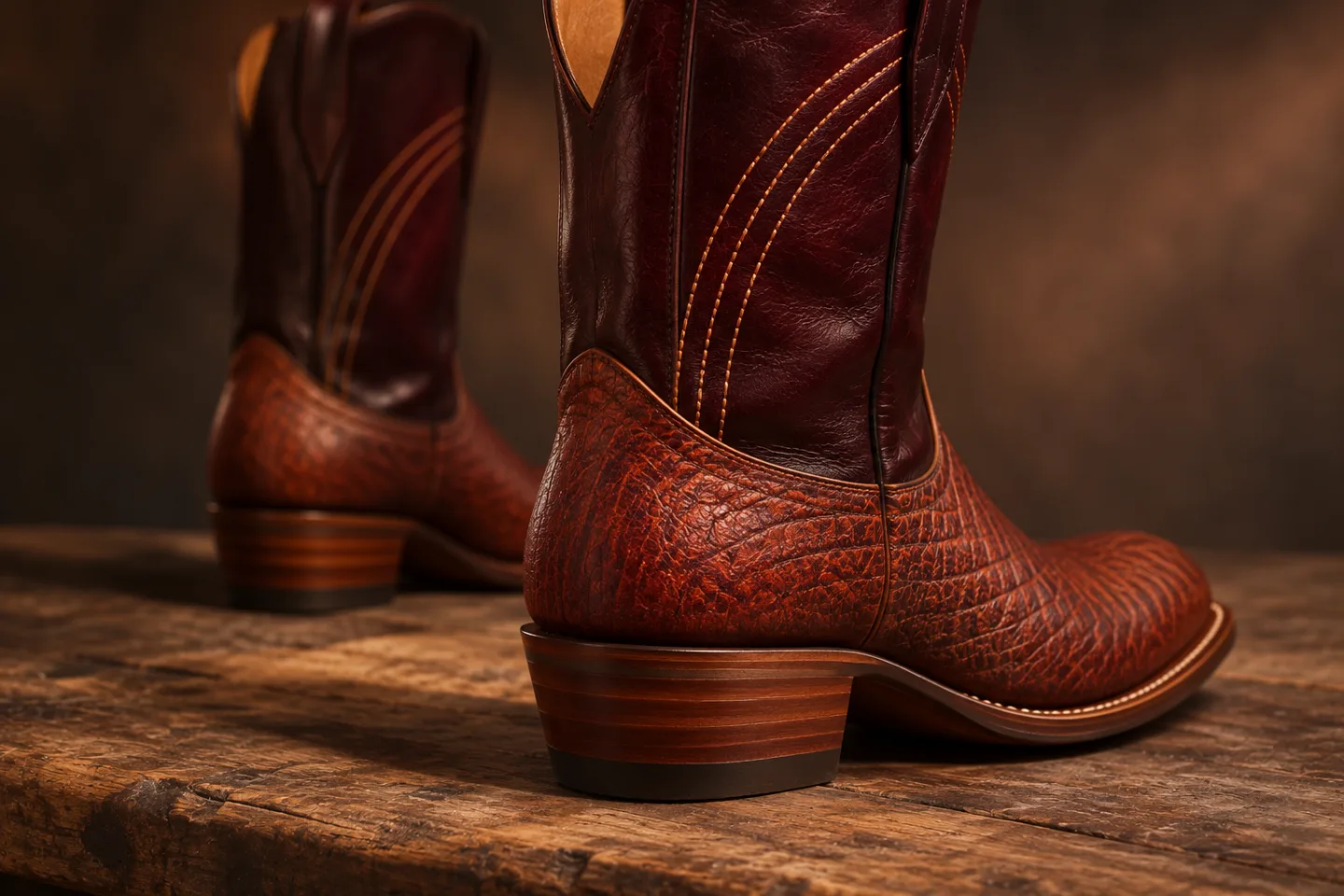
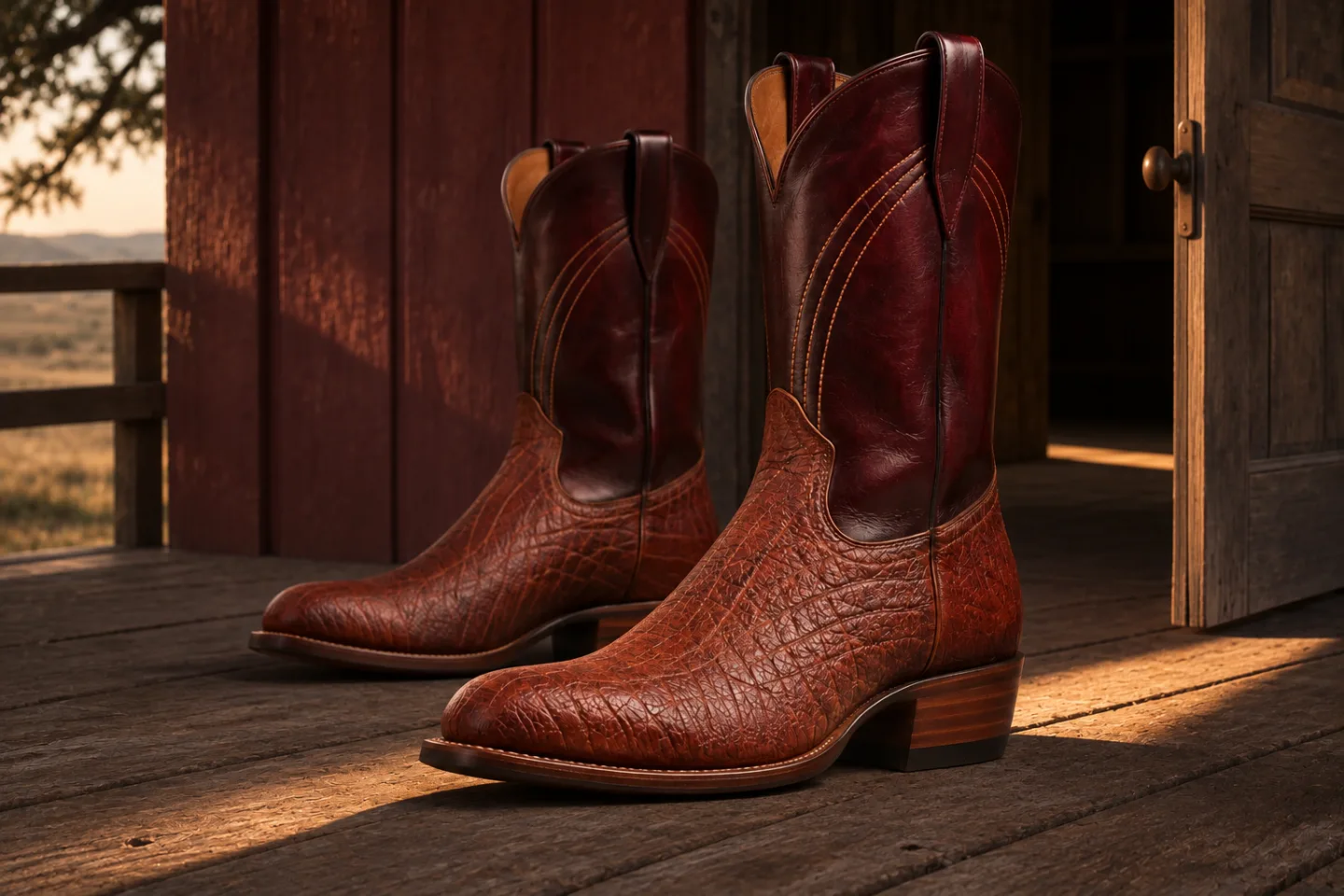
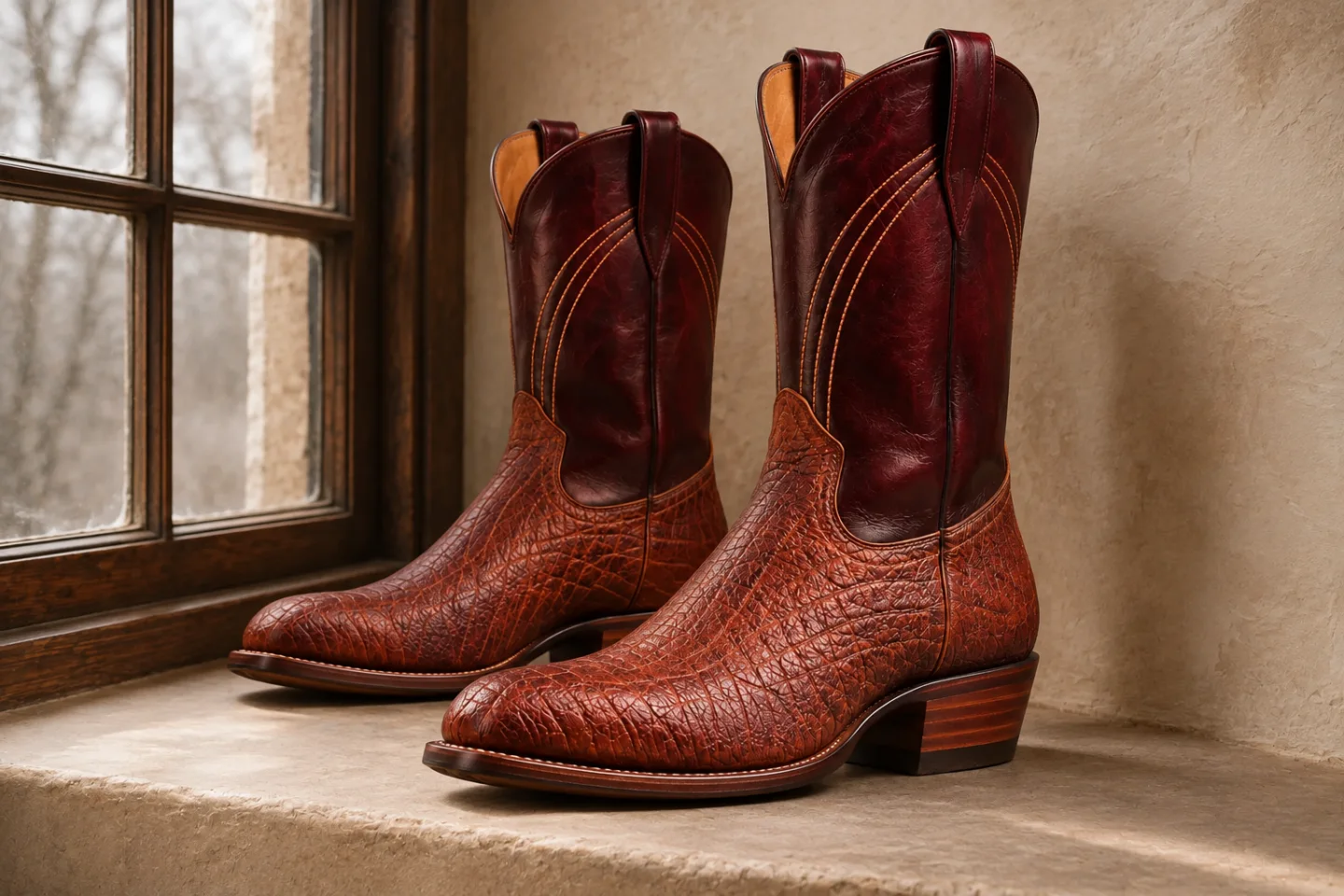
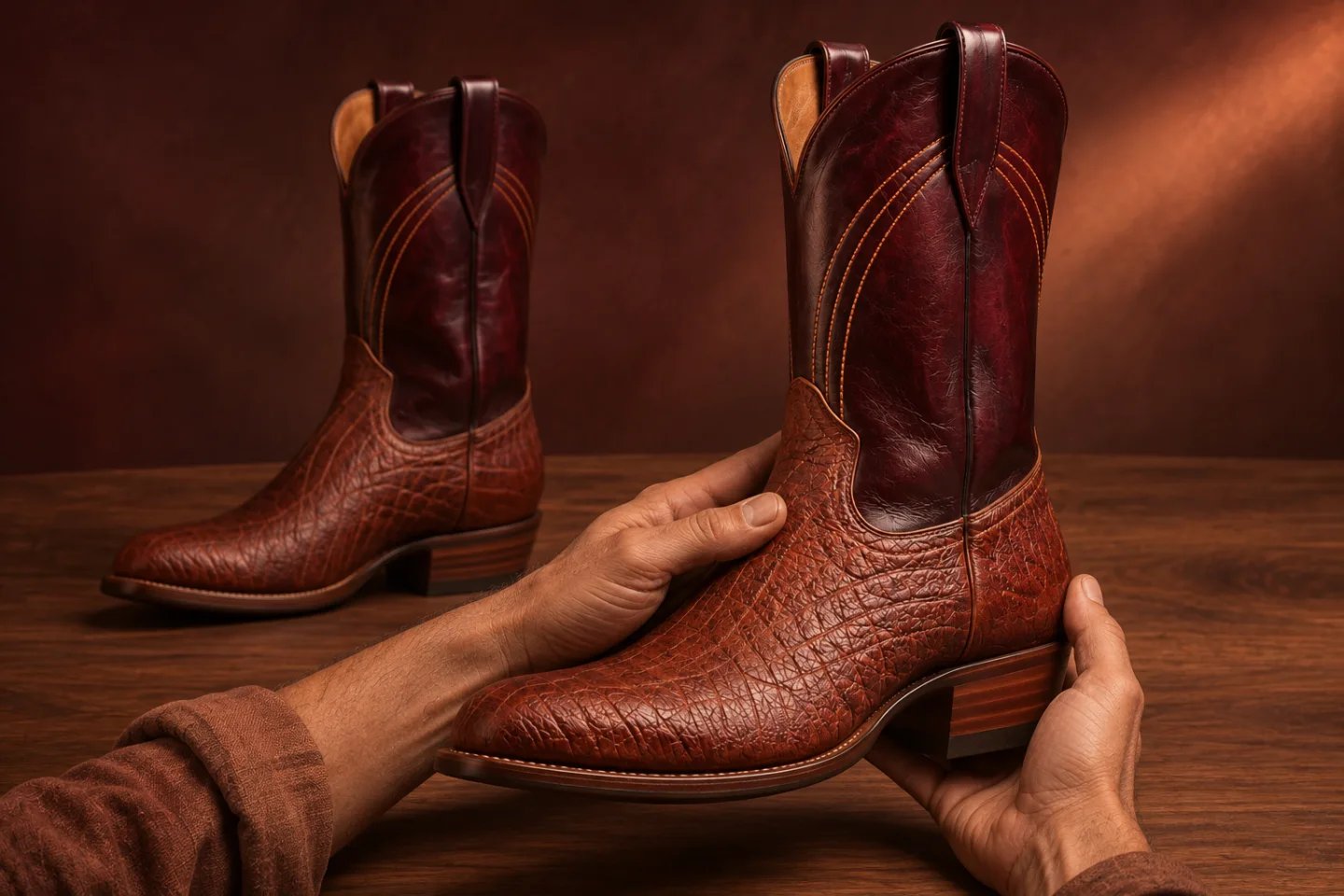
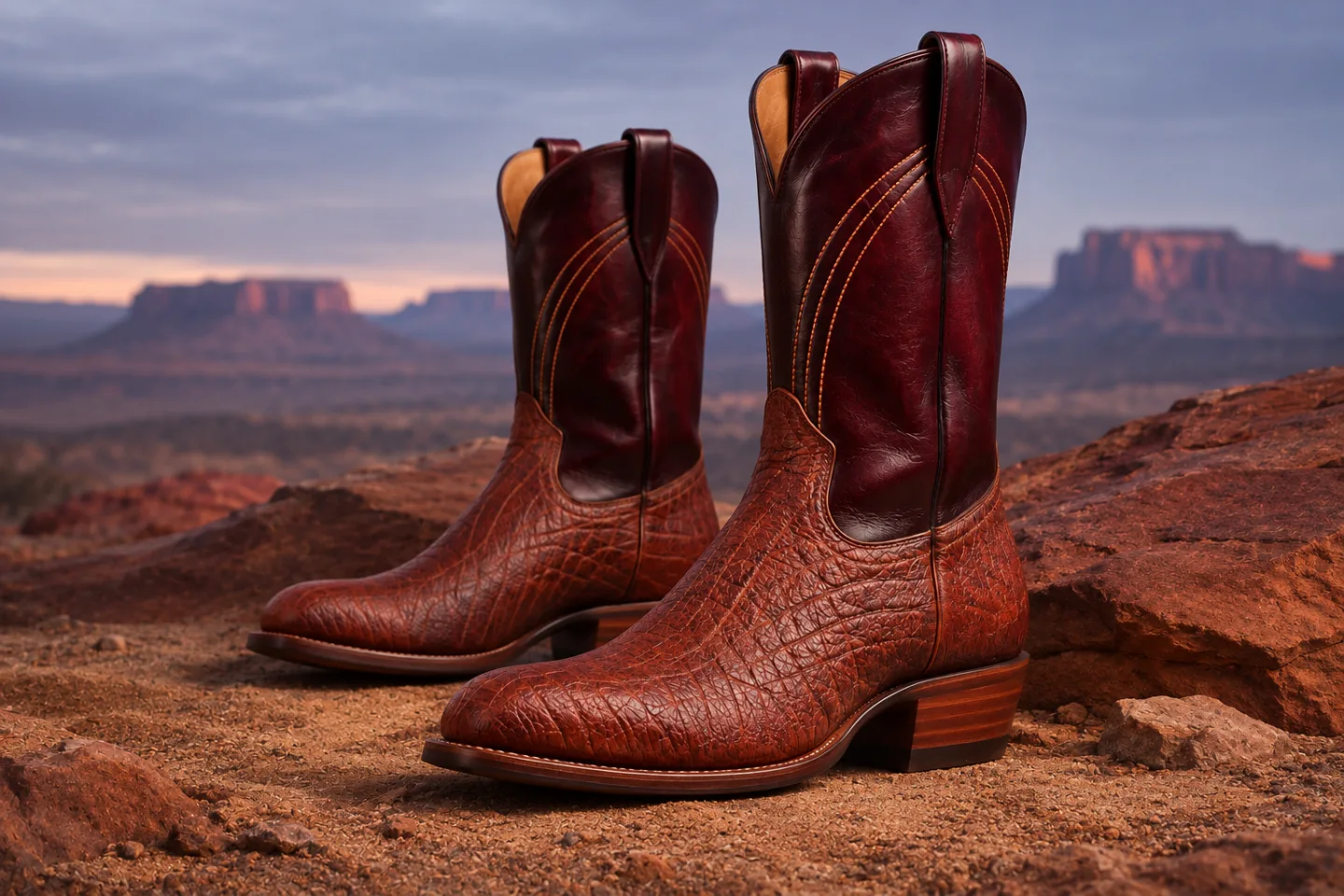
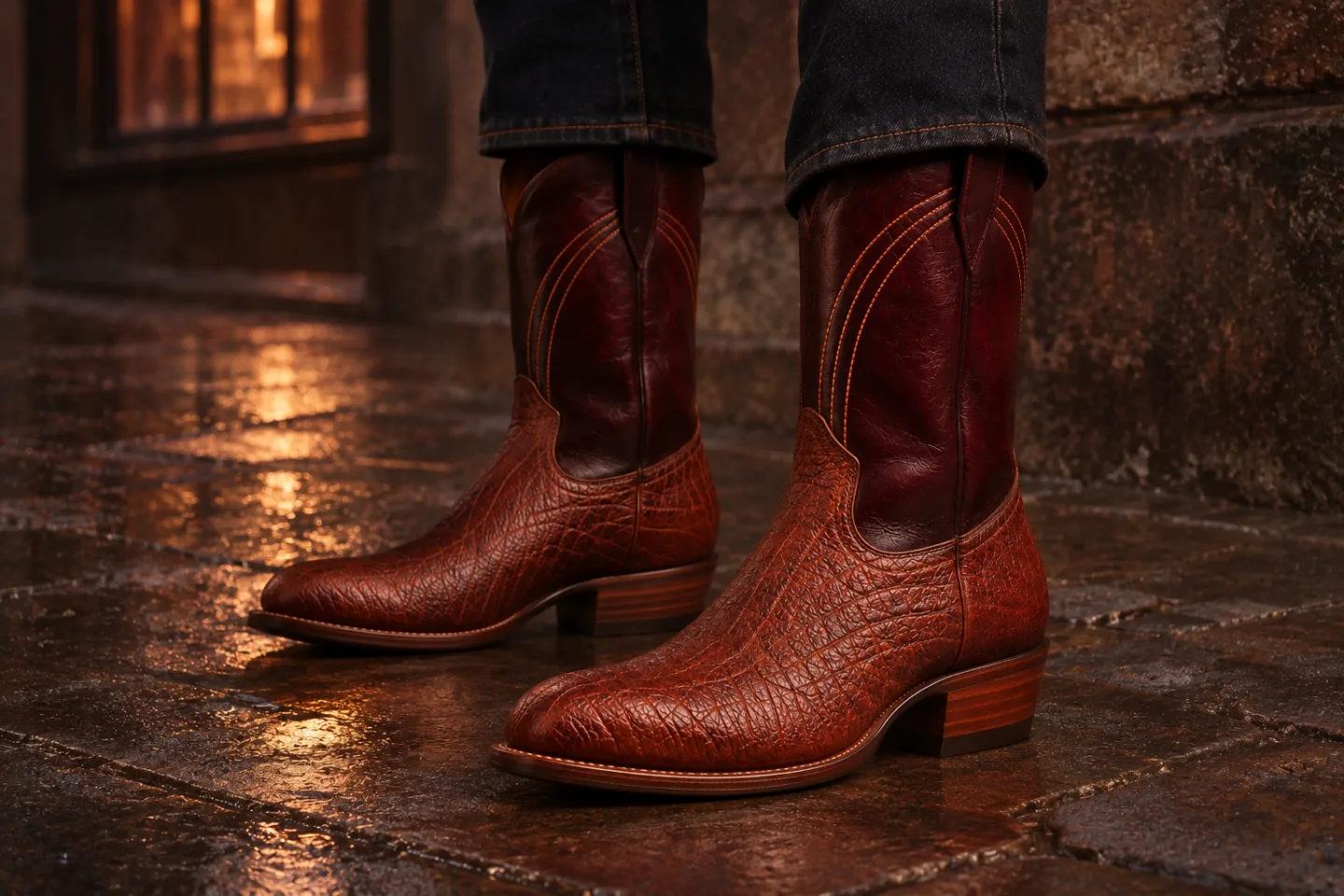
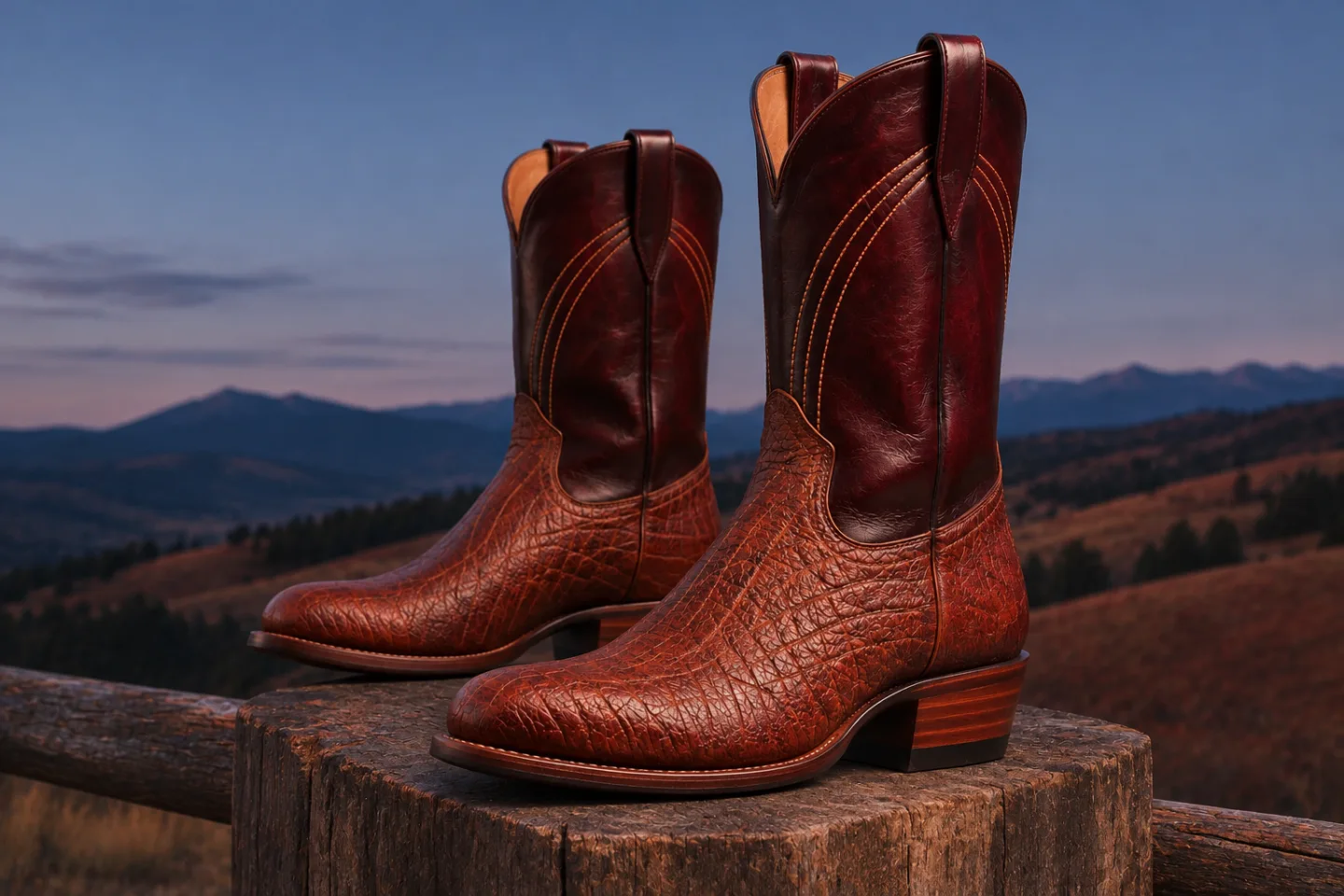
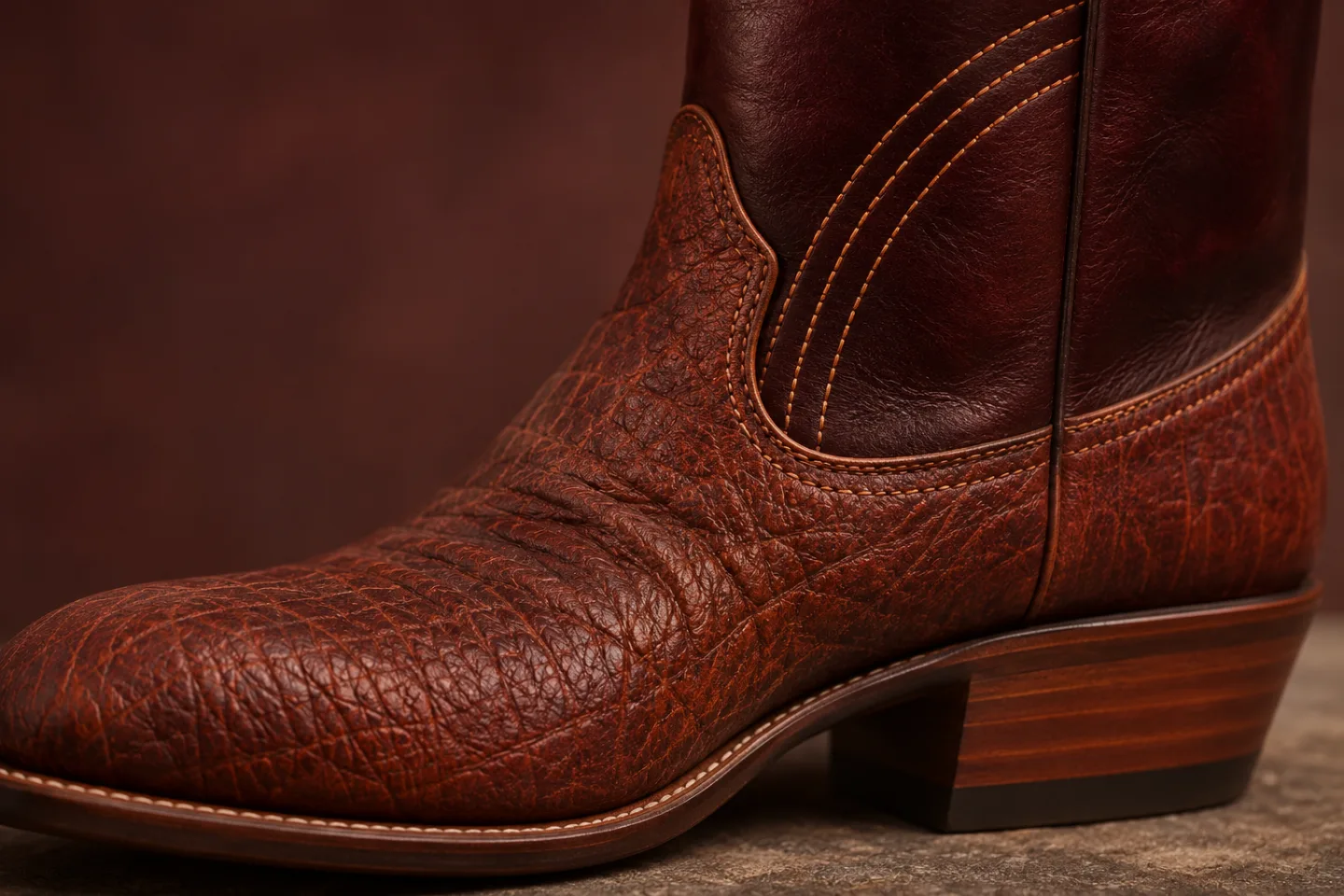
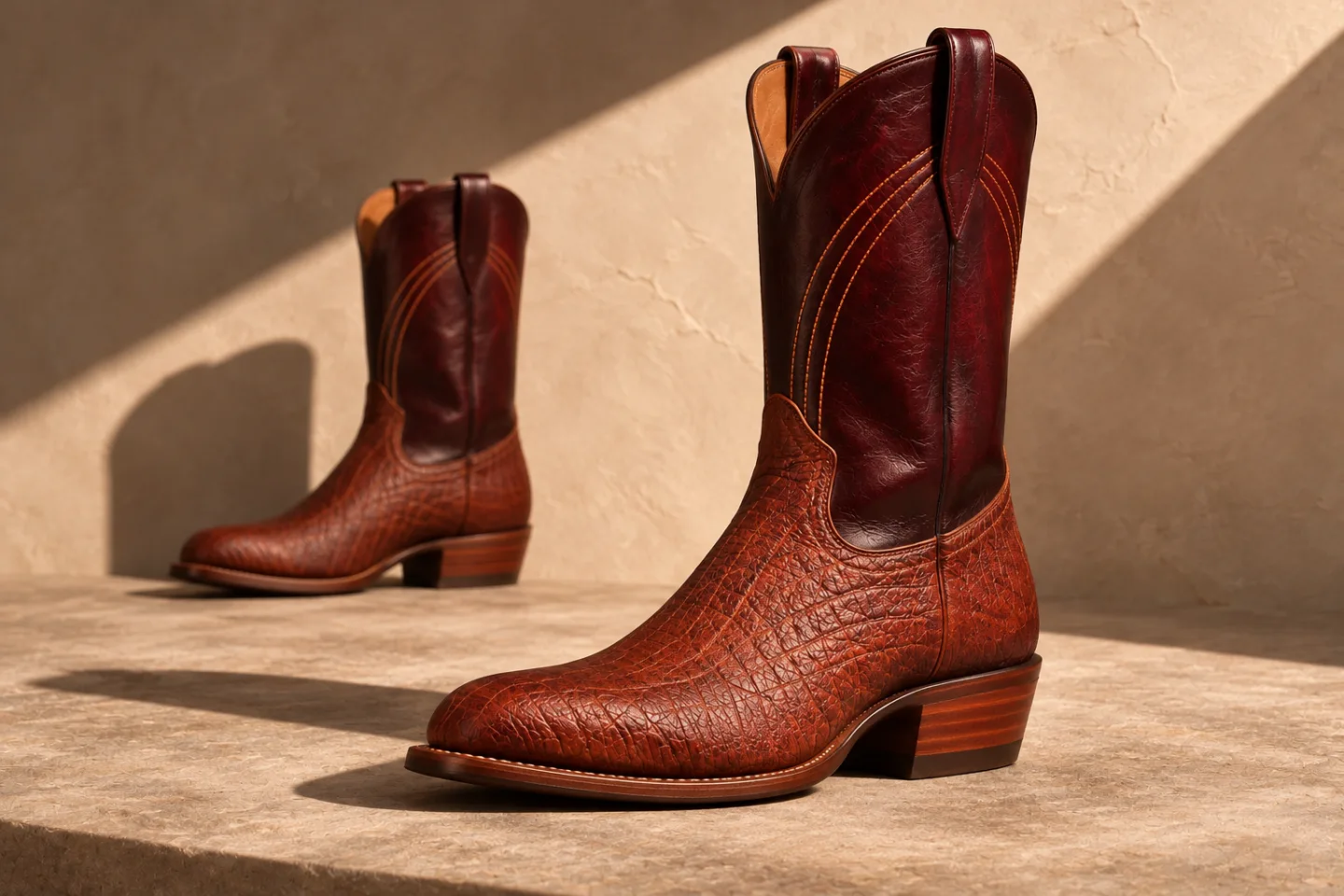
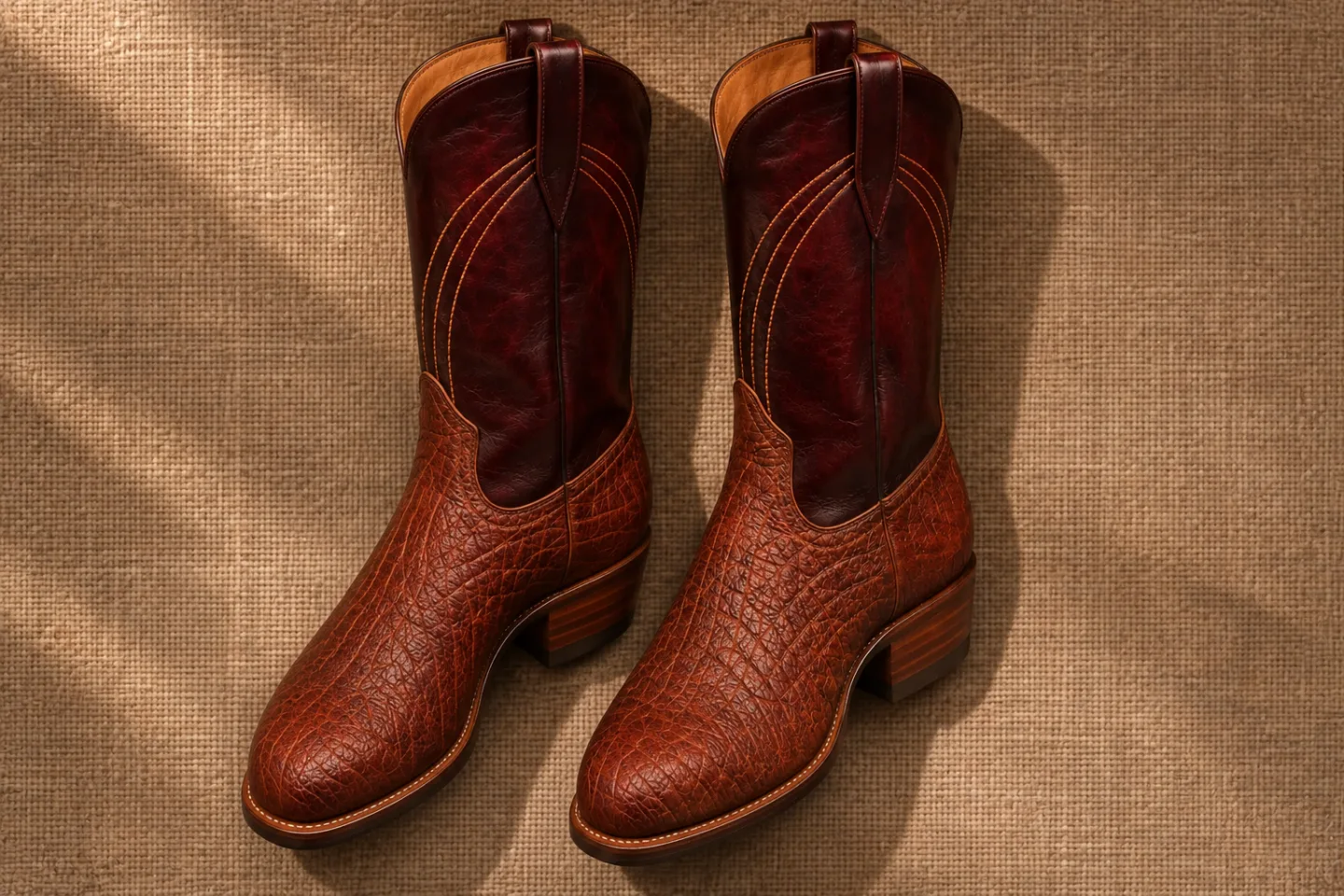
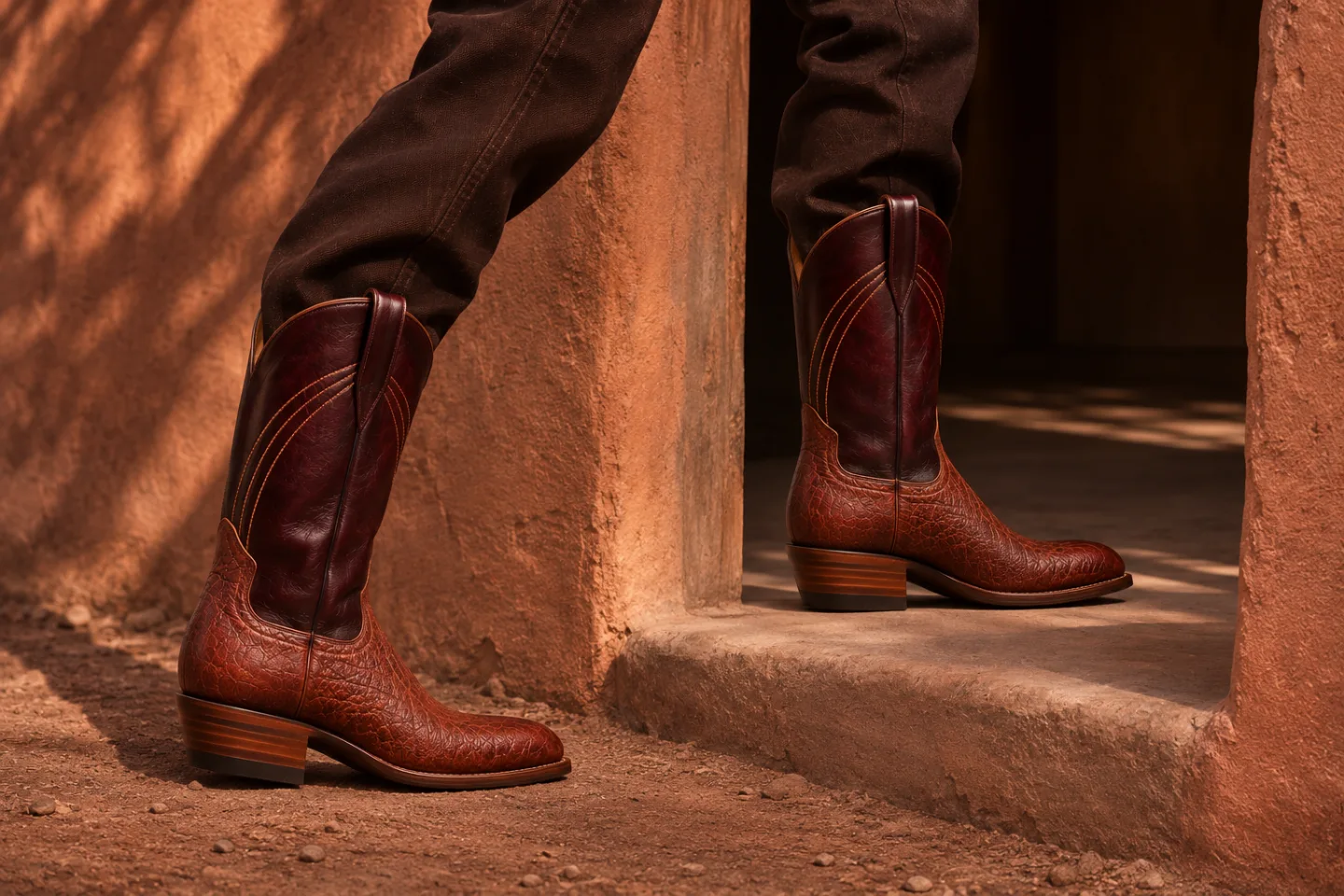
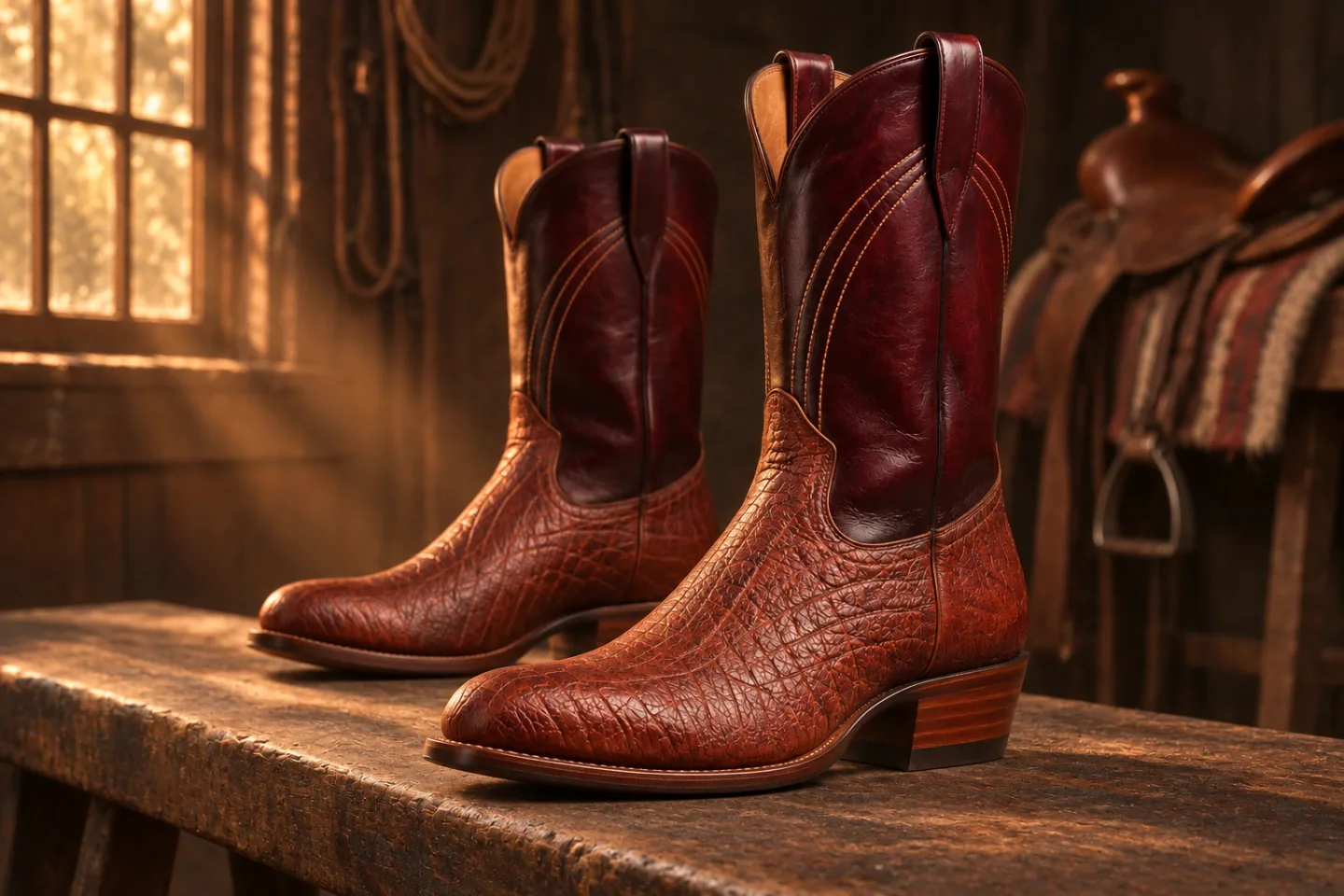
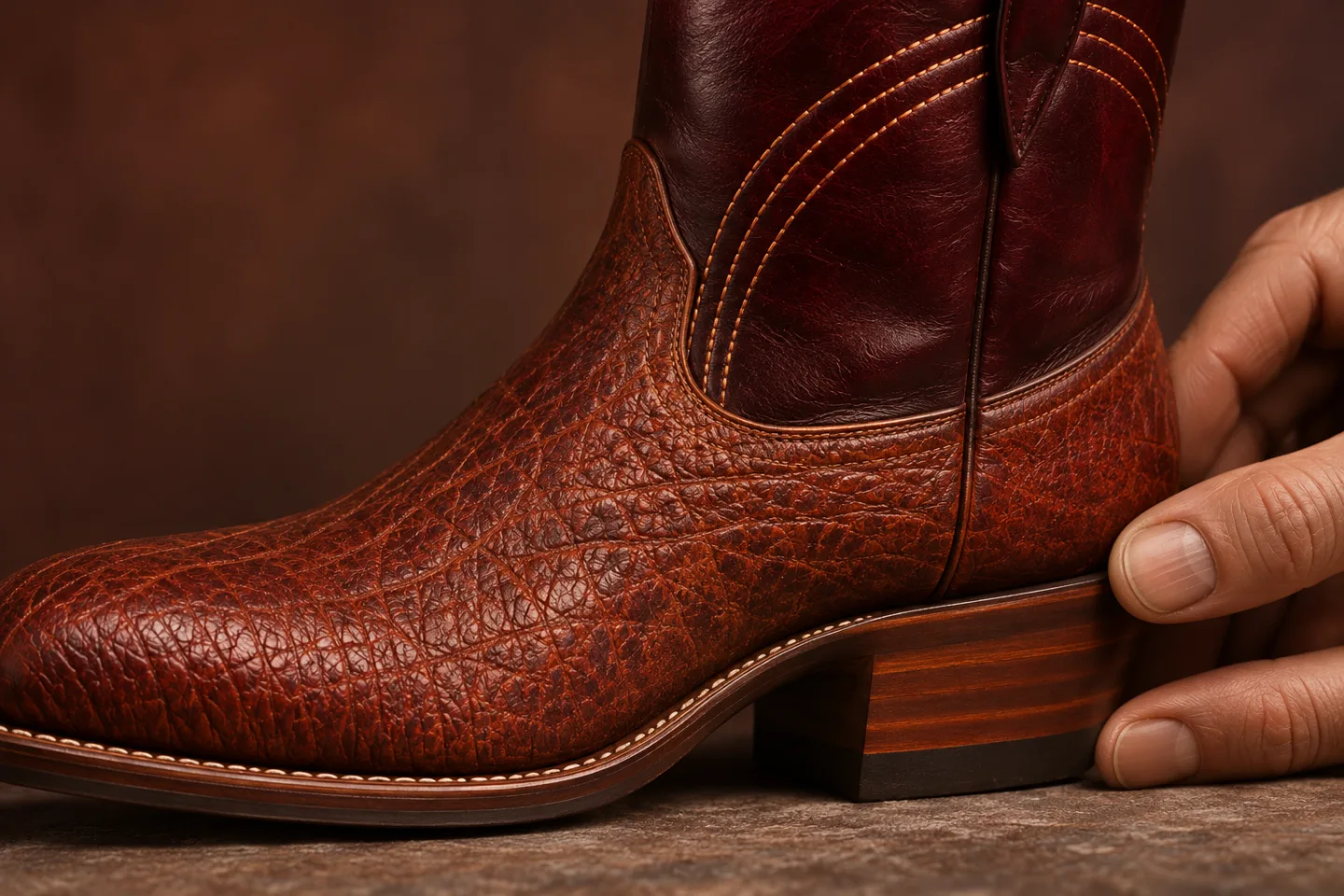
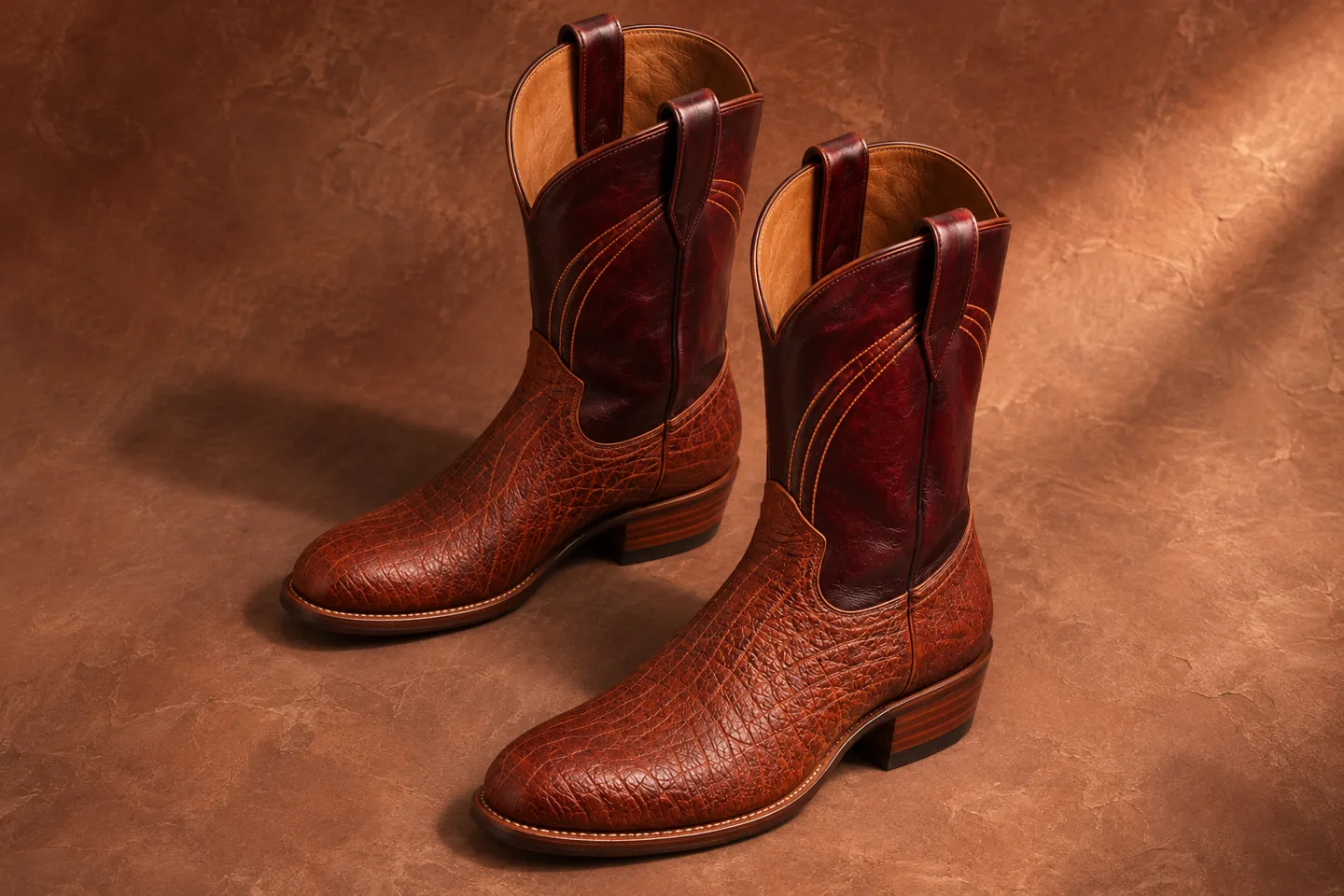
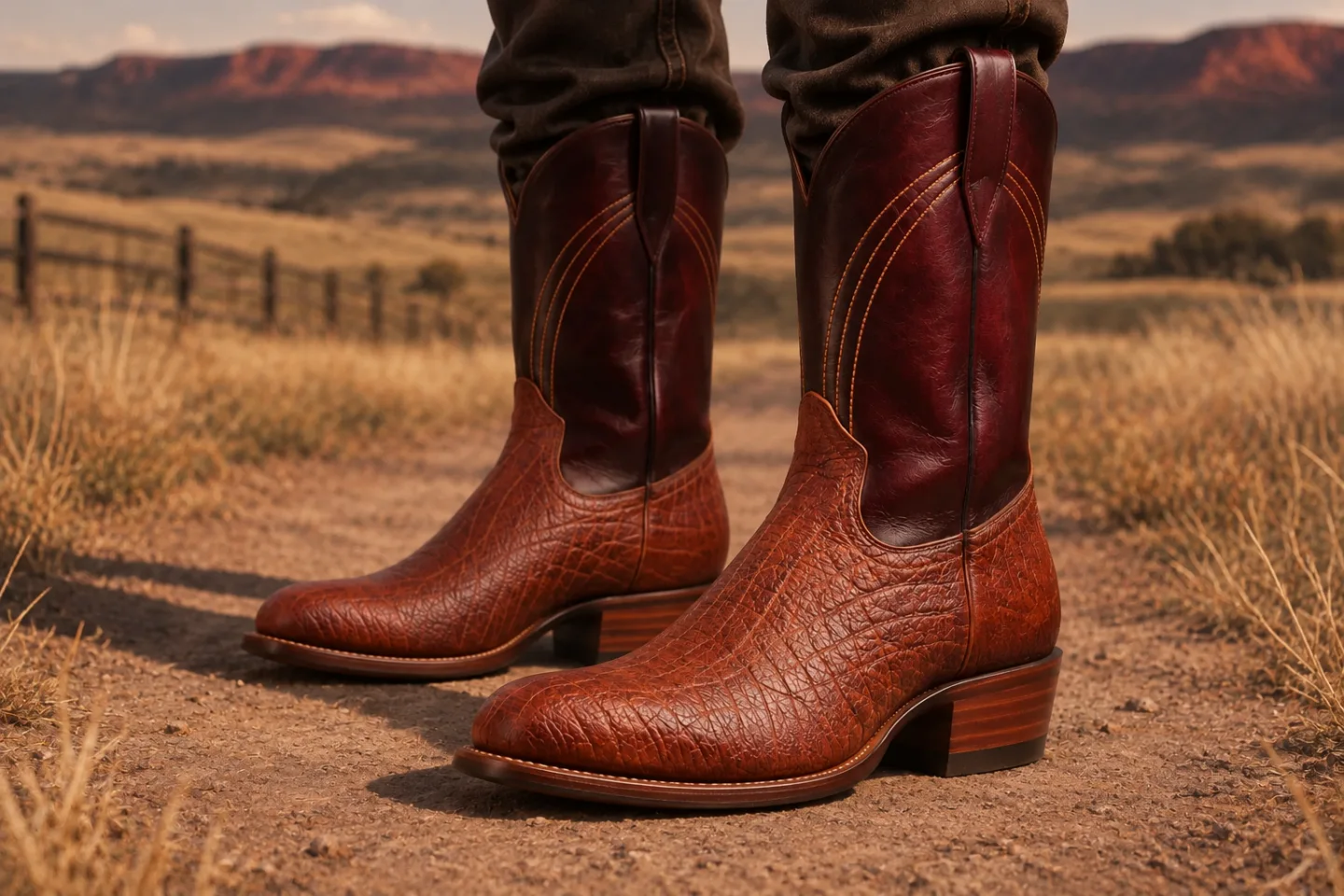
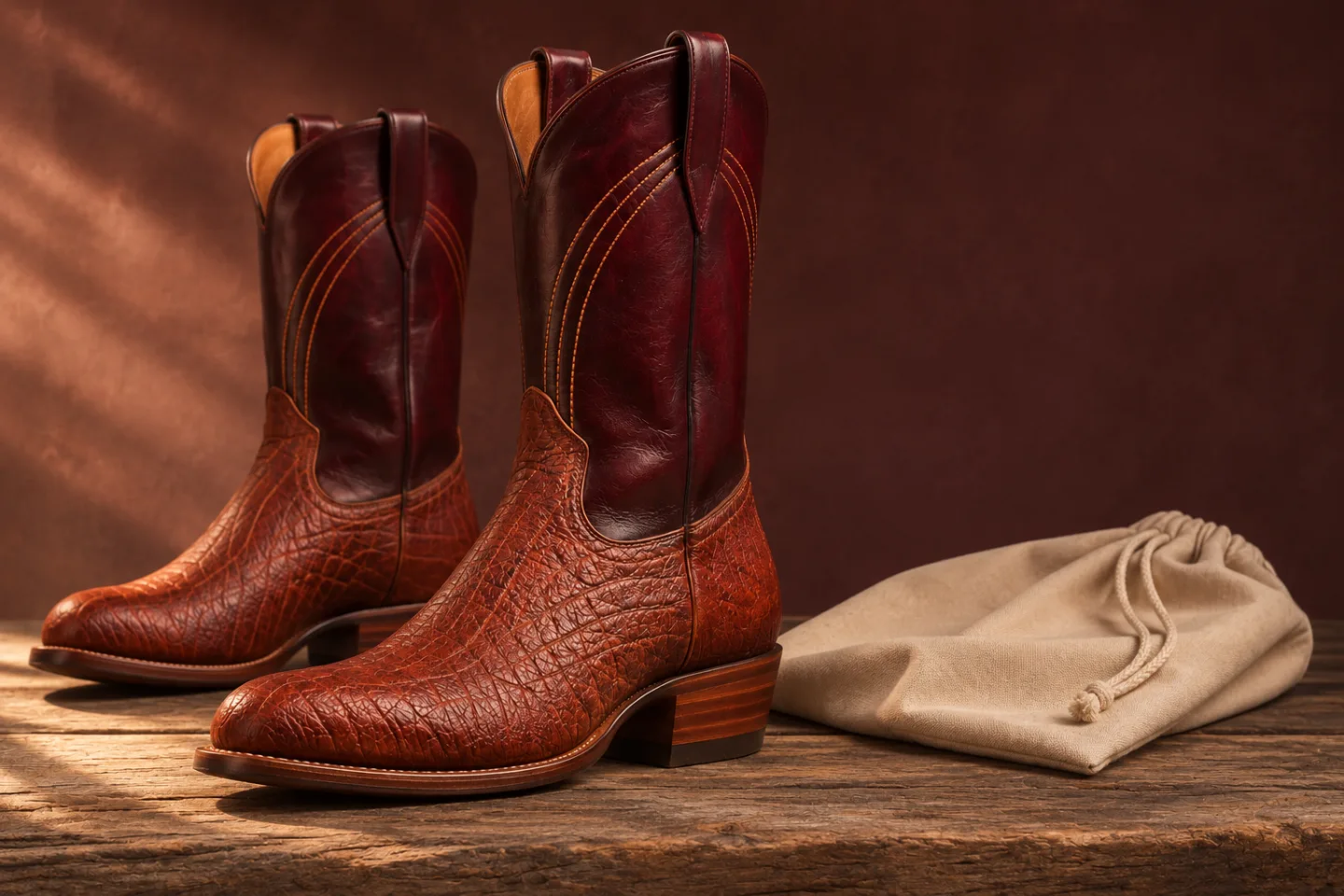
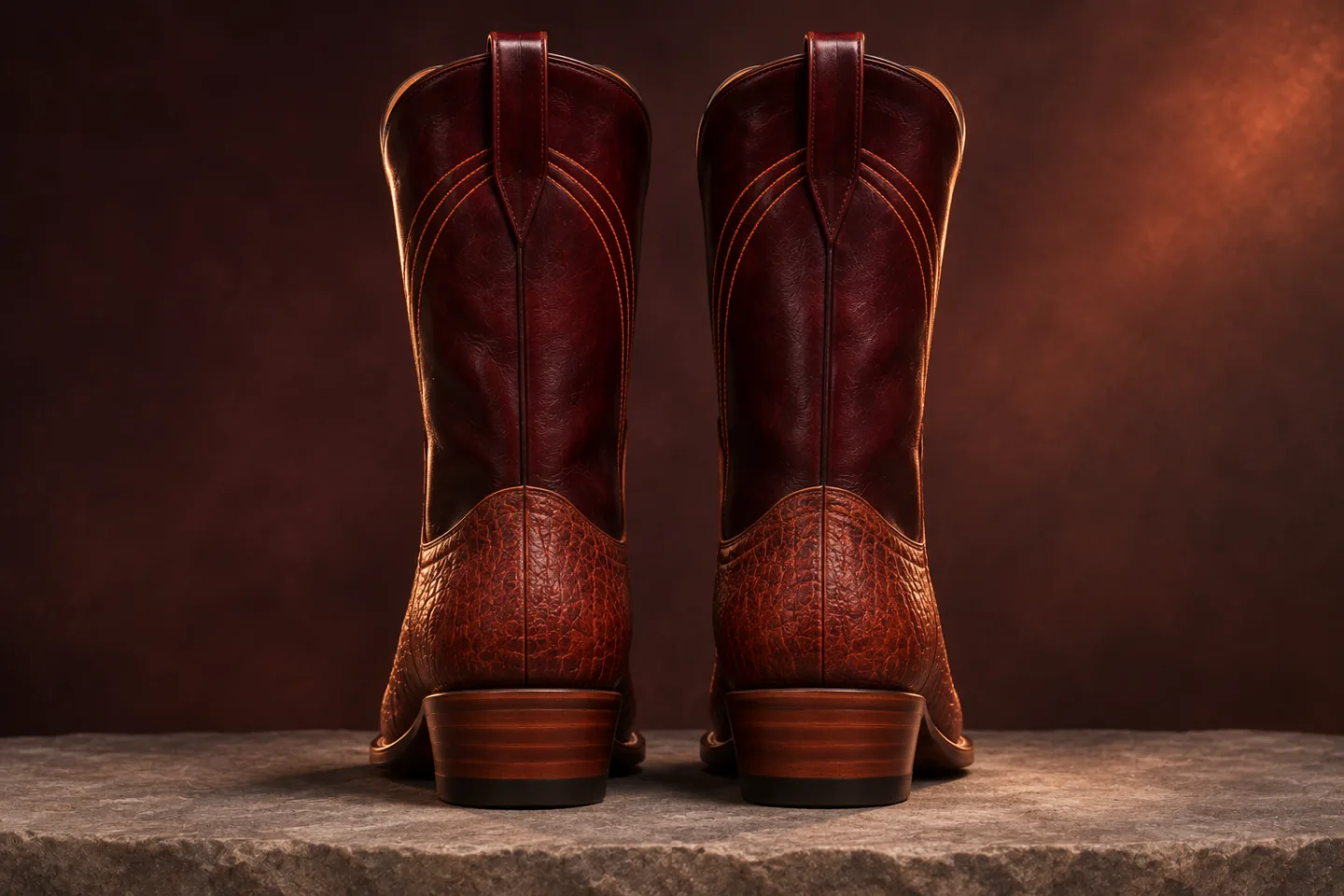
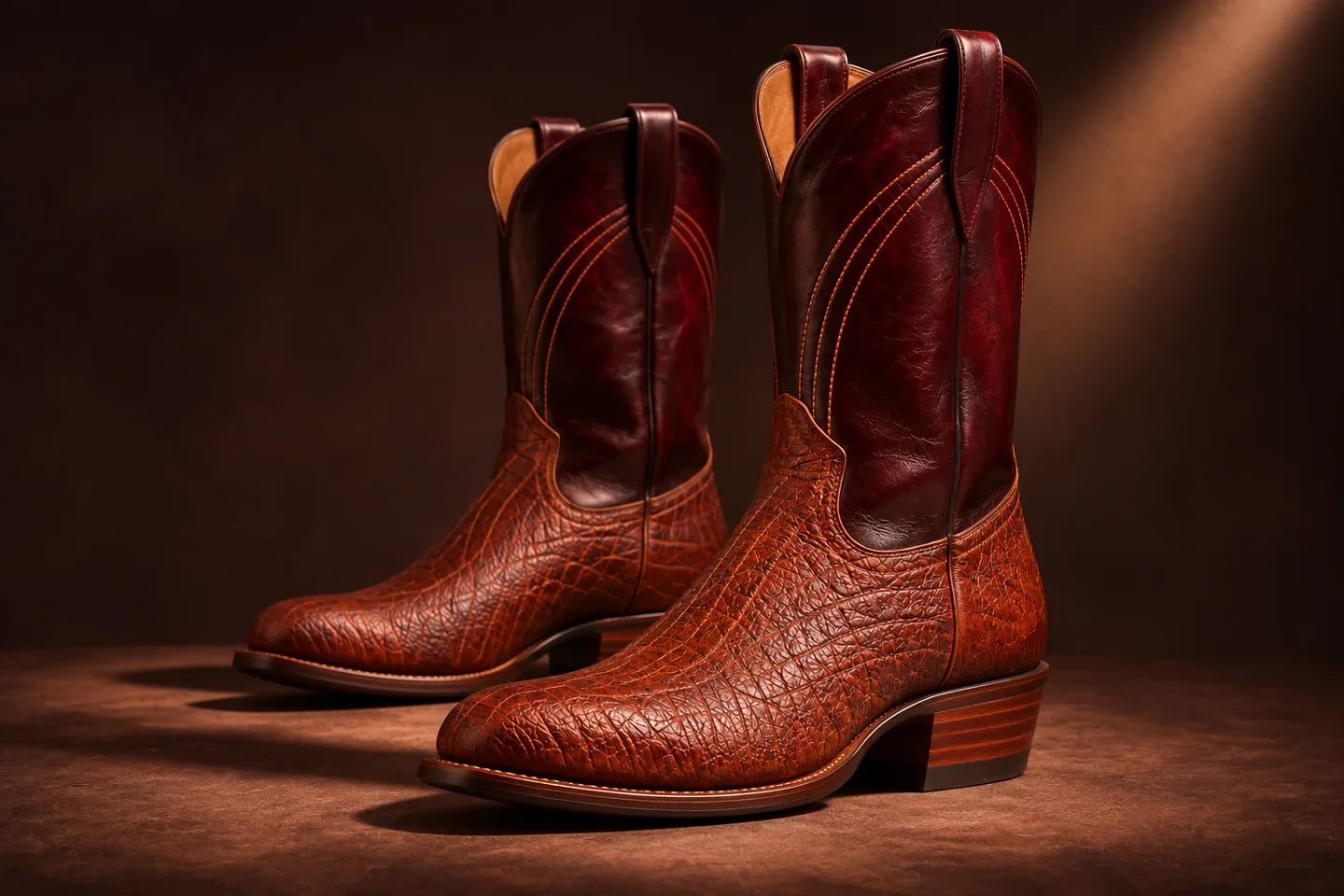
A dark hem covers the copper stitch until you cross your legs. Then the oxblood shows itself. Three lines of stitch are plenty. A fourth would be showing off.
The pair
This is a pair for rooms where people sit down. The copper stitch stays out of sight until you do. That’s all the color it needs.
Pain and comfort
A shaft can look right beneath a hem and still rub your calf by the end of the night. Think of where your own Stewarts sit on the nights you stay out late.
Measuring pain
Tell the maker where your usual Stewarts sit on your calf. That gives you something to compare when the finished dimensions are known. Hear one veteran describe having his fit taken seriously.
Leather origin
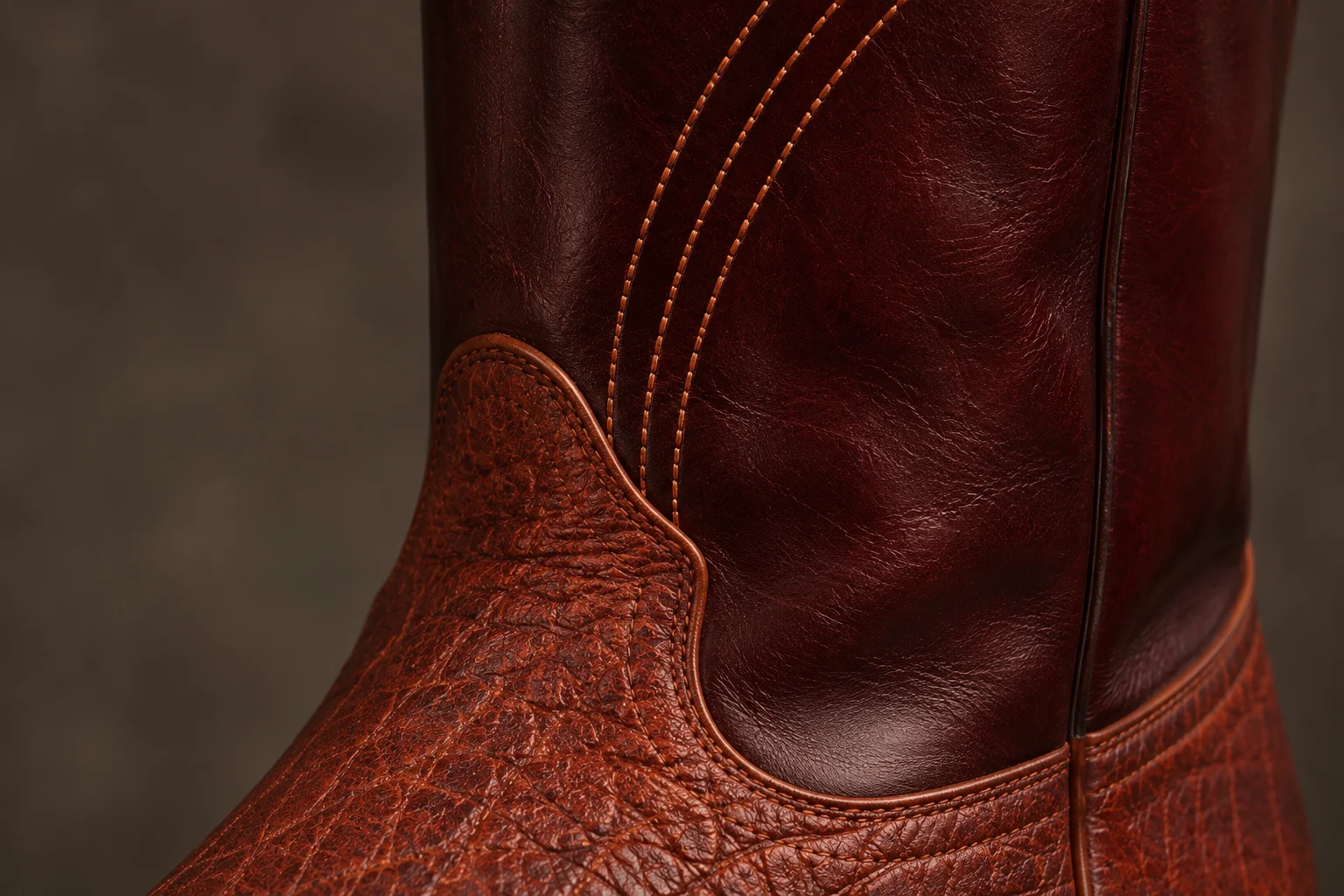
Above the seam the copper thread runs over a smooth shaft. Below it the grain is deep enough to break the light. Ask to see the finished hide and where it came from.
The pattern
Follow any of the copper stitches down to the seam. Now look at the other boot. The maker keeps both shafts in view for the last check, however long it takes. Ask for that same view of the finished pair.
44 measurements
The maker checks your calf and ankle as well as the foot when building a custom pair. For Pair Two, ask where the shaft sits against the Stewarts you already wear.
Underfoot
At the Tucson bench, Victor Borg teaches makers to see how an edge runs before they work it. On the finished pair, look at the seam between two very different surfaces.
Care
After enough late evenings, the heel will want some attention. Ask the workshop what could be cleaned or repaired around the stitch once the finished build is known.
Bidding
A $1,000 ticket enters the draw for a chance to bid. Once 100 people have bought tickets, Stewart draws 10 names. Only those 10 can bid, and each pair goes to its winning bidder.
The bench
Victor Borg has made boots for more than 55 years and still teaches at the Tucson bench, beside two makers with about 40 years each. That’s more than a century of practice behind every pair, before the roughly 50 hours each pair gets of its own. Some of it you can see. Set a boot down and look at the slight rise beneath the toe. A new maker learns to see it long before anyone lets them shape it.
Stitchwork
Bring the shaft toward the light. The pattern you chose is drawn on the leather, then guided by hand through the old stitcher. Pick thread close to the hide if you want the line to come into view only when the light finds it.
Eleven layers
The back of the boot cups your heel. Underneath, the heel and sole take the wear. A seam joins the sole to the boot so the workshop can work on it when you bring your pair back.
Heel and toe
Set the boot on the bench. The maker sights the heel and sole, turns it, and checks the rise under the toe from both sides. They shape that curve by hand so the front rolls into the next step.
$5,500
Start your fitting at home. The planned iPhone app will scan both feet. The workshop will use those scans to talk with you about fit and leather.
The phone scan is planned. Today, custom fittings take place in Tucson.
Contact the Tucson workshop$7,000
Bring the boots that always wear down in the same spot. They’ll tell us where to look. In about two hours in Tucson, we watch you walk and take 44 measurements to shape each boot to its foot. Then the bench gives your pair about 50 hours over three to four months.
Choose a time and review the deposit in TimeMatch.
Choose a fitting time$18,000
Sit down with a master bootmaker in Tucson. Choose your toe, leather and stitch. Your maker selects the finest option for every part, from the leather against your foot to the heel under it, then gives the pair about 50 hours at the bench.
Choose a time and review the deposit in TimeMatch.
Choose a fitting time$30,000
Commission your Atelier pair at a private fitting. When it’s time to hand it down, bring it back to Tucson for your child’s included fitting and refit, as far as the boots allow.
Choose a time and review the deposit in TimeMatch.
Choose a fitting time$30,000
Make an Atelier pair yours in Tucson. Heirloom includes your child’s fitting and refit when they bring the boots back, as far as the boots allow. If there’s a wedding ahead, talk through when to bring them in.
Choose a time and review the deposit in TimeMatch.
Choose a fitting time